Dual Education System for the Energy Sector Is Being Expanded
2026-08-04 18:45:00 / News of ministry
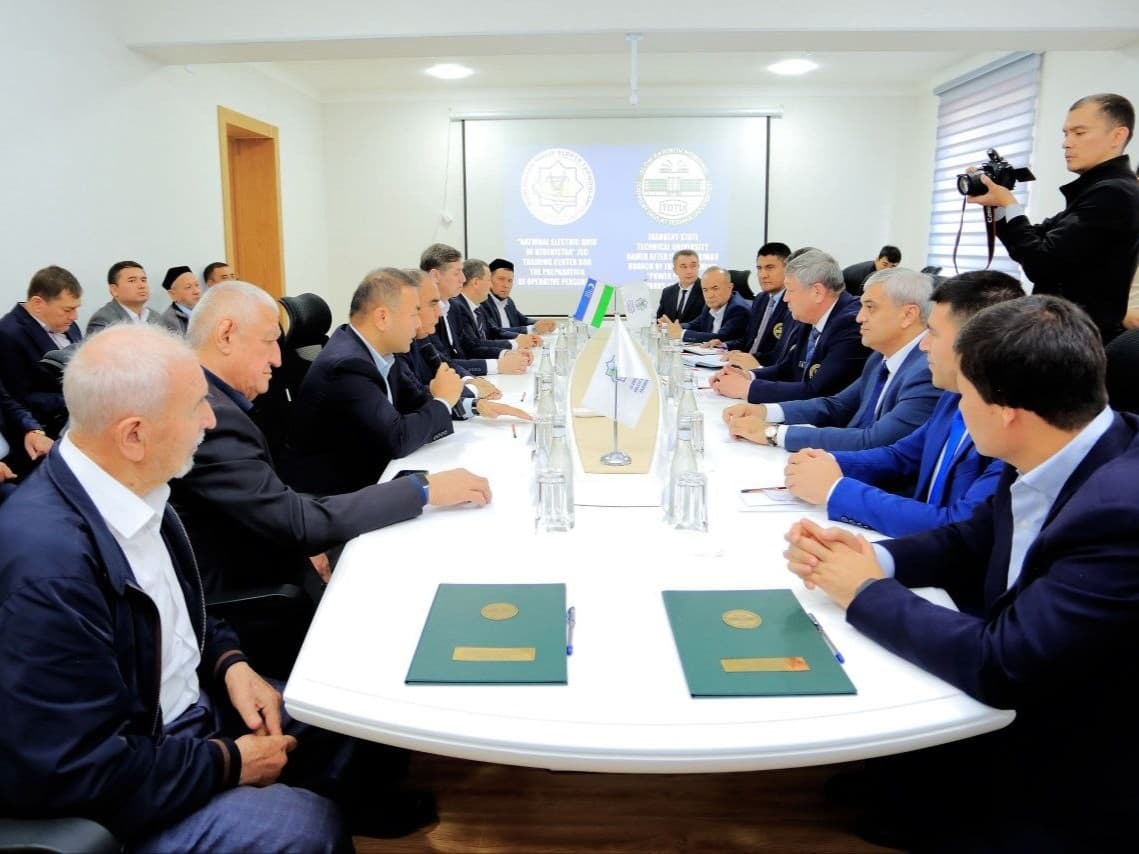
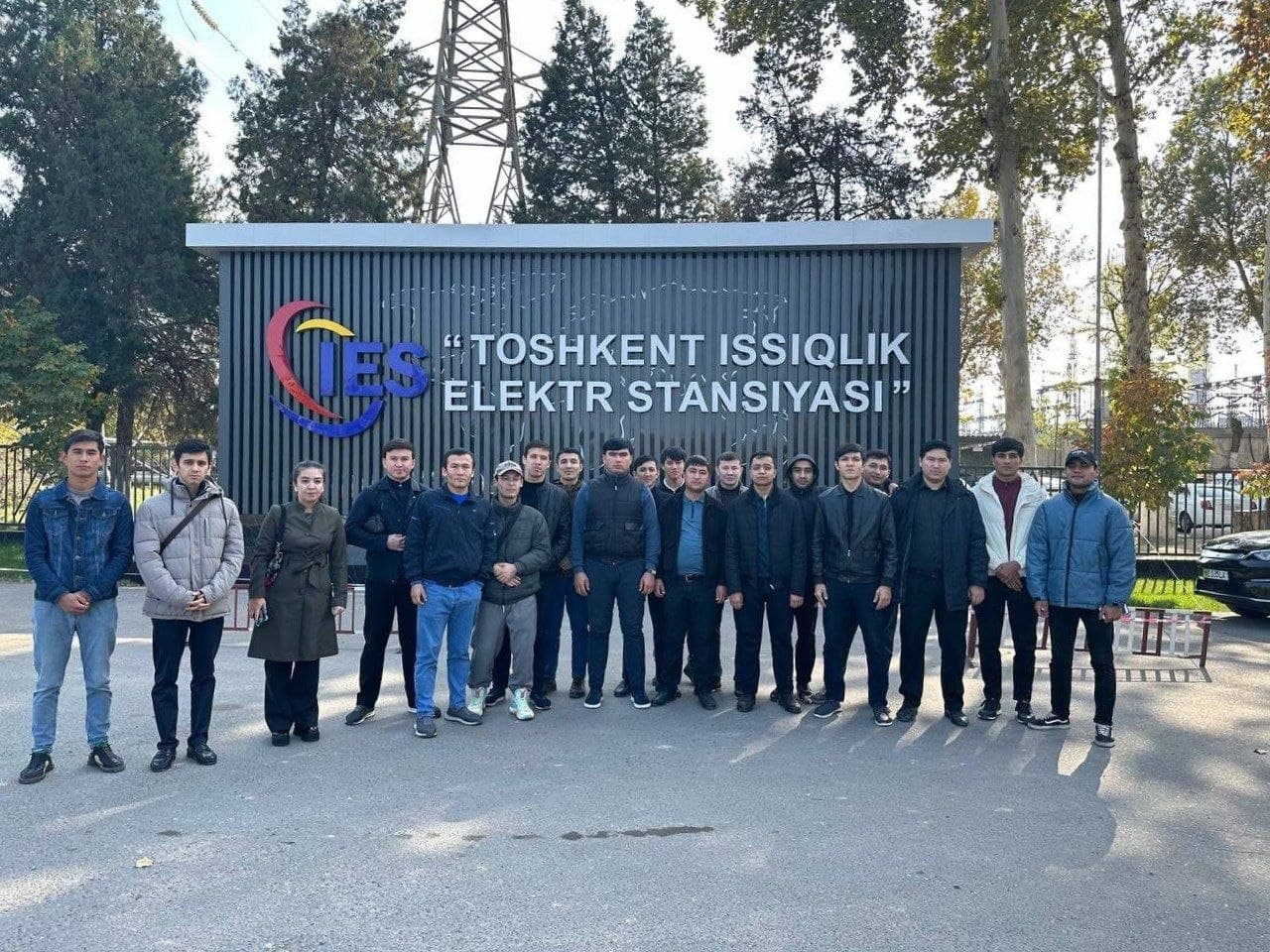
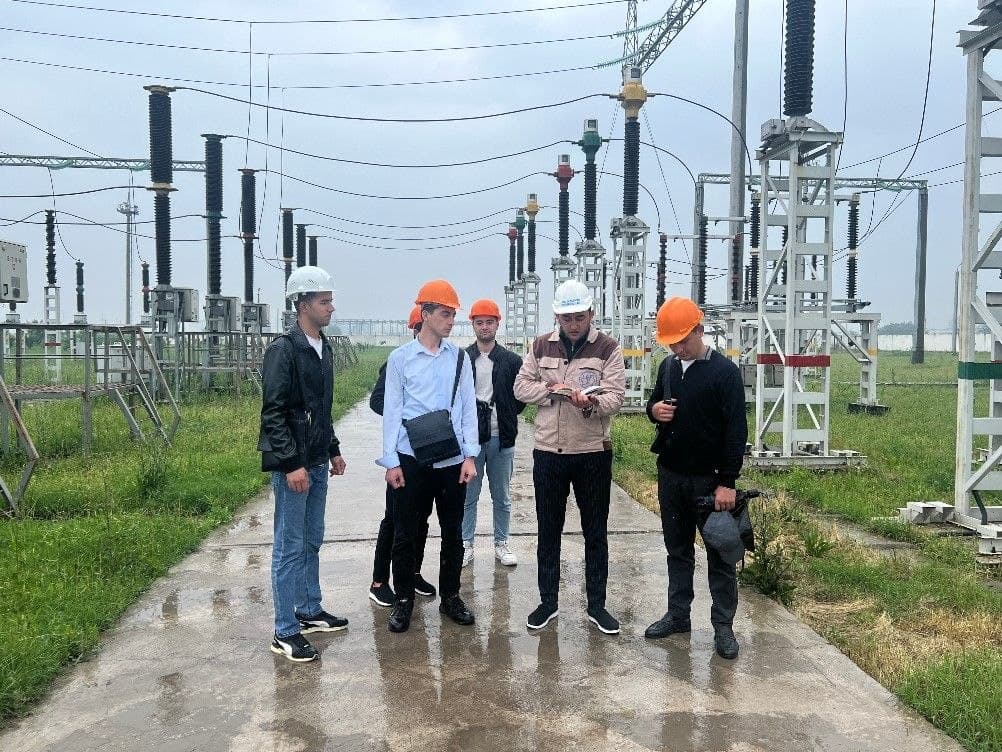
Particular attention was given to such pressing issues as power supply interruptions, effective management of the electricity consumption balance, and the accurate assessment of the load-bearing capacity of power grids. It was emphasized that these challenges can only be addressed systematically through the preparation of specialists equipped with modern knowledge and practical skills.
In accordance with the President’s directives, higher education institutions have been tasked with updating energy-related curricula in line with industry needs, expanding the implementation of the dual education system, and preparing highly qualified specialists in solar and wind energy.
In this regard, Tashkent State Technical University has been carrying out systematic efforts to strengthen the integration of education and industry. Curricula and academic programs in the fuel and energy fields are regularly updated in cooperation with industry enterprises and aligned with the current demands of the labor market.
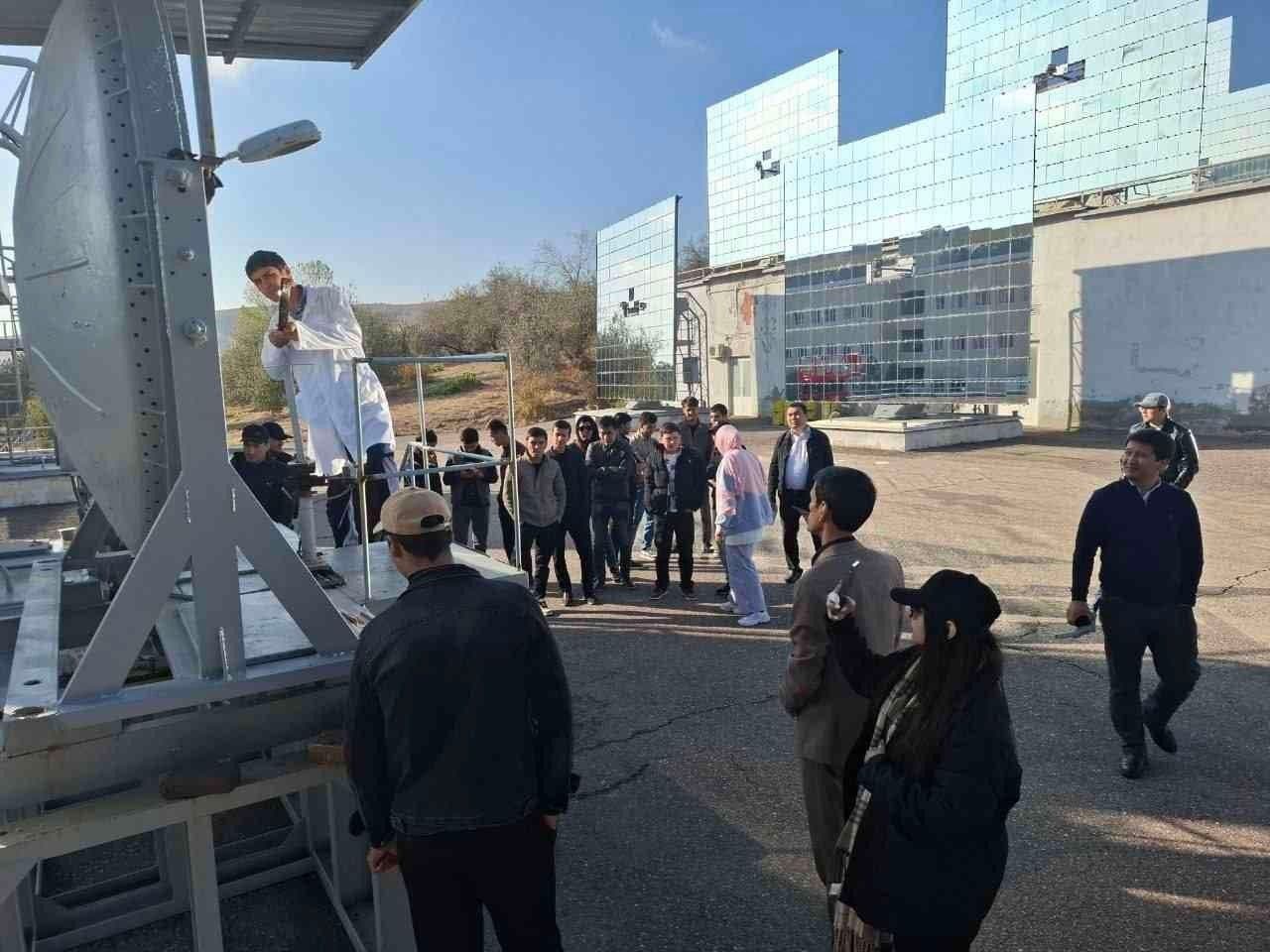
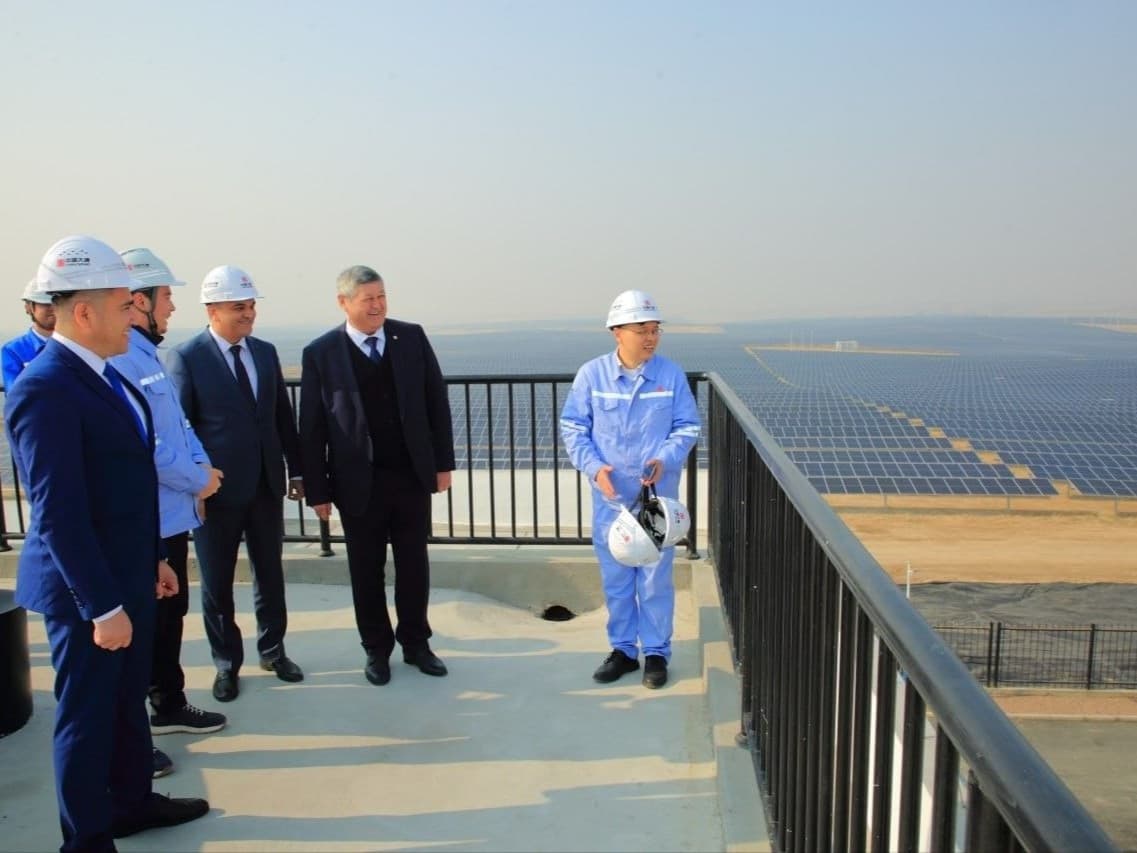
Furthermore, a mechanism has been introduced to organize academic training directly at industrial enterprises within the framework of the dual education system. To date, cooperation agreements have been signed with more than 50 enterprises and organizations, while 52 university department branches operate at production facilities.
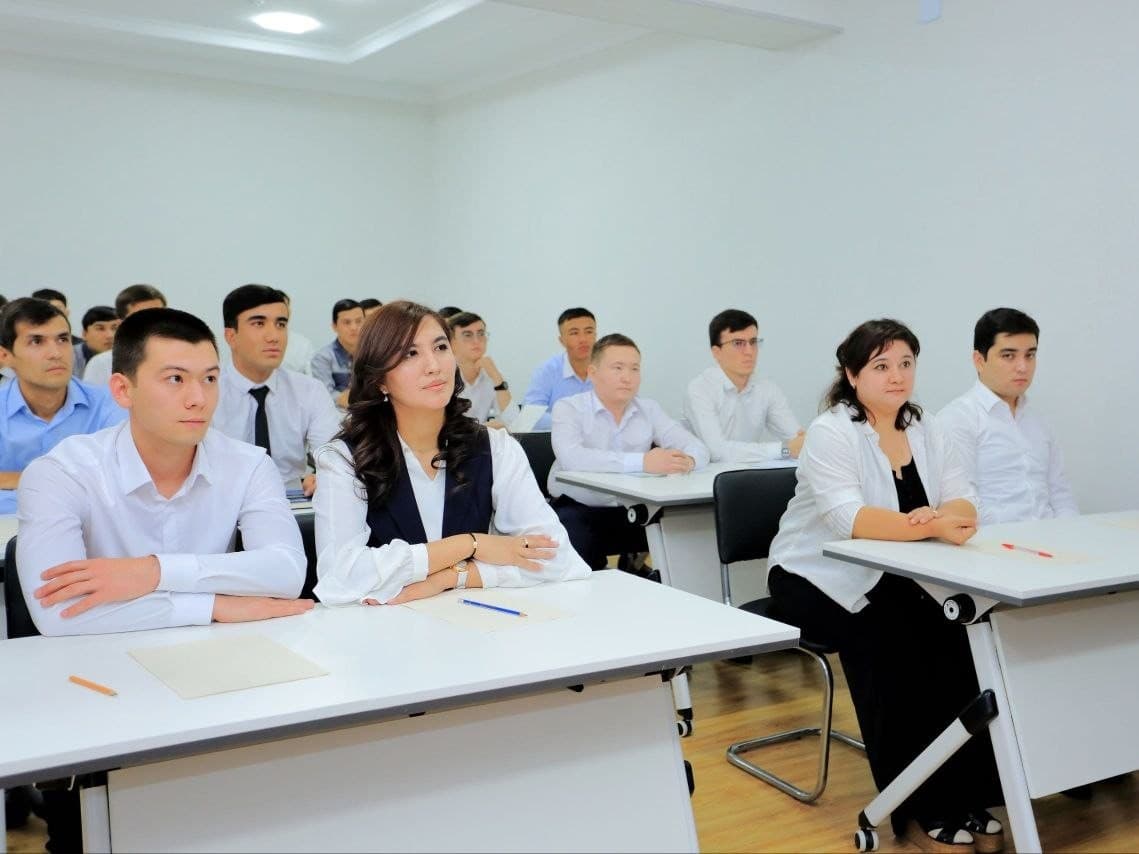
During the first semester of the 2025–2026 academic year, a total of 2,006 students participated in the dual education system. This included 1,617 fourth-year students from 39 academic programs, 212 third-year students from 8 academic programs, 90 second-year students from 6 academic programs, as well as 126 master’s students, all of whom completed practical training at industrial enterprises according to approved schedules.
Pursuant to the Rector’s Order No. 01-09-05-232 dated March 26, 2026, 100 percent of fourth-year students and 50 percent of second- and third-year students were covered by the dual education system during the 2025–2026 academic year.
Beginning with the 2026–2027 academic year, the system will be expanded further. Across all academic programs at the university, 50 percent of third-year students and 100 percent of fourth-year students will receive education under the dual education model.
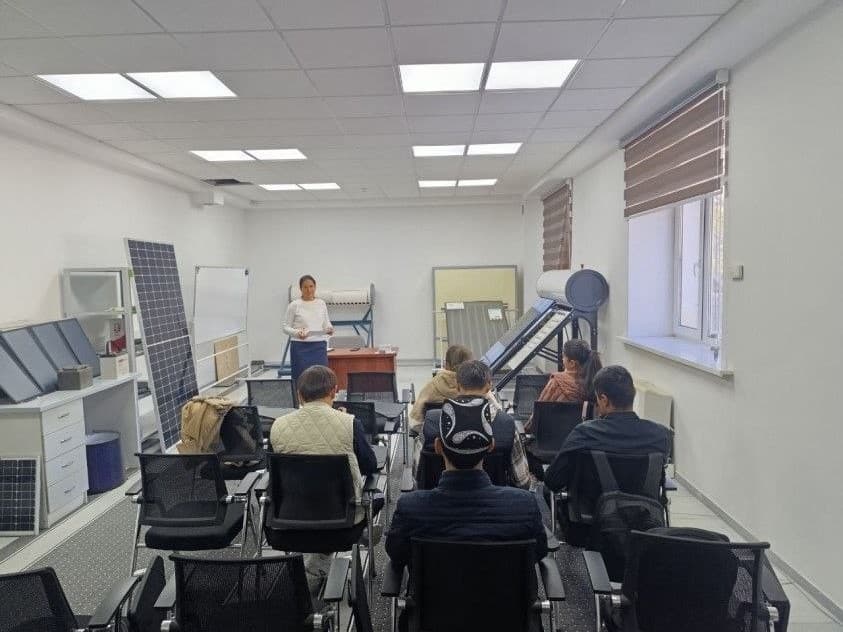
These measures enable students to combine theoretical knowledge with real industrial practice, develop competencies in working with modern technologies, and provide enterprises with job-ready specialists. Particular emphasis is placed on training qualified engineers in renewable energy, energy efficiency, digital power grid management, as well as solar and wind energy technologies.
The dual education system is elevating cooperation between higher education, science, and industry to a new level. The model established at Tashkent State Technical University contributes to the effective implementation of the President’s directives, the development of scientific and innovative solutions to pressing challenges in the energy sector, and the preparation of competitive engineering professionals for New Uzbekistan.