Government Hour reviews measures to promote employment of higher education graduates.
2026-07-14 16:00:00 / News of ministry
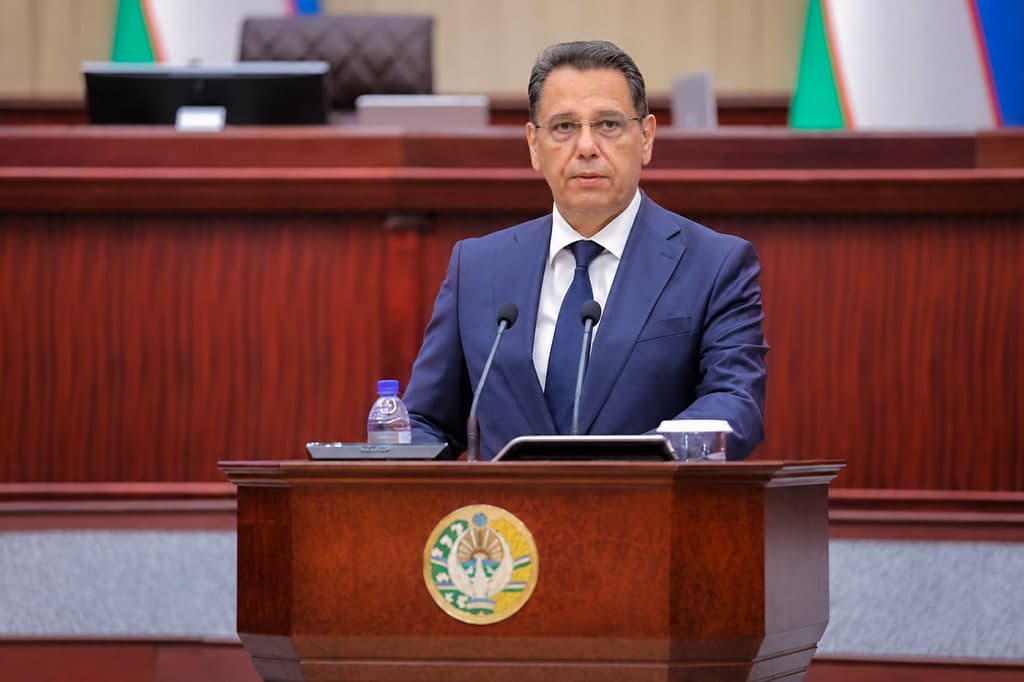
It was emphasized that ensuring the employment of university graduates, aligning educational programs with labor market demands, and training competitive specialists remain among the Government's top priorities. To this end, systematic reforms are being implemented to align admission quotas with the real needs of the economy, expand employer participation in higher education, introduce digital services, and strengthen students' modern competencies.
The Minister noted that state-funded admission quotas are determined based on labor market analysis, the workforce requirements of economic sectors, and graduate employment outcomes. Beginning in 2025, state order parameters have been approved for a four-year period based on projected demand for highly qualified professionals, ensuring stronger alignment between the education system and the economy.
For the 2026/2027 academic year, 36,023 state-funded grants have been allocated. In addition, total admissions to full-time bachelor's degree programs exceed 234,000 places. Priority has been given to engineering, information technology, teacher education, and agricultural disciplines when determining admission quotas.
Higher education institutions are also introducing new institutional mechanisms for cooperation with employers. These include establishing department branches within enterprises, creating university-industry cooperation councils, and expanding support for spin-off companies and startup projects.
The Government Hour noted that the expansion of higher education access has resulted in a steady increase in the number of graduates. More than 323,000 students graduated from higher education institutions during the 2025/2026 academic year, while more than 390,000 graduates are expected to enter the labor market in 2027.
To strengthen direct interaction between graduates and employers, TalabaExpo career exhibitions, job fairs, and professional workshops are being organized nationwide. This year alone, 378 job fairs and 1,243 workshops were held, bringing together more than 7,700 employers and over 144,000 graduating students. Preliminary employment agreements were reached with nearly 18,000 young specialists.
In addition, more than 1,000 major employers participated in TalabaExpo–2026. The event attracted nearly 60,000 students and graduates, resulting in preliminary employment agreements with 9,347 participants.
Educational programs are also being modernized based on international best practices. Thousands of curricula have been updated using academic programs from universities ranked among the world's Top 300, while new textbooks and digital learning resources have been developed.
During the discussions, particular attention was given to the launch of the career.edu.uz electronic platform, designed to improve graduate employment. The platform enables real-time monitoring of graduate employment, recommends qualified candidates to employers, and offers students vacancies that match their fields of study.
Digital monitoring has already contributed to improved employment outcomes. Between May and June 2026, the number of unemployed graduates decreased by nearly 19,000. At the same time, internship management, contract administration, attendance tracking, and employment monitoring for technical college graduates are being progressively digitized.
The Minister also stressed that special emphasis is being placed on equipping students across all academic disciplines with additional competencies in artificial intelligence, digital technologies, information technology, and digital literacy. Integration with leading international AI learning platforms has been introduced, enabling students to acquire cutting-edge digital skills and internationally recognized certificates.
During the debate, representatives of all parliamentary factions shared their views and raised questions on key issues facing the higher education sector.
Members of the UzLiDeP faction asked what new academic programs and specialties had recently been introduced into the national higher education classification system in response to labor market demands.
Representatives of the Milliy Tiklanish Democratic Party emphasized that developing human capital and ensuring graduates secure employment in their fields of study is a strategic issue for the nation's future. They asked how many graduates who created resumes on the career.edu.uz platform had found employment and how many were working in their respective specialties.
The Adolat Social Democratic Party faction focused on the key performance indicators (KPIs) and personal accountability of university rectors for ensuring graduate employment in their fields of specialization.
Members of the People's Democratic Party of Uzbekistan asked whether the Ministry had developed a dedicated program—with clearly defined funding sources, implementation timelines, and performance indicators—to bridge the digital divide between central and regional higher education institutions.
Representatives of the Ecological Party raised questions about how well higher education programs and workforce training have been adapted to meet the growing demand for green jobs in the context of the transition to a green economy, resource-efficient technologies, and environmental sustainability.
Responding to the questions, the Minister emphasized that the proposals put forward by Members of Parliament would play an important role in the further improvement of Uzbekistan's higher education system.