Scientific and Innovation Performance of Higher Education Institutions in Namangan Region Reviewed
2026-06-22 22:00:00 / News of ministry
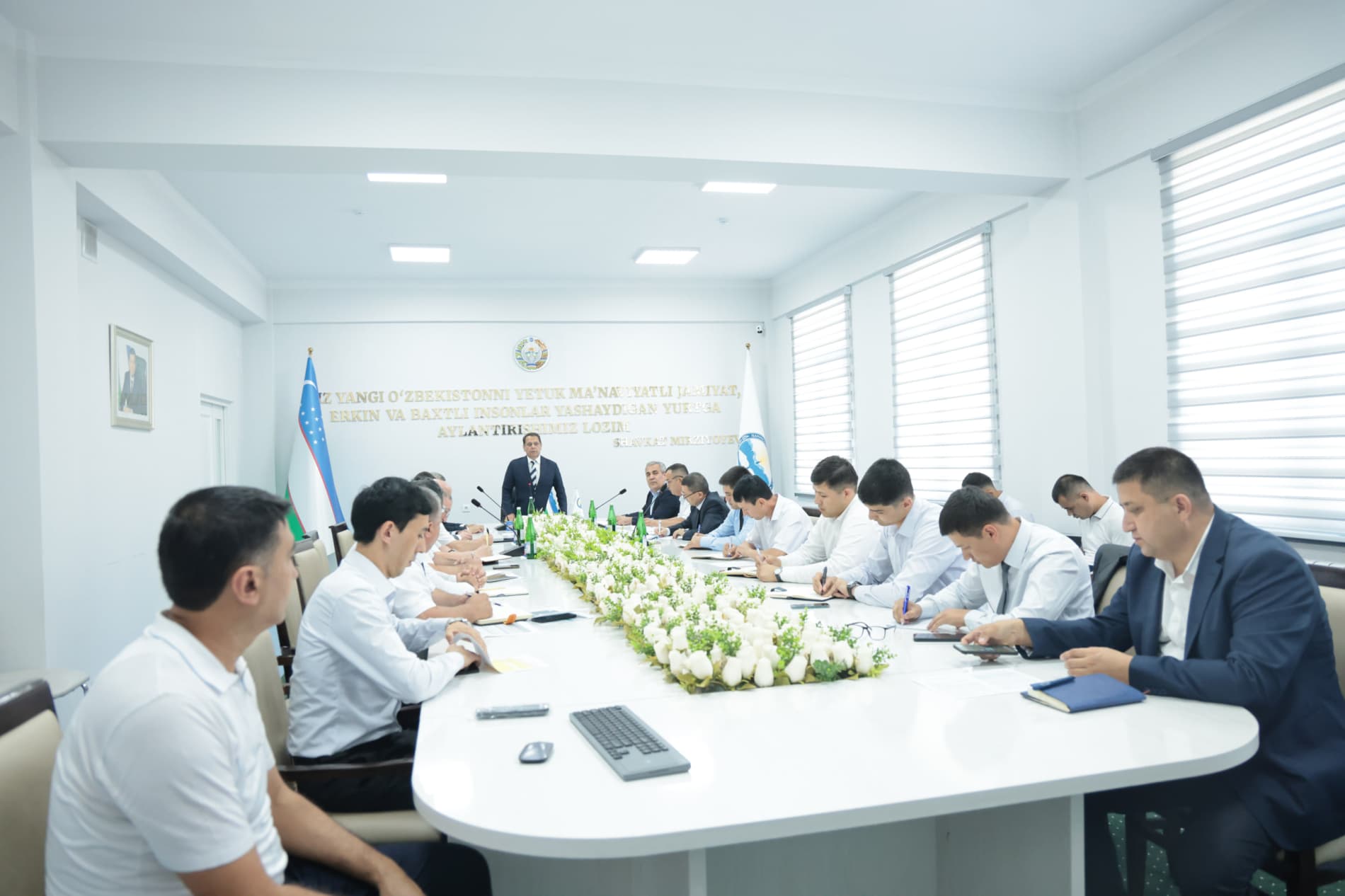
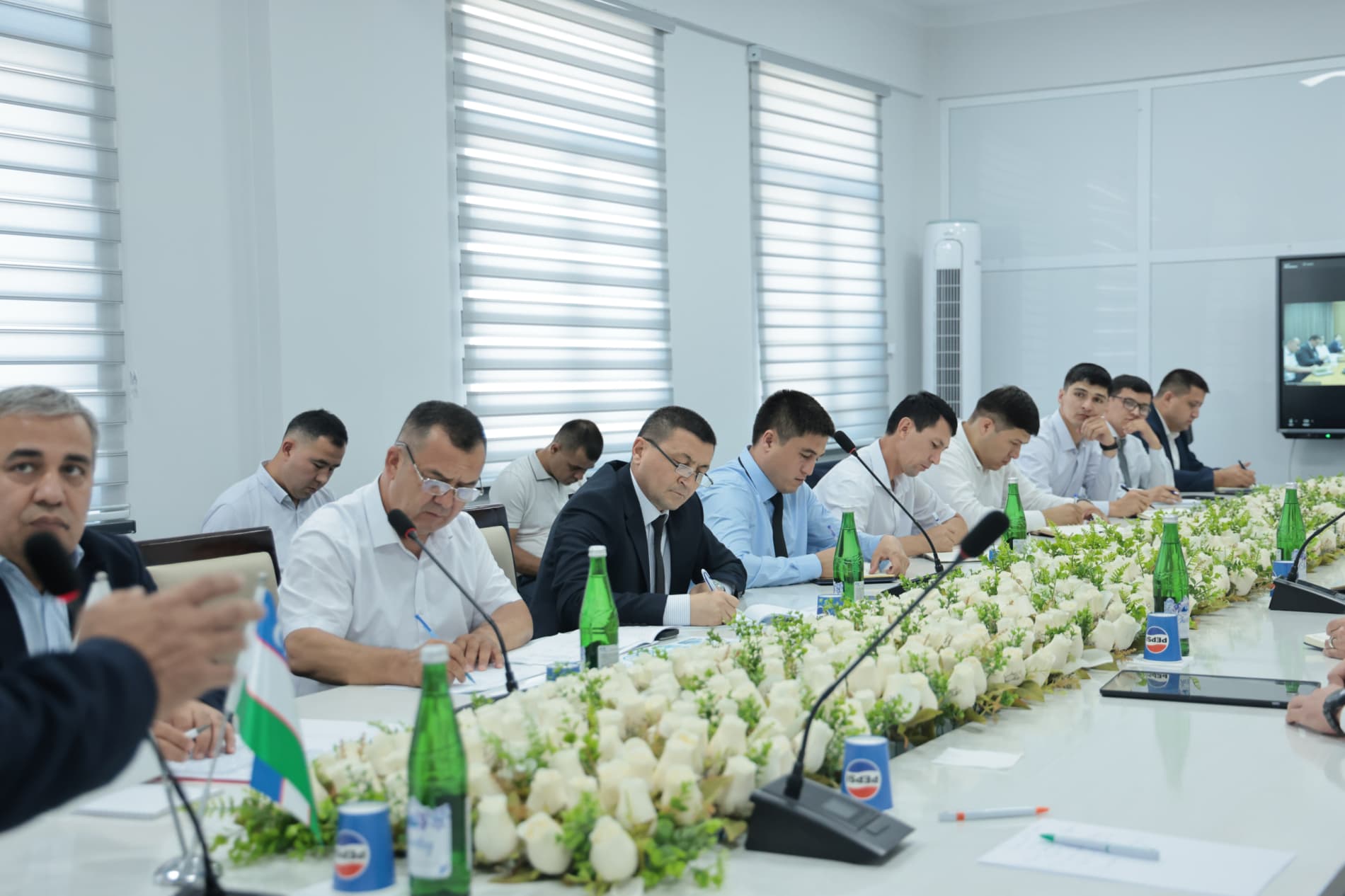
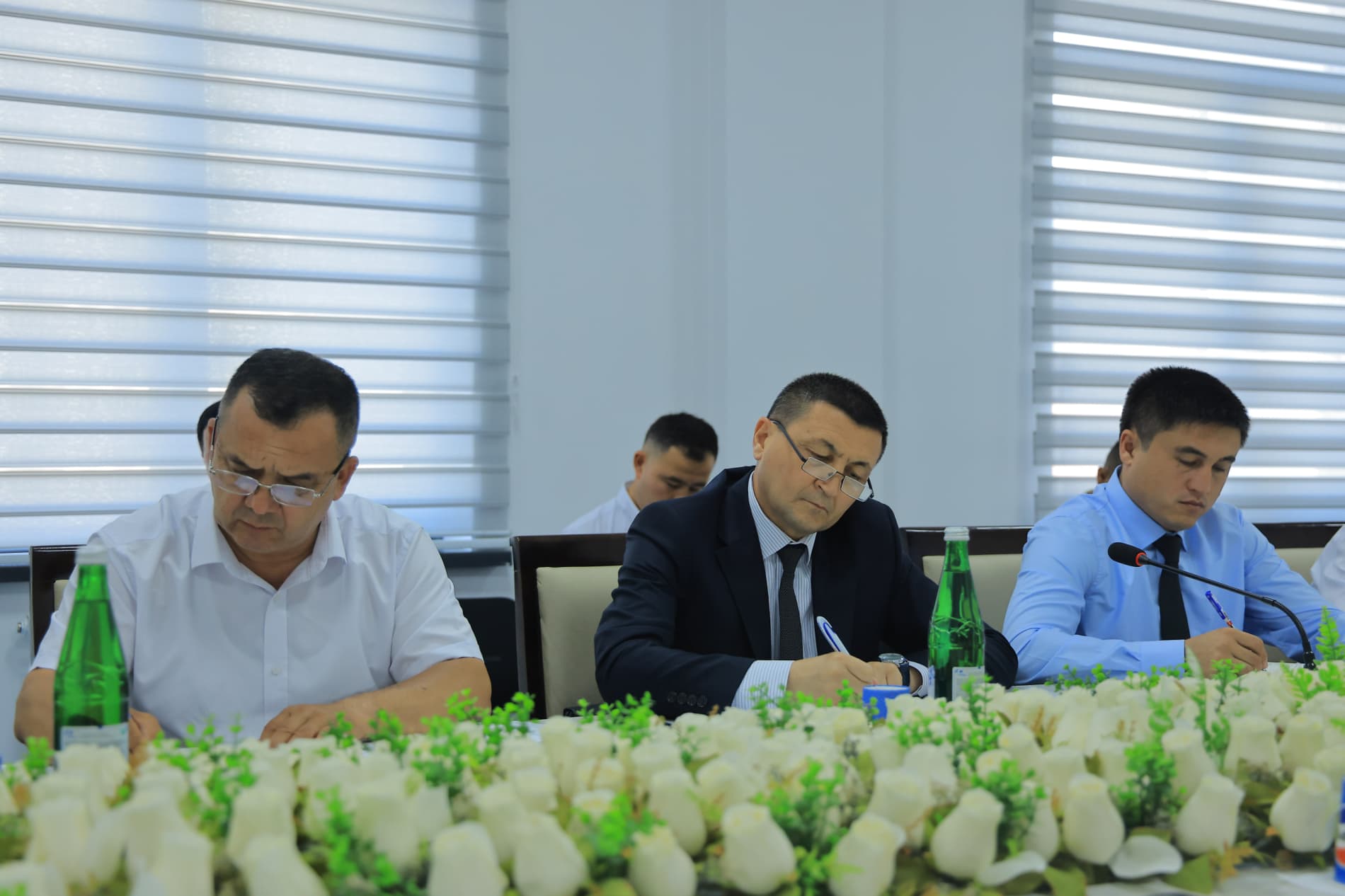
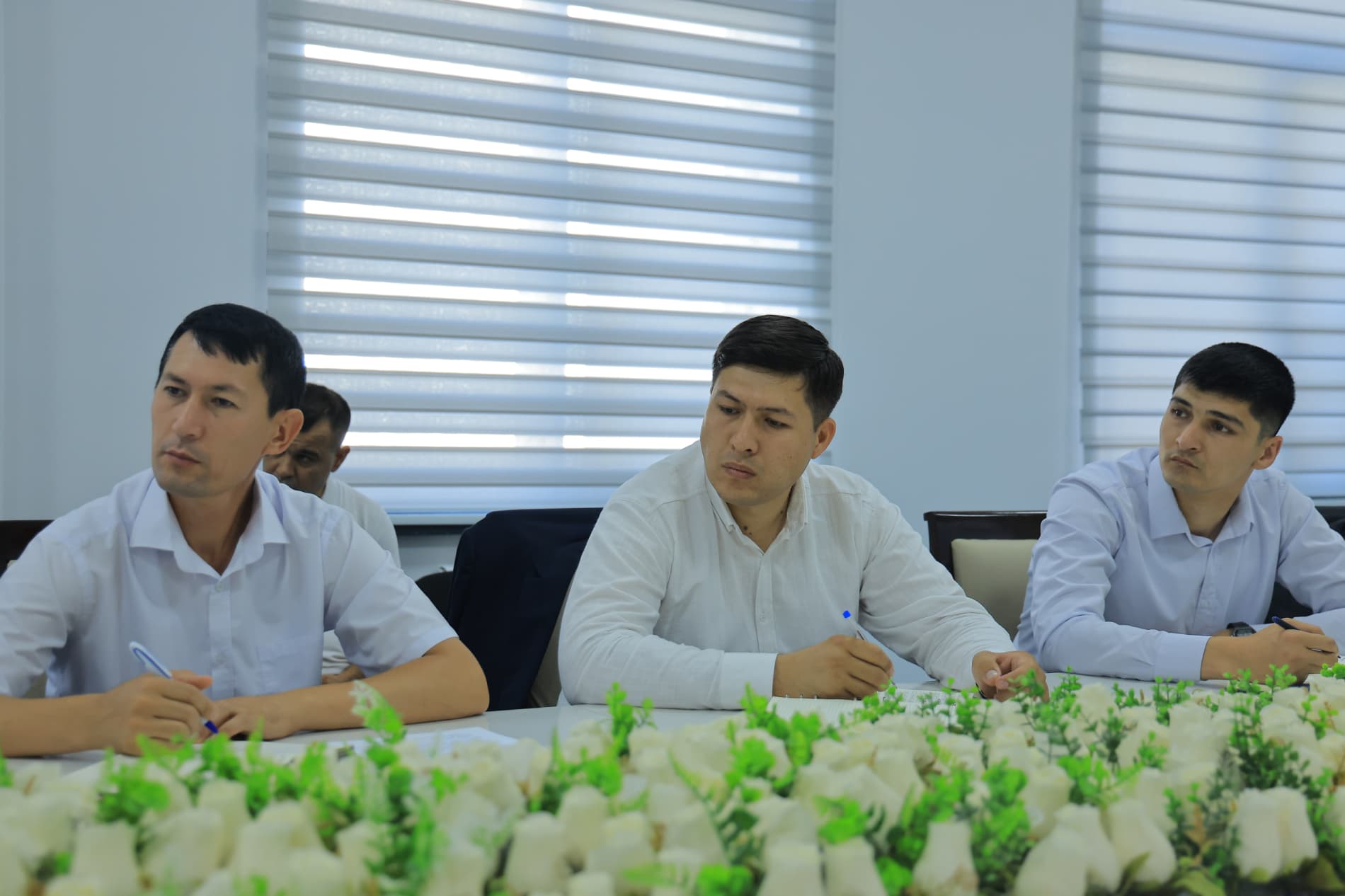
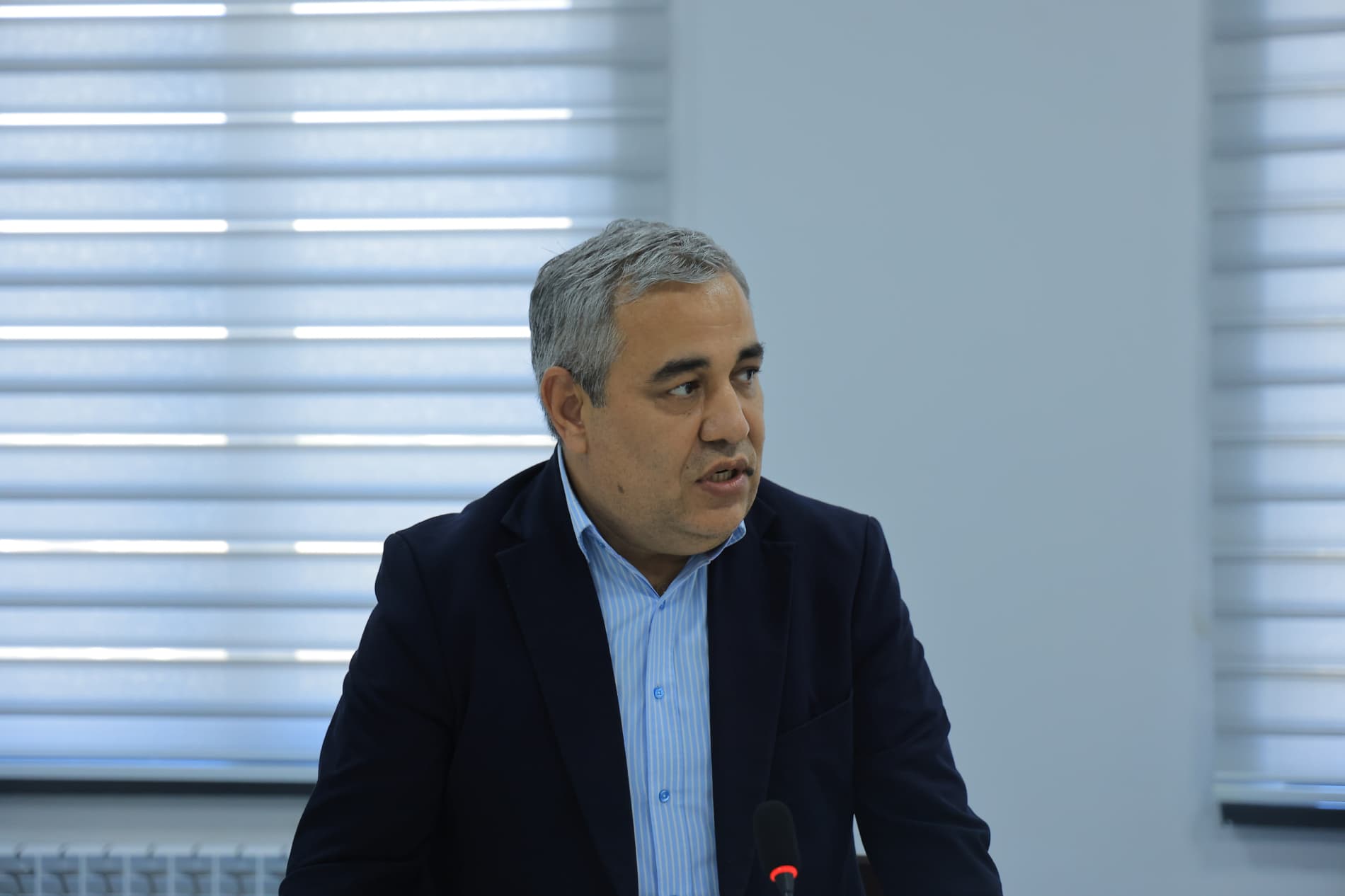
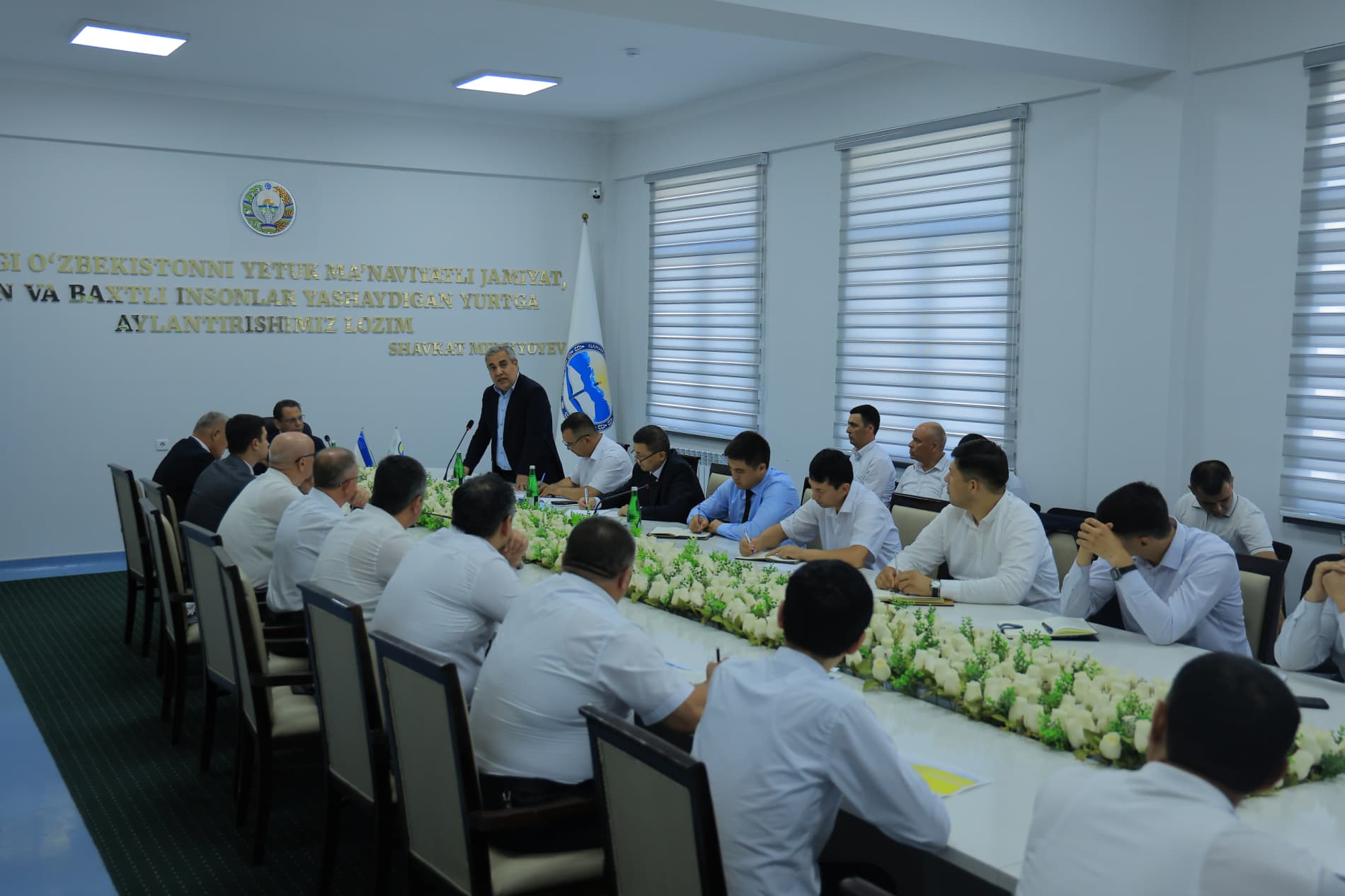
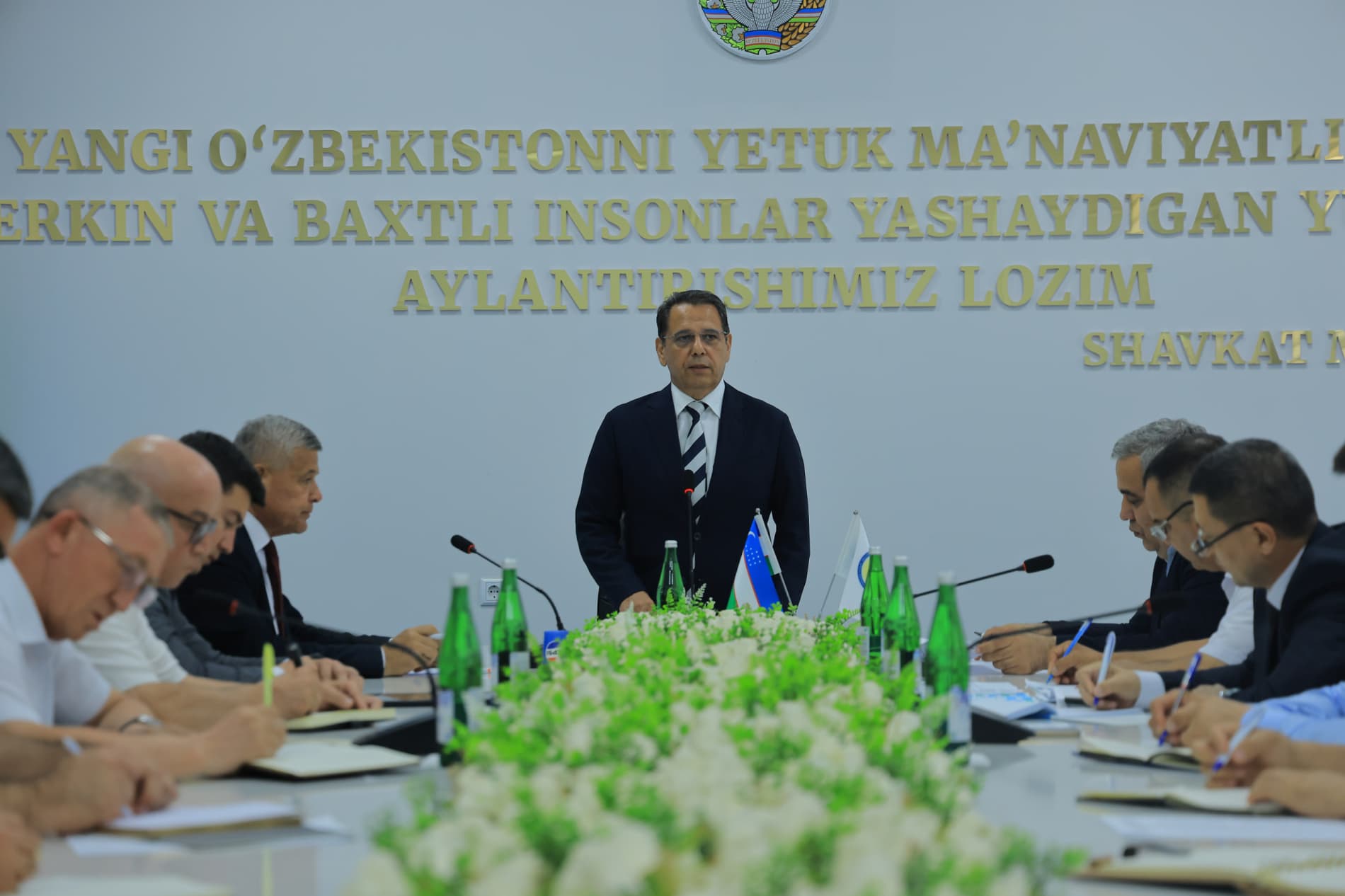
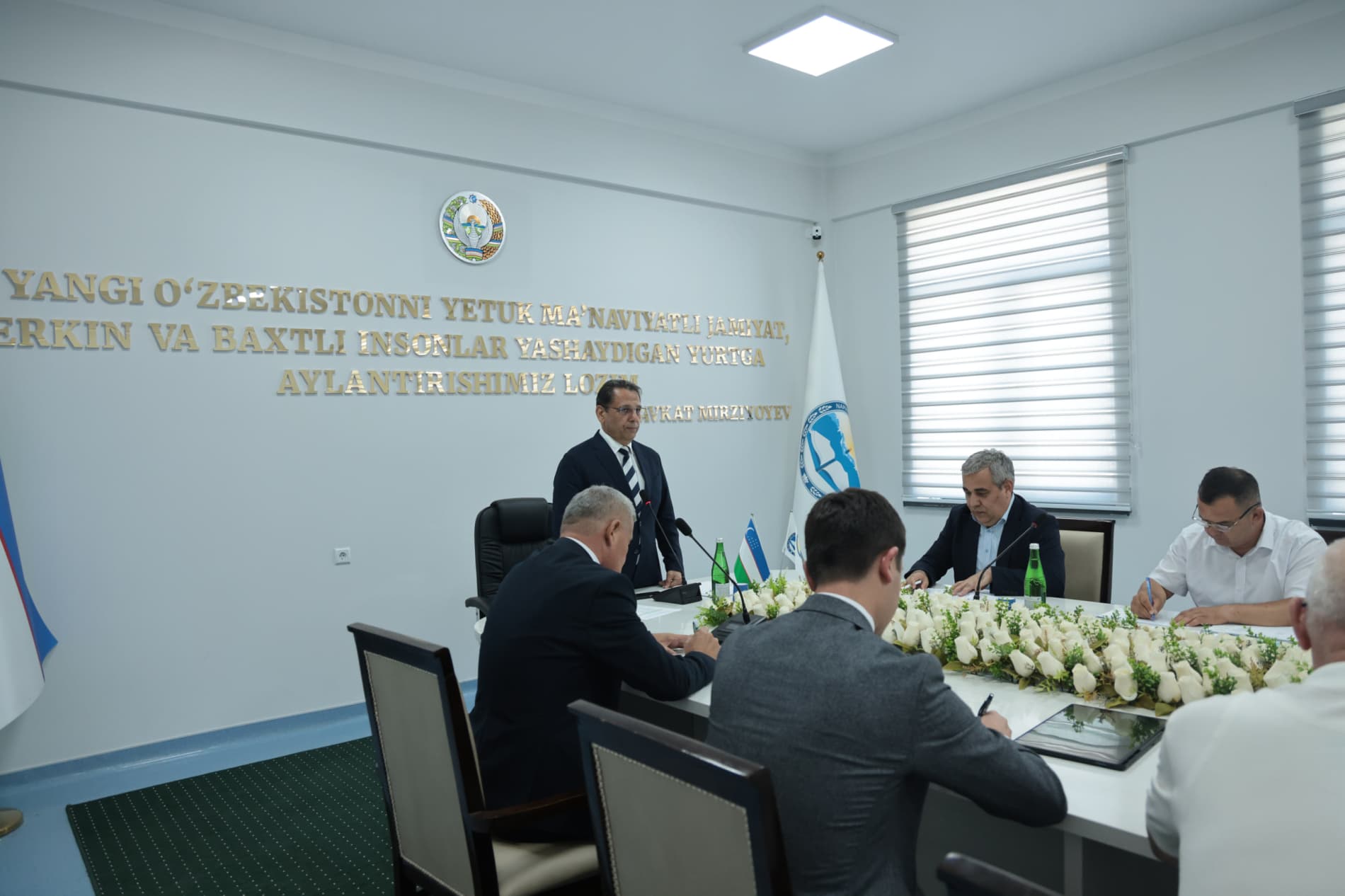

During the meeting, participants comprehensively analyzed key issues related to postgraduate education, research projects implemented under state programs, commercialization of scientific developments, startup initiatives, the activities of spin-off companies, the research capacity of academic staff, and publication activity in international scientific journals.
It was emphasized that the development of science and innovation, the training of a new generation of researchers, and the enhancement of their scientific potential are among the country's key policy priorities. In this regard, particular attention was given to the importance of research outcomes, the introduction of scientific developments into economic sectors, and their commercialization as key indicators in assessing the performance of higher education institutions.
The meeting also reviewed the results of monitoring conducted on postgraduate education programs in higher education institutions of the Namangan region, the activities of doctoral students and independent researchers, research projects carried out within state scientific programs, and the implementation of startup initiatives.
In addition, participants critically discussed several challenges, including delays in dissertation defenses at certain institutions, an insufficient number of research projects, limited commercialization of scientific developments, and inadequate efforts to establish spin-off companies.
At the conclusion of the meeting, university leaders were assigned specific tasks aimed at strengthening research capacity, improving the timely completion and defense of doctoral dissertations, increasing publication activity in internationally recognized journals, enhancing the commercialization of research outcomes, and expanding cooperation with economic sectors.
Furthermore, instructions were given to develop individual development roadmaps for research interns at each institution, increase funding attracted through contractual research agreements, and expand the share of applied research focused on addressing regional challenges in industry, agriculture, textile production, construction materials manufacturing, and environmental sustainability.