Uzbekistan and China’s Ministers of Education Discuss New Stages of Cooperation in Samarkand
2026-06-13 17:25:00 / News of ministry
As part of the visit of the delegation of the Ministry of Higher Education, Science and Innovation of the Republic of Uzbekistan to the Federal Republic of Germany, a meeting was held at Anhalt University of Applied Sciences.
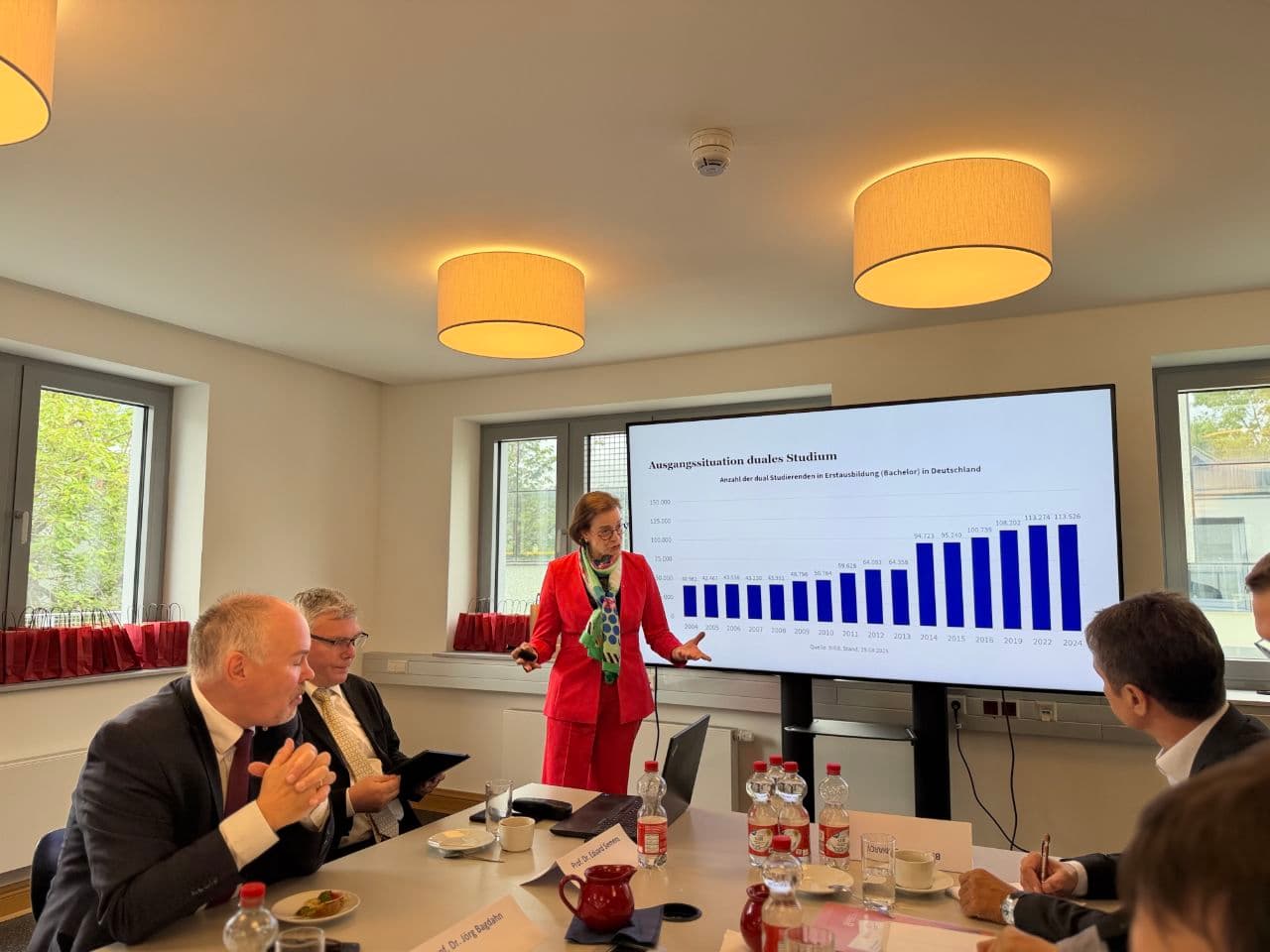
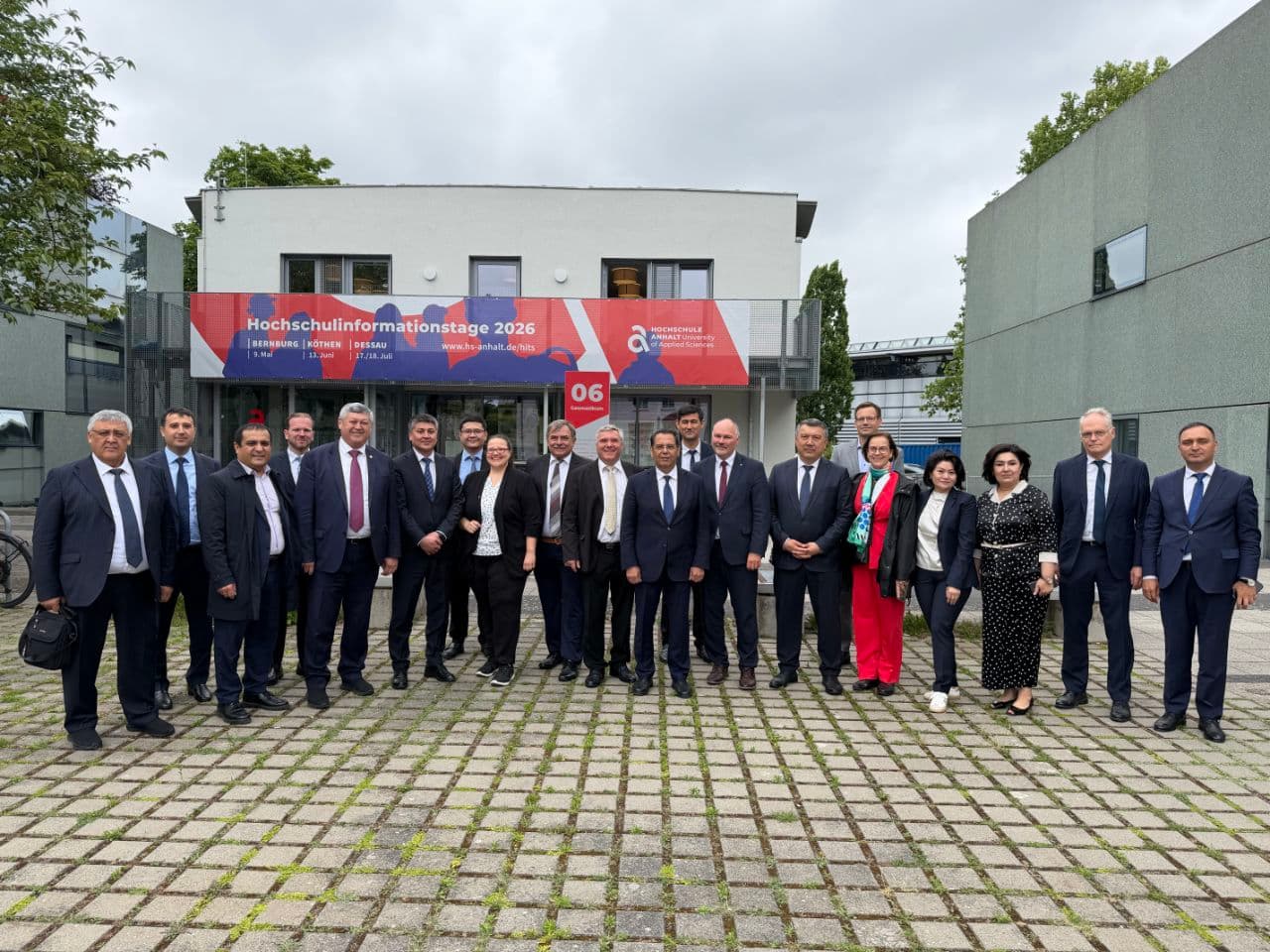
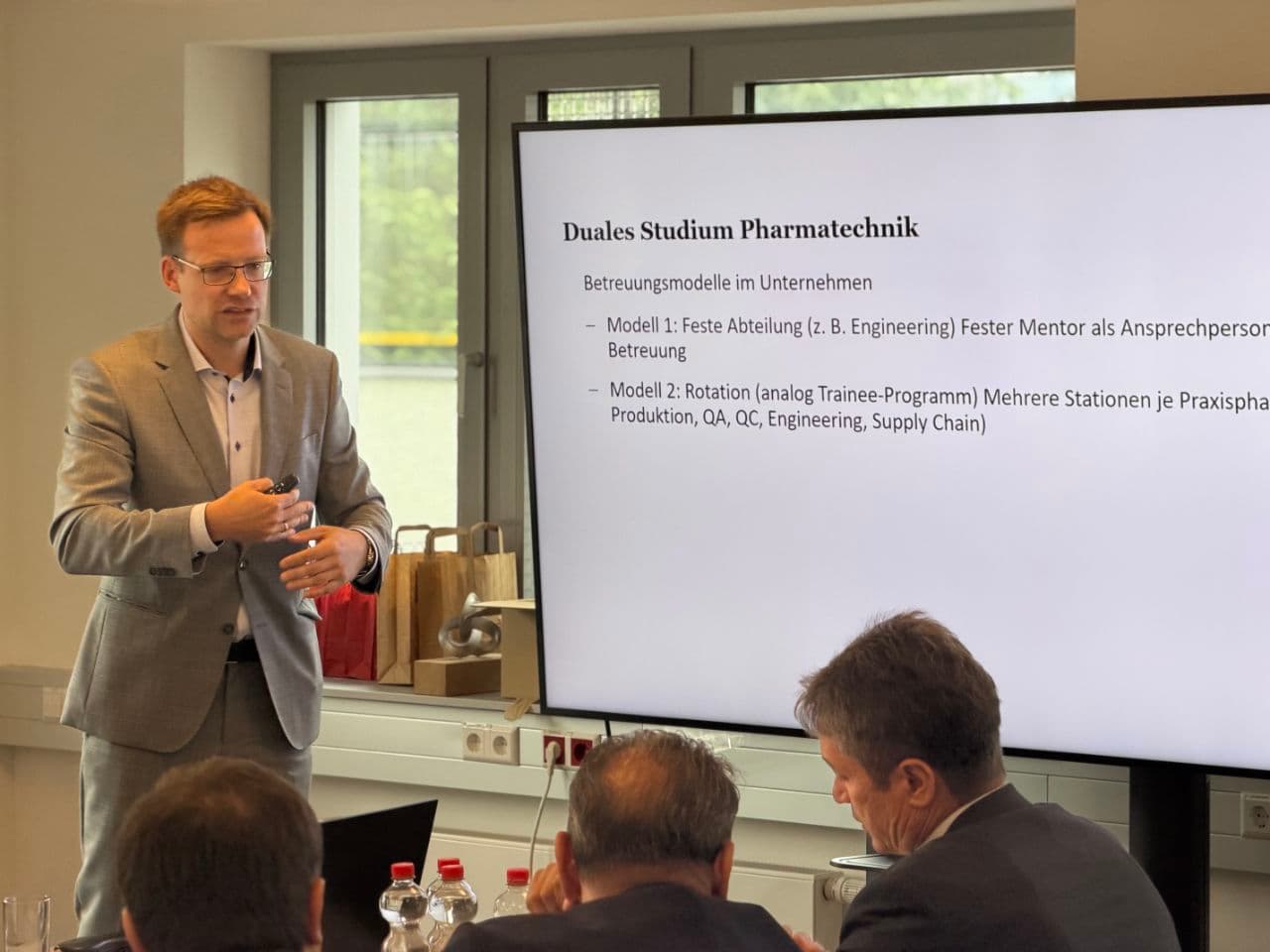
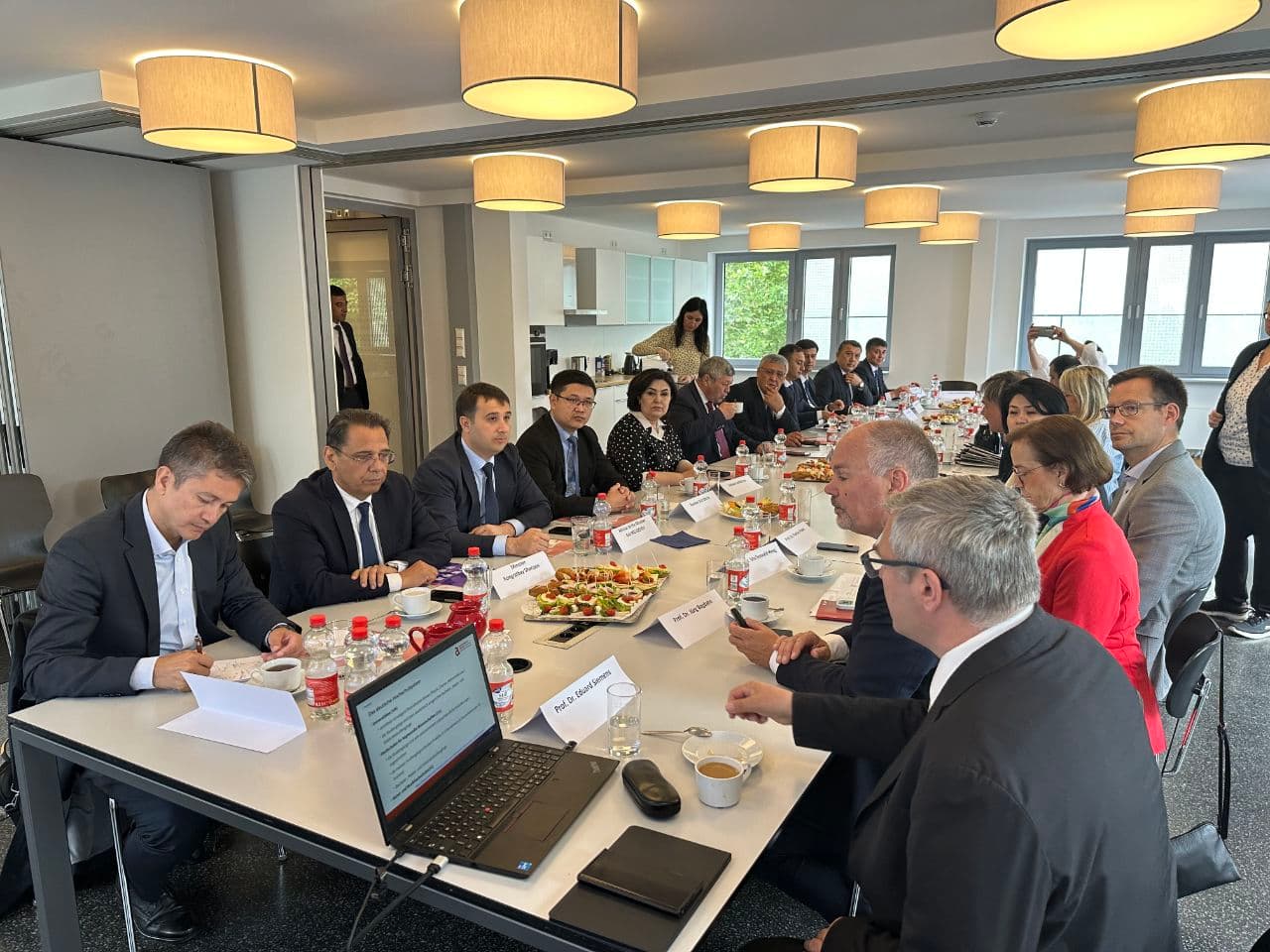
During the meeting, participants discussed mechanisms for the effective implementation of Germany’s dual education system, the institutional framework for cooperation between educational institutions and employers, best practices in integrating students’ theoretical knowledge with practical skills, and approaches to preparing highly qualified specialists who meet labor market demands.
University representatives delivered a presentation on the dual education programs implemented at Anhalt University of Applied Sciences. The presentation highlighted the key advantages of dual education, the integrated model linking academic studies with enterprise activities, and the opportunities available for students to gain practical experience and earn an income while pursuing their studies.
As noted during the presentation, the university offers a number of dual-study programs at both bachelor’s and master’s levels. Currently, the university cooperates with more than 200 partner companies and organizations, providing students with workplace-based practical training opportunities. Theoretical instruction is conducted at the university, while practical training takes place within partner organizations, with both components carefully coordinated and integrated.
The parties emphasized that Germany’s internationally recognized dual education model plays a crucial role in preparing competitive professionals capable of meeting the needs of various sectors of the economy. In this regard, close cooperation among educational institutions, employers, and government organizations is of decisive importance.
The delegation members also participated in a guided tour of the university’s infrastructure. They visited modern academic buildings, research laboratories, training and production facilities for practical instruction, student support facilities, and learned about innovative technologies and approaches applied in the educational process.
During the discussions, the participants exchanged views on further developing dual education, improving academic programs based on labor market and employer needs, expanding academic mobility opportunities for faculty members and students, and implementing joint educational programs and research projects.