Uzbek Delegation Explores the Activities of the Bavarian Chamber of Skilled Crafts
2026-06-11 15:00:00 / News of ministry
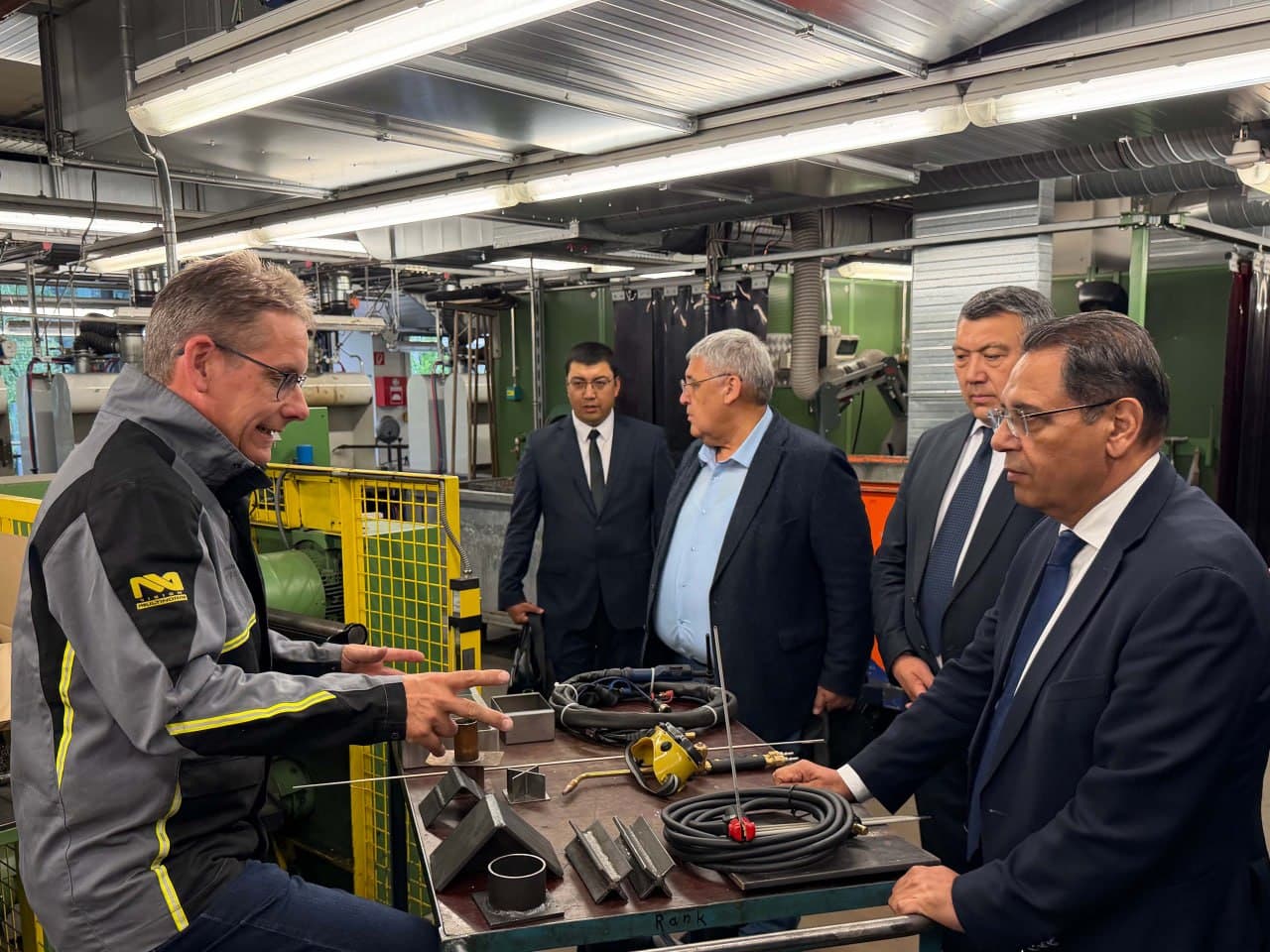
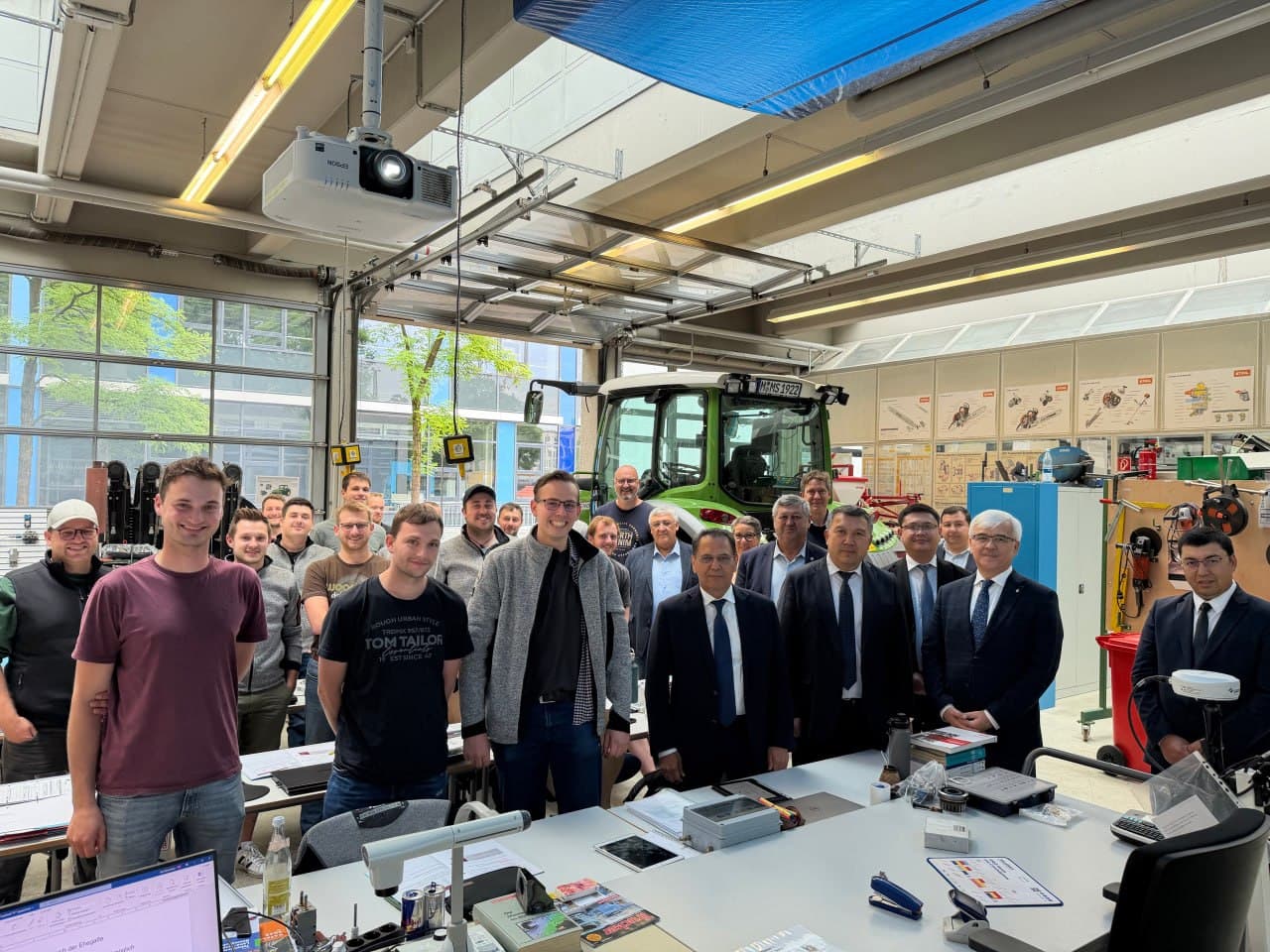
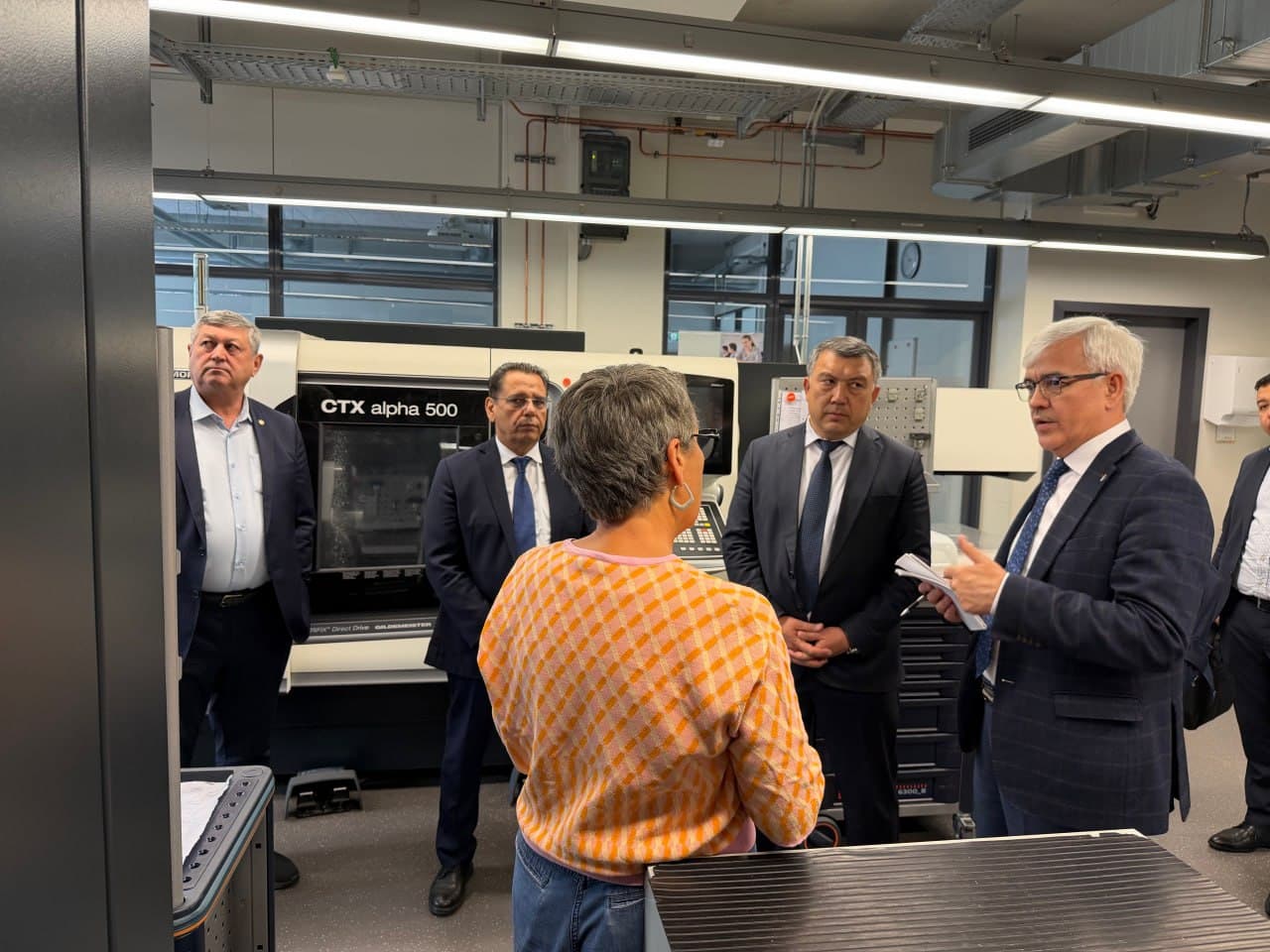
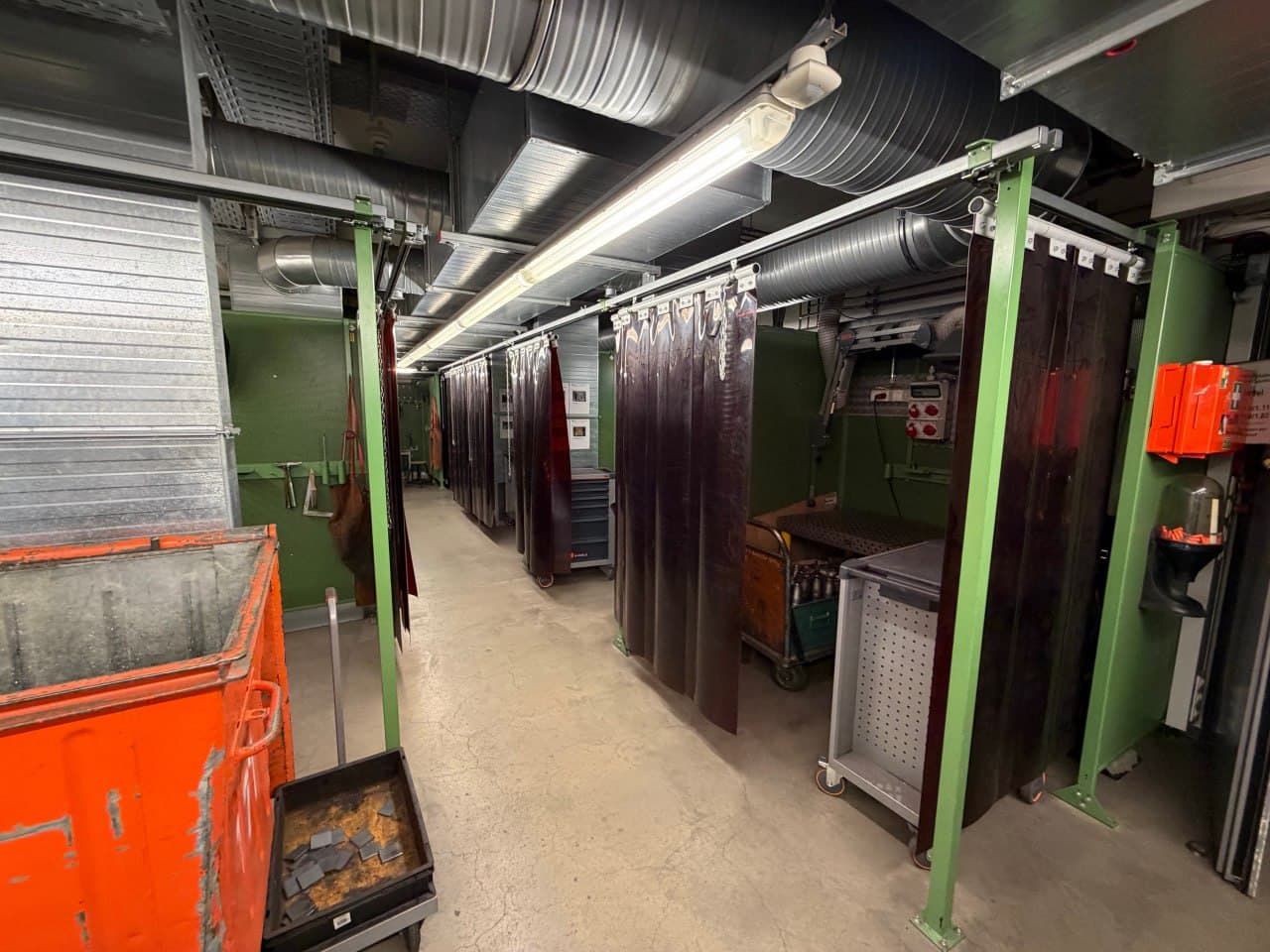
The Chamber of Skilled Crafts for Munich and Upper Bavaria is one of the largest chambers of skilled crafts in Germany. It represents more than 80,000 craft enterprises and small businesses, employing over 450,000 people.
Each year, the Chamber provides vocational education and professional development programs for more than 30,000 students and specialists. Its Training Center offers practical training in over 30 fields, including automotive engineering, electrical engineering, construction, woodworking, metalworking, sanitary systems, and energy technologies.
In Germany, the dual education system serves as the primary model of vocational training, with approximately two-thirds of students enrolled in this system. Under this model, theoretical knowledge is acquired at educational institutions, while practical skills are developed directly within companies. This approach plays a crucial role in helping young people adapt quickly to labor market requirements and ensuring high graduate employability.
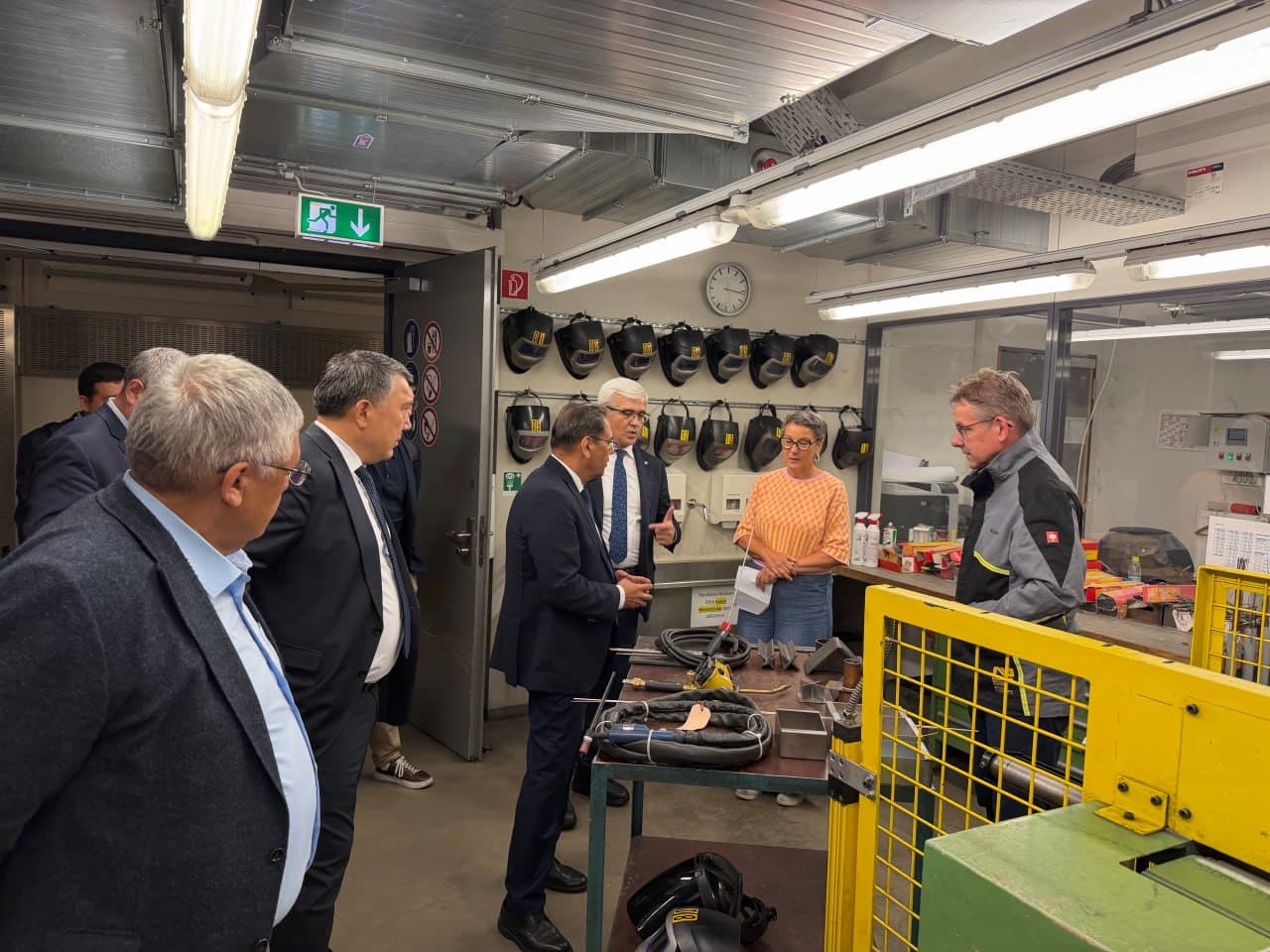
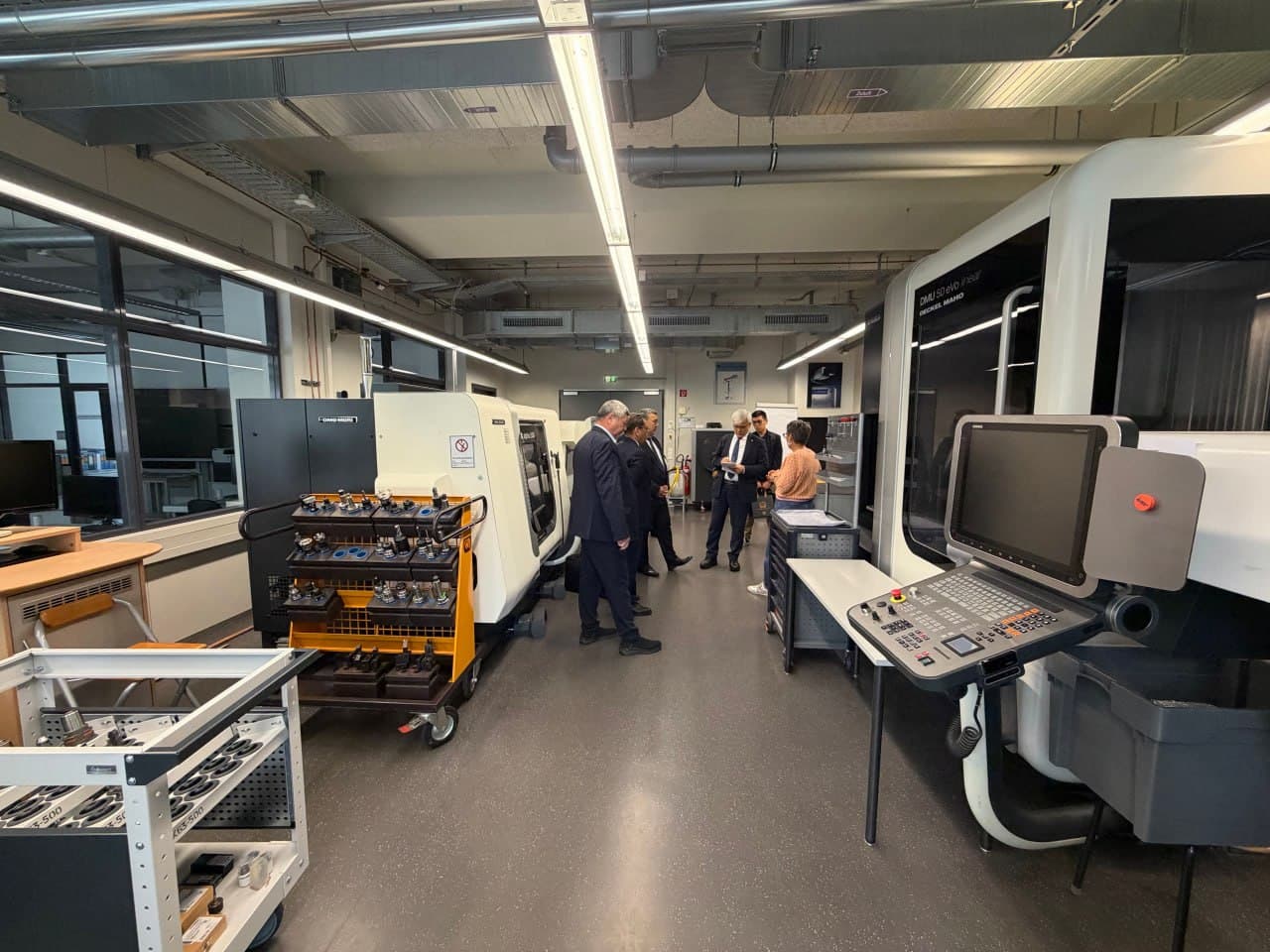
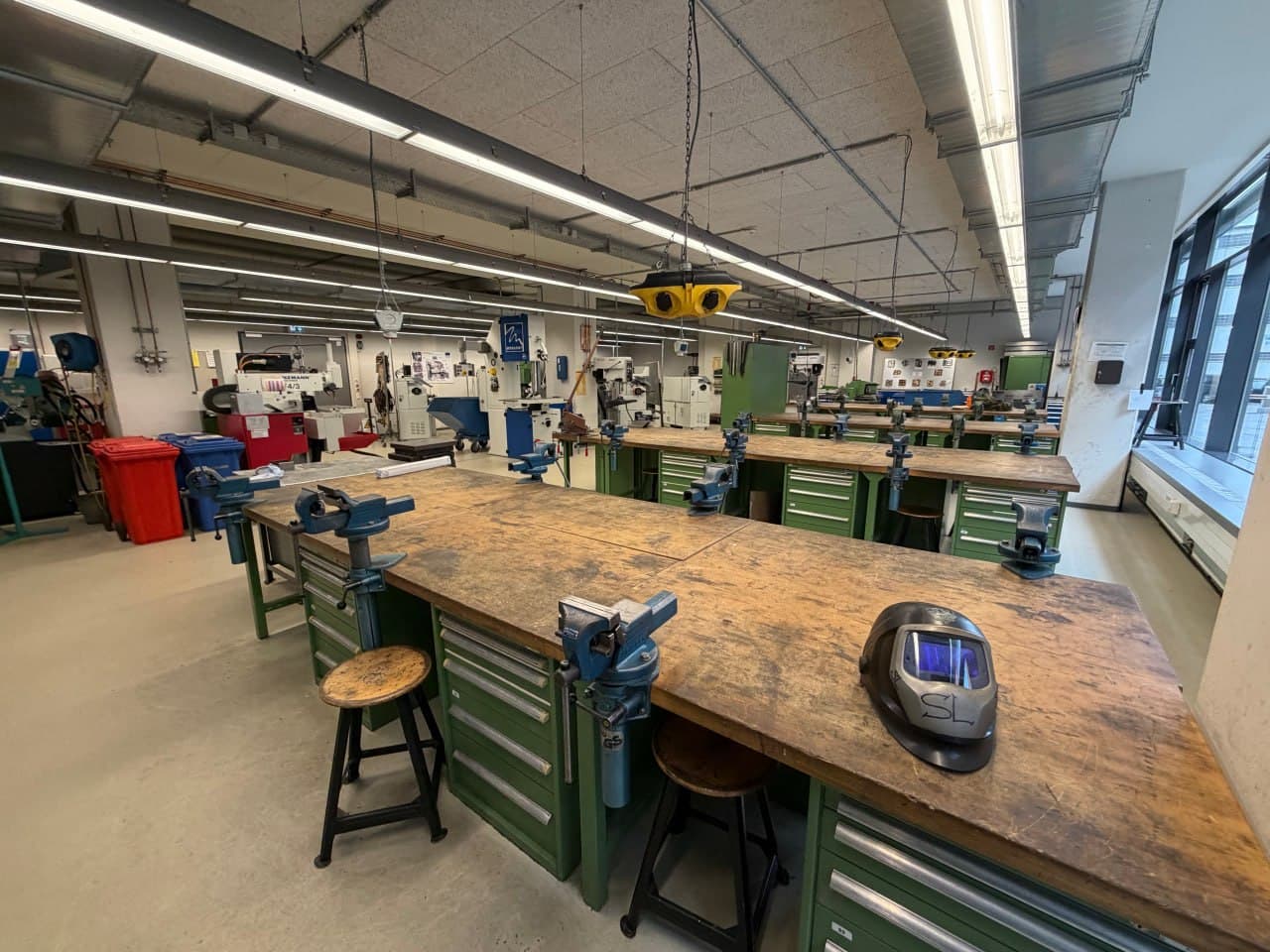
During the visit, the delegation members familiarized themselves with the center’s activities, its modern infrastructure and technical facilities, training laboratories and workshops, as well as its practice-oriented system for preparing specialists in engineering, technical, and skilled crafts professions.
Particular attention was paid to Germany’s experience in dual education, cooperation mechanisms between educational institutions and employers, and approaches to training highly qualified specialists in line with labor market demands.
Representatives of the Training Center provided detailed information on vocational education and professional development programs, competency assessment systems, the integration of modern technologies into the educational process, and effective mechanisms for workforce development in industry and service sectors.
In turn, the Uzbek side put forward a number of proposals aimed at strengthening cooperation in the fields of vocational and dual education. In particular, the parties discussed the introduction of advanced German educational programs into the curricula of Uzbekistan’s vocational and technical higher education institutions, the establishment of joint programs for workforce training and professional development of academic staff, the expansion of practice-oriented education, and the implementation of joint projects designed to strengthen cooperation between educational institutions and employers.