Regular Board Meeting of the Ministry of Higher Education, Science and Innovation Held in Kokand
2026-03-02 11:05:00 / News of ministry
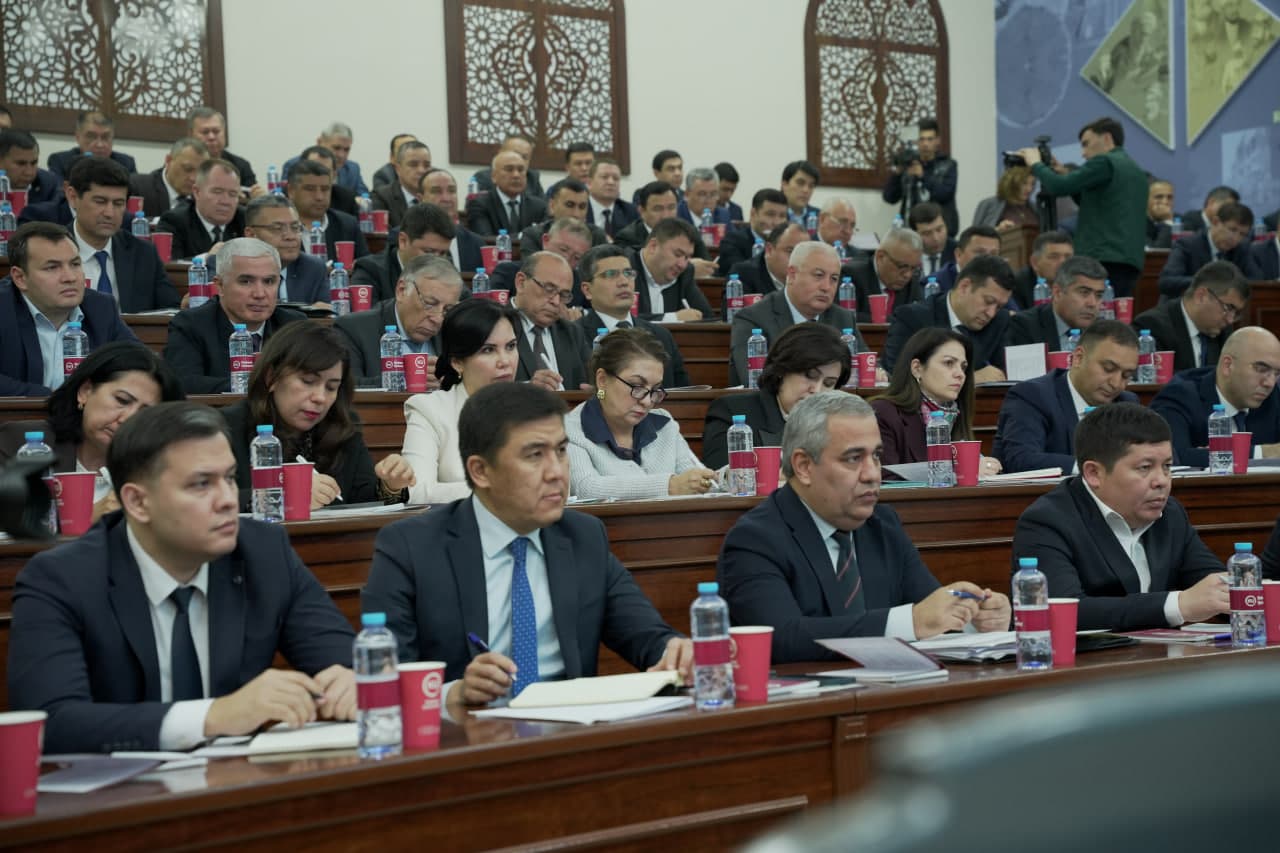
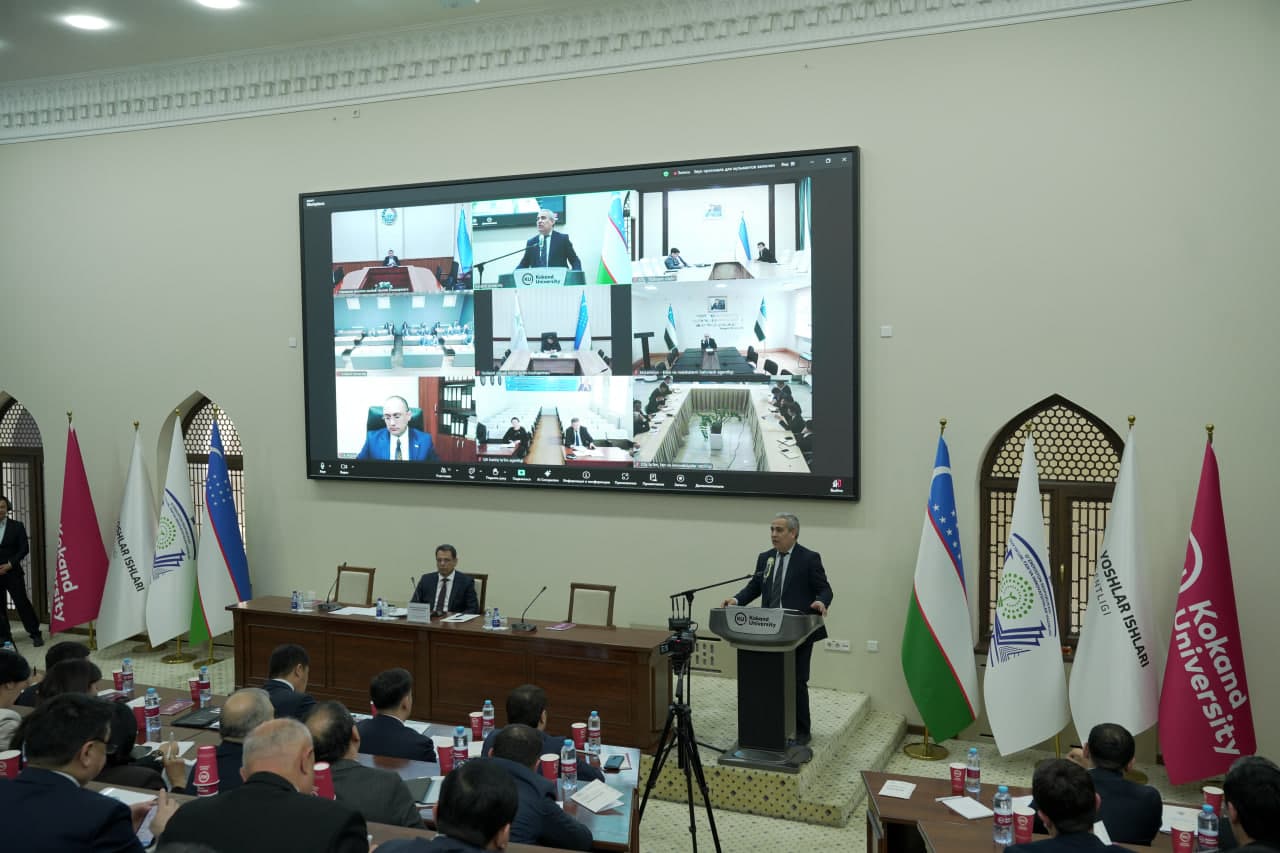
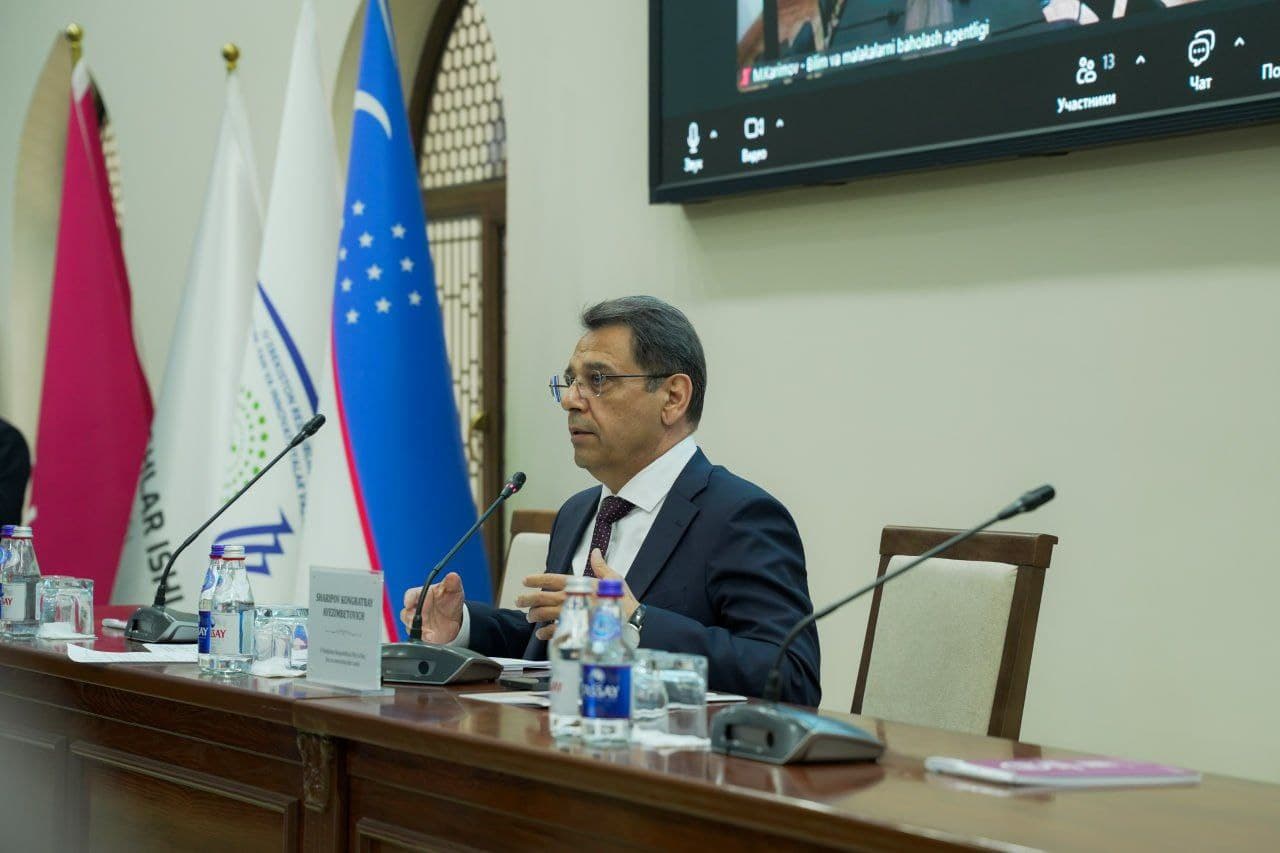
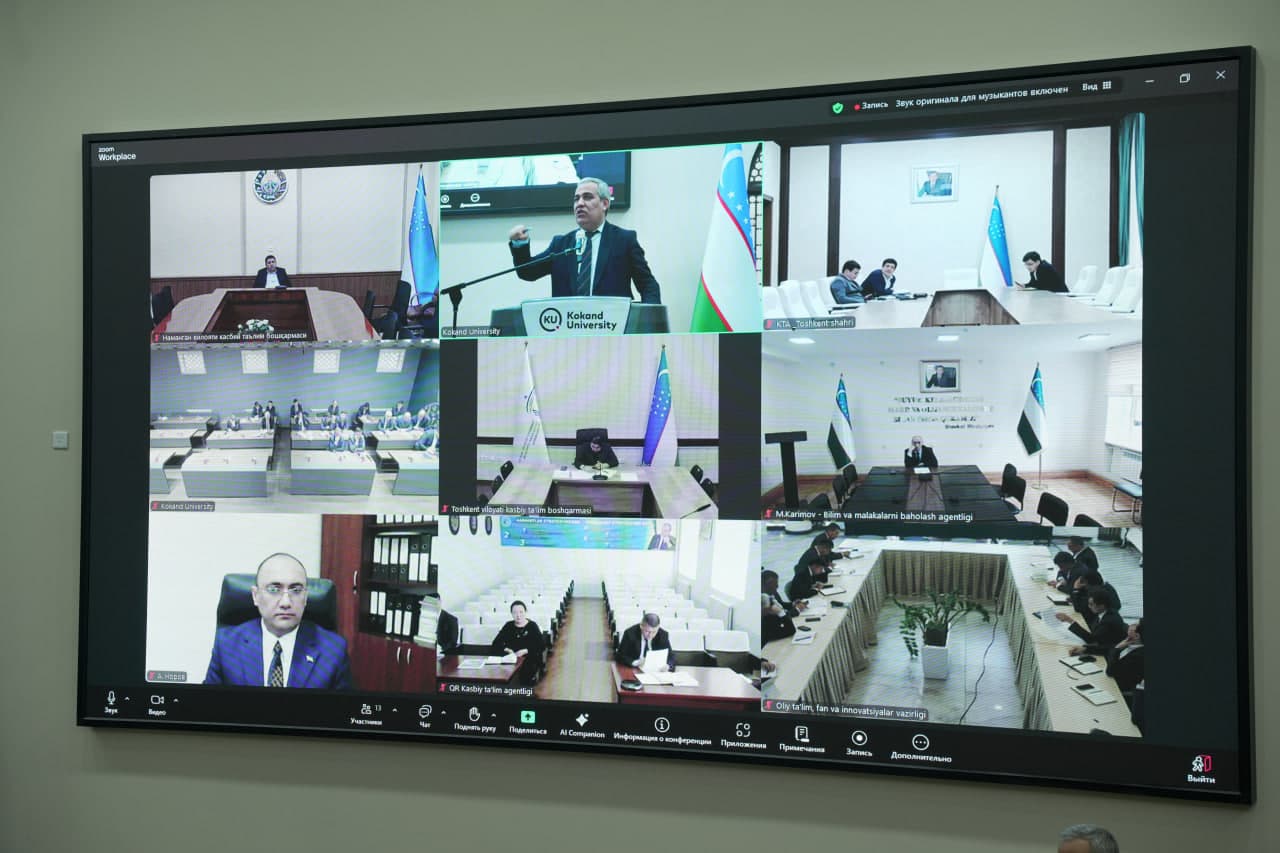
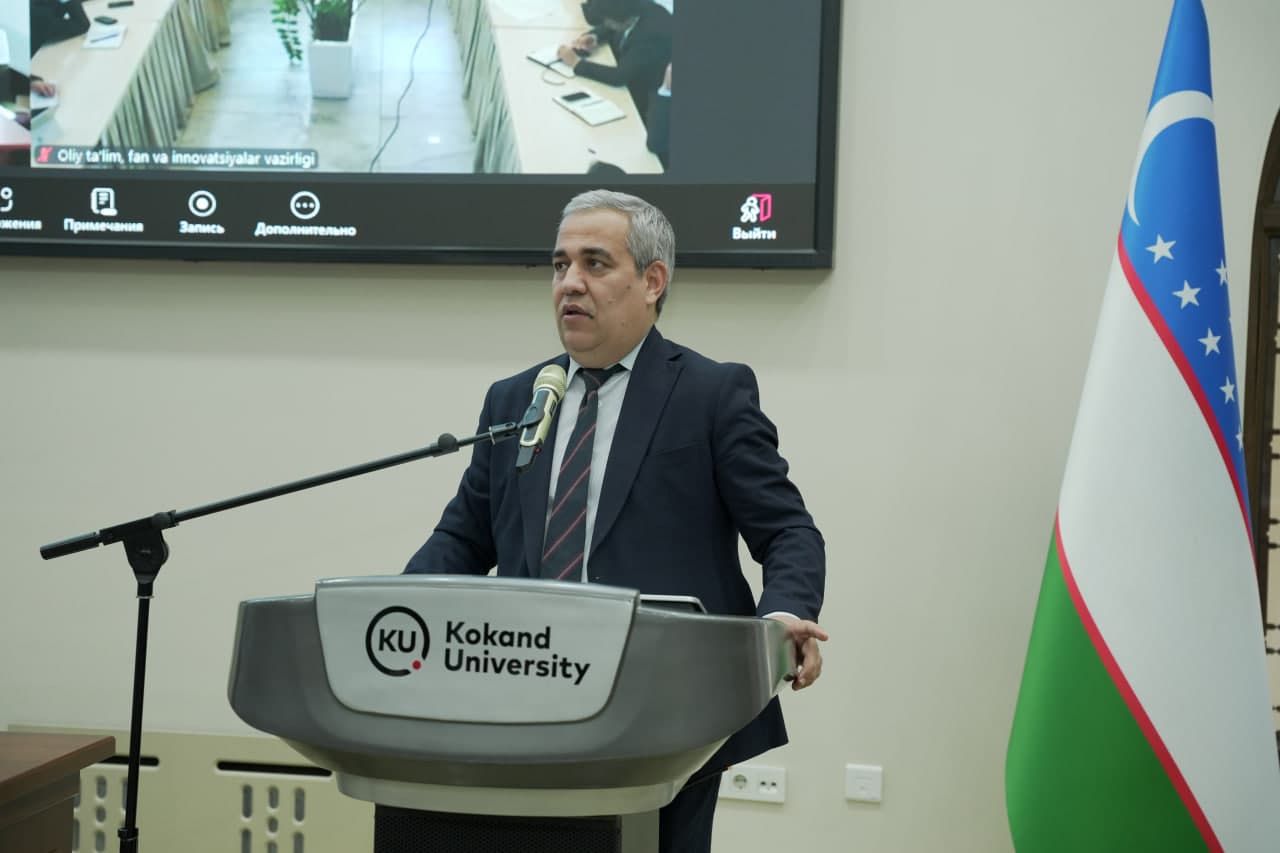
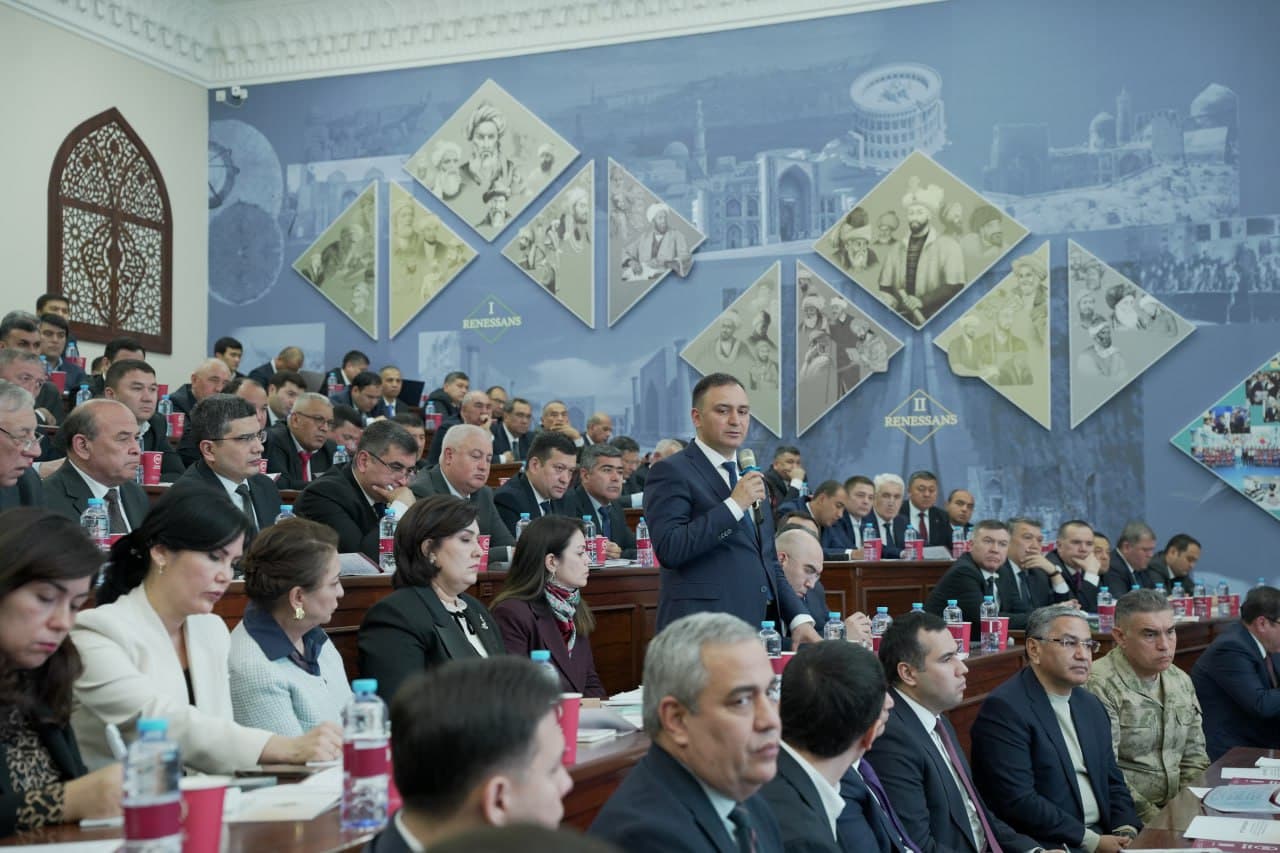
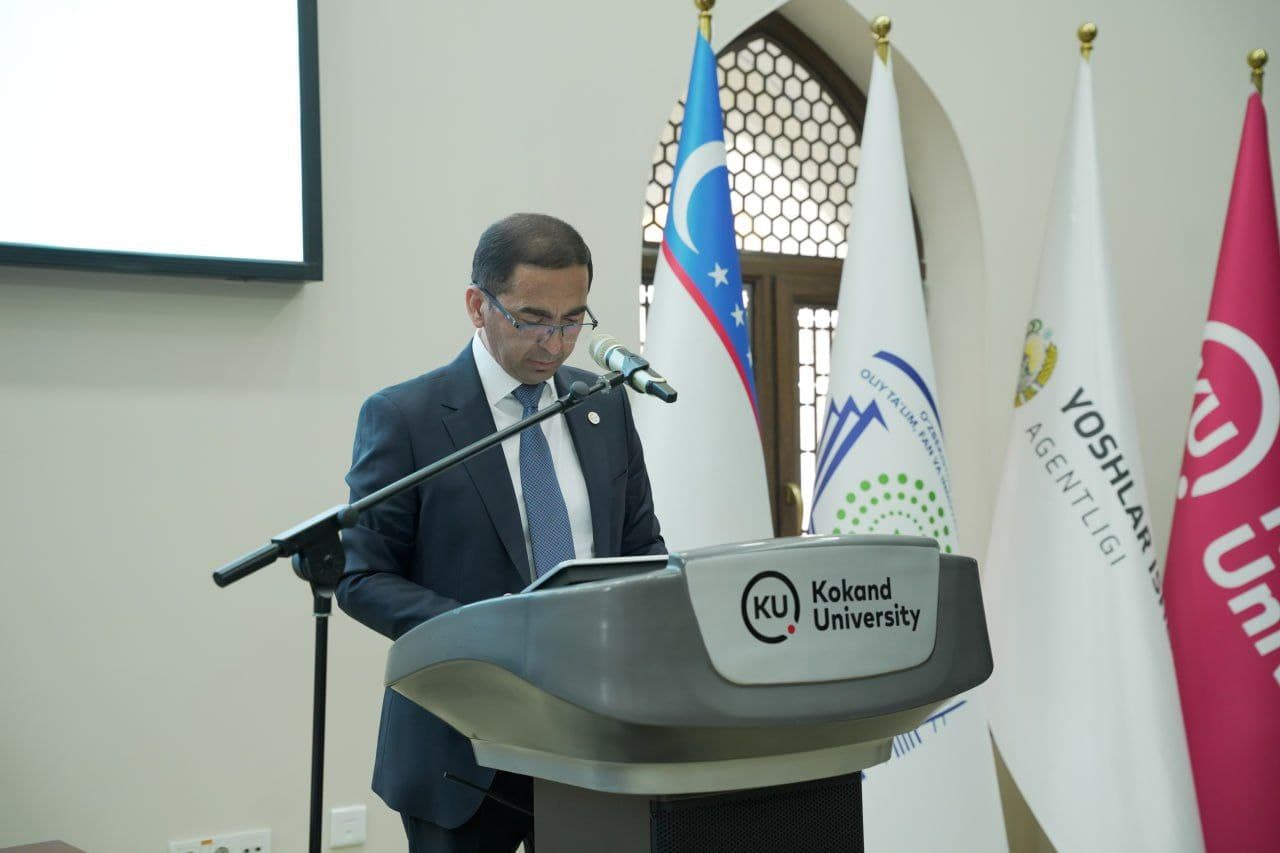
The agenda covered priority tasks for 2026, implementation of state programmes, reforms in vocational and higher education, scientific and innovation activities, and graduate employment.
At the beginning of the meeting, participants reviewed implementation measures related to the State Programme “Year of Mahalla Development and Community Advancement,” approved by Presidential Decree No. PF-22 dated 16 February 2026. It was noted that key priorities for 2026 include transitioning the economy to a technological and innovation-driven growth model, developing professional skills, and forming a new labour market architecture.
Accordingly, universities were instructed to allocate at least 10% of funds retained under the “Digital Startups” programme to the development of incubation centres, establish artificial intelligence laboratories in 16 higher education institutions, and implement more than 100 AI projects. Broad involvement of students, young researchers, neighbourhood youth, technical college students and technopark residents in laboratory activities, as well as preparation of methodological materials, was also mandated.
Within the framework of the “Uzbekistan – 2030” Strategy, specific targets for 2026 were defined: increasing higher education enrolment to 45%, raising the number of internationally accredited programmes to 133, expanding joint programmes with TOP-500 ranked foreign universities to 18, and increasing the share of faculty members holding academic degrees to 53%.
Shortcomings identified in 2025 were analysed and the responsibility of institutional leaders was emphasized. The need to organize rectors’ forums with foreign partners and ensure the practical effectiveness of each agreement was highlighted.
The second agenda item addressed challenges in the vocational education system and priorities for 2026. Plans were announced to increase the number of technical colleges implementing international education programmes to 100. Regions with low performance were criticized, and each region was instructed to introduce international training programmes in at least five occupations. A zero-tolerance approach to corruption and financial violations was reaffirmed.
The third item focused on strengthening research and innovation activities in higher education institutions, implementing science-based projects within communities, and ensuring integration of “education – science – industry”.
A proposal was also put forward to designate 2026 in the sector as the “Year of Socio-Economic Regional Development through Higher Education, Science and Innovation”.
The fourth agenda item addressed graduate employment and digitalization. In the 2024/2025 academic year, 237,939 graduates received diplomas, but a systematic employment approach remains insufficient.
Universities were instructed to strengthen Career Center operations, create targeted lists of unemployed graduates, finance business initiatives under the “Step into the Future” programme, and reduce the number of unemployed graduates within two months.
Additionally, tasks included the full launch of the career.edu.uz platform, resolving unverified diploma issues in the diplom.edu.uz system, implementing Face-ID systems in 17 universities, strengthening cybersecurity, and introducing digitalization KPIs.
The meeting concluded with instructions to organize cultural and educational events for Navruz and International Women’s Day, effectively hold every Thursday as “Youth Day,” involve more than 550,000 students in domestic tourism under the “Travel Across Uzbekistan” programme, and develop summer “Educational Tourism – New Knowledge, New Experience” initiatives.
At the end of the meeting, all leaders were given strict instructions to ensure timely and high-quality implementation of the assigned tasks.