Press Conference Dedicated to the “Uzbekistan – 2030” Strategy Held
2026-02-20 16:00:00 / News of ministry
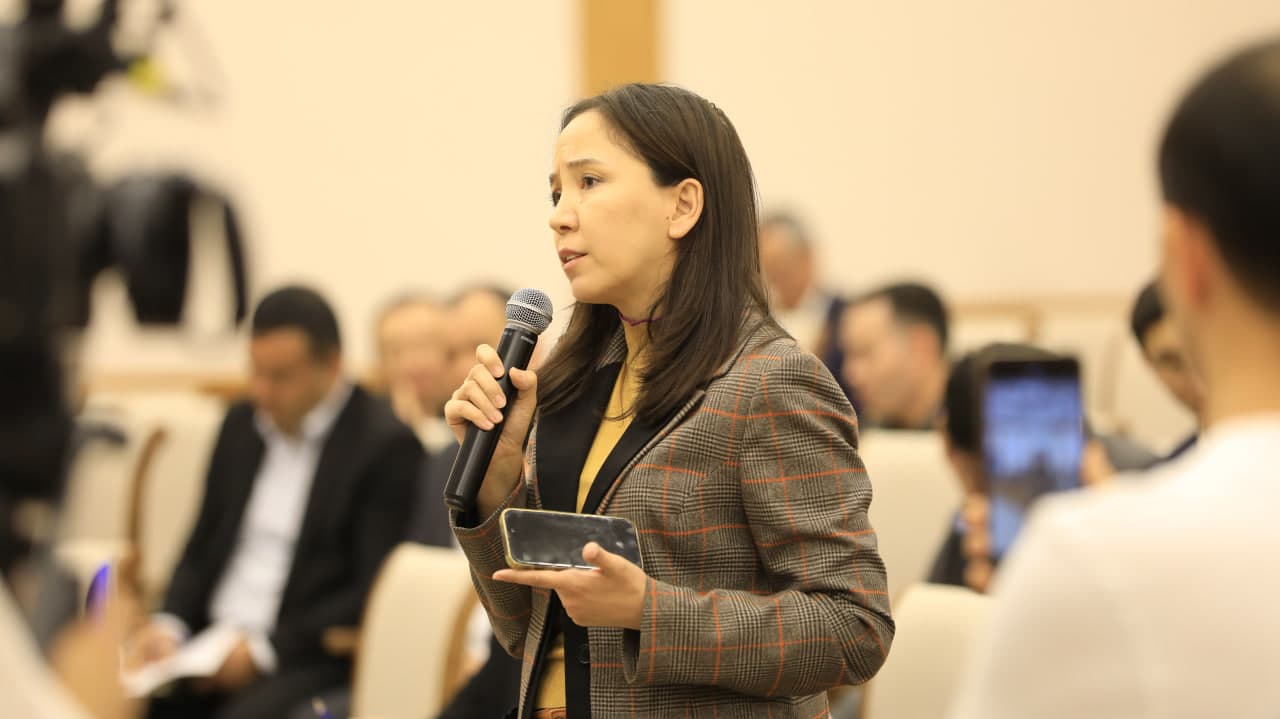
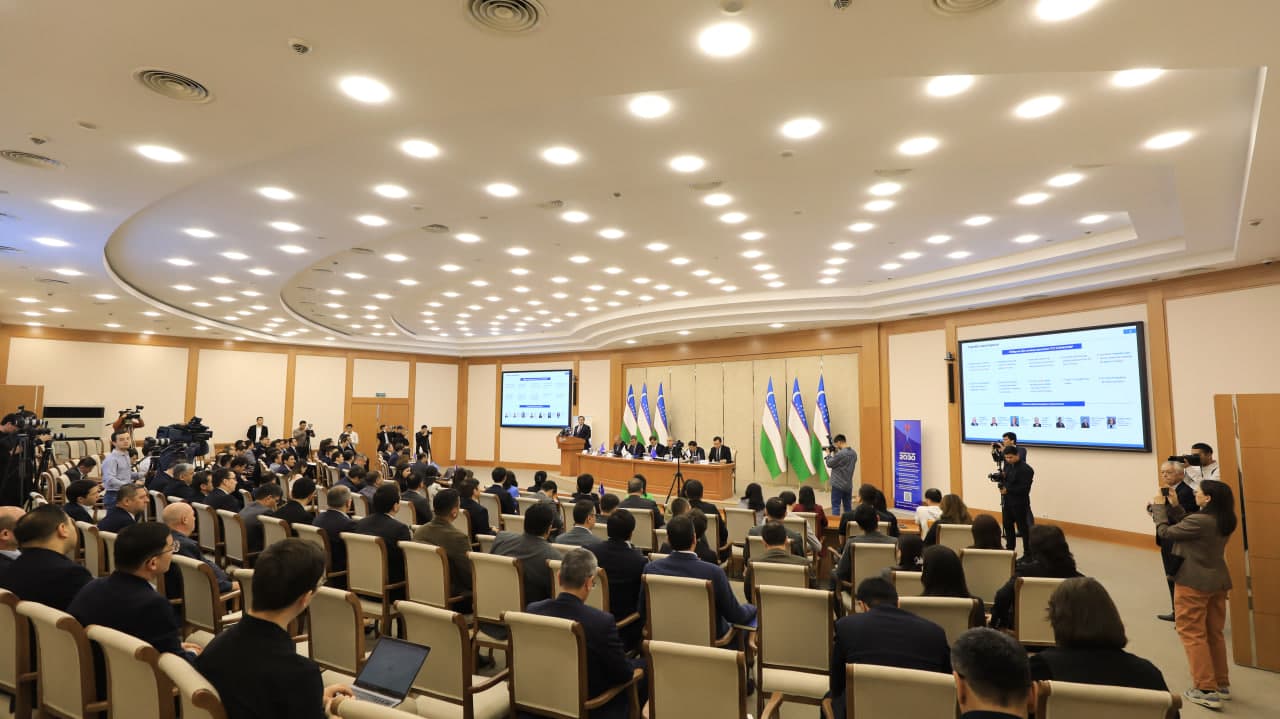
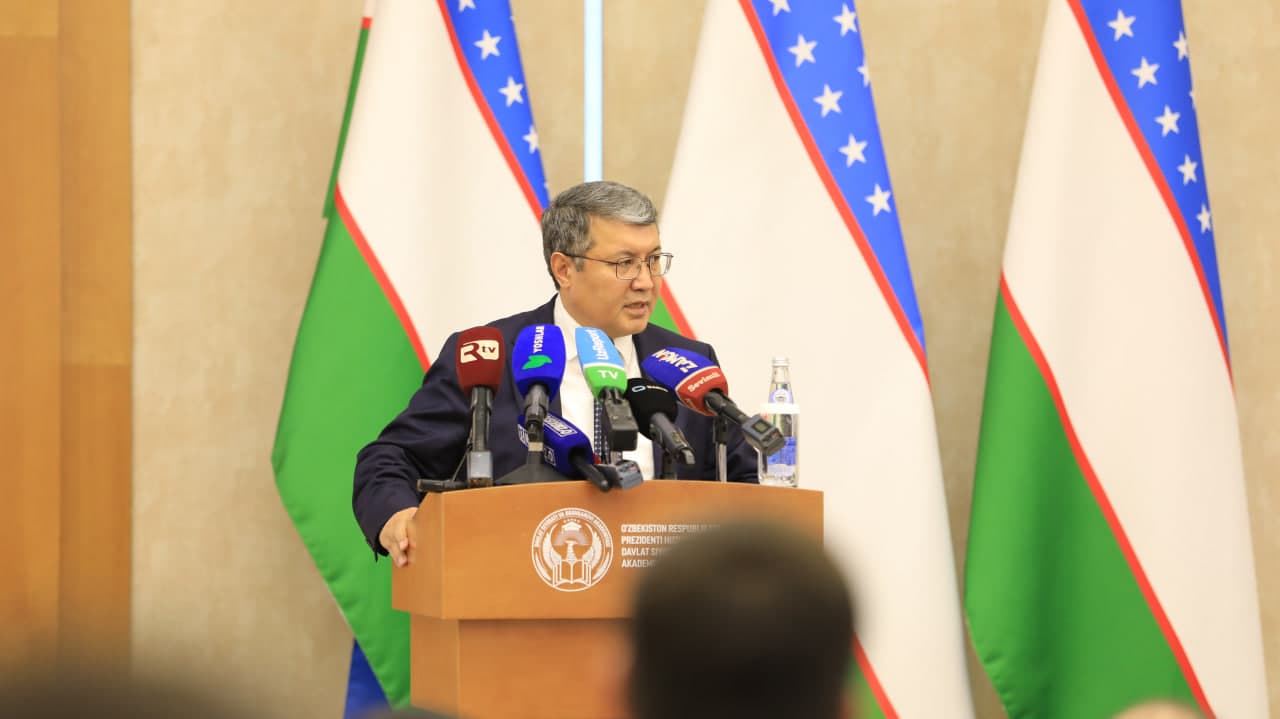
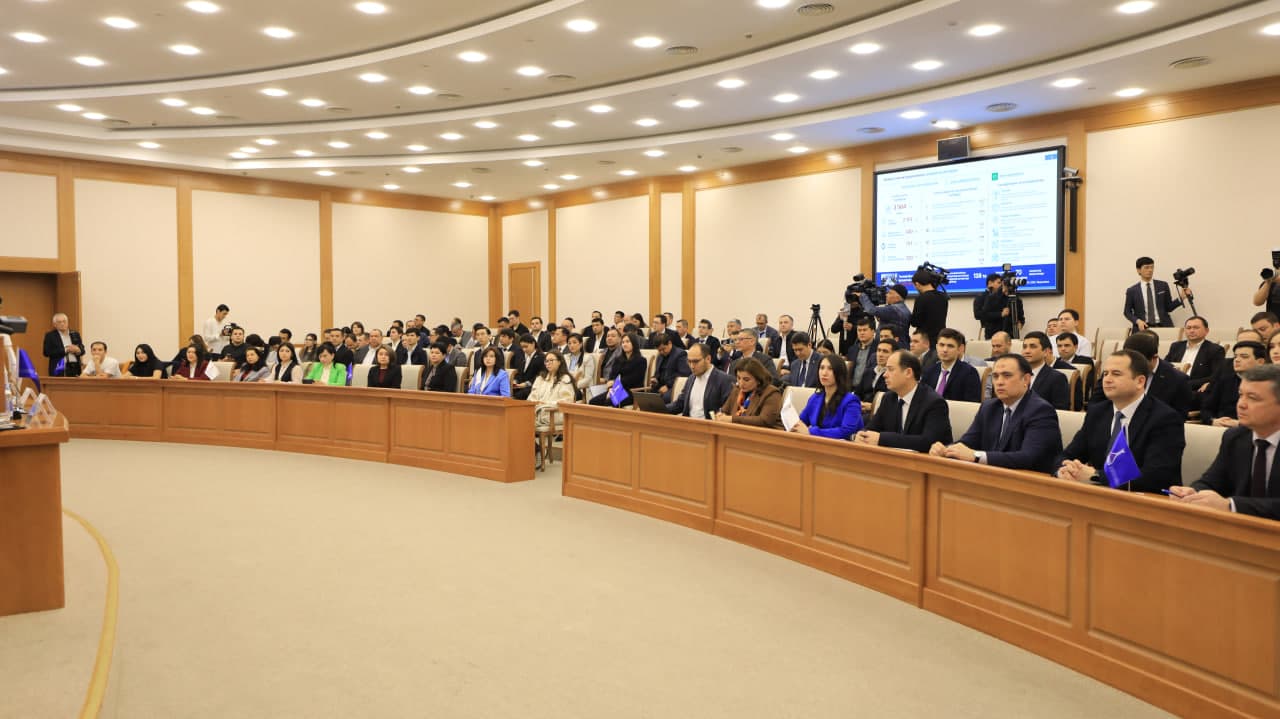
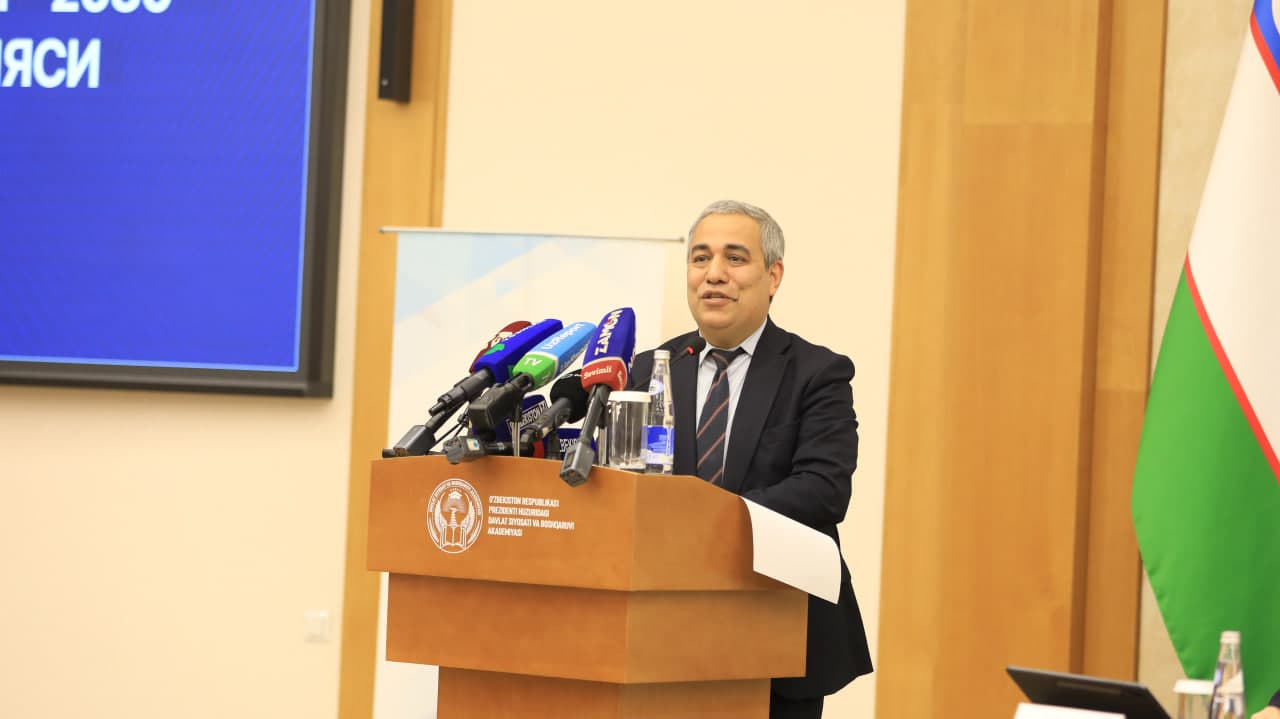
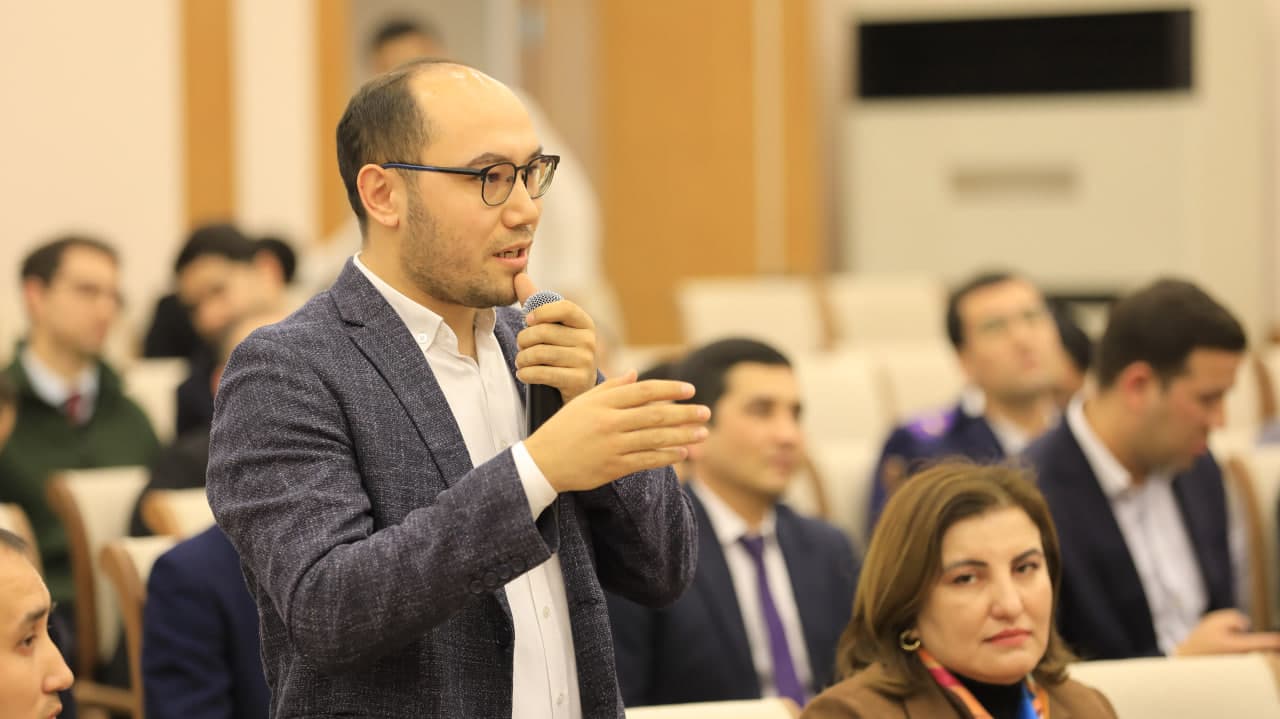
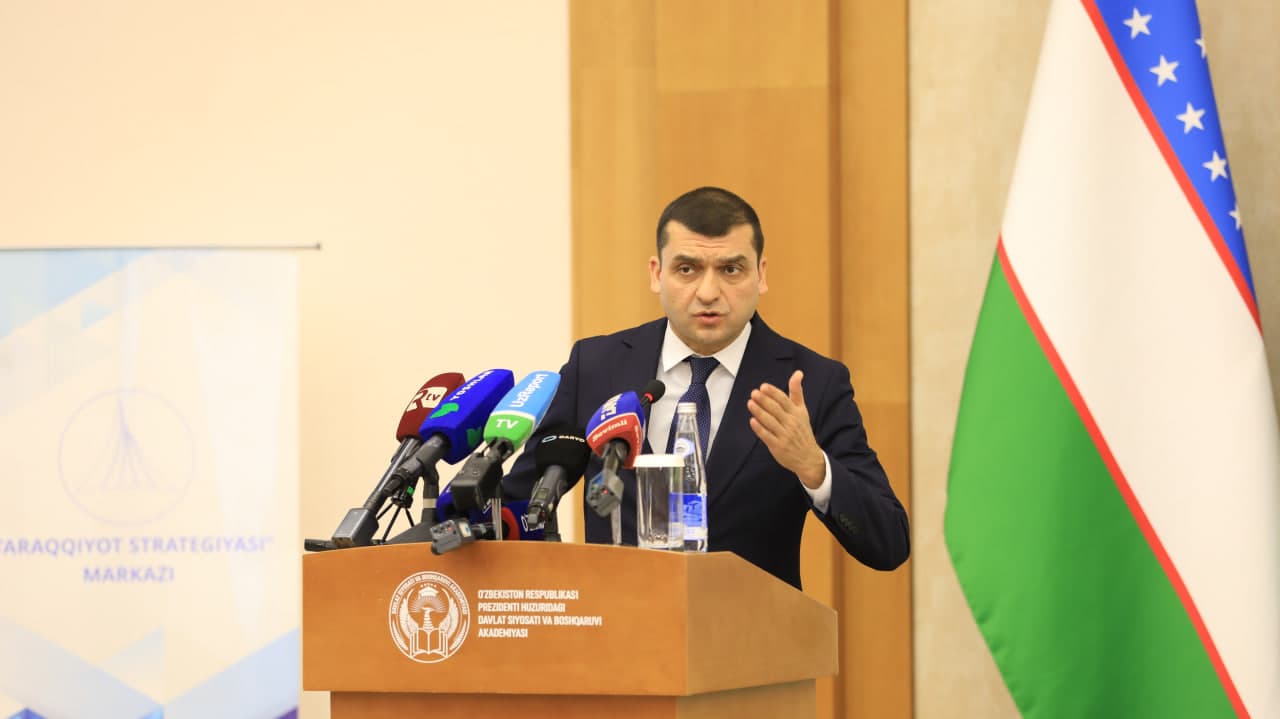
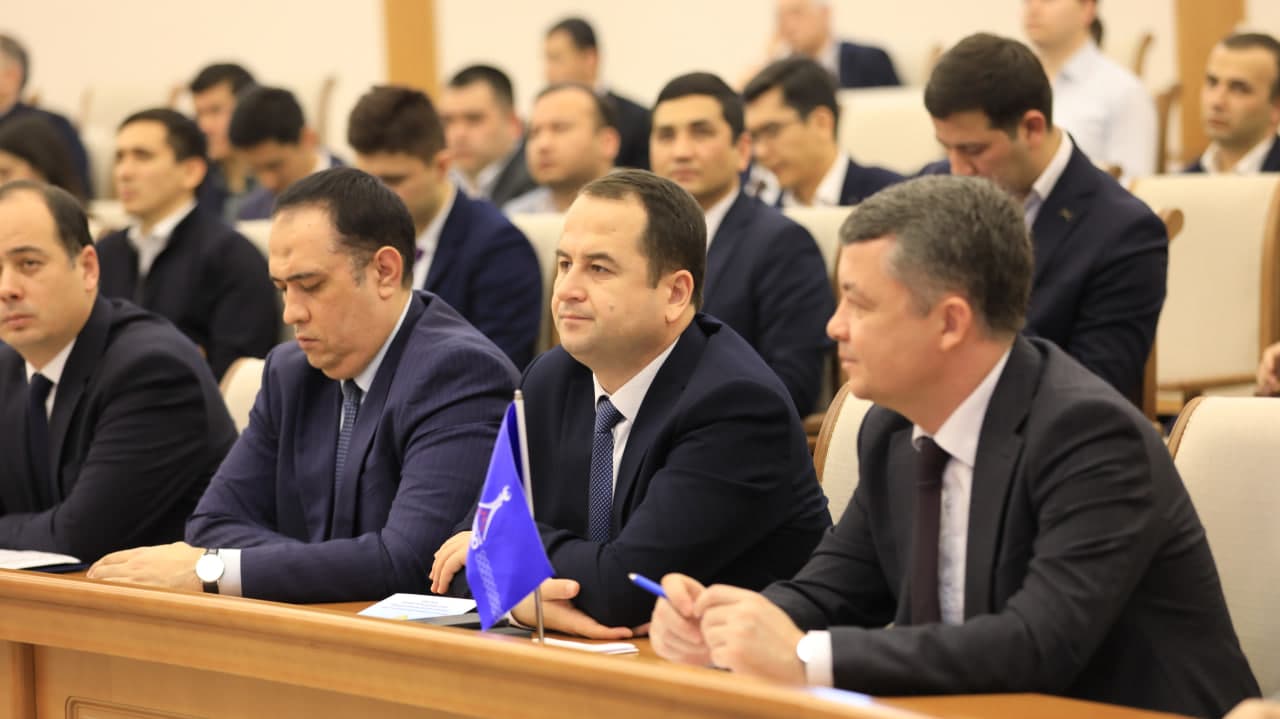
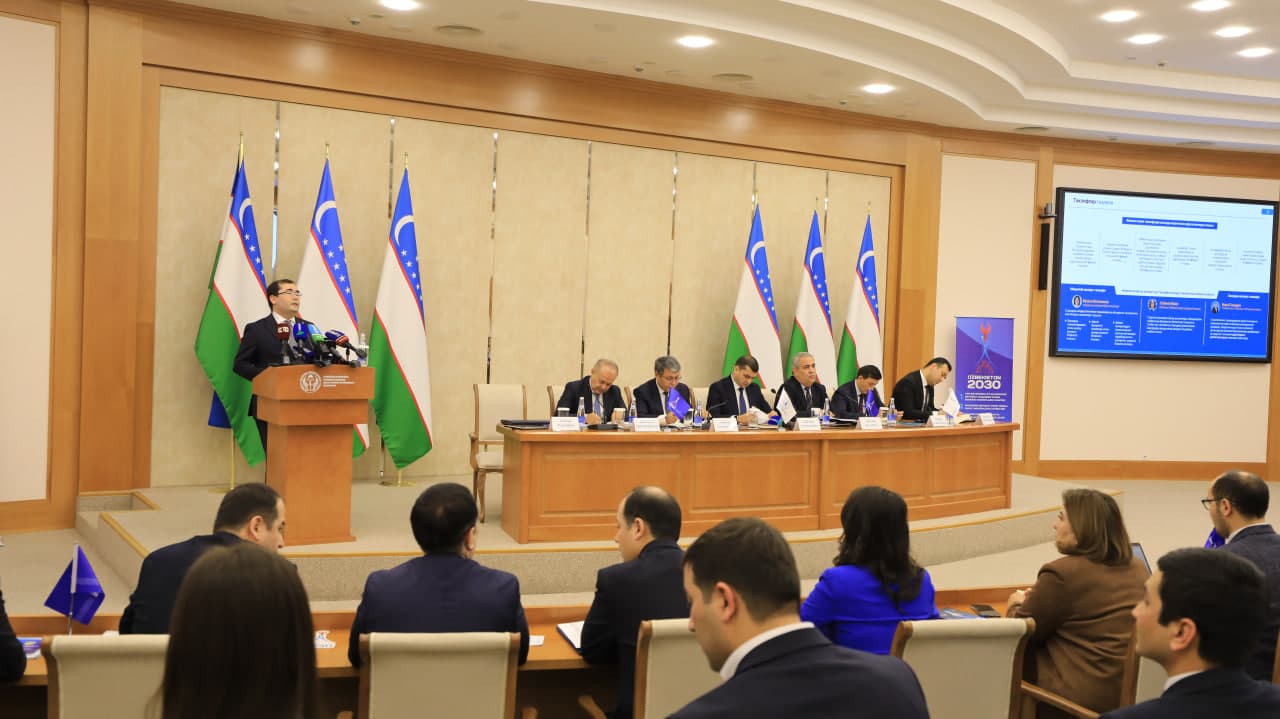
The event was attended by Minister of Justice Akbar Toshqulov, Minister of Health Asilbek Khudayarov, Deputy Minister of Higher Education, Science and Innovations O‘ktam Salomov, Deputy Minister of Economy and Finance Umid Abidxo‘jayev, Deputy Chair of the National Committee on Ecology and Climate Change Iskandar Qutbiddinov, First Deputy Director of the Agency for Strategic Development and Reforms Abdulla Abduqodirov, Executive Director of the Development Strategy Center Eldor Tulyakov, and Chairman of the nationwide “Yuksalish” Movement and Legislative Chamber Deputy Bobur Bekmurodov.
As emphasized during the conference, Presidential Decree No. PF–21 dated February 16, 2026, serves as a solid legal foundation for the consistent implementation of the “Uzbekistan – 2030” Strategy and represents a historic milestone marking a new stage in national development.
The Decree outlines more than 100 strategic development goals. It also clearly defines the personal responsibility of each ministry, agency, and region in implementing reforms, thereby establishing a new results-oriented governance model with clear performance indicators and accountability mechanisms.
Within the framework of the “Uzbekistan – 2030” Strategy, the Ministry of Higher Education, Science and Innovations has been designated as the lead agency responsible for seven strategic objectives aimed at modernizing the education system, strengthening scientific capacity, and fostering an innovation-driven economy.
By 2030, higher education is expected to become an open and accessible system for all, with enrollment coverage reaching at least 50 percent. In vocational education, half of all ninth-grade graduates are to be enrolled. Additionally, 2 million citizens are planned to receive state-funded training in modern professions.
To elevate education quality to international standards, targets have been set to include 10 higher education institutions in the world’s Top 1000 rankings, obtain international accreditation for 200 academic programs, and achieve a 99 percent positive evaluation rate of universities by employers.
To transform science into a driving force of the innovation economy, plans include implementing 1,600 applied research projects, commercializing 1,000 scientific developments, and achieving a ratio of 2,000 researchers per one million population. Furthermore, Uzbekistan aims to rank among the top 60 countries in the Global Innovation Index by 2030.
To strengthen the sector institutionally, 41 strategic documents will be developed, and national concepts in higher education, science, innovation, and spiritual-educational development will be aligned with modern requirements.
The State Program adopted within the framework of the “Year of Mahalla Development and Community Advancement” is translating strategic goals into practical action. Under the “Digital Startups” program, 10 percent of funds retained by universities will be allocated to the development of incubation centers.
This year, four data centers, two supercomputers, and artificial intelligence laboratories in 15 universities are planned to be launched in Tashkent city, as well as in Bukhara, Fergana, and Tashkent regions, enabling the implementation of more than 100 AI projects.
The development of professions and the formation of a new labor market architecture have been identified as key priorities for 2026. A digital ecosystem will be established to connect university graduates and employers, providing real-time online access to students’ academic performance data and available job vacancies.