Objective – Creating a Safe Educational Environment and Strengthening “Higher Education – Parent – Mahalla” Cooperation
2026-02-12 12:05:00 / News of ministry
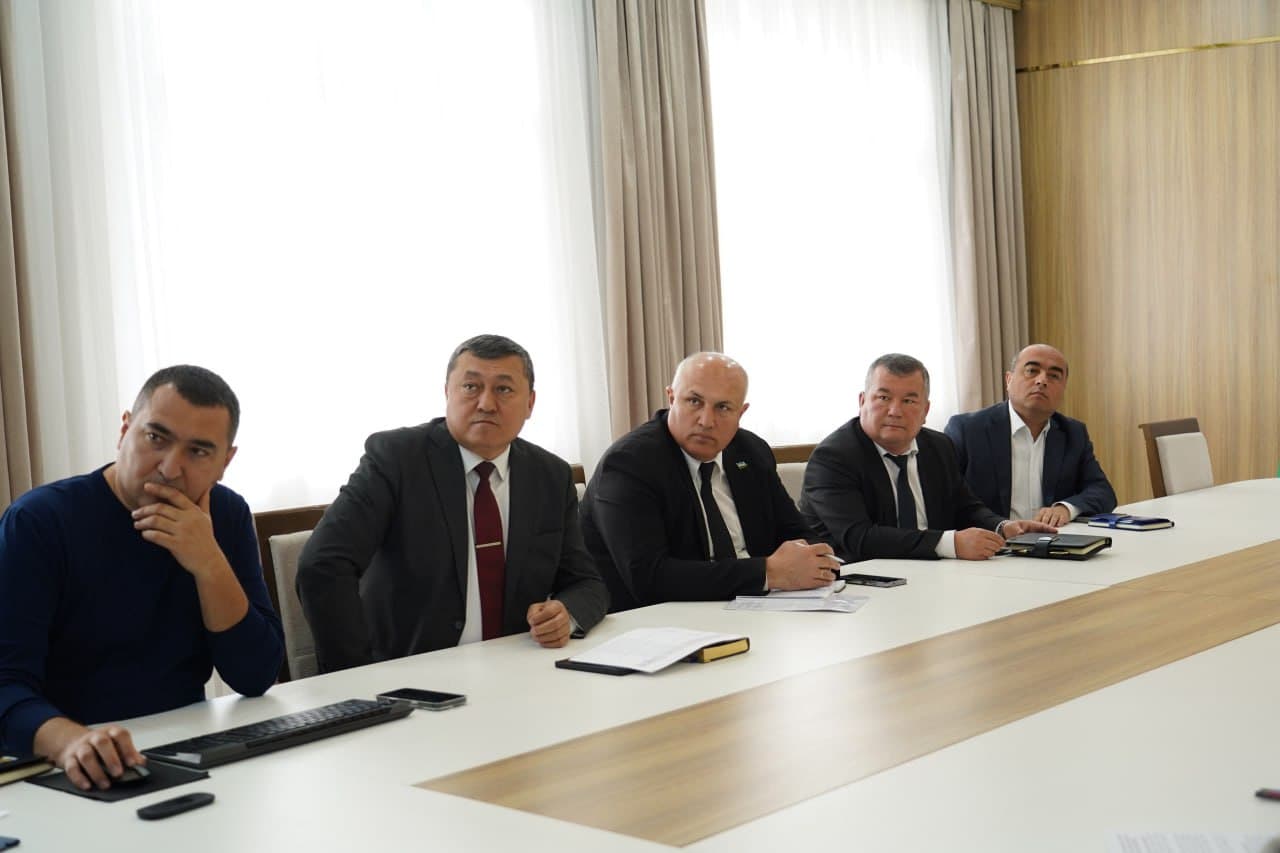
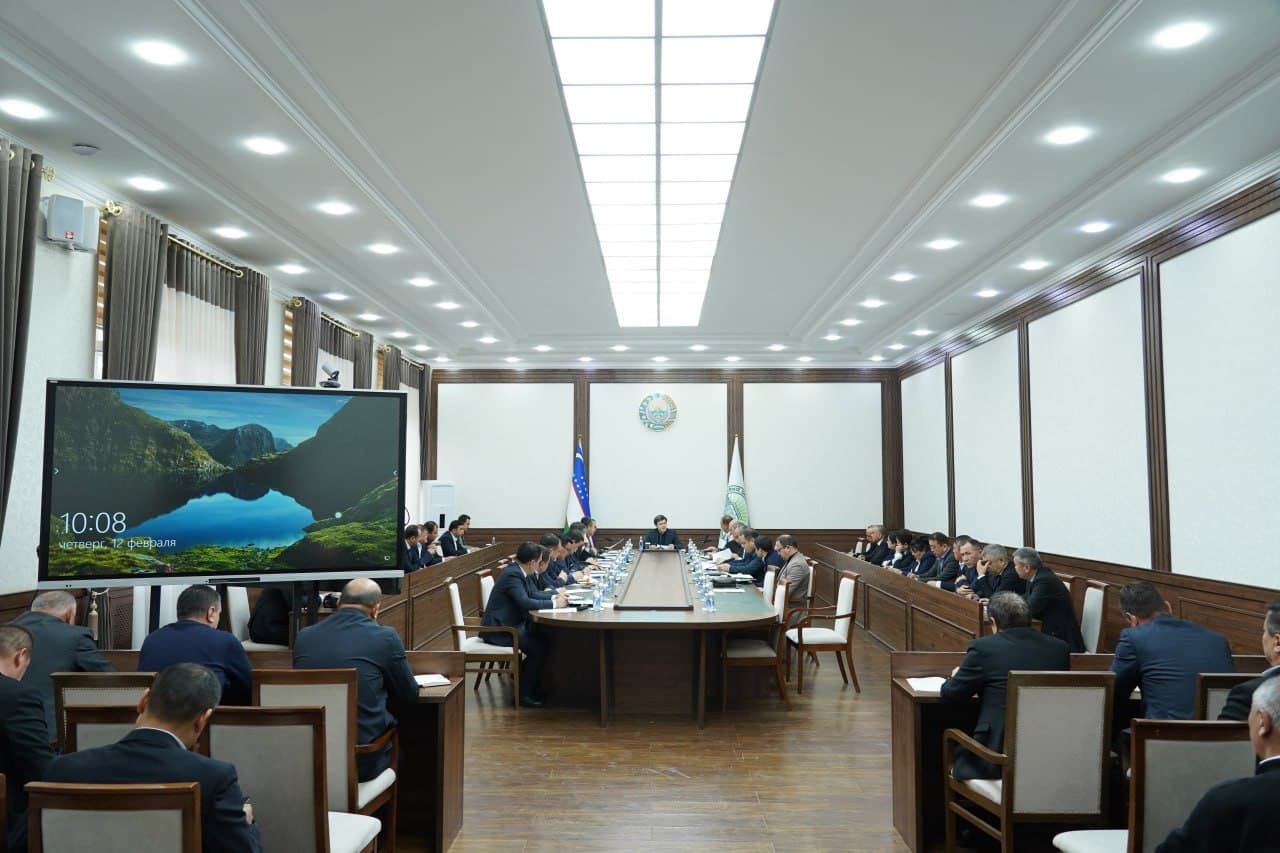
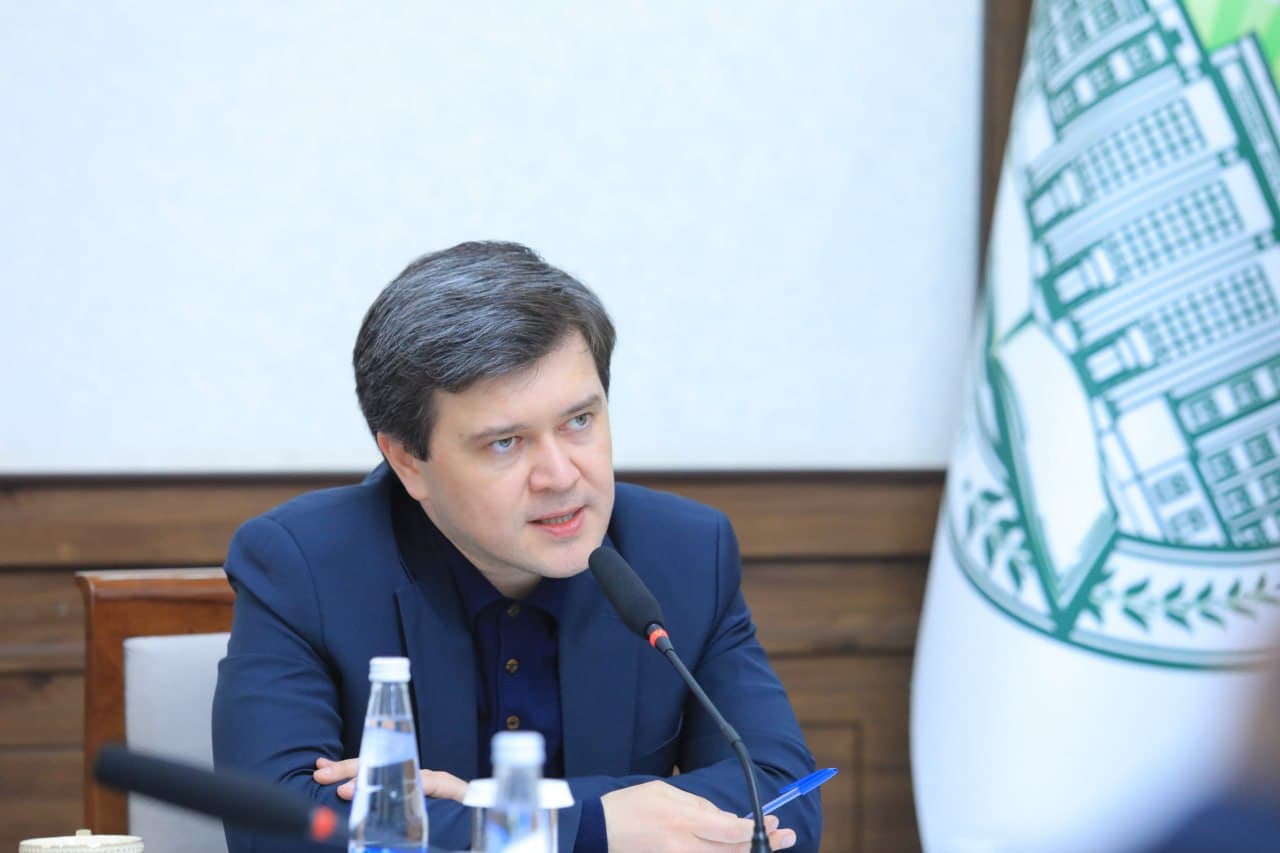
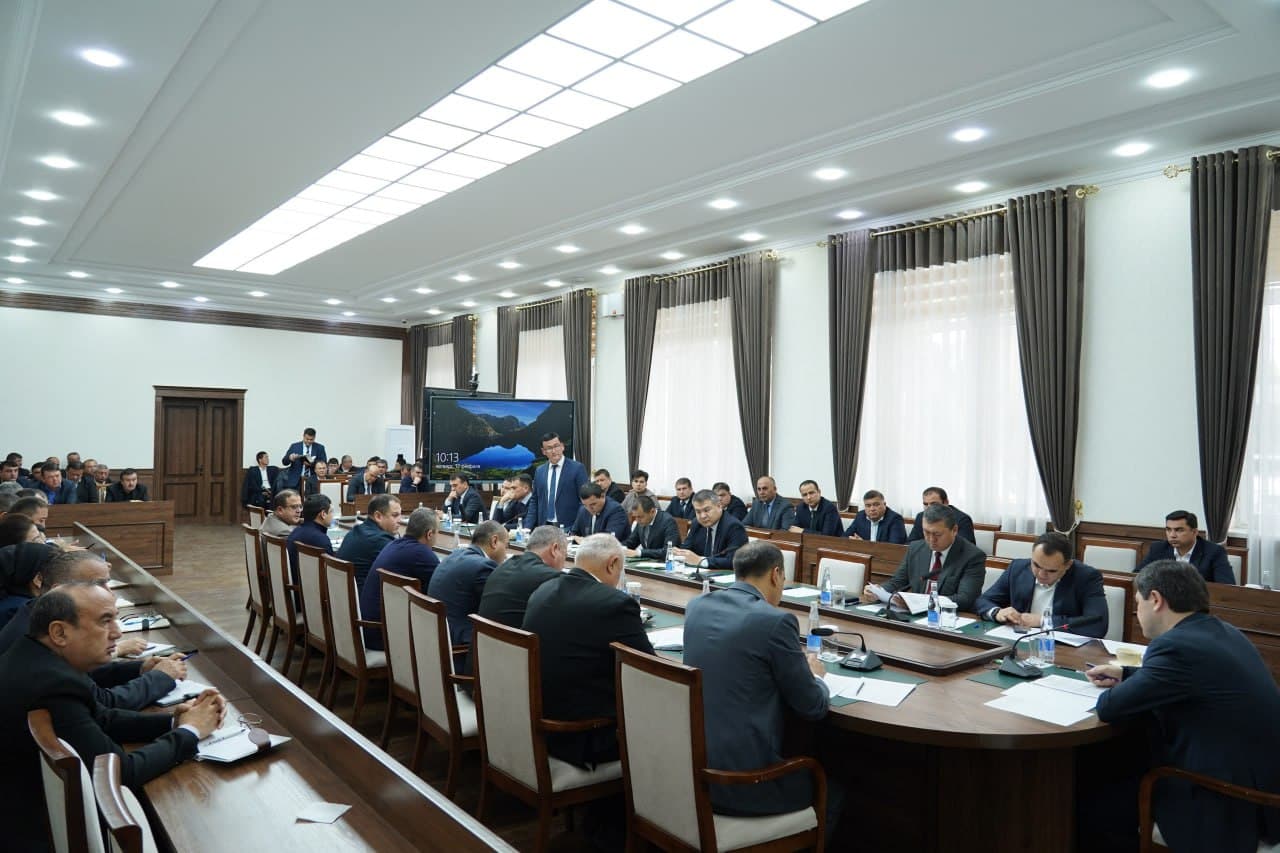
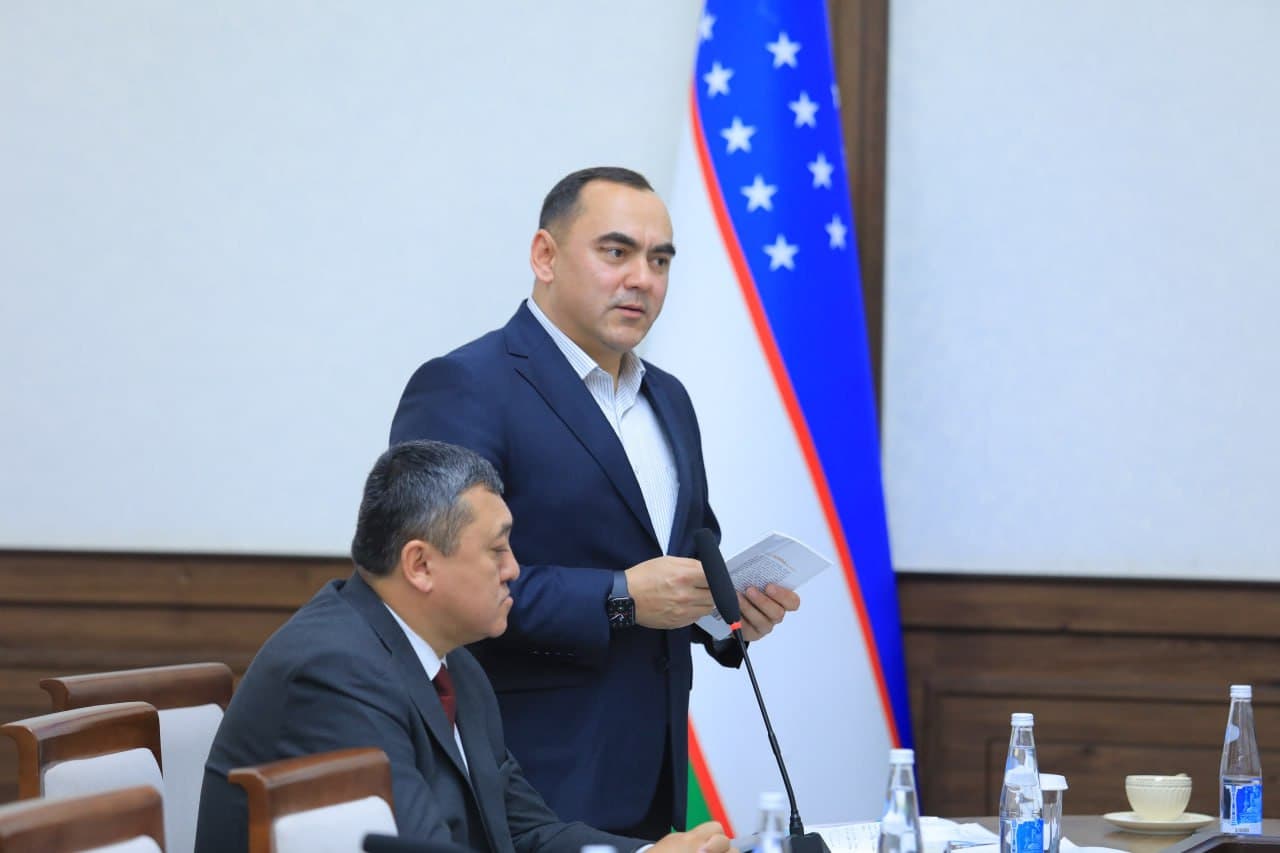
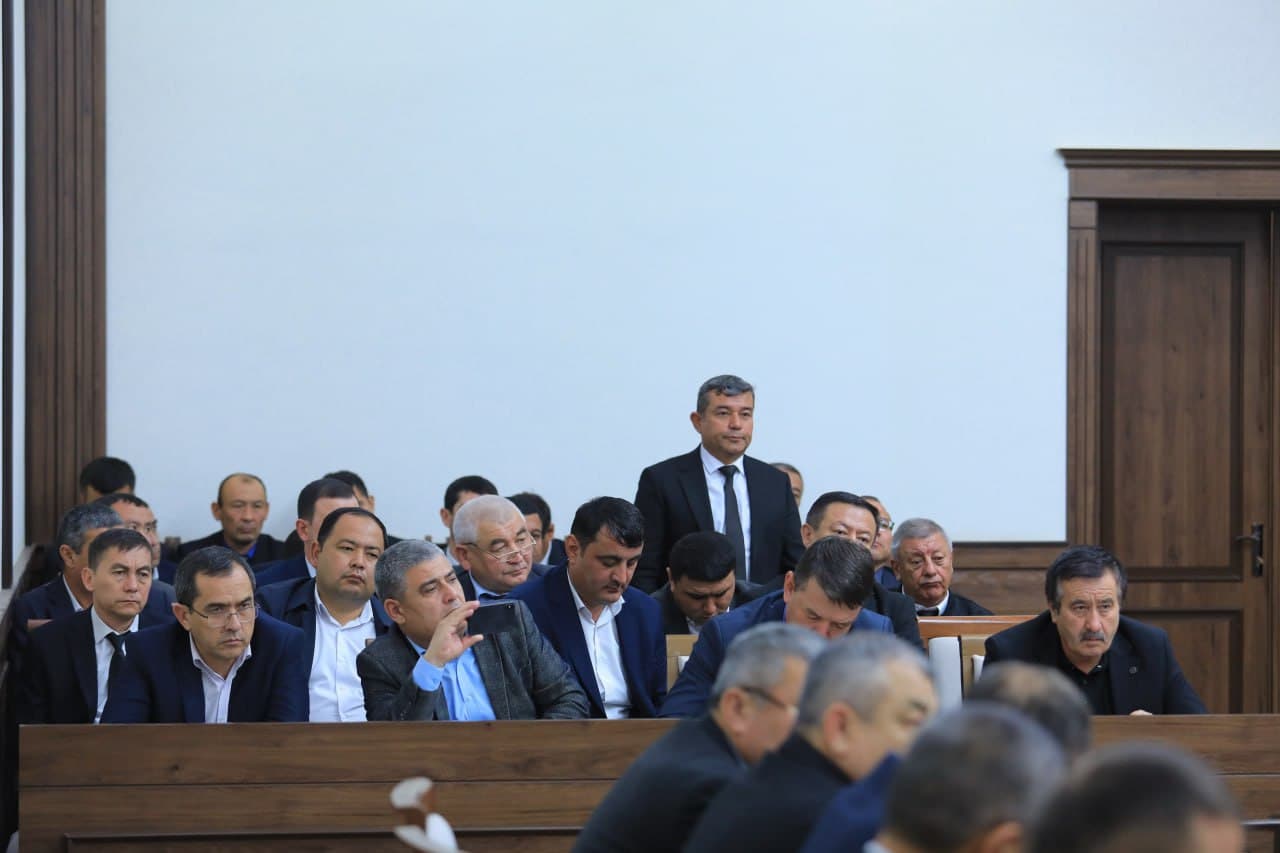
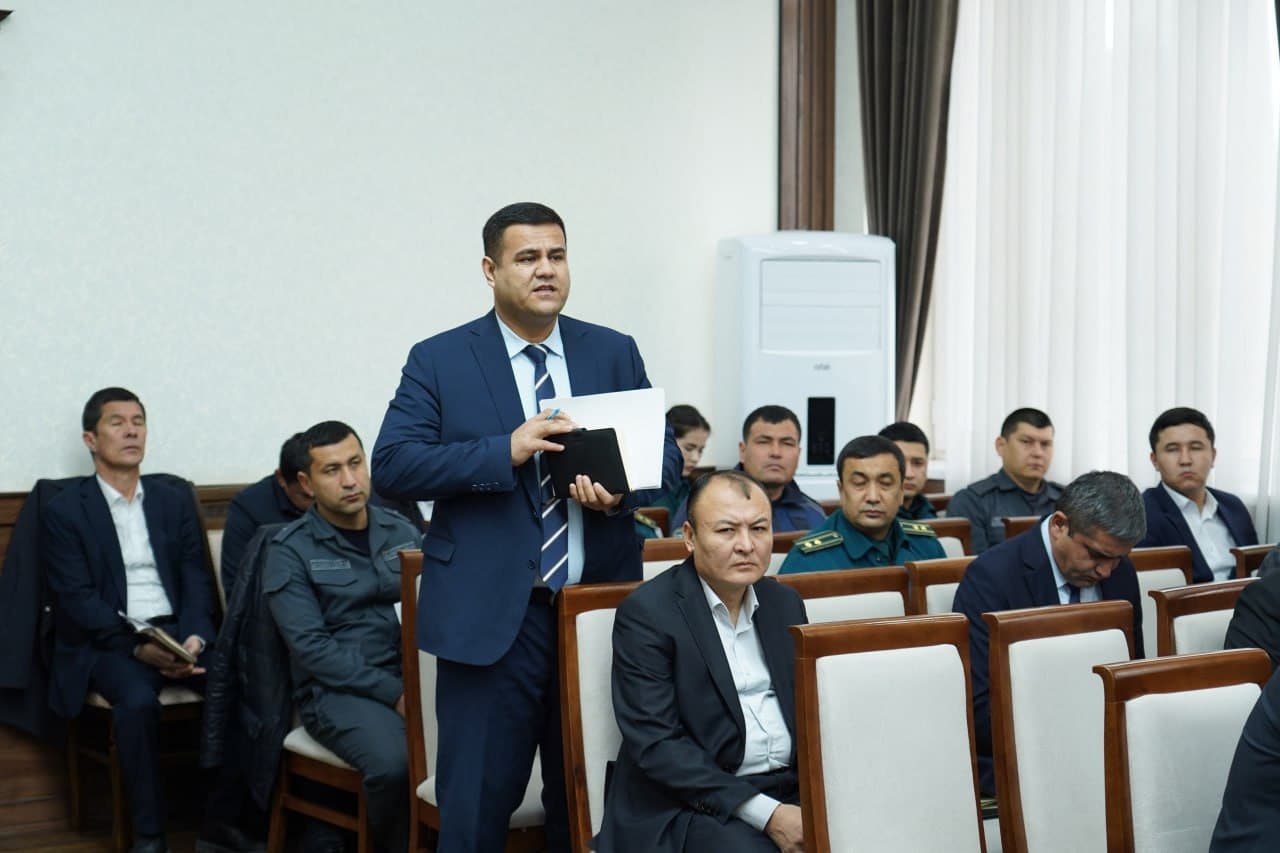
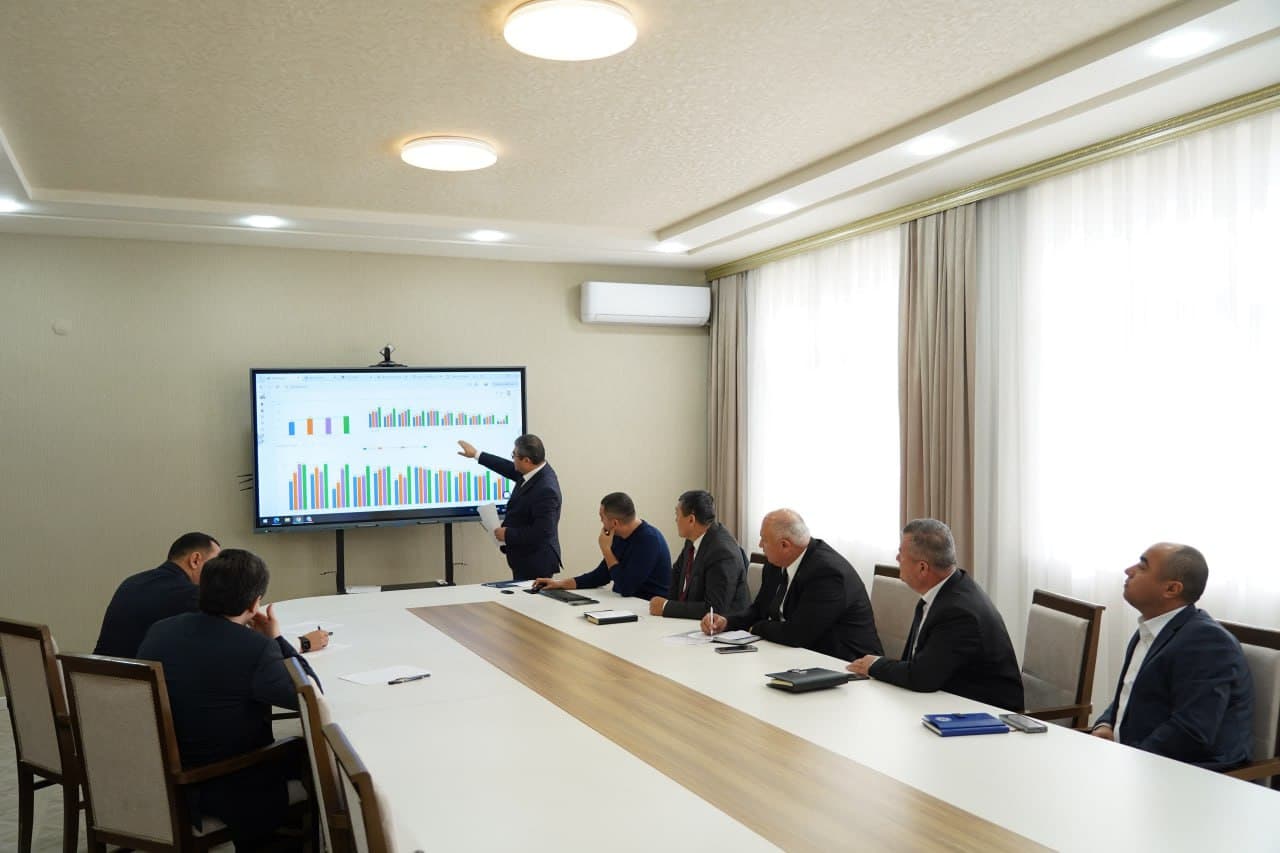
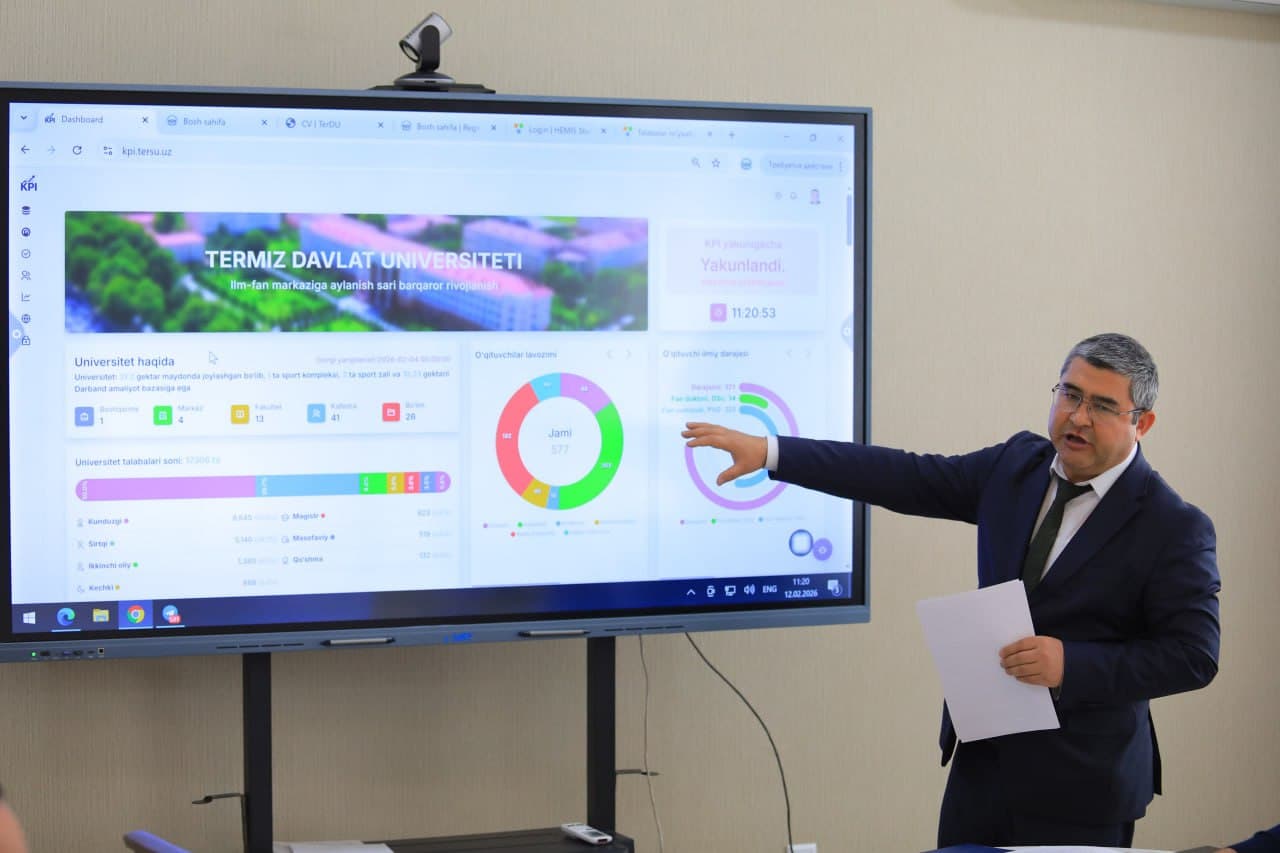
The meeting was chaired by Sardor Rajabov, First Deputy Minister of Higher Education, Science and Innovation. It was attended by rectors of all higher education institutions in the region, their first vice-rectors, and heads of regional technical colleges.
Based on the data presented by the working group, crimes and offenses committed by students and learners were critically examined. Identified shortcomings were openly discussed, and the need to strengthen preventive measures in certain universities and technical colleges was particularly emphasized.
According to data from law enforcement authorities, 39 crimes were committed by students in the region in 2025. Although this represents a 9.4 percent decrease compared to the same period of the previous year, an increase was recorded in certain educational institutions.
The analysis revealed that the crimes included 2 cases of bodily injury, 2 cases of hooliganism, 3 cases of extortion, 6 thefts, 6 traffic-related incidents, 8 cases of fraud, and other miscellaneous offenses.
Currently, 9 prevention inspectors are operating in higher education institutions across the region. In addition, public “Qalqon” (“Shield”) groups have been established.
To establish a continuous “Higher Education – Parent – Mahalla” cooperation system, surveillance cameras have been installed in all classrooms, and regular student attendance is being strictly monitored.
At present, 28,464 students are enrolled in 47 technical colleges in the region. While 34 vocational education students committed crimes in 2024, this number decreased to 27 in 2025.
According to the analysis, these crimes consisted of 8 thefts, 15 cases of bodily injury, 2 cases of fraud, and 2 cases of hooliganism.
During the meeting, insufficient organization of moral-educational, preventive, and pedagogical-psychological activities among students in the 2025/2026 academic year was criticized. As a result, disciplinary measures were applied to certain technical college directors, their deputies, and responsible officials.
A number of proposals were put forward to systematically organize crime prevention among youth, strengthen moral and educational work, and enhance cooperation with parents and mahalla communities.
At the conclusion of the meeting, specific tasks were defined to prevent youth crime, increase accountability, and create a safe educational environment.