SheSCIENCE 2026: Towards Scientific Cooperation and Gender Equality
2026-02-11 10:05:00 / News of ministry
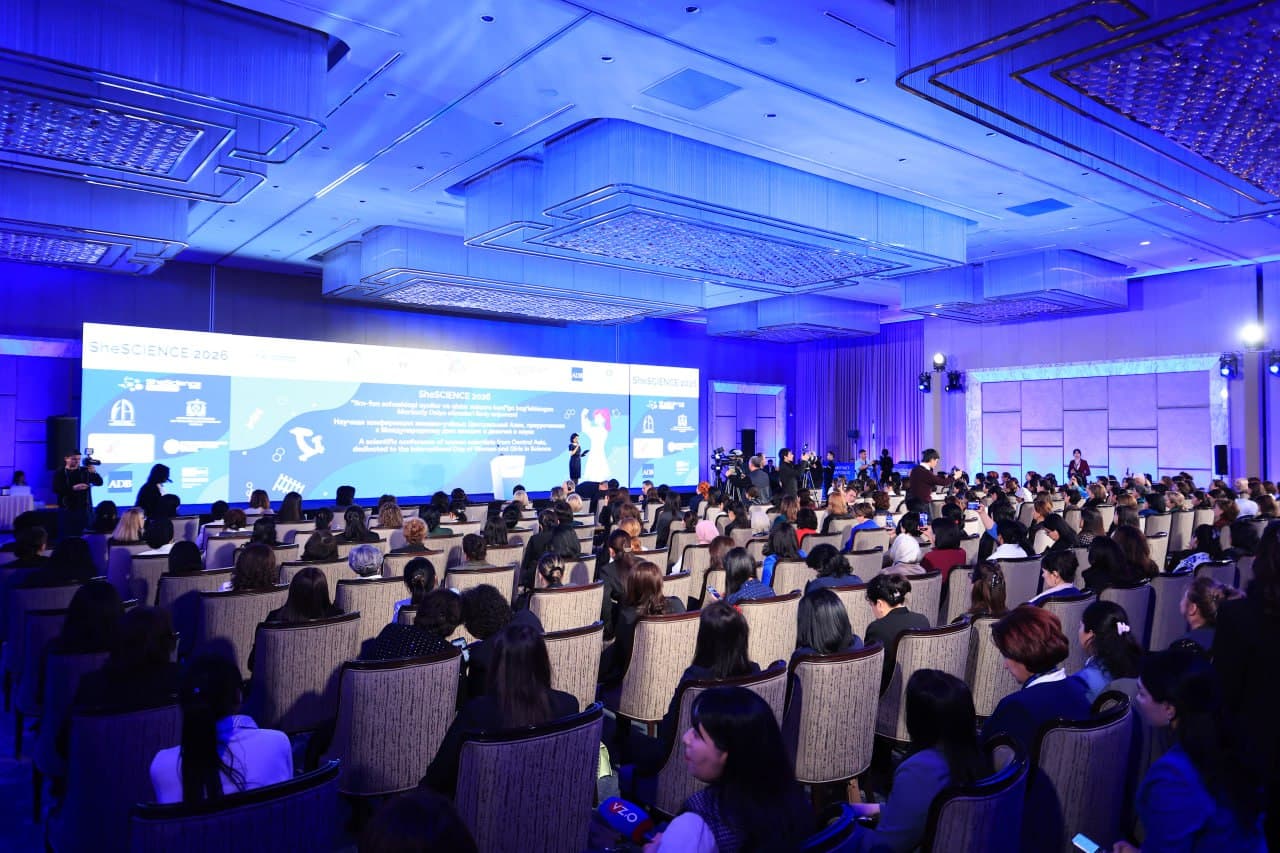
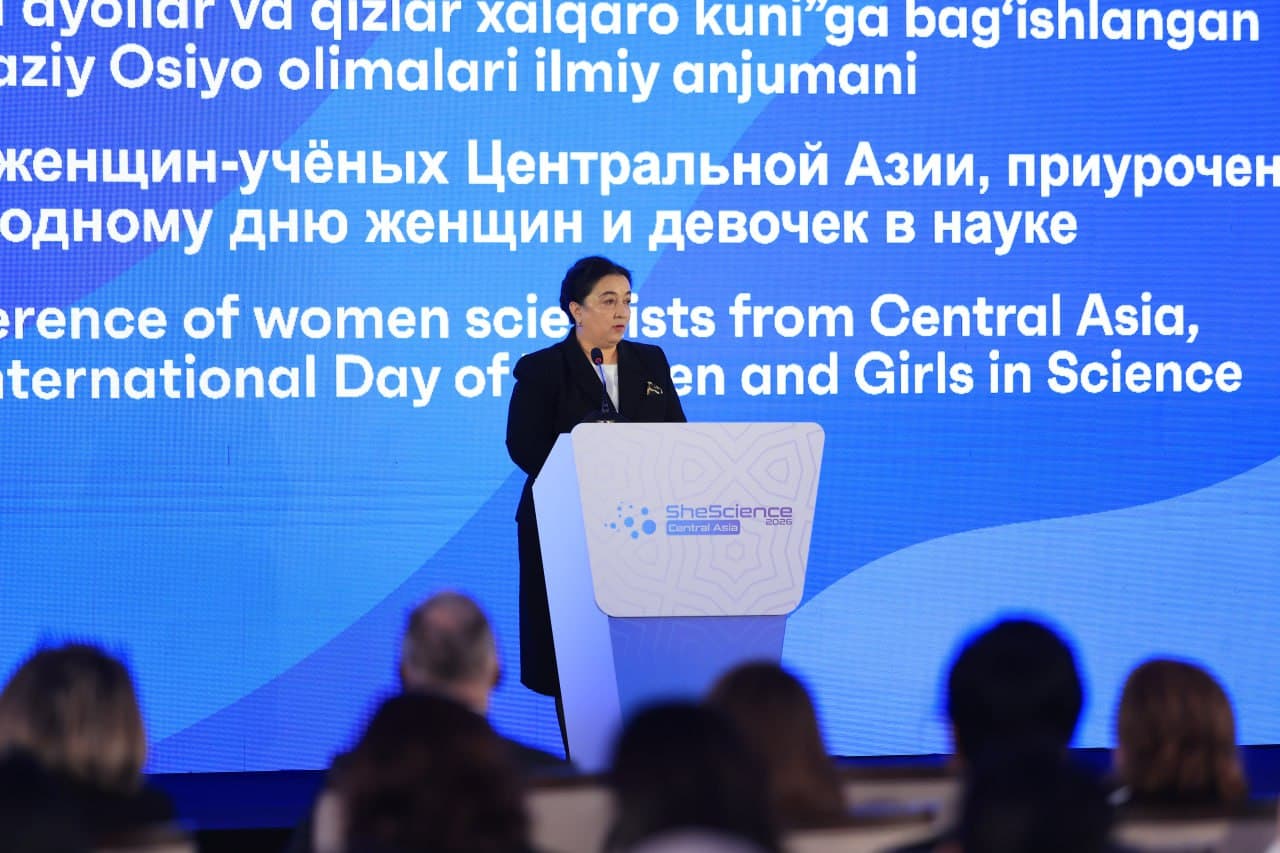
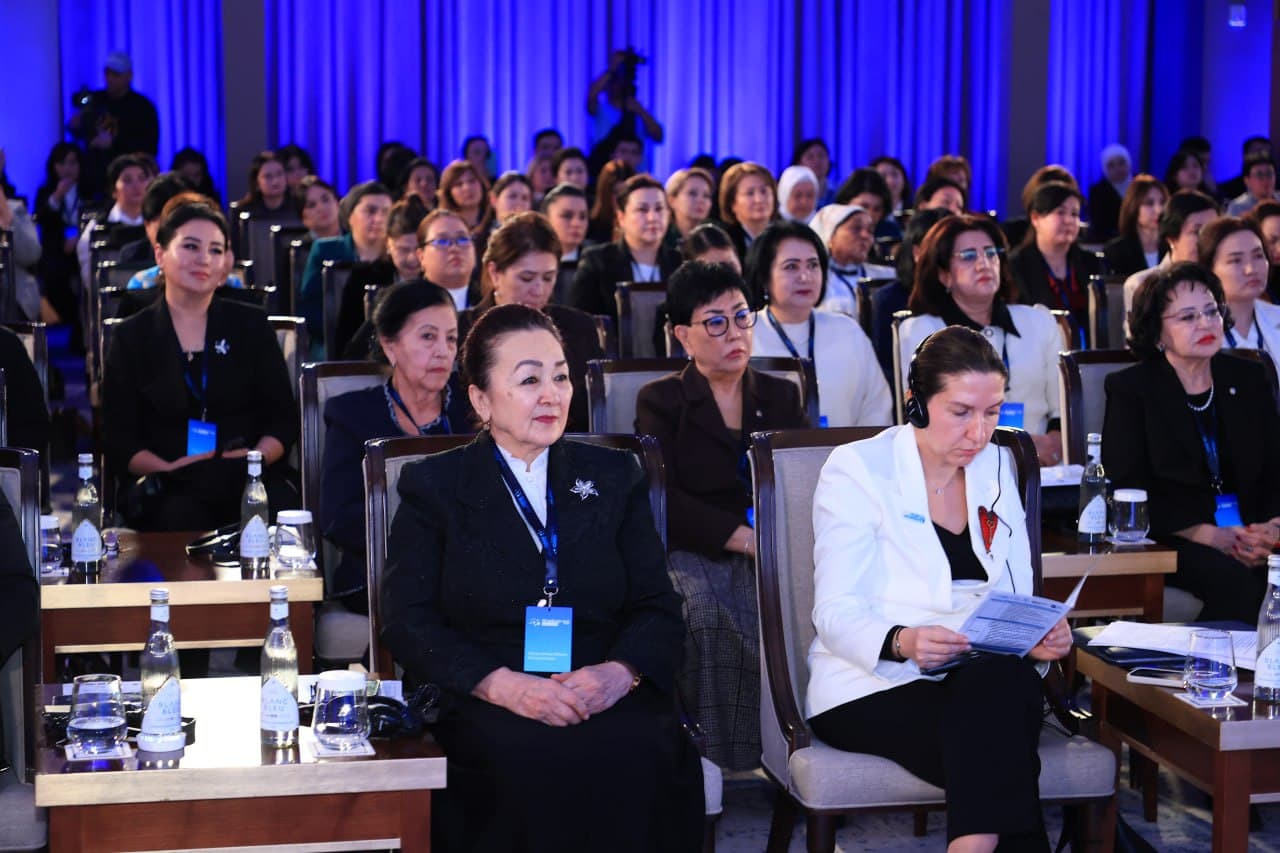
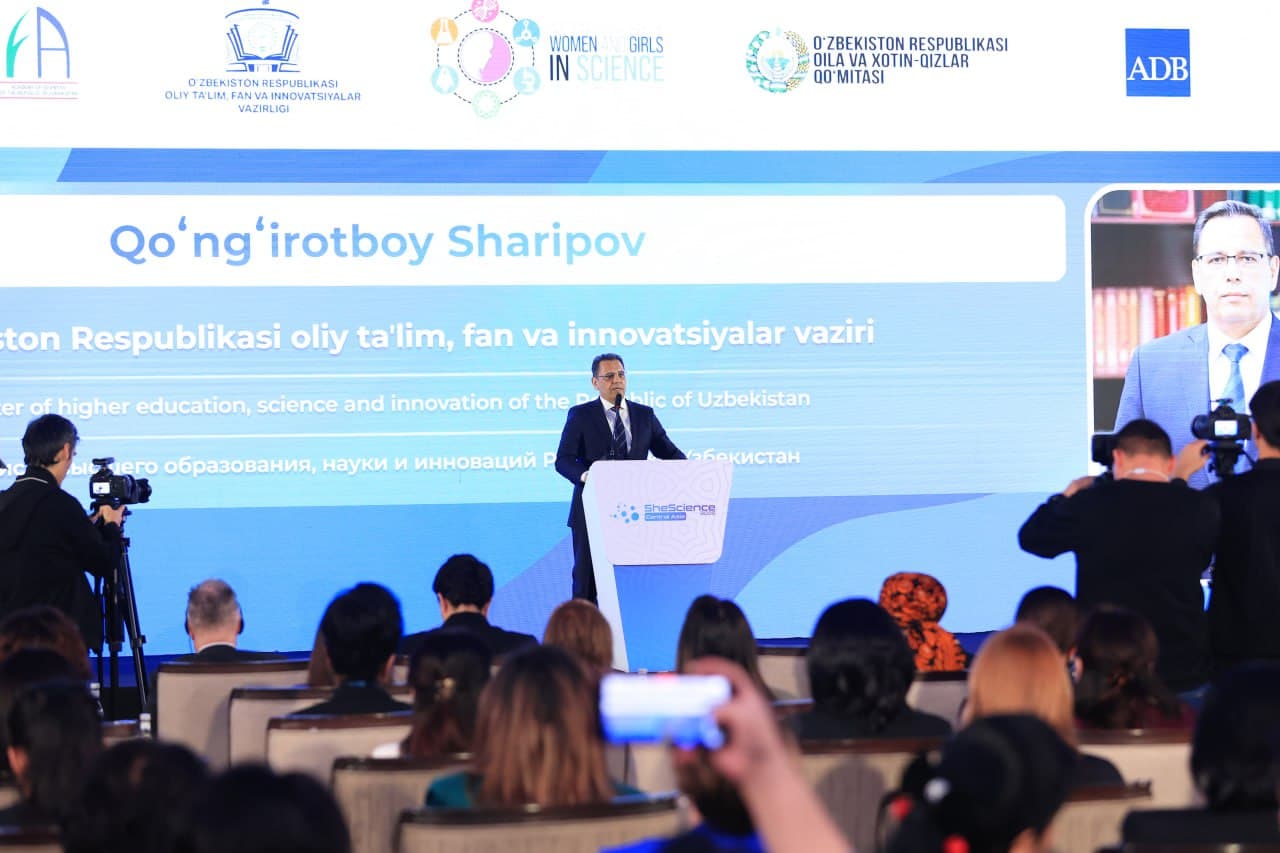
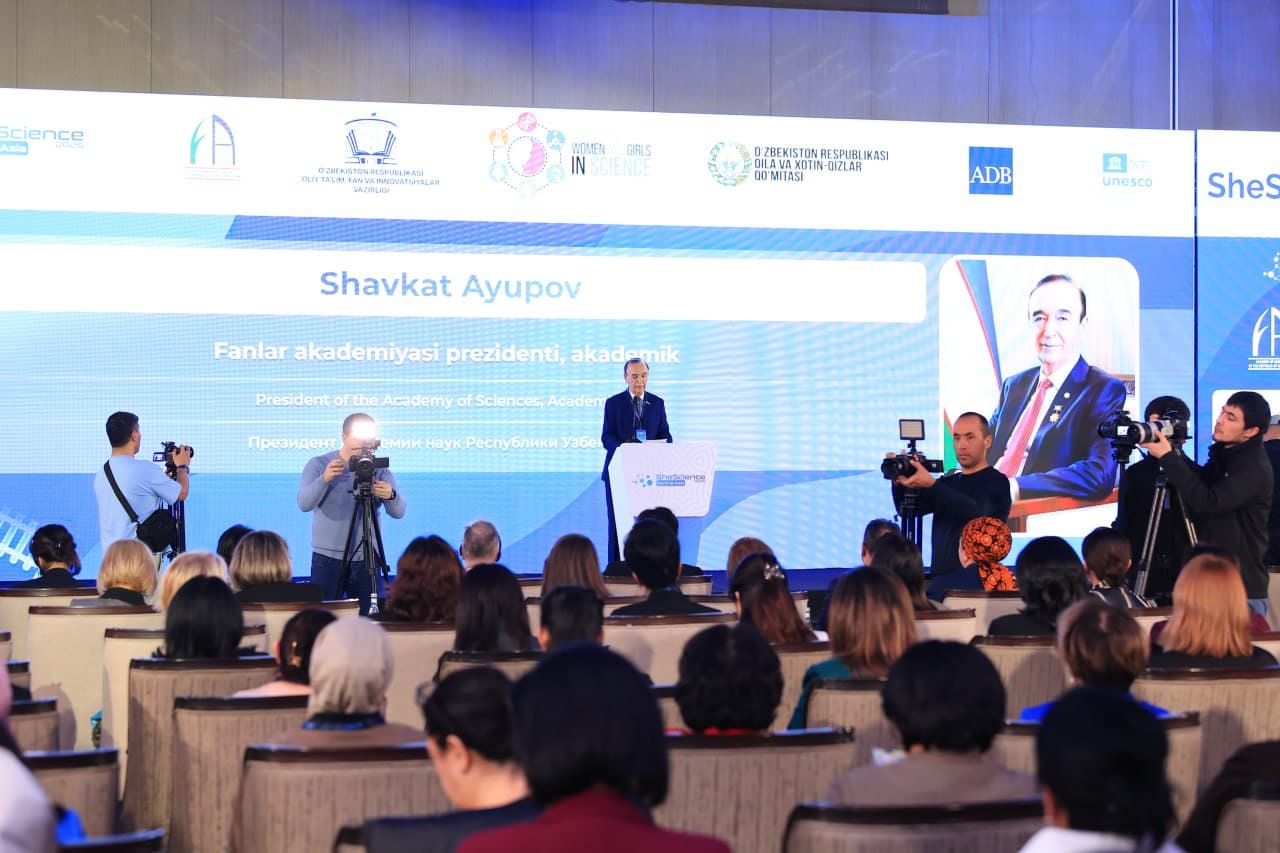
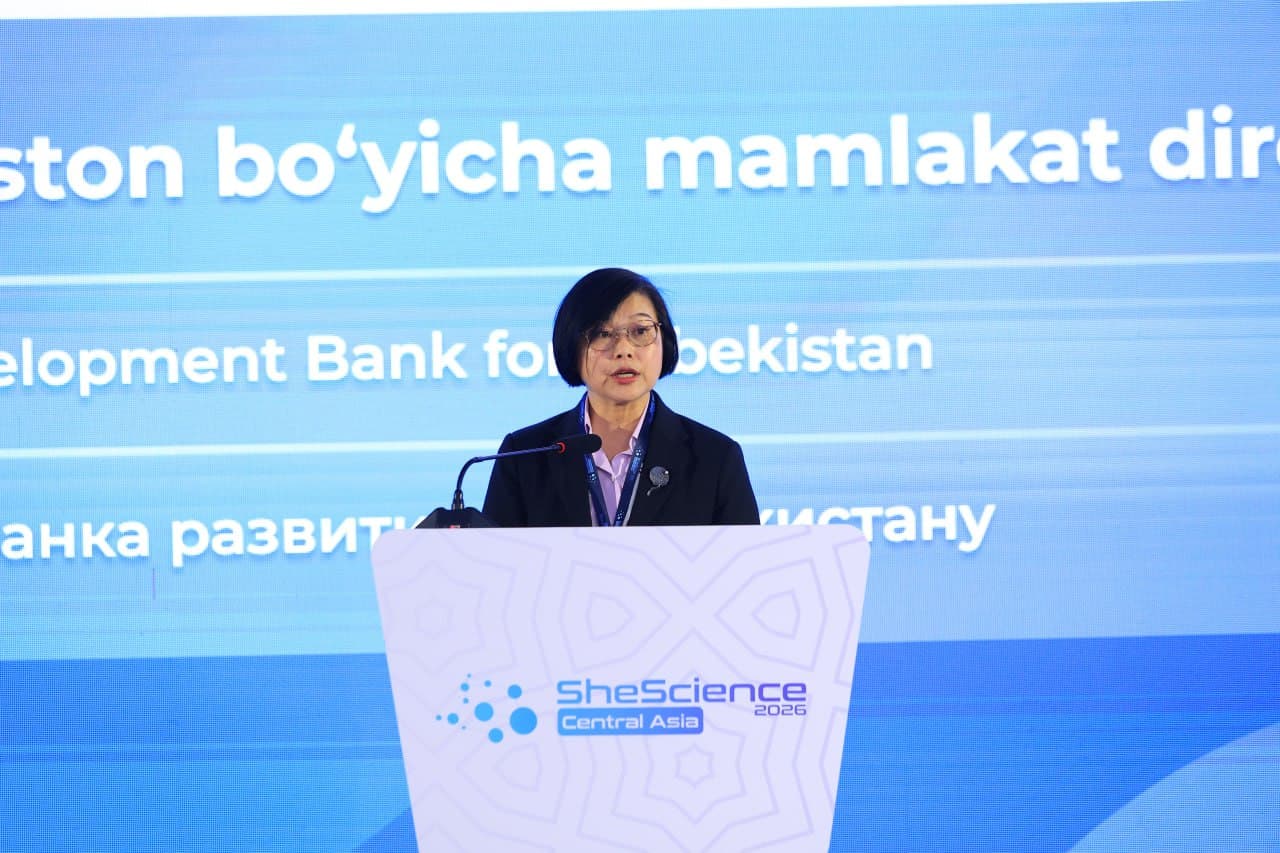
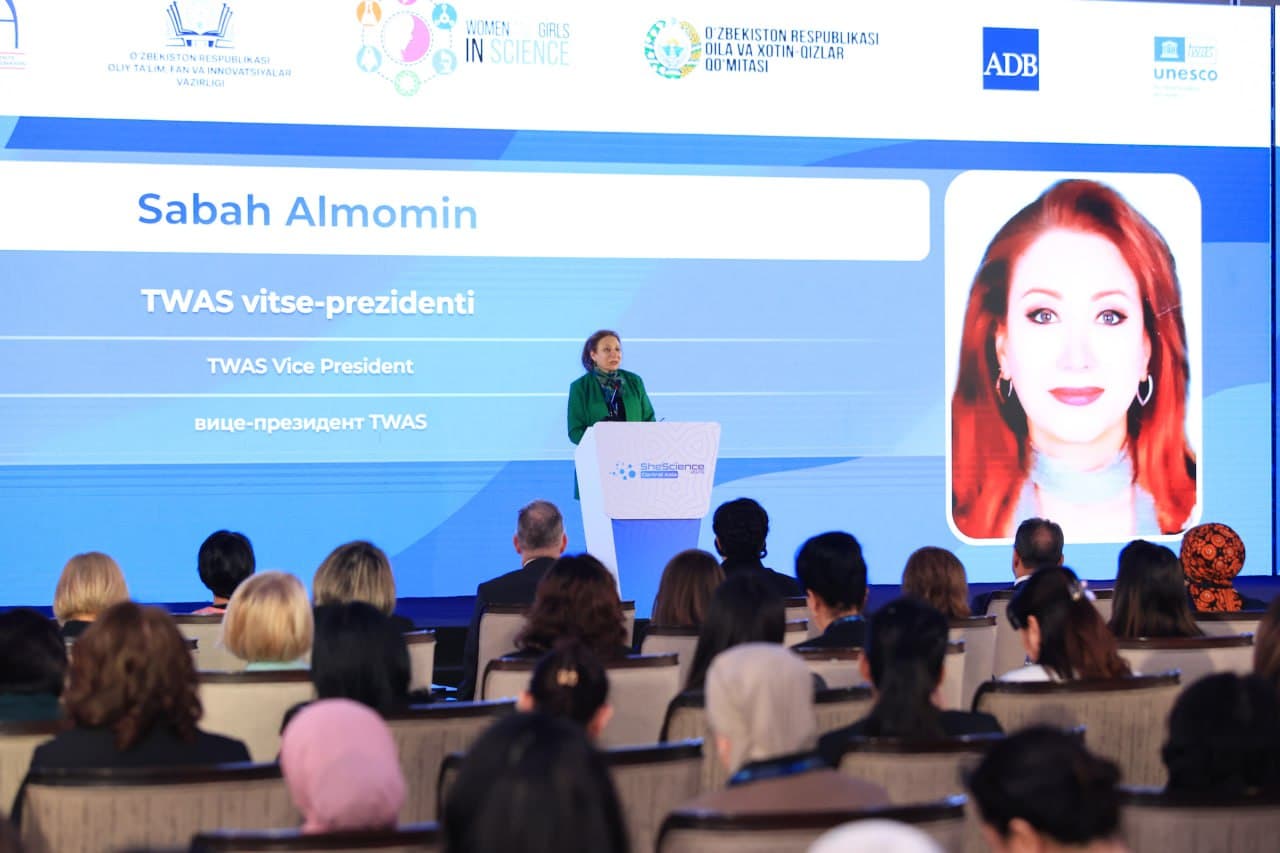
The forum was organized by the Academy of Sciences of the Republic of Uzbekistan, the Ministry of Higher Education, Science and Innovation, the Family and Women’s Committee, the Asian Development Bank, and TWAS — The World Academy of Sciences.
The event brought together representatives of government bodies, international organizations, research institutions, and higher education institutions, as well as nearly 200 women scientists from Kazakhstan, Kyrgyzstan, Tajikistan, Turkmenistan, and Uzbekistan.
The forum aimed to unite women scientists in the region, enhance their potential, and strengthen international scientific cooperation. Discussions focused on women’s role in science and innovation, regional and global collaboration, sustainable development, ecology, medicine, engineering, digital technologies, and biotechnology.
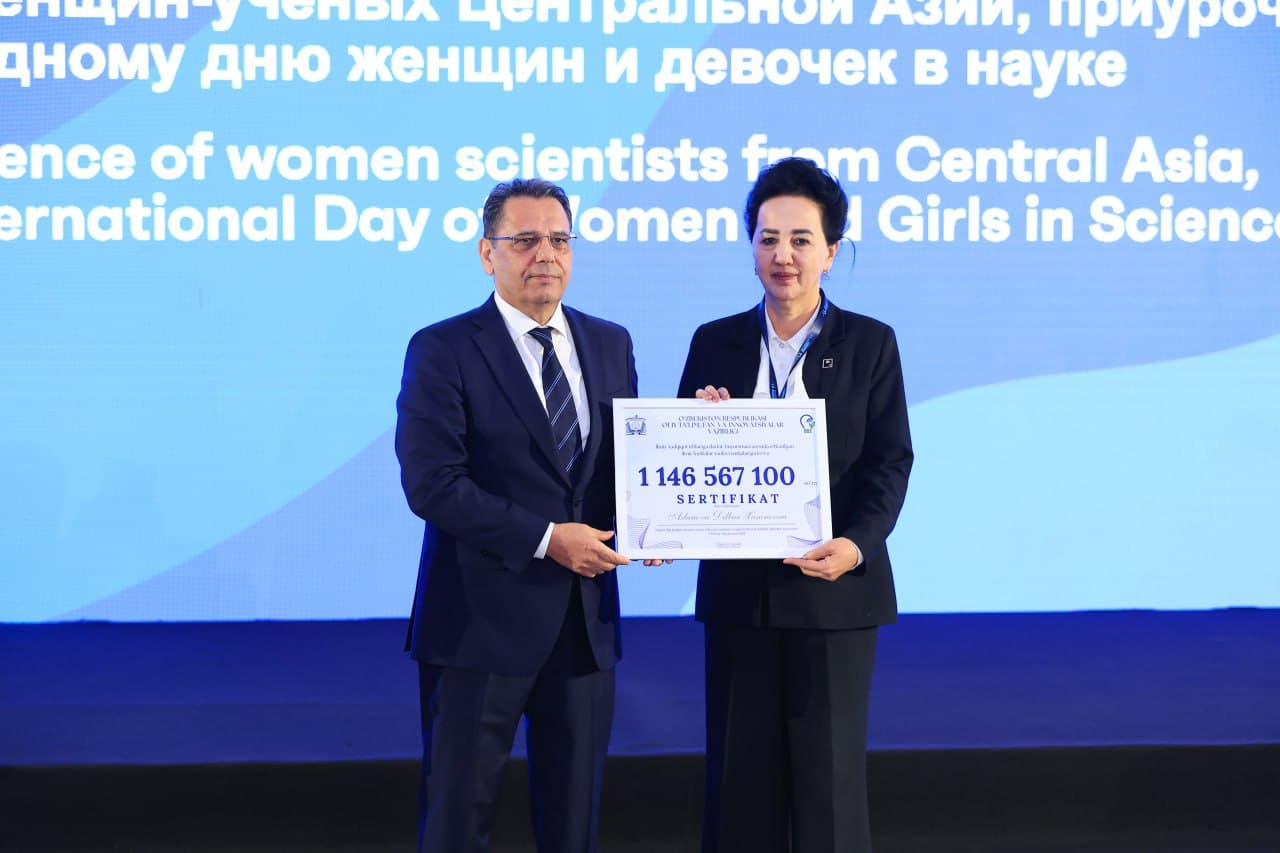
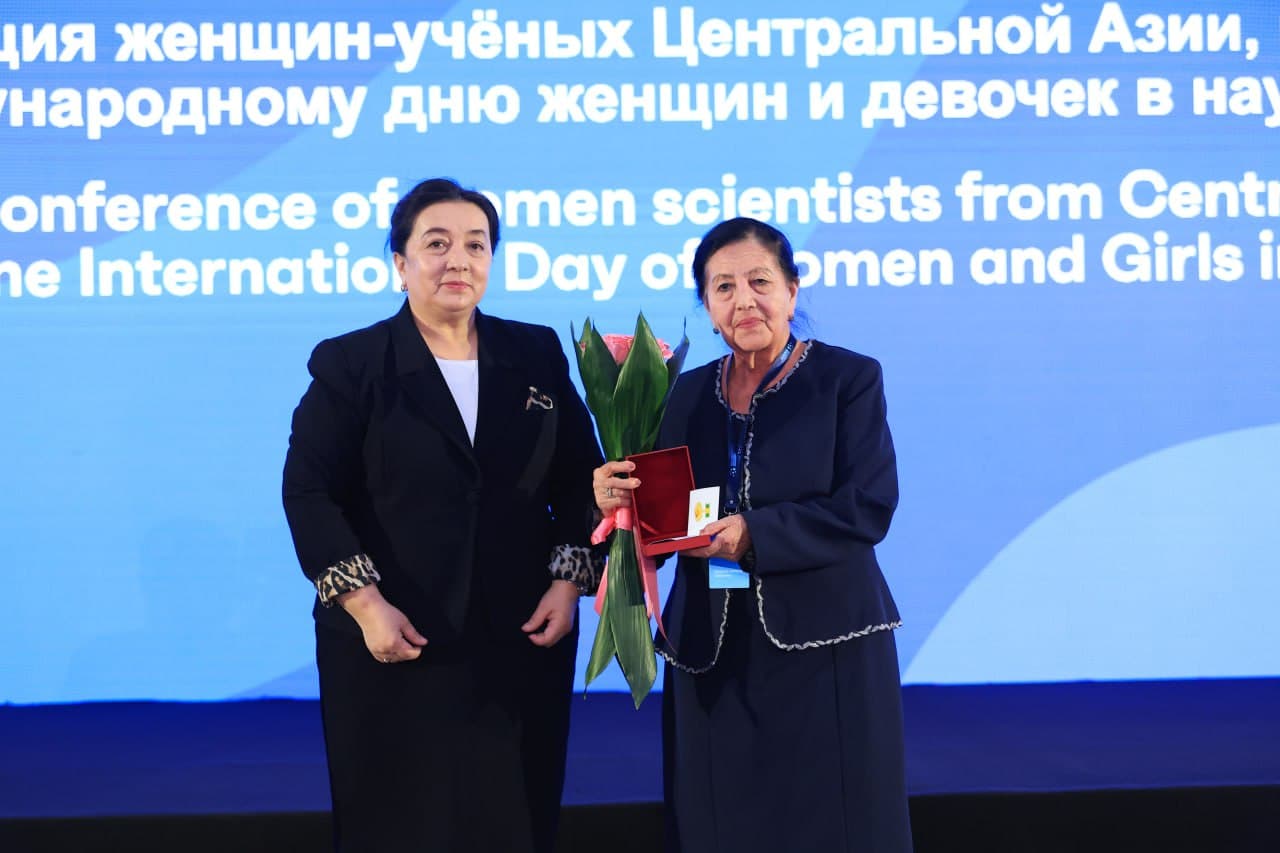
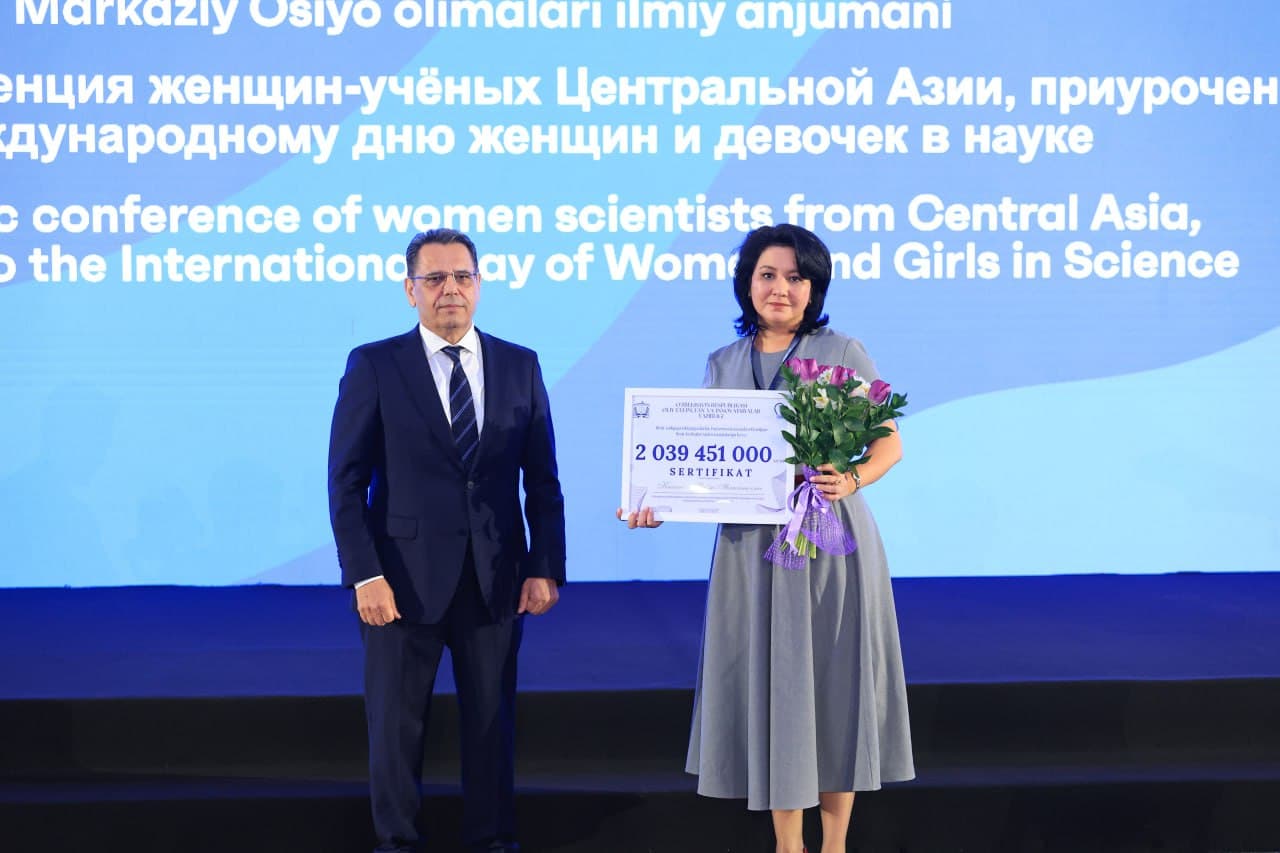
As part of the forum, the “Muʼtabar ayol – 2025” award ceremony was held. Since 2021, the initiative has supported talented women scientists.
A panel session dedicated to integrating scientific and innovation ecosystems for regional development was also organized, with participation from representatives of the UN, Central Asian countries, and international scientific organizations.
The scientific program included three thematic sessions in biology and medicine, ecology and climate, mathematics, engineering, and physics. Key topics included biotechnology, sustainable development, digital technologies, artificial intelligence, and engineering.
In 2025, 763 research projects worth over 1 trillion 405 billion soums are being implemented under state scientific programs, with 214 projects (28%) led by women scientists.
Among more than 17,000 postgraduate researchers and trainee researchers admitted in 2025, nearly 48% were women. Today, almost half of the more than 36,000 researchers enrolled in the system are women.
Within the “Academic Mobility” program, 40% of the 93 winners in 2025 were women. Of the 145 young scientists sent for international research internships, more than 24% were women gaining experience in Hungary, Türkiye, China, Malaysia, the United Kingdom, and Belarus.
Currently, 47% of the more than 7,400 members of the Youth Academy under the Ministry of Higher Education, Science and Innovation are women.
Participants emphasized that “SheSCIENCE 2026” serves as an important platform for supporting women scientists in Central Asia, promoting gender equality, engaging youth in science, and advancing international scientific cooperation to a new level.