BIMO–2026 and BICHO–2026: High Standards, Strong Competition, and Outstanding Results
2026-01-30 09:00:00 / News of ministry
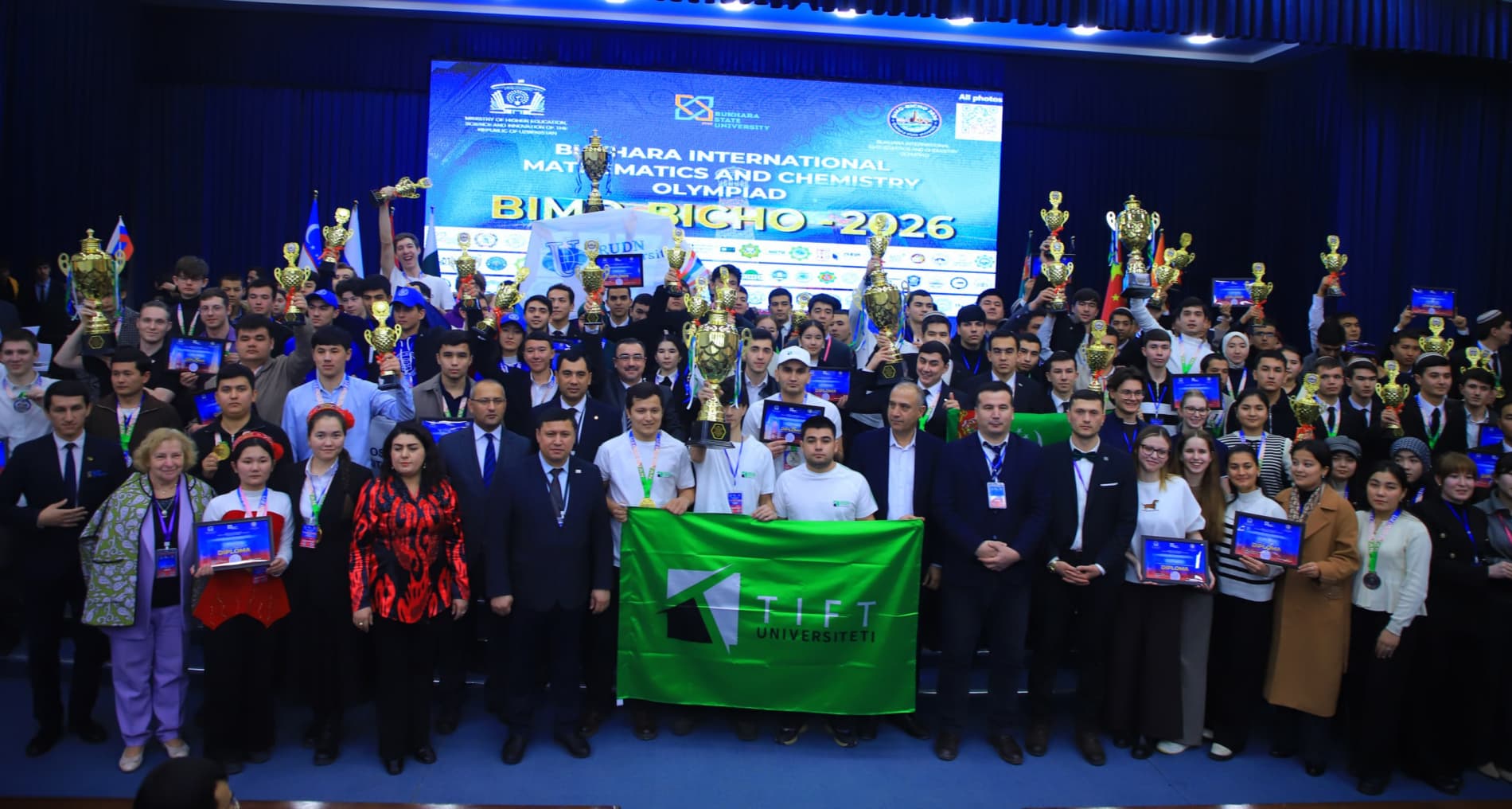
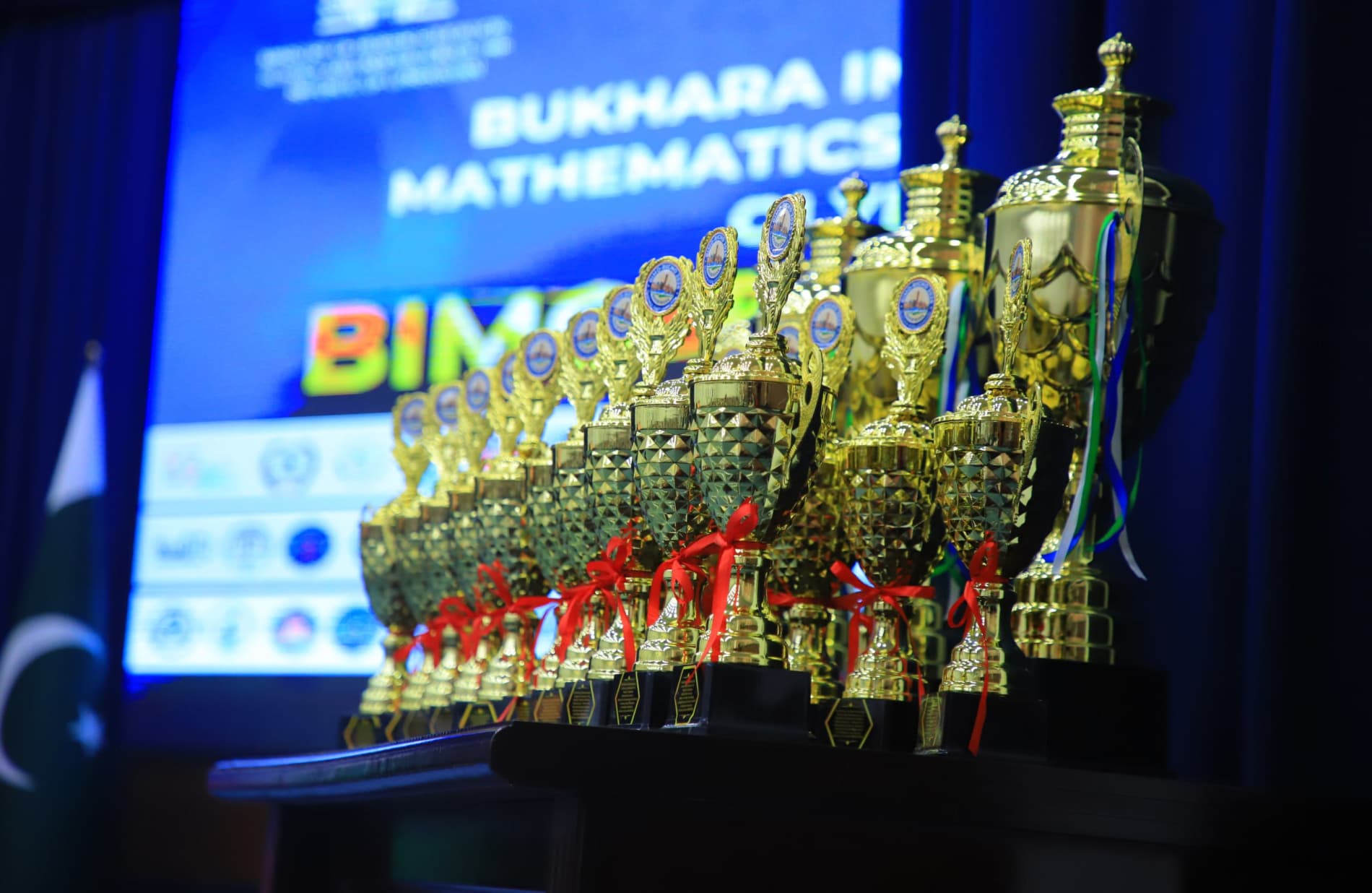
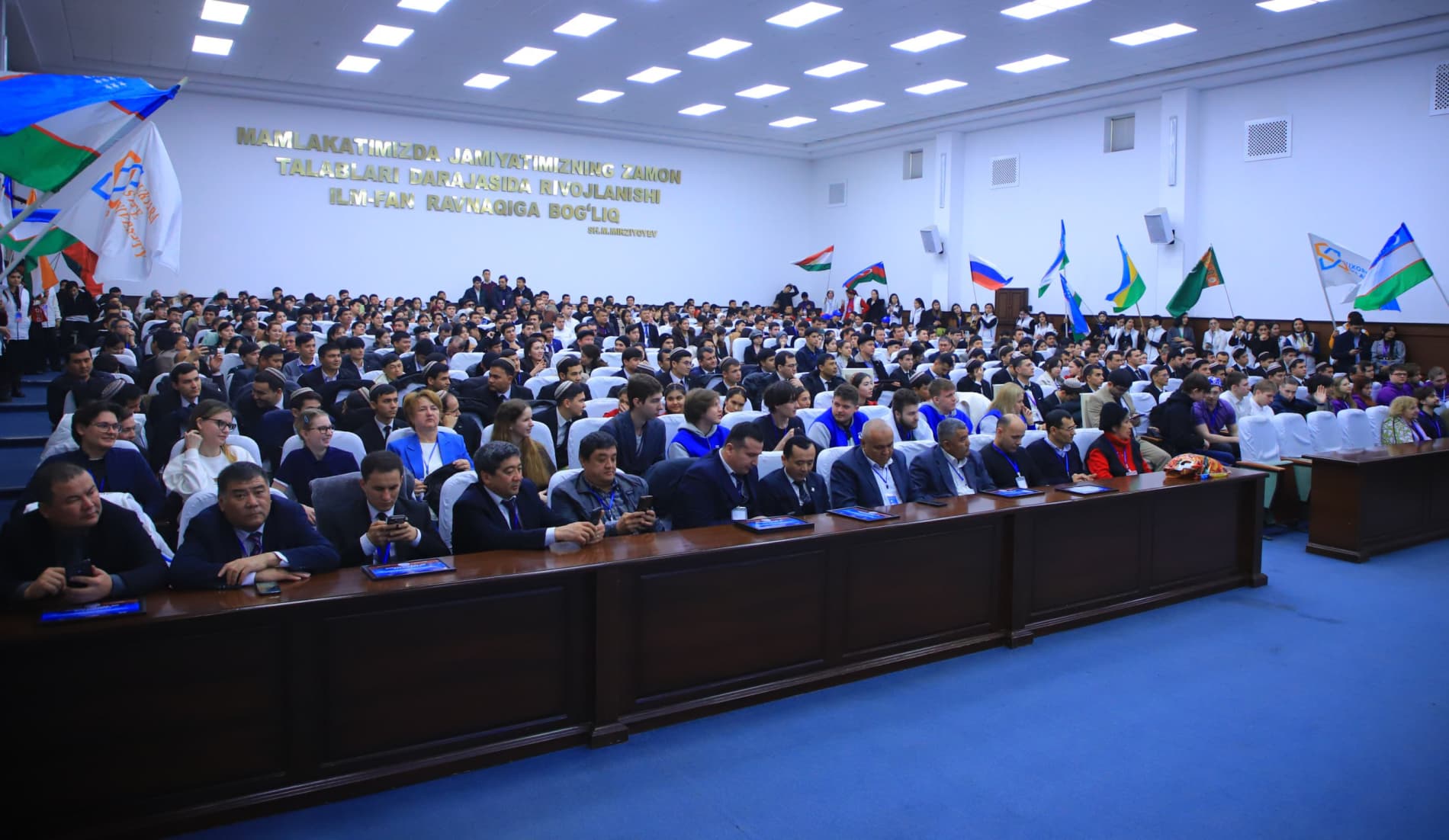
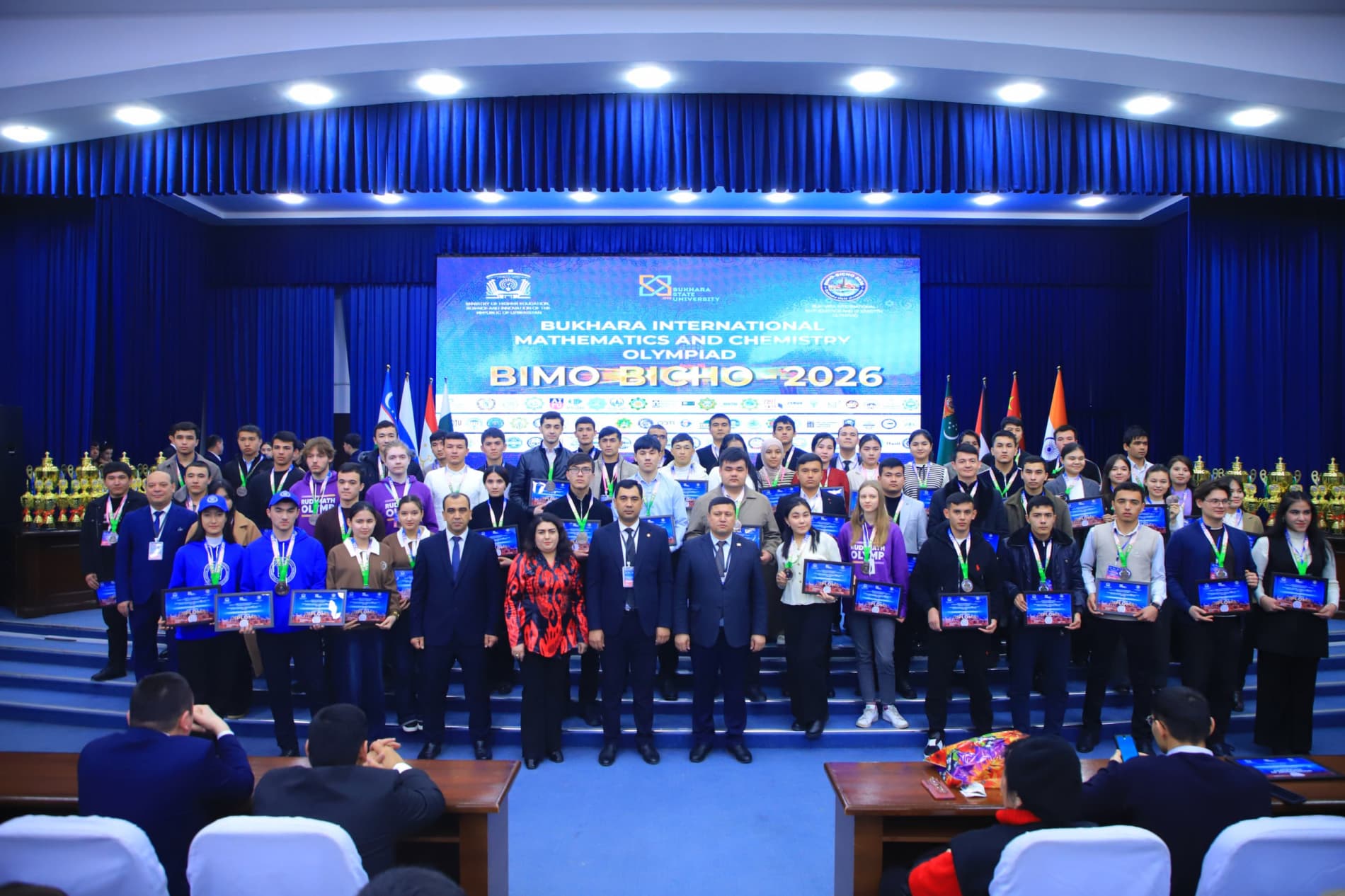
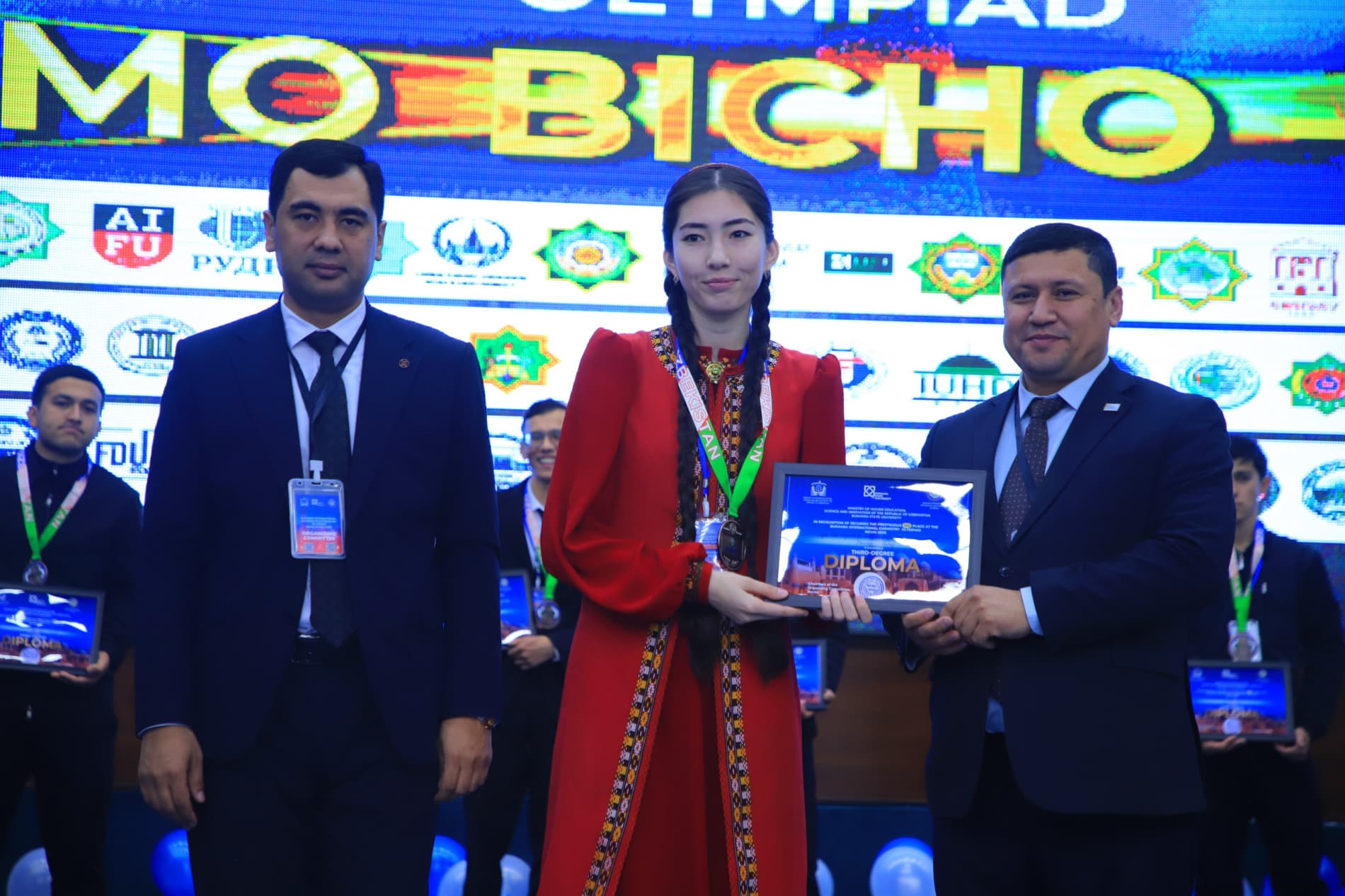
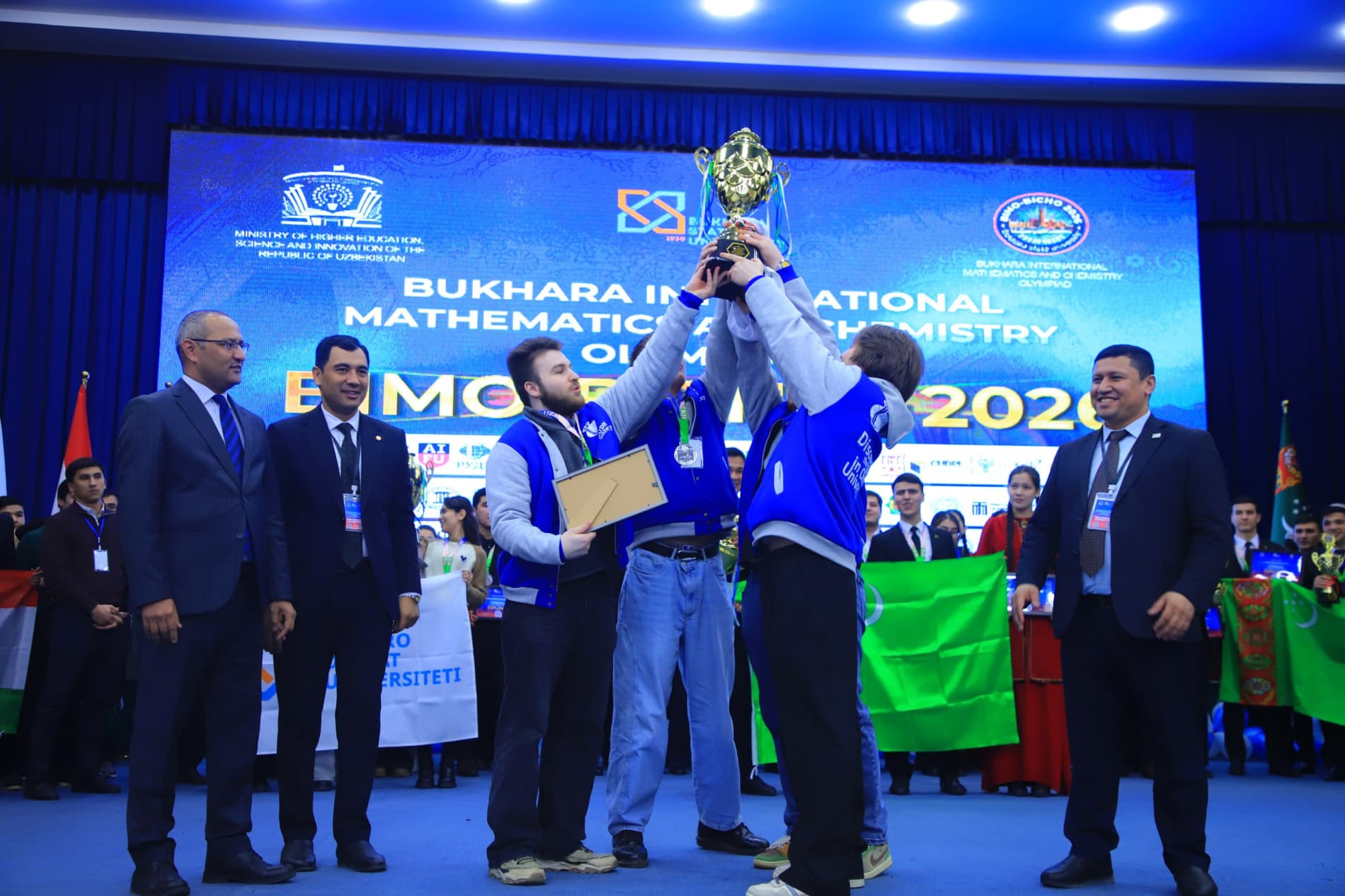
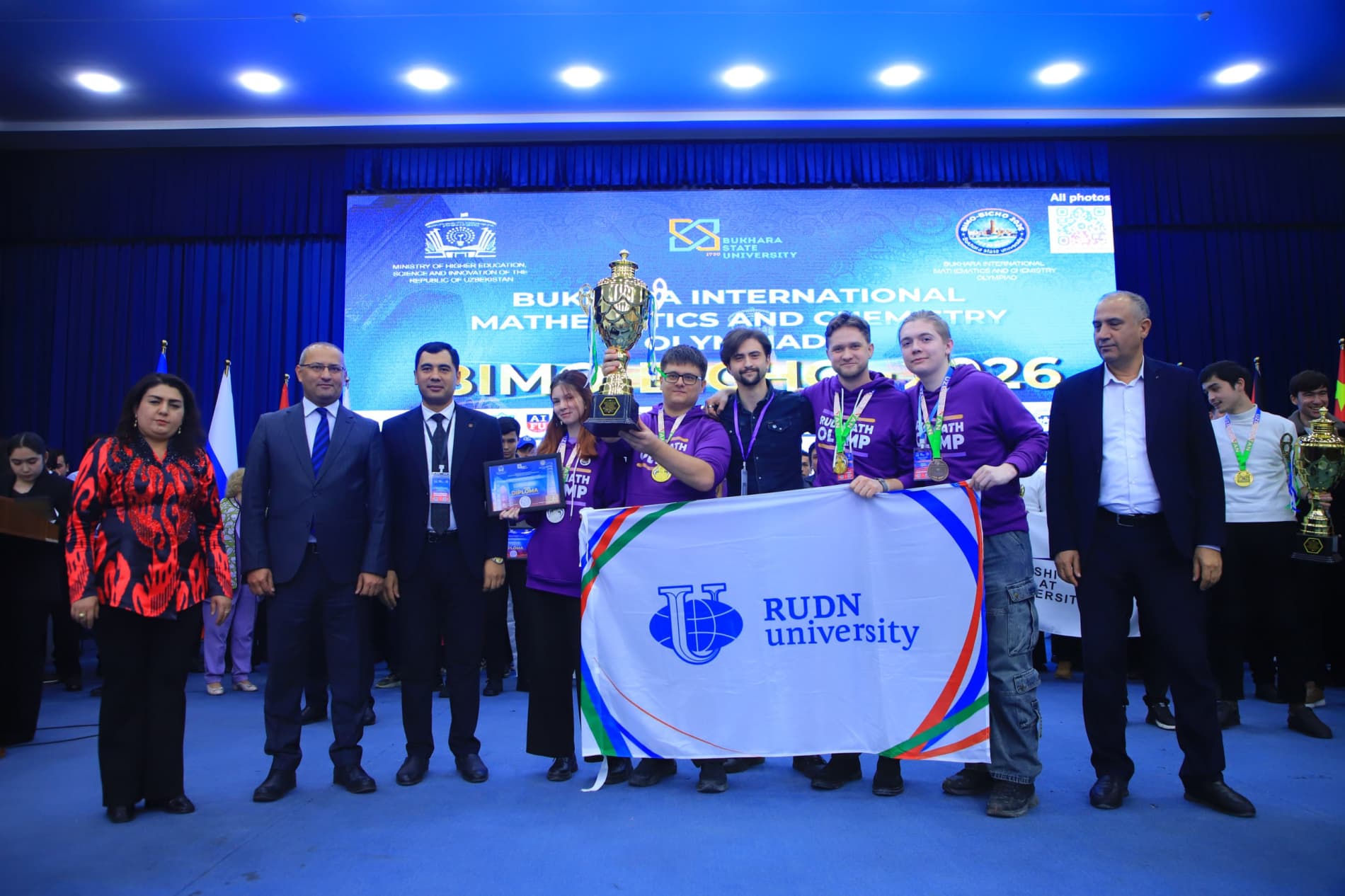
A total of 95 teams representing 75 foreign and national higher education institutions participated in these prestigious competitions. The “BICHO–2026” International Chemistry Olympiad brought together 41 teams. The Super Cup winners were Andijan State Technical Institute, Bukhara State University (Uzbekistan), Magtymguly Turkmen State University (Turkmenistan), and the Peoples’ Friendship University of Russia (RUDN). Overall, 19 gold, 26 silver, and 40 bronze medals were awarded.
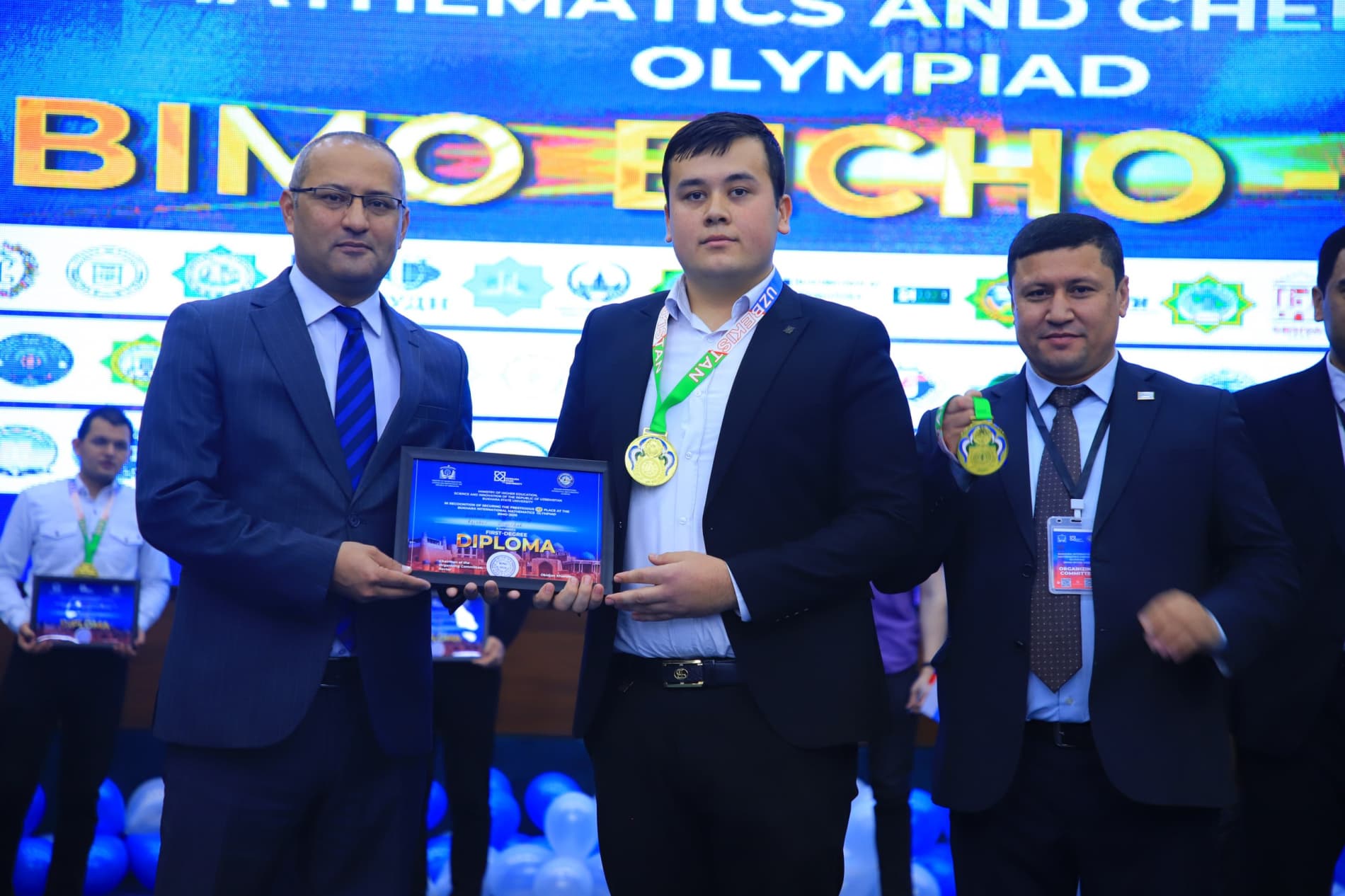
The “BIMO–2026” International Mathematics Olympiad featured 54 competing teams. The Super Cup was awarded to the International University for the Humanities and Development (Turkmenistan), Peoples’ Friendship University of Russia (RUDN), Andijan State University, Tashkent International University of Financial Management and Technologies (Uzbekistan), and Lomonosov Moscow State University (Russia). A total of 29 gold, 46 silver, and 56 bronze medals were presented.
Among the top-performing institutions were Bukhara State University, Samarkand State Pedagogical Institute, Magtymguly Turkmen State University, RUDN University, and Lomonosov Moscow State University.
In particular, Bukhara State University achieved the highest overall medal count in mathematics and chemistry, earning 5 gold, 3 silver, and 1 bronze medal in BIMO–2026, and 6 gold, 1 silver, and 1 bronze medal in BICHO–2026. Samarkand State Pedagogical Institute secured 5 gold medals in mathematics. Magtymguly Turkmen State University won a total of 4 gold and 1 silver medals in mathematics and chemistry. RUDN demonstrated consistent performance across both disciplines, receiving 5 gold, 2 silver, and 3 bronze medals. Lomonosov Moscow State University earned 3 gold and 1 silver medals in mathematics.
Students from numerous other higher education institutions across Uzbekistan, as well as leading universities from Turkmenistan, Russia, China, and Tajikistan, also actively participated and were awarded gold, silver, and bronze medals.
These results clearly reflect the broad international participation, strong competition, and high academic standards of the Olympiads, as well as the effectiveness of educational and research activities conducted by the participating institutions.