Issues of Inclusive Environment in Higher and Vocational Education Discussed at Public Hearing
2025-12-22 16:00:00 / News of ministry
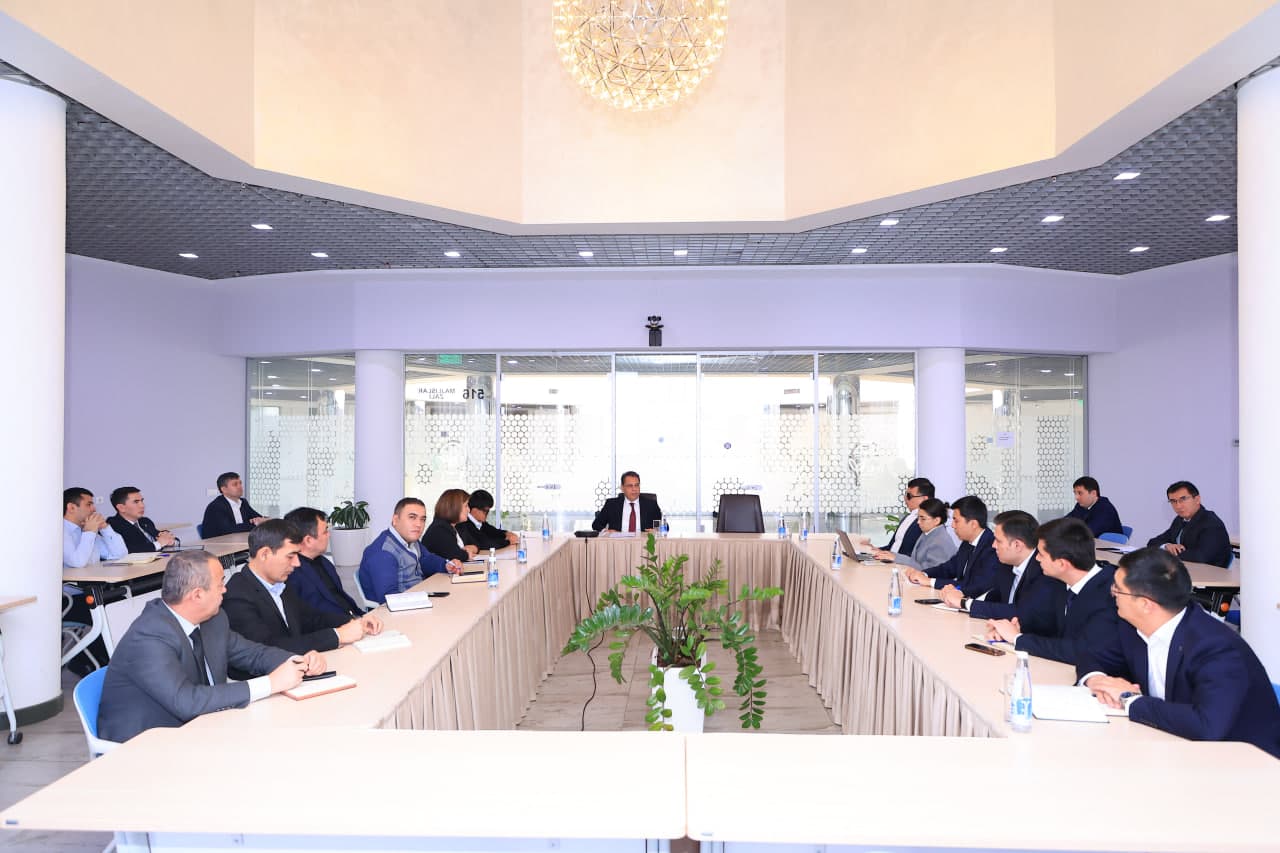
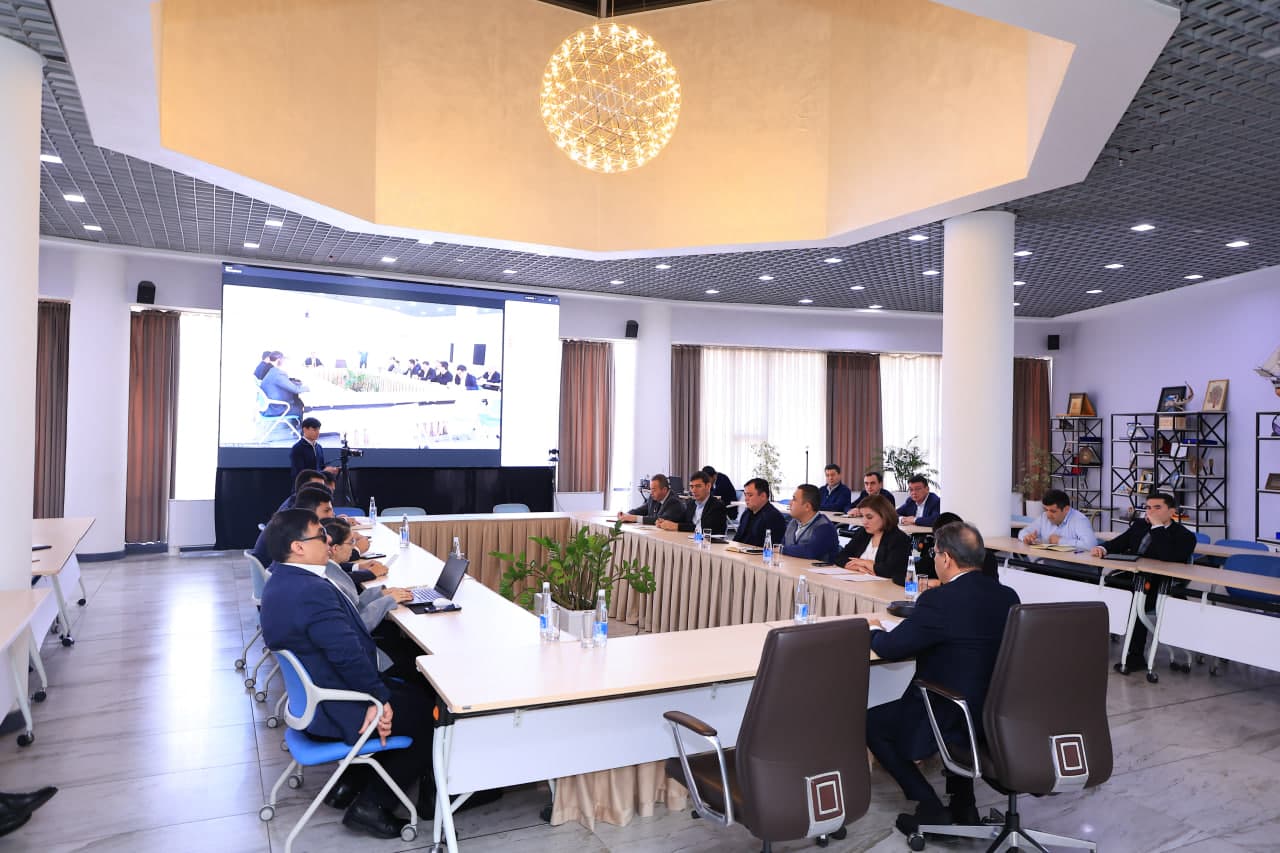
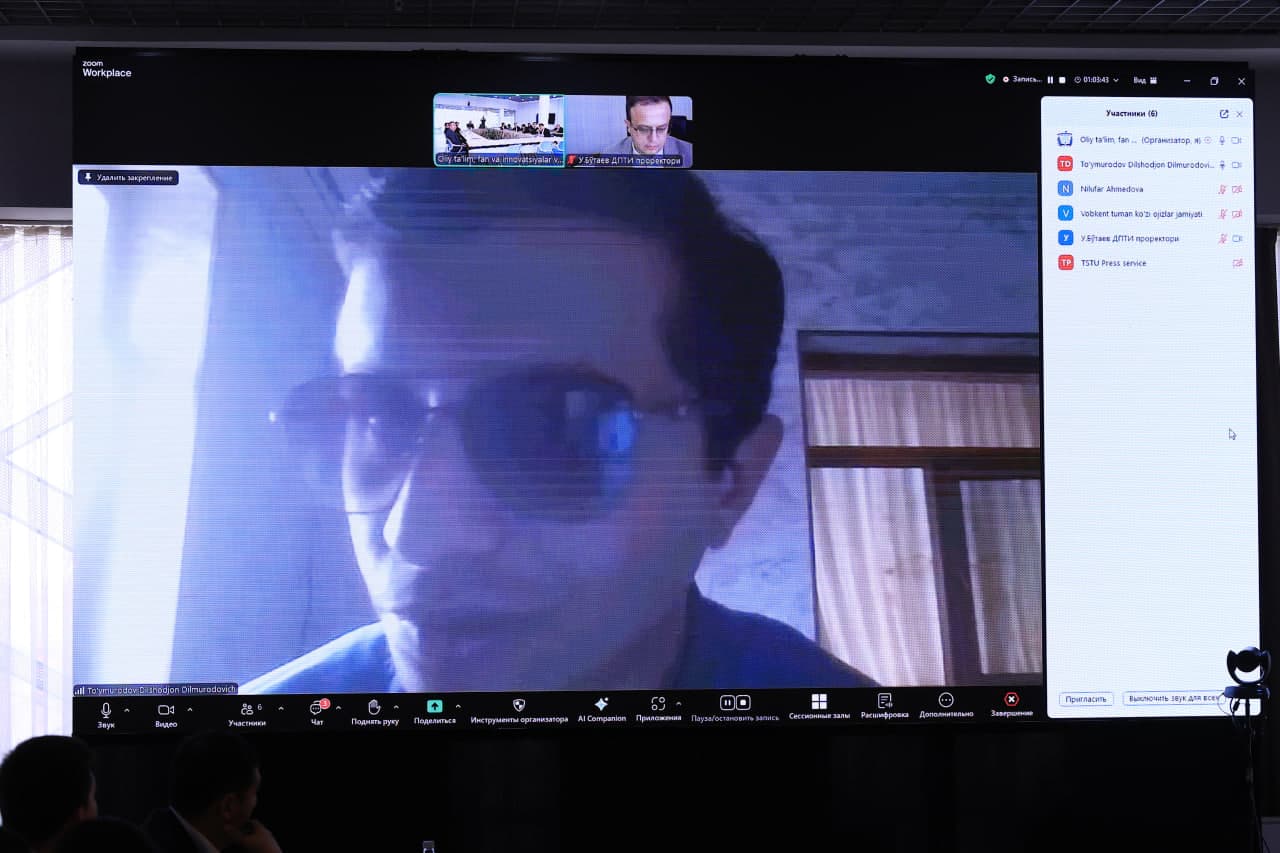
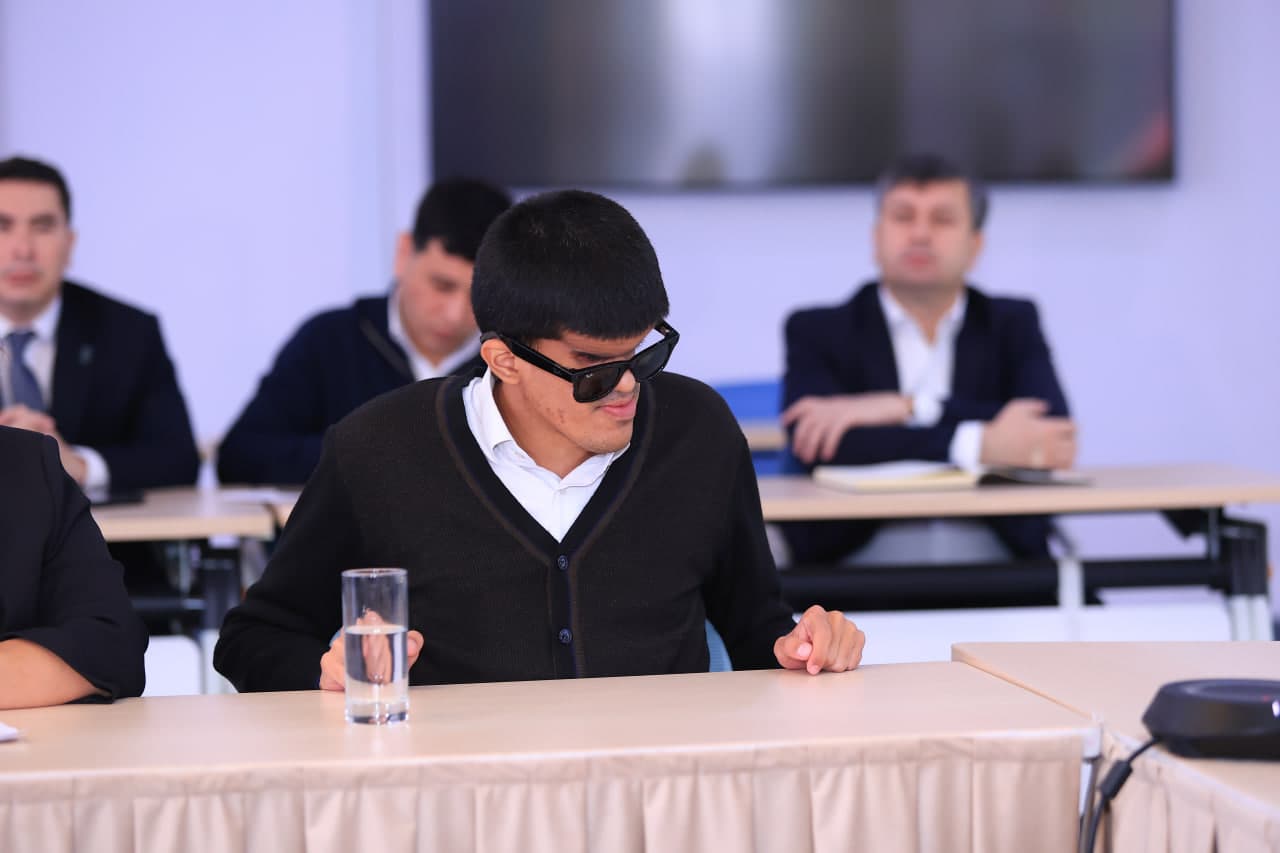
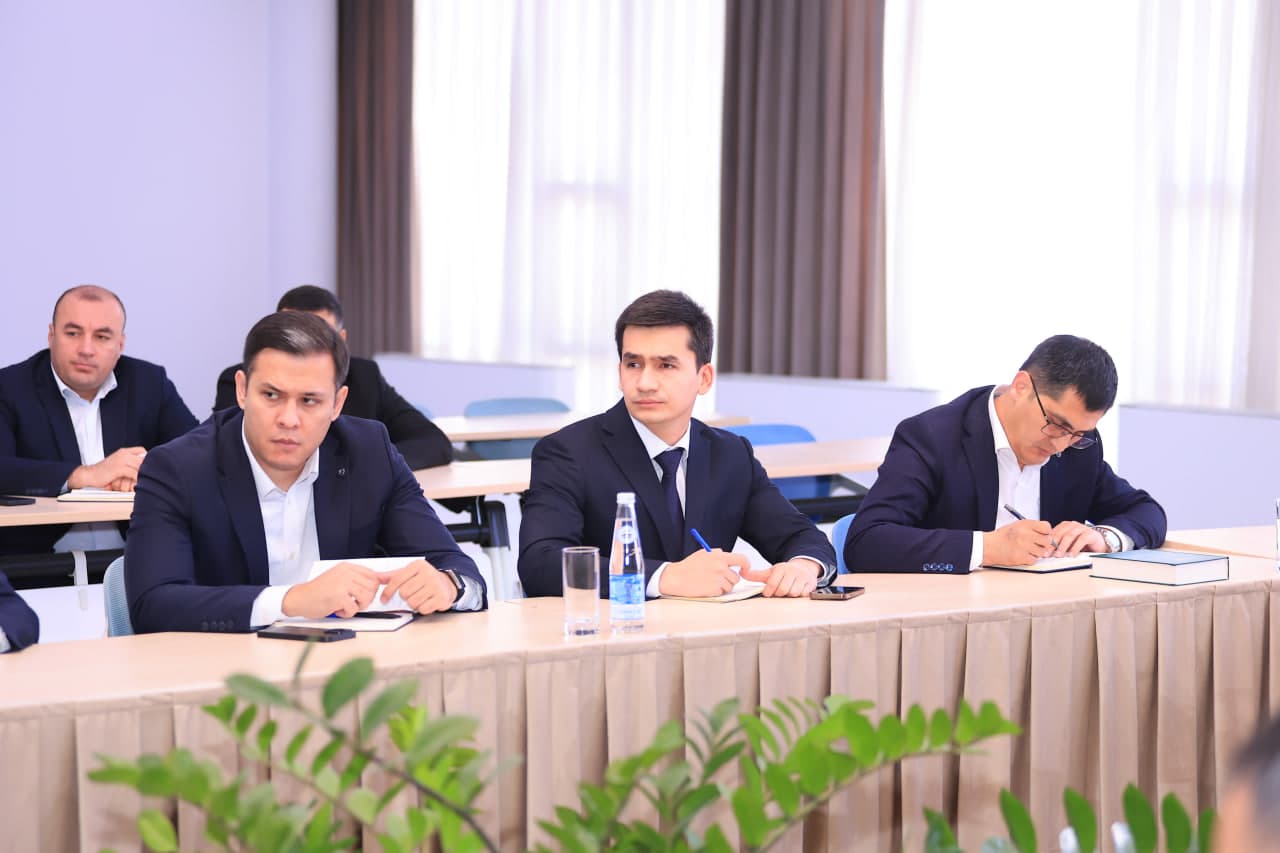
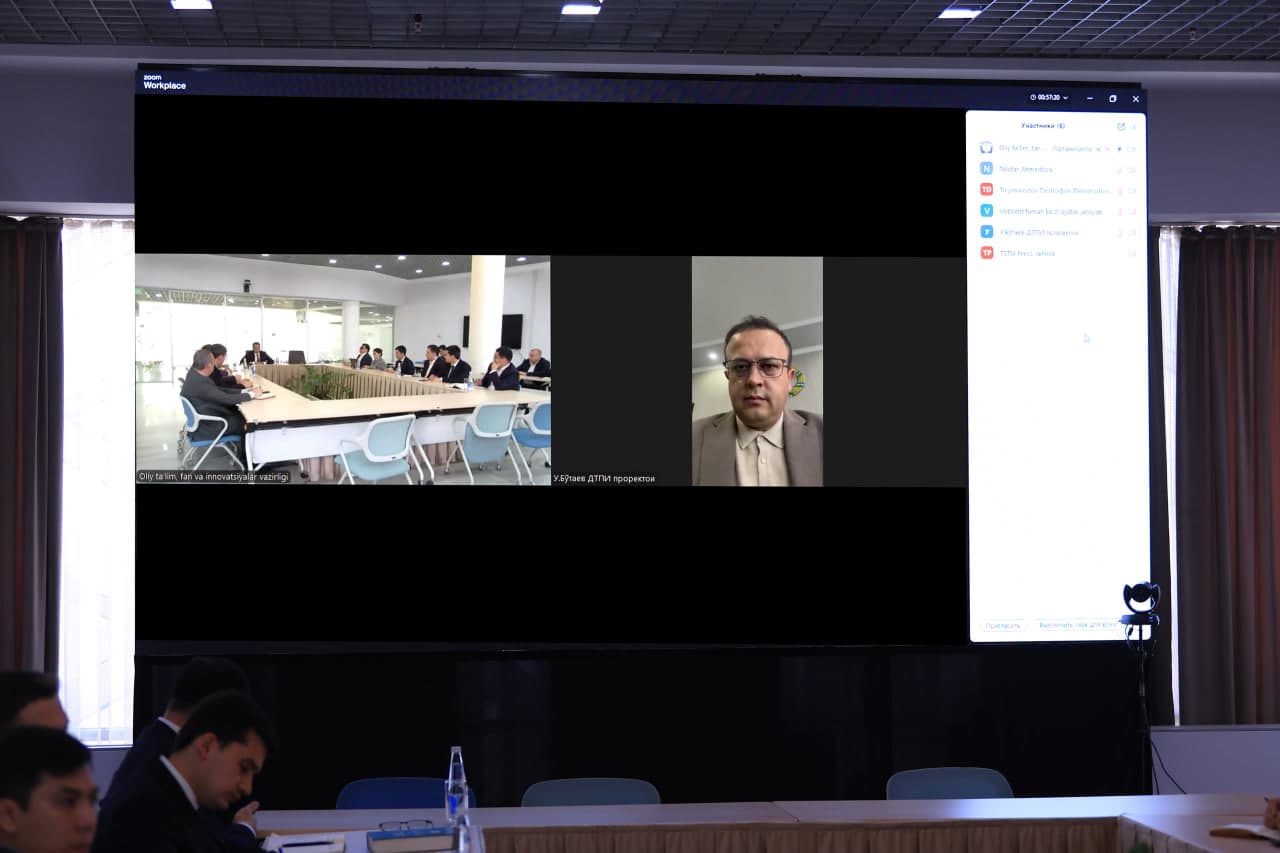
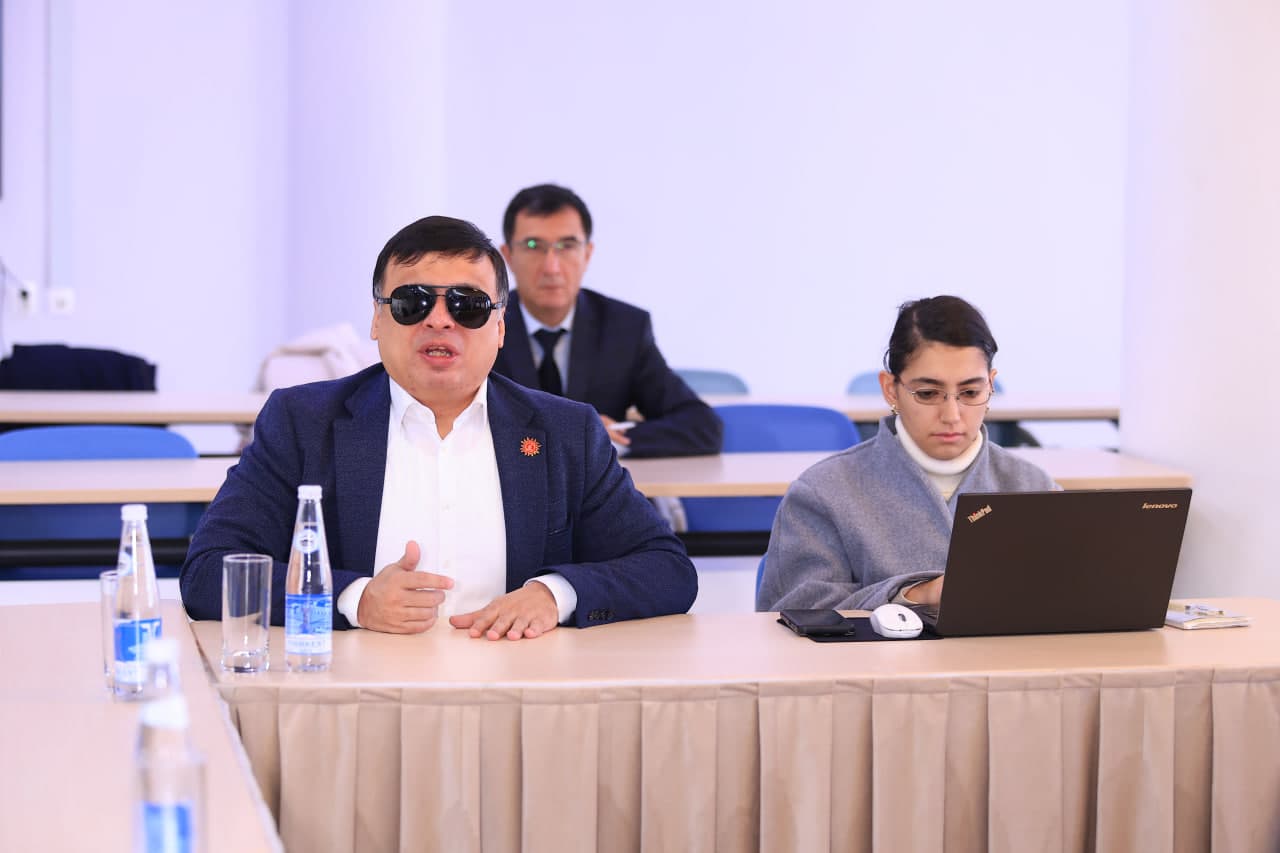
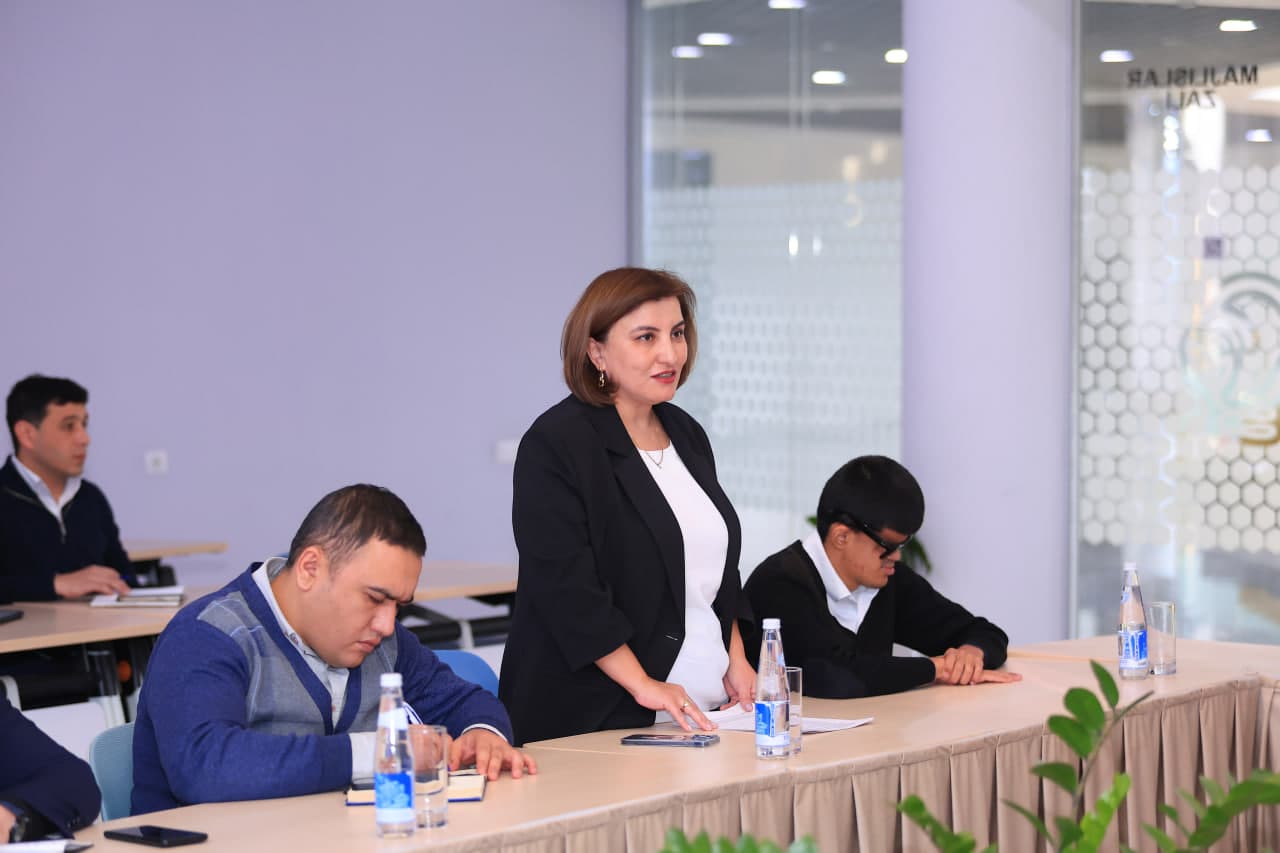
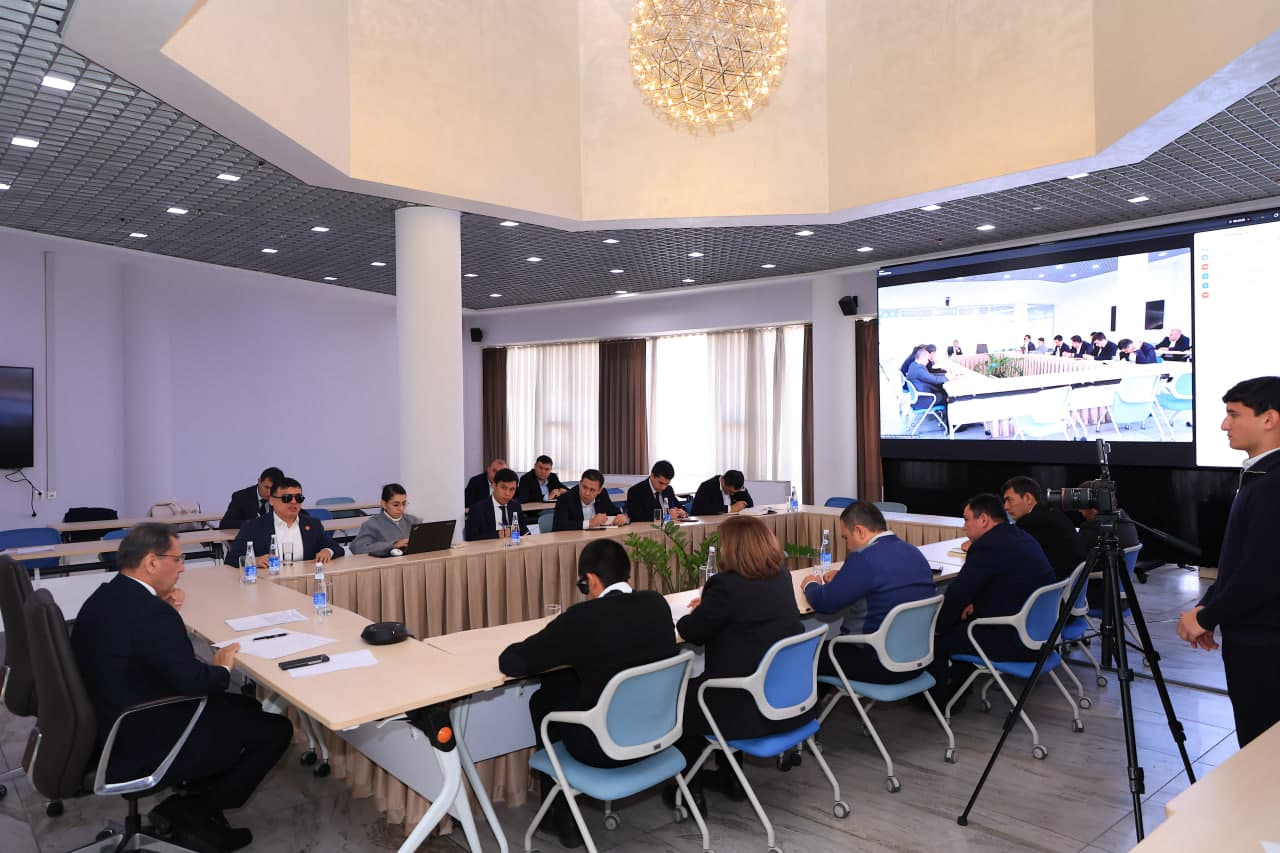
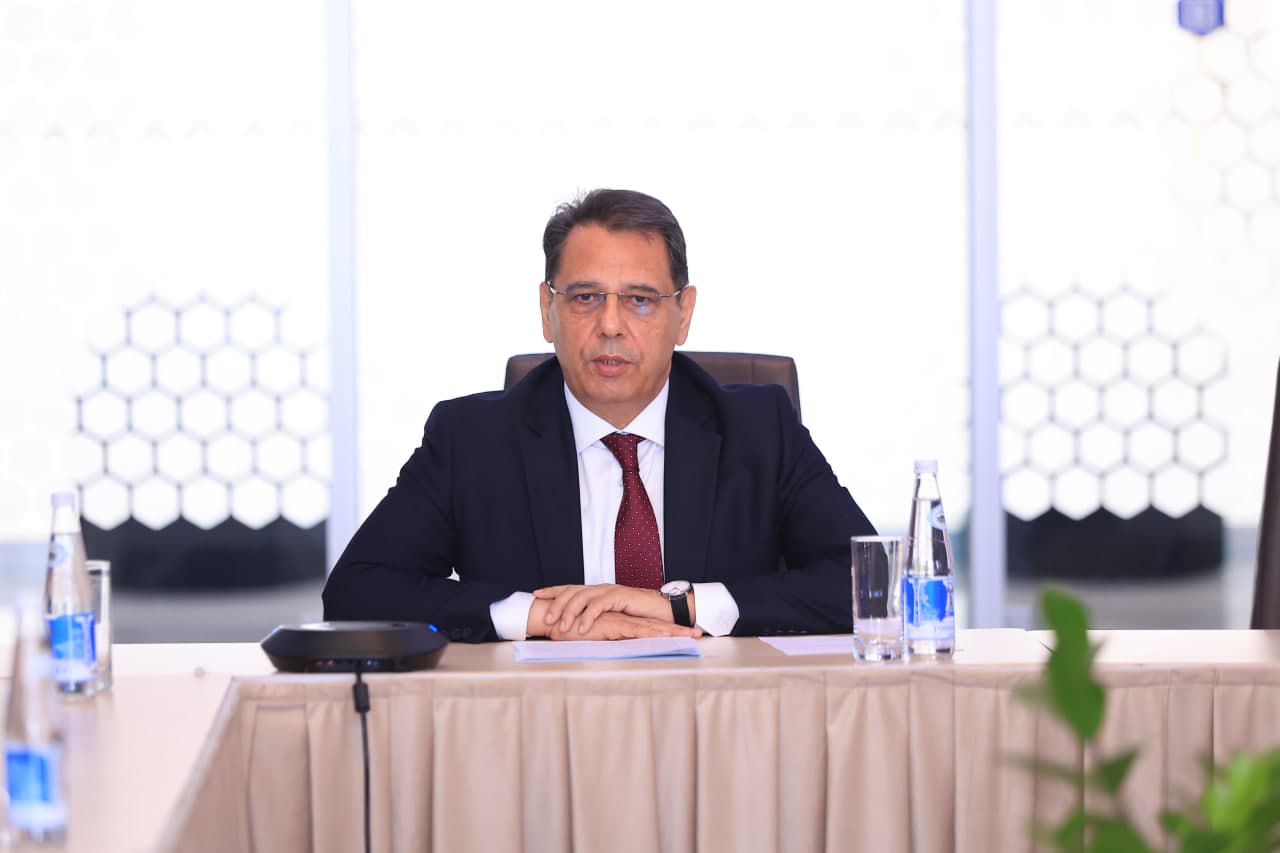
The event was attended by responsible officials of the ministry, members of the Public Council, representatives of civil society institutions, specialists from higher and vocational education institutions, students, and representatives of the mass media.
The public hearing was opened with a welcoming speech by the Minister of Higher Education, Science and Innovation, Kongratbay Sharipov. In his remarks, the Minister first provided information on the implementation of tasks defined in the documents of the President of the Republic of Uzbekistan, the Head of the Presidential Administration, and the Government, as well as on the work carried out in the field of higher education and science during 2025.
In 2025, the Ministry of Higher Education, Science and Innovation ensured the systematic and consistent implementation of assignments defined in the documents of the President of the Republic of Uzbekistan, the Head of the Presidential Administration, and the Government through the Ijro.gov.uz information system.
During the reporting period, 472 documents of the President of the Republic of Uzbekistan were received by the ministry through the Ijro.gov.uz system, including 82 presidential decrees, 280 presidential resolutions, 7 presidential orders, and 103 minutes of presidential meetings.
Within the framework of these documents, the Ministry of Higher Education, Science and Innovation was assigned 2,511 tasks, including 445 tasks under presidential decrees, 1,779 tasks under presidential resolutions, 21 tasks under presidential orders, and 266 tasks based on presidential meeting protocols.
In addition, during 2025 the ministry received 56 documents from the Head of the Presidential Administration of the Republic of Uzbekistan, 45 of which were resolutions. Within these documents, 134 tasks were assigned to the ministry.
Furthermore, 480 documents of the Government of the Republic of Uzbekistan were received by the ministry through the Ijro.gov.uz system in 2025, including 73 resolutions of the Cabinet of Ministers.
Overall, during 2025 the majority of the assignments from the President, the Head of the Presidential Administration, and the Government received through the Ijro.gov.uz system were executed in a timely and high-quality manner. This once again confirms that discipline of execution, responsibility, and a systematic approach are key priorities in the ministry’s activities.
It was also noted that normative legal acts and internal decisions adopted by the ministry are systematically analyzed for compliance with anti-monopoly legislation requirements.
Kongratbay Sharipov also emphasized that ensuring the right to education for persons with disabilities and developing an inclusive environment in the higher education system are among the priority directions of state policy.
According to the data, in 2025 3,907 additional state grant quotas were allocated for applicants with Group I and II disabilities, and 3,258 young people were recommended for admission to higher education institutions. In addition, separate entrance examinations were organized for visually impaired applicants, and the requirement to provide a foreign language certificate was abolished for certain categories of citizens during admission to master’s programs. These measures were recognized as important reforms aimed at developing inclusive education.
During the public hearing, representatives of the Association of Persons with Disabilities of Uzbekistan, students studying at higher education institutions, and researchers presented concrete proposals and recommendations regarding inclusive education practices, existing challenges, and possible solutions.
Particular attention during the discussions was paid to adapting higher education infrastructure to inclusive standards, improving conditions in student dormitories, training qualified specialists in inclusive education, and expanding the implementation of digital and innovative solutions.
At the conclusion of the public hearing, the proposals and recommendations expressed on creating an equal, accessible, and open educational environment in the higher and vocational education system were summarized. It was noted that these recommendations would be submitted to relevant authorities to further develop inclusive education.