SAFETY ISSUES IN HANDLING HAZARDOUS CHEMICALS
2025-04-12 10:20:00 / News
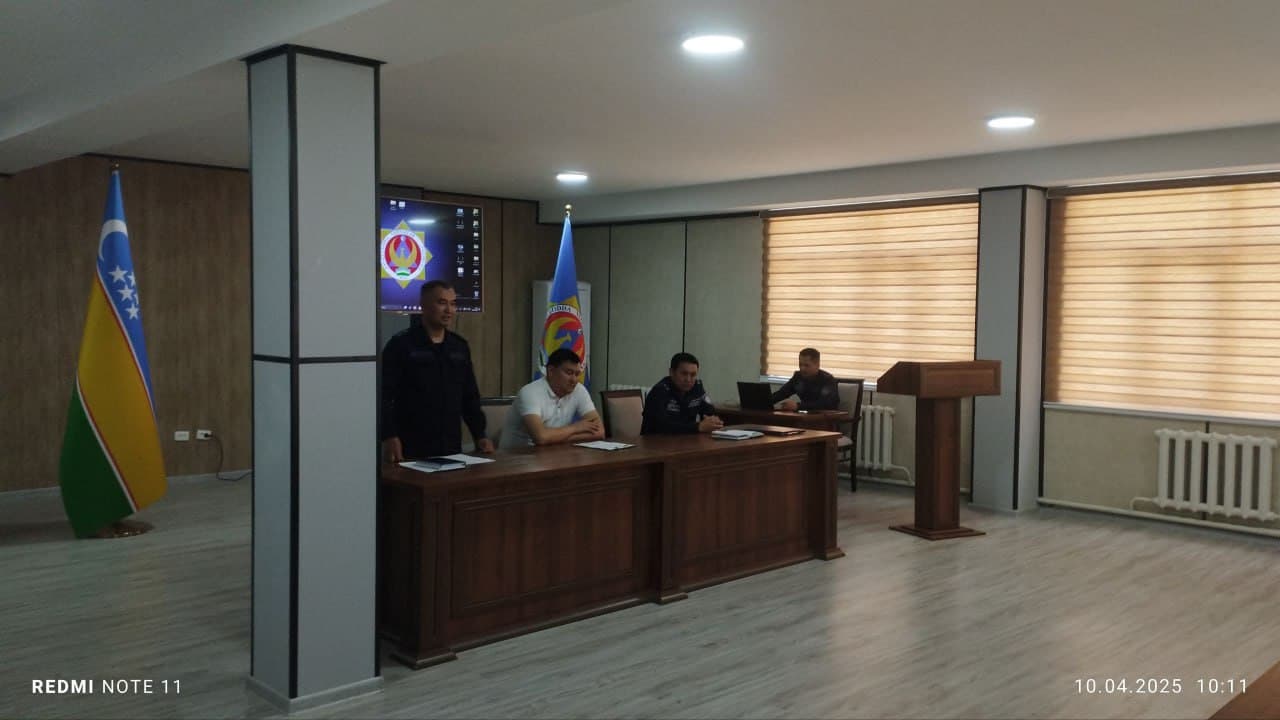
On April 10, 2025, a seminar was organized for warehouse representatives and industry specialists working with chemical substances. It was held by the Committee for Industrial, Radiation, and Nuclear Safety and the Karakalpakstan Regional Department of the Ministry of Emergency Situations in accordance with Resolution No. 121 of the Cabinet of Ministers of the Republic of Uzbekistan dated March 7, 2024, “On the approval of regulations for monitoring the activities related to storage, transportation, use, and disposal of chemicals (products) with high flammability and explosion risk.”



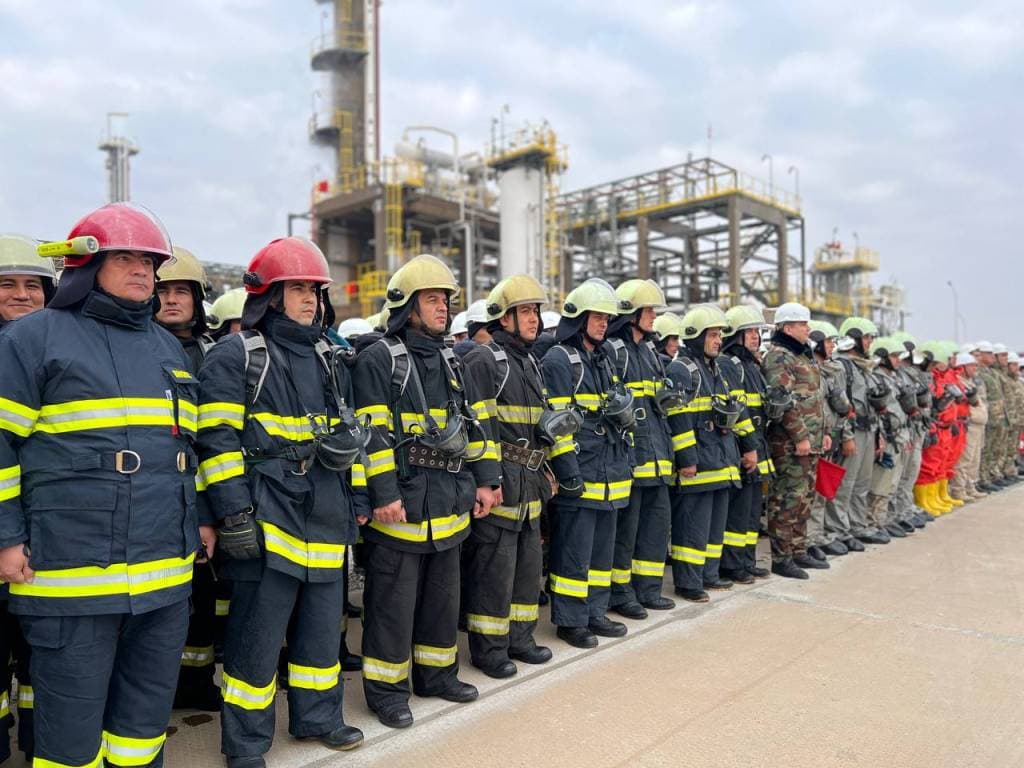
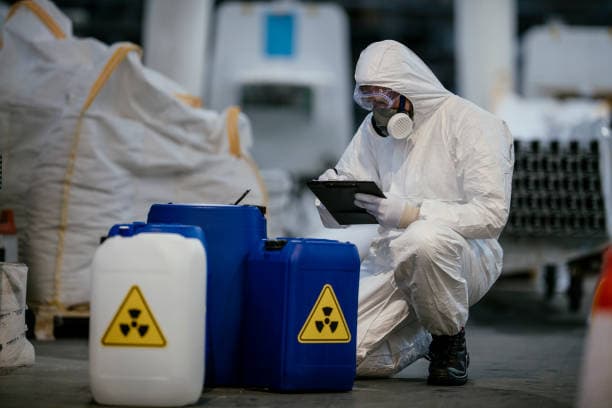


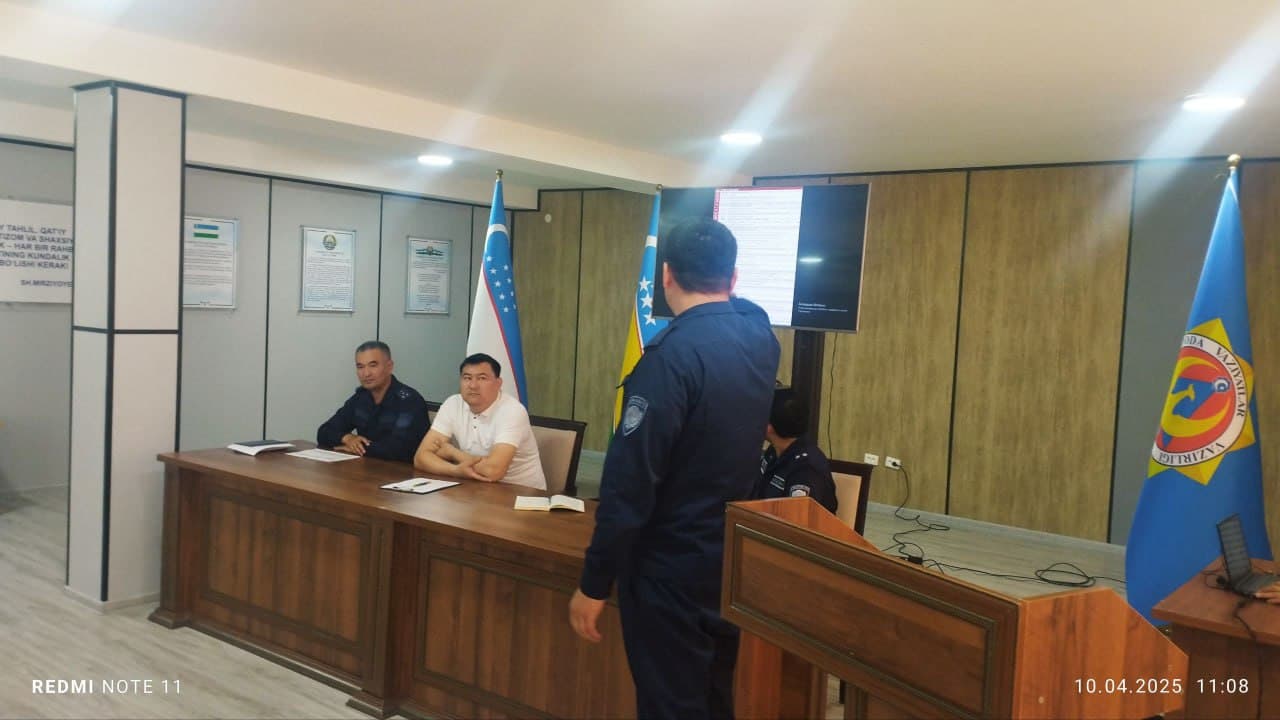

Working with highly flammable and explosive chemicals requires strict adherence to safety standards. Given the growth in chemical industry production, issues of storing, transporting, using, and disposing of such substances are becoming increasingly urgent.
During the seminar, participants were informed about newly adopted norms and regulatory documents. It was highlighted that Uzbekistan has developed specific regulatory documents and standards for the storage of hazardous chemicals. Key safety measures include:
• Chemicals must be stored in specially equipped buildings that meet ventilation, temperature, and fire safety requirements.
• Storage should minimize fire risk and ensure substances are separated based on their properties. For example, flammable substances must not be stored near oxidizers or acids to prevent unwanted reactions.
• Regular inspections should be carried out to detect leaks or other hazards early and ensure timely responses.
In terms of transportation, hazardous chemicals must be strictly packaged and labeled according to international standards. Labels help ensure safety during transportation and alert personnel to potential risks.
Note: Personnel involved in transporting hazardous materials must undergo mandatory training on safe handling procedures and emergency response. GPS tracking systems are recommended for timely response to incidents and accident prevention.
During production processes involving extremely hazardous chemicals:
• Personal protective equipment (PPE) such as masks, gloves, and goggles must be used to minimize exposure.
• Regular safety training helps reduce workplace accidents.
• Automated control systems can detect deviations early and prevent emergencies.
Hazardous waste disposal is a critical aspect of risk management:
• Only licensed organizations should dispose of hazardous waste to ensure safety standards are met.
• New technologies such as thermal destruction and environmentally friendly recycling methods are being explored in Uzbekistan.
• Environmental monitoring of disposal sites ensures protection of soil and water resources.
In summary, working with highly hazardous chemicals requires a comprehensive safety approach at every stage—from storage to disposal. Strict safety standards, modern technologies, and trained personnel help minimize fire and explosion risks. Further development in this area is essential to protect not only workers but also the environment.