NEW STAGE IN AGRICULTURE: MODERN INFRASTRUCTURE, ENERGY EFFICIENCY, AND INTERNATIONAL COOPERATION
2026-10-02 19:05:00 / News


The rational and efficient use of water resources is becoming a crucial factor not only for the development of agriculture but also for food security, sustainable regional development, and the well-being of the population. Especially in the context of climate change, conserving existing water resources, modernizing irrigation infrastructure, and improving the energy efficiency of water supply systems are of strategic importance.
One of the key aspects of the reforms being implemented in our country in this direction is the formation of modern, efficient, and long-term irrigation systems in cooperation with international financial institutions.
"National Irrigation and Energy Efficiency Improvement Project," implemented with the participation of the World Bank, is one of these major initiatives. The project aims to reconstruct and modernize irrigation facilities, enhance the reliability of hydraulic structures, improve operational processes, and widely introduce modern management and technical approaches in the sector.
The goal is not just to renew the infrastructure
From September 27 to 30, 2026, a mission consisting of representatives from the World Bank and specialists from the Center for Implementing Foreign Investment Projects in Water Management under the Ministry of Water Management visited the Surkhandarya, Kashkadarya, and Bukhara regions.
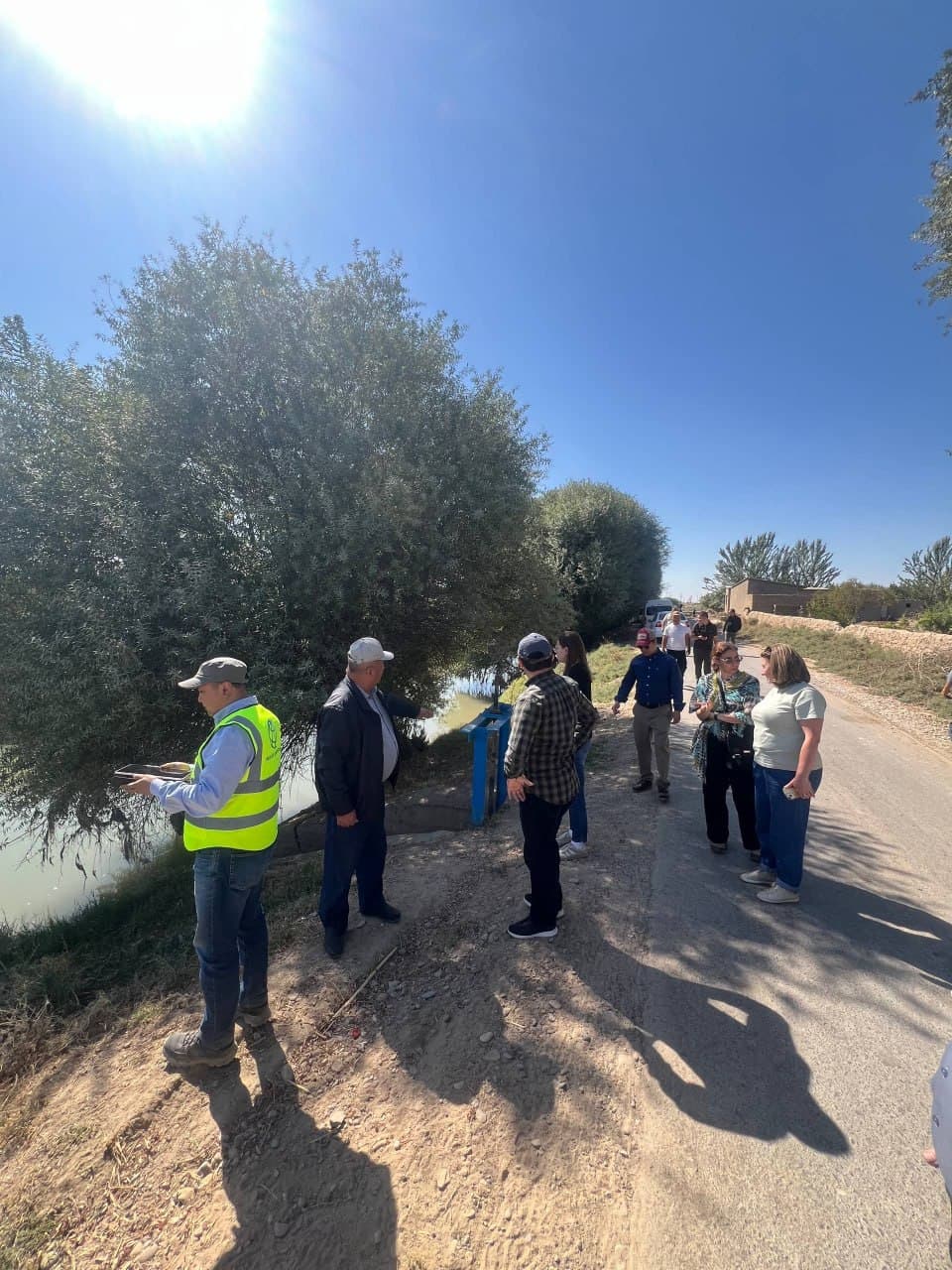
An important aspect of the visit was that the mission members studied the status of the projects not only based on reports and documents but also by going directly to the sites. Discussions were held with the leaders and specialists of the operational organizations regarding the technical condition of the facilities, the organization of future construction works, the water supply regime, and practical needs.
This approach ensures that the solutions adopted for each facility are aligned with the real conditions, water usage regimes, and regional needs.
Surkhandarya: The Zang Canal is preparing for modernization
One of the initial destinations of the mission was Surkhandarya region.
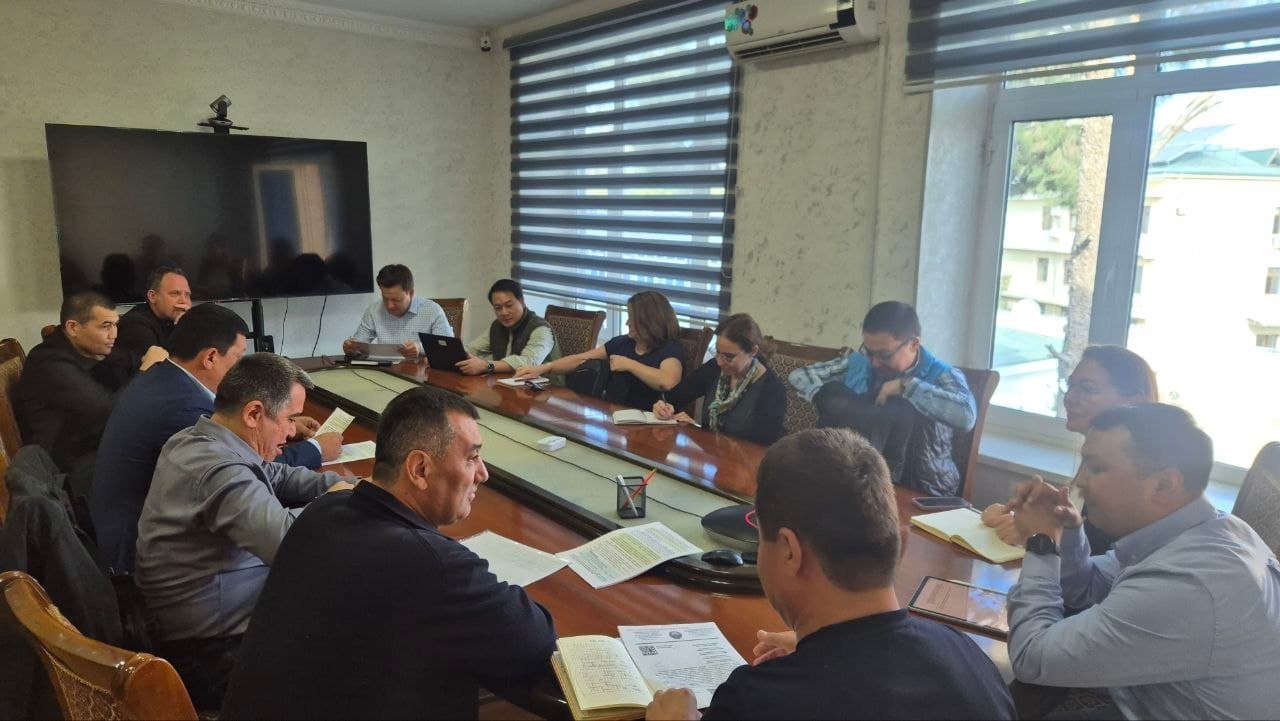
On September 28, a meeting was held in the city of Termez with the leadership and responsible specialists of the Amu-Surkhon irrigation systems basin management, where the organizational and technical aspects of the project were discussed.
Based on the resolution No. PQ–242 of the President of the Republic of Uzbekistan dated August 1, 2025, a comprehensive modernization of the Zang canal in the Surkhandarya region is planned along with hydraulic engineering structures.
Currently, the process of selecting a consulting company for this project is at the final stage. The tender documents are scheduled to be developed by the end of this year.
During the discussions, special attention was paid to one of the most important aspects of project implementation — the issue of coordinating construction and installation works with the existing water supply schedule.
Indeed, ensuring the interests of water consumers during the reconstruction of the irrigation facility and preventing interruptions in water supply to the fields is a crucial task, similar to the technical solutions of the project.
Additionally, the issues of purchasing special equipment, organizing training seminars for specialists working in the field, and enhancing their qualifications were also discussed. Representatives of the World Bank expressed their readiness to further strengthen technical and advisory support when necessary.
Kashkadarya: Comprehensive Approach to the Pakhtobod Canal
On September 29, the mission continued its work in the Kashkadarya region.
A meeting held in the city of Karshi with the leadership of the Amu-Kashkadarya irrigation systems basin management thoroughly discussed the reconstruction and modernization of the Pakhtobod canal along with hydraulic engineering structures.
This facility is also at the final stage of selecting a consulting company, and the relevant tender documents are planned to be prepared by the end of the year.
The parties exchanged views on issues related to implementing the project within the specified deadlines and with high quality, timely resolution of technical issues, procurement of special equipment, and organizing activities aimed at enhancing the professional competence of specialists.
The mission members directly inspected the Pakhtobod canal and its related infrastructure objects, studying their current technical condition. During discussions with specialists from the operating organization, the daily operations of the facility, potential issues that may arise during the reconstruction period, and mechanisms for practical solutions were discussed.
This allows for the project solutions to be formulated not in a cabinet environment, but taking into account the actual condition of the facility and the experience of the specialists using it.
Bukhara: modernization focused on efficiency
On September 30, the mission members were in Bukhara region.
During a meeting held at the Amu-Bukhara irrigation systems basin management, tasks related to the modernization of the local canals and hydraulic engineering structures were discussed.
Here, the process of selecting a consulting company has entered its final stage. The relevant tender documents are expected to be developed by the end of this year.
Representatives of the World Bank reiterated their readiness to provide necessary technical and advisory support within the framework of the project.
During the mission, visits to the facilities were made to study their technical condition, operational processes, and practical issues related to future modernization efforts on-site.
The most important capital of cooperation is knowledge and experience
The significance of the project cannot be fully measured solely by the canals to be reconstructed or the hydraulic engineering structures to be renewed.
The modern irrigation infrastructure primarily requires a qualified specialist who can manage it effectively.
Therefore, it is particularly important to continuously discuss issues such as organizing training seminars for specialists during the mission, enhancing skills in using modern technical solutions, and strengthening the material and technical base of operational services.
This approach ensures the long-term effectiveness of the project. Because modern facilities require modern management, and new equipment needs highly qualified personnel who can operate it correctly.
From communication to concrete actions
On October 2, 2026, the final discussions of the mission were held at the Center for the Implementation of Foreign Investment Projects in Water Management.
Priority tasks were identified regarding the timely and quality implementation of activities outlined within the project, accelerating the tender processes, organizing necessary exploratory work at the sites, and coordinating construction and installation work with the water supply schedule.
At the same time, the importance of regularly organizing missions and working meetings to further strengthen practical cooperation between the World Bank and the Ministry of Water Management of the Republic of Uzbekistan, as well as to quickly resolve technical and organizational issues, was emphasized.
Investment in water infrastructure is an investment in the future
Modernizing the irrigation system is not just about renewing the canal walls or repairing hydraulic structures.
It is a systematic investment aimed at increasing the value of every cubic meter of water, ensuring the reliability of the water supply system, optimizing energy consumption, creating sustainable conditions for agricultural producers, and most importantly, preserving water resources for future generations.
"National Irrigation and Energy Efficiency Improvement Project being implemented in collaboration with the World Bank, serves exactly these purposes.
The project encompasses every object from Surkhandarya to Kashkadarya and from Kashkadarya to Bukhara, serving as a distinct link in the establishment of a modern irrigation system.
They are united by a common goal: to make more rational use of water, enhance the efficiency and reliability of infrastructure, and elevate Uzbekistan's water management to a modern, sustainable, and technologically advanced level.
Bahodir Faizullaev,
Bahodir Usanov,
employees of the project "National Irrigation and Energy Efficiency Improvement Project"
