
Water Saving and Digital Monitoring: UZBEKISTAN IS ON THE RIGHT PATH
2026-02-10 09:45:00 / News
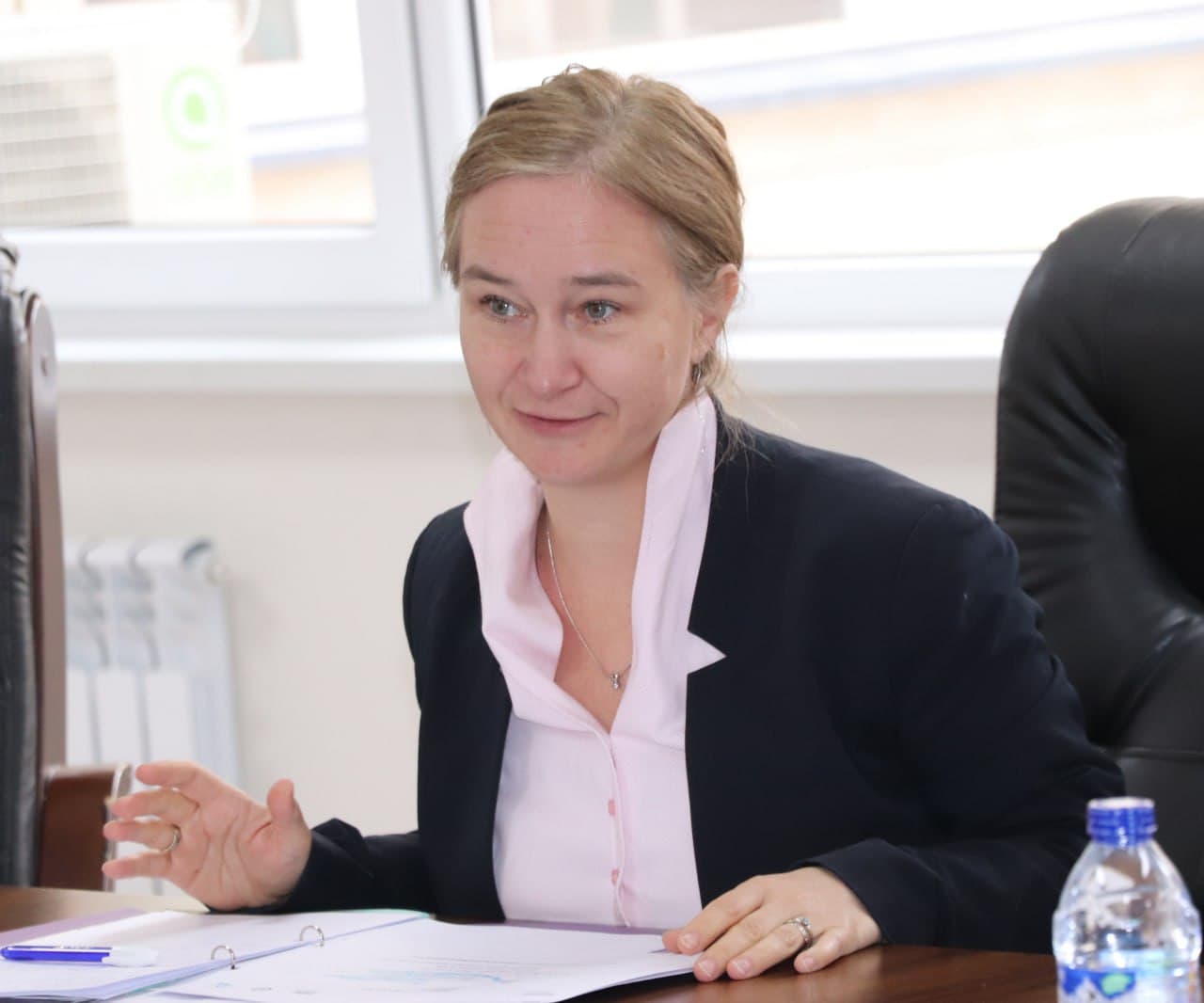
For several years now, I have been cooperating with the Ministry of Water Resources of Uzbekistan, and during this time I have been able to observe first-hand the reforms being implemented in the sector. I have even taken part personally in some processes. Over the past 25 years, the International Water Management Institute has made a worthy contribution to this work.
Whereas in the past the government focused mainly on maintaining infrastructure, today the approach has fundamentally changed—water saving, water accounting, and the digitalization of water management have become top priorities. It is clear that these changes are already delivering tangible results in practice.
In my view, the recent decision adopted by President Shavkat Mirziyoyev is a logical continuation of this process. In particular, the target to expand the coverage of water-saving technologies to 3.5 million hectares in 2026–2028 is a very important step. This figure will not only increase agricultural efficiency, but also help reduce pressure on water resources. In addition, the plan to save billions of cubic meters of water every year is a strong result by international standards.
I believe one of the strongest aspects of this decision is that it clearly defines economic instruments. Supporting farmers and entrepreneurs through loans and subsidies, and covering part of the costs of introducing water-saving technologies, will ensure that reforms deliver results faster in practice. Such mechanisms are also used in other countries with similar climatic conditions, where they have proven effective.
It is also very important that the decision includes measures to digitalize water accounting and control systems, including the introduction of “smart” water metering and accounting devices, the expansion of GPS-based monitoring systems, and the deployment of broader monitoring mechanisms. In modern irrigation management, collecting and analyzing data in real time is one of the most effective ways to save resources.
At the same time, the provisions on improving staff qualifications and strengthening cooperation with educational institutions and research organizations deserve special attention. This is because reforms in the water sector lead to sustainable results not only through technology or infrastructure, but also through the training of skilled specialists.
Based on my observations, reforms in Uzbekistan’s water sector are being implemented step by step and in a systematic manner. Modernizing infrastructure, strengthening control and monitoring, introducing financial incentive mechanisms, and advancing digitalization fully align with the principles of integrated water resources management in international practice. Therefore, it can be said that the work underway is producing results not only on paper, but also in real life.
In the coming year, to successfully continue the reform path, it will be necessary to move beyond a purely quantitative approach and place even greater emphasis on “smart” incentives, quality control, and a sustainable development system. I am confident that only then will Uzbekistan, in the coming years, become one of the region’s leading examples in effective water resources management and irrigation modernization. This, in turn, will be an important factor not only for economic efficiency, but also for ensuring food security and environmental sustainability.