
Urban Development and Construction: Modernizing Infrastructure for Sustainable and Comfortable Growth
2025-06-12 15:00:00 / News


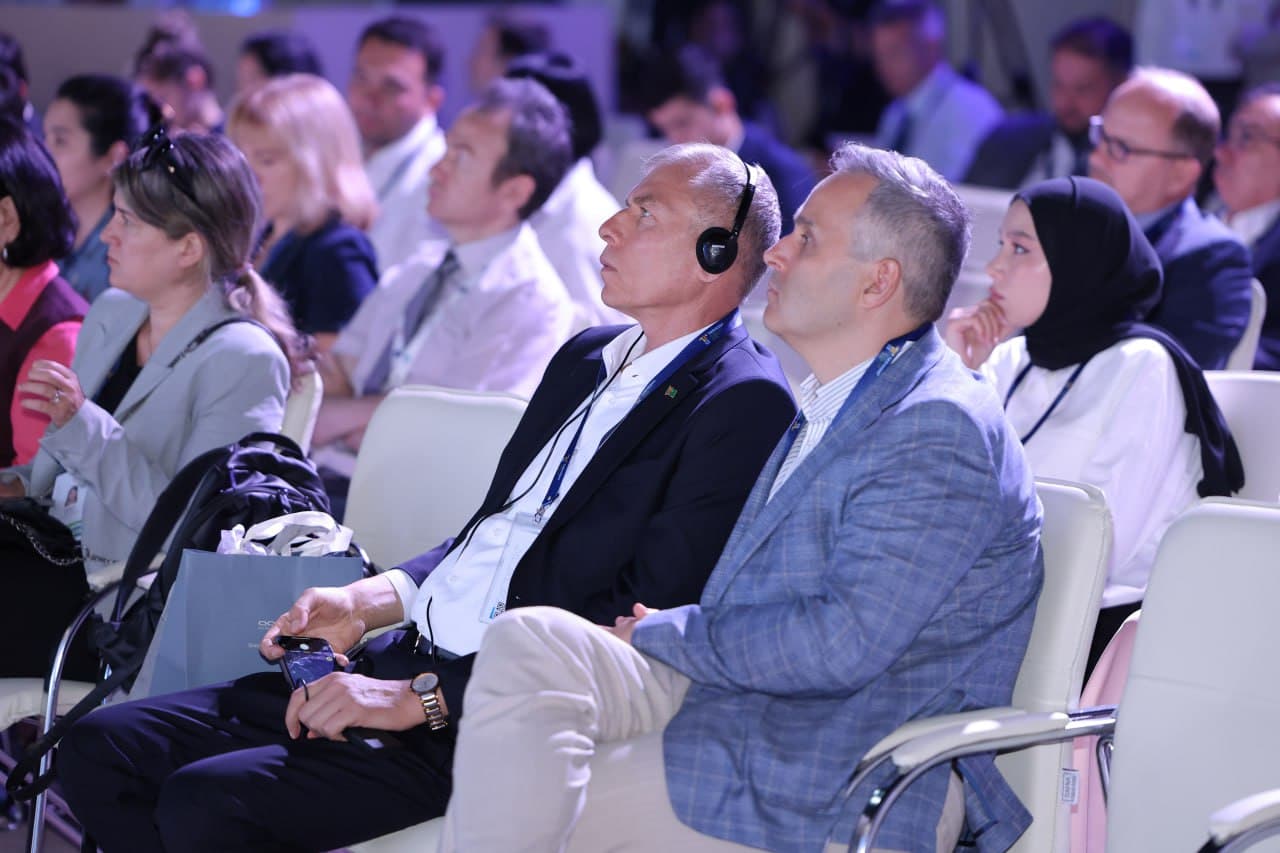


With rapid population growth, especially among the young and educated, the creation of modern and livable urban environments has become a top priority. Accelerating urbanization and infrastructure development offers significant opportunities to implement innovative construction technologies and raise quality standards. In this context, international cooperation plays a key role in advancing sustainable solutions that support long-term socio-economic development and modernization.
These issues were at the heart of the panel session “Urban Development and Construction: Modernizing Infrastructure for Sustainable and Comfortable Growth”, held on June 12 as part of the Tashkent International Investment Forum, organized by the Ministry of Investment, Industry and Trade of the Republic of Uzbekistan.
The session, moderated by Hussam Raouf, Partner and Director at Boston Consulting Group (BCG), focused on modernization and sustainable development initiatives in urban planning and construction, as well as measures to improve quality of life through infrastructure upgrades and stable socio-economic progress.
Speakers included:
- Sasha Parneix, Vice President of Sales and Marketing, Alstom
- Manuela Gatto, Director, Zaha Hadid Architects
- Hakan Ceyhan Agca, Founder & Managing Director, Cross Works (New Tashkent Masterplan & Architectural Guidelines)
- Varun Dave, Associate Director, Synergy Consulting
- Maksim Popov, Chief Business Development Officer of Anhor Evolution Ltd.
- Izzet Gormez, Senior Project Development and Investment Executive, KOC Construction
Hussam Raouf set the tone by stating: “By 2050, two-thirds of the world’s population will live in cities. These cities will account for over 90% of global economic growth. However, this growth will be uneven - largely concentrated in Asia and Africa. With a population of 37.6 million, Uzbekistan is the most populous country in Central Asia. So we must ask: what kind of pressure will this growth place on infrastructure, social inclusion, and urban planning?”
He continued: “Cities must be built on the principles of inclusivity and proximity. For example, the 15-minute city concept ensures that all essential services are accessible within walking distance, reducing the need for travel and promoting equal access for all.”
Hakan Ceyhan Agca presented the vision for the New Tashkent project: “New Tashkent is not just another urban plan. Our goal is to set a new benchmark for city building across Central Asia. The project covers 25,000 hectares, with more than 25% dedicated to open public spaces. Population density will be approximately 100 people per hectare. The city must harmonize with the natural landscape, which is why we designed a system of valleys and canals linking the Chirchik and Karasu rivers. It uses gravity-fed water flow, leveraging natural terrain, forming a sustainable green urban model similar to Amsterdam or Copenhagen.”
Sasha Parneix, Vice President at Alstom, highlighted the importance of public transportation: “If each of the city’s two million residents drives a car, the city cannot be sustainable. That’s why many cities are shifting from private vehicles to metro and tram systems.”
Panelists noted Uzbekistan’s efforts to adopt innovative building technologies, upgrade infrastructure, and enhance living standards, all while aiming for a more sustainable and inclusive urban future.