Uzbekistan’s Migration Agency and Polish experts discuss labour market trends and organised recruitment
2026-11-23 19:30:00 / News
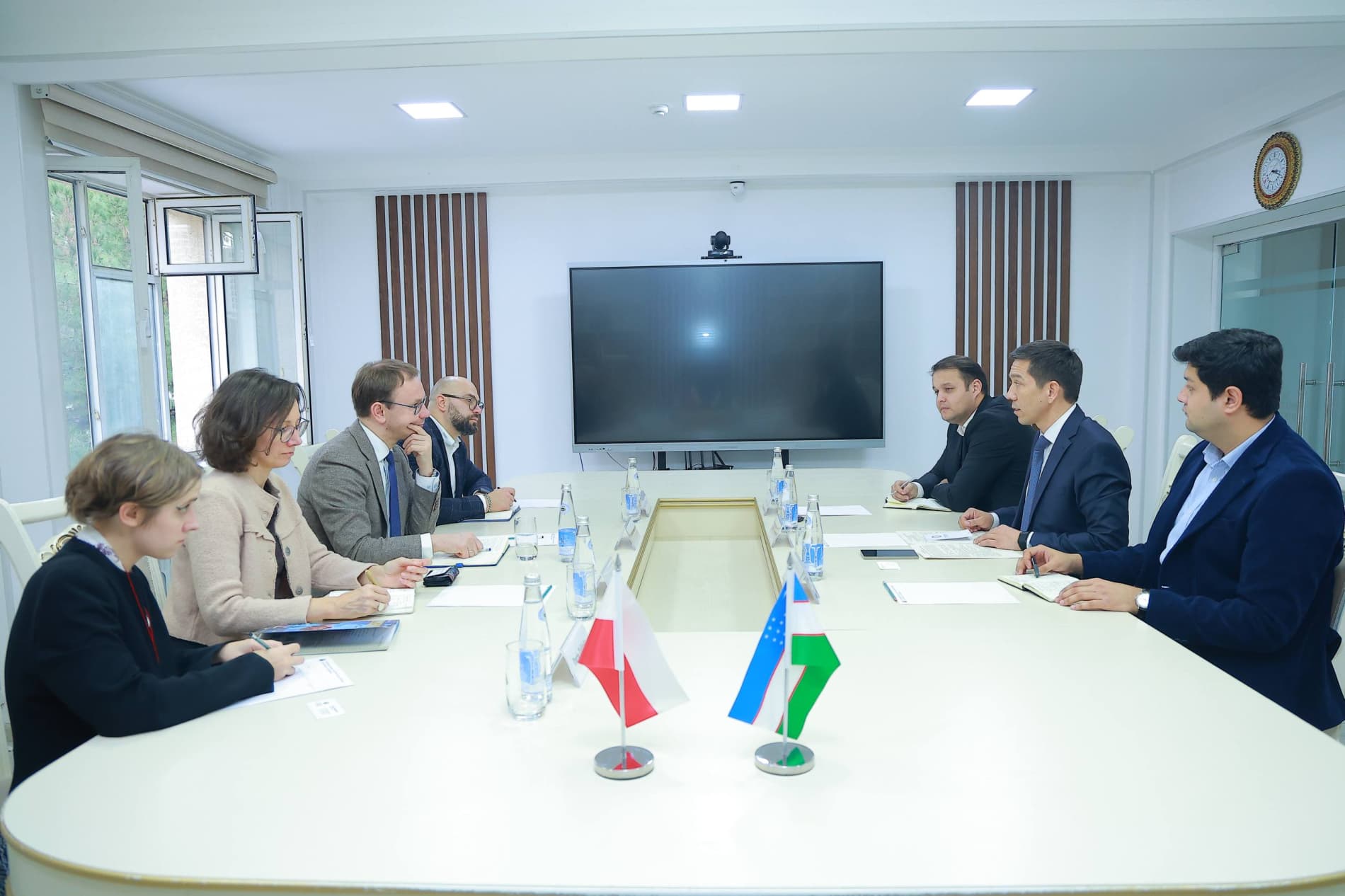
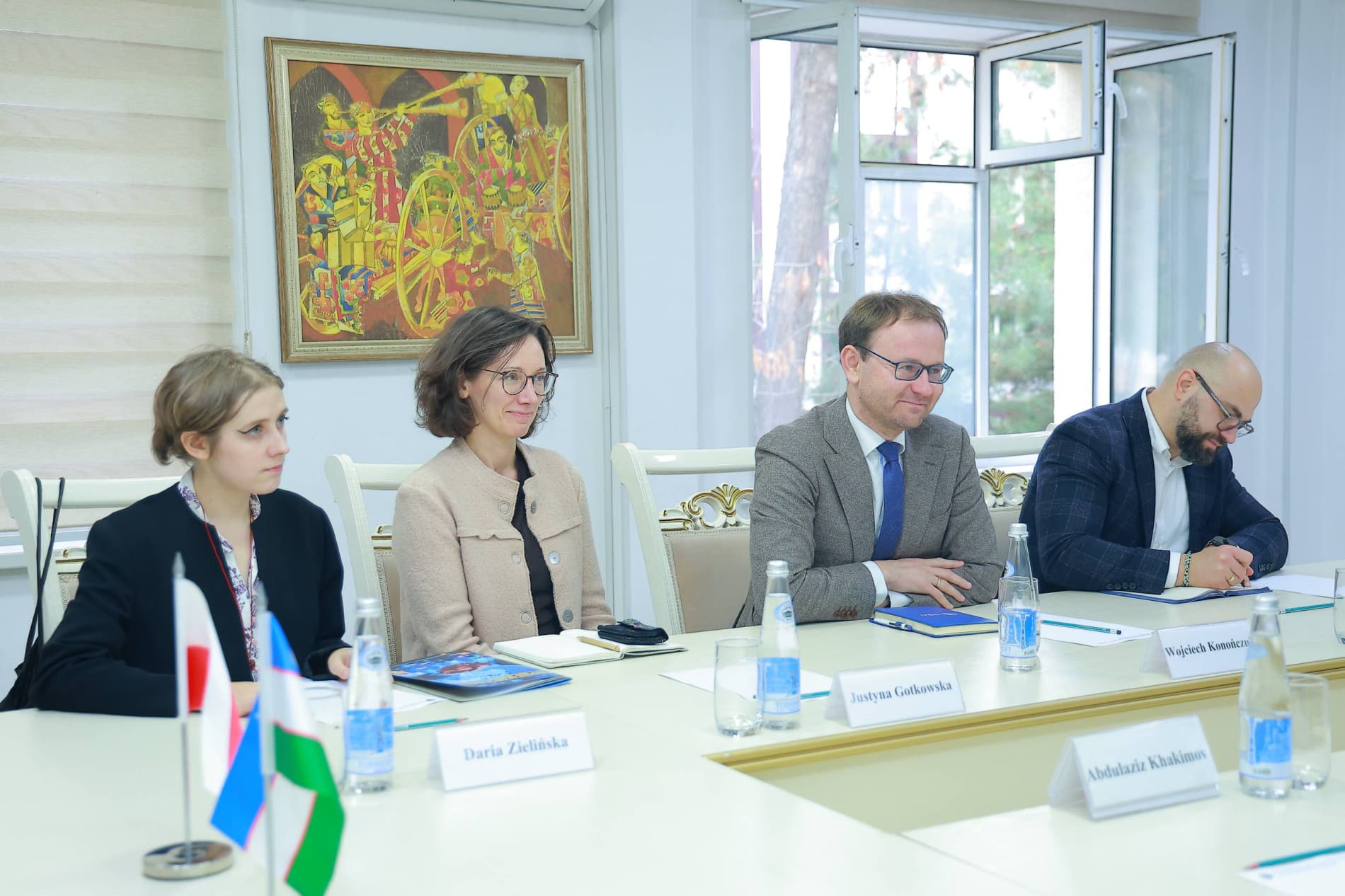
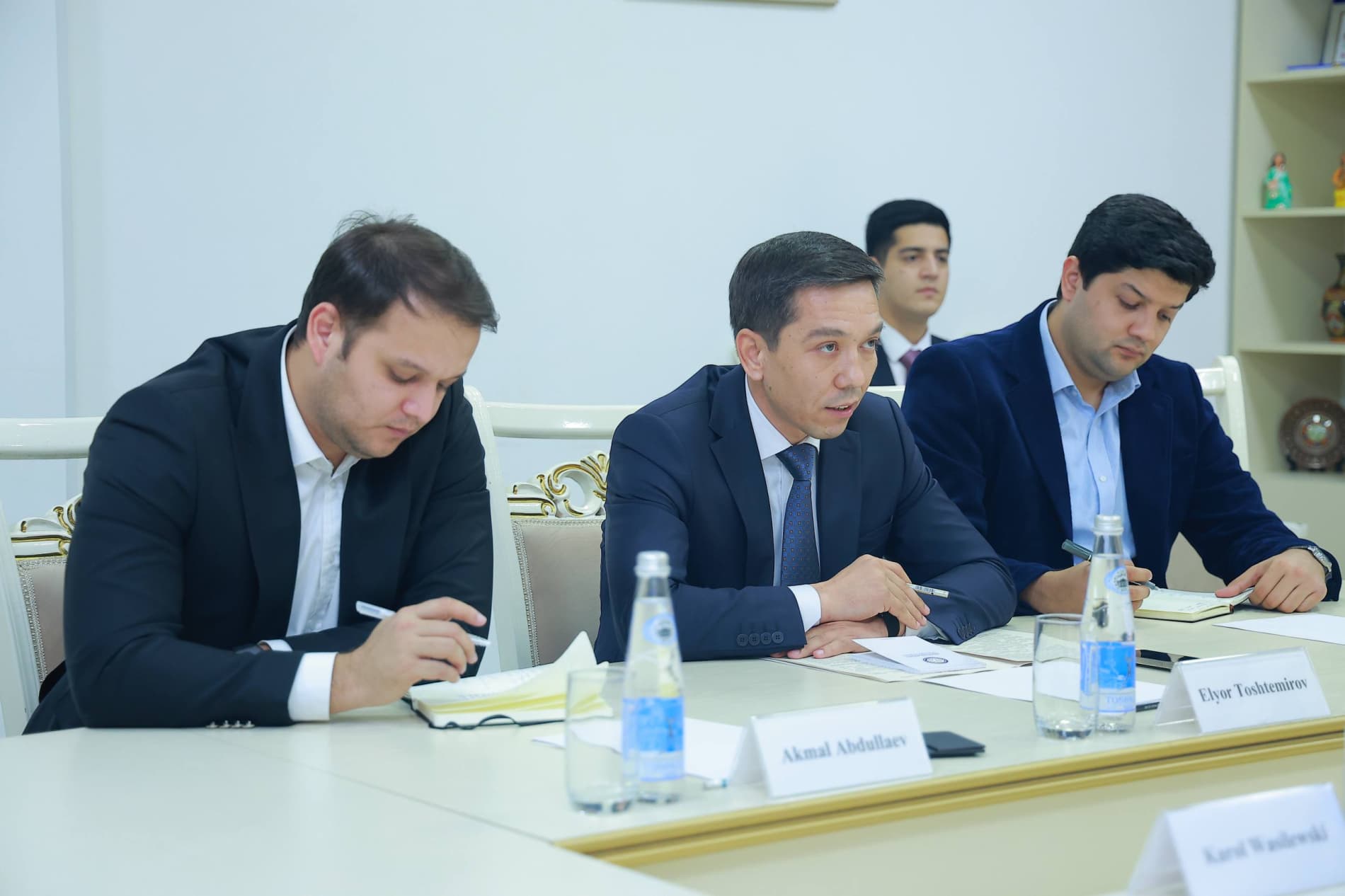
On 23 November 2026, Elyor Toshtemirov, Deputy Director of Uzbekistan’s Migration Agency, met with representatives of Poland’s Centre for Eastern Studies (OSW). They discussed international labour migration trends, prospects for organised recruitment of Uzbek citizens in Poland and other European countries, vocational training and the protection of workers’ rights abroad.
OSW representatives said the centre has studied Uzbekistan and Central Asia since 1991, maintains contacts with the Embassy of Uzbekistan in Warsaw, and holds expert meetings and briefings on migration. The Polish experts expressed interest in how the destinations of Uzbek workers are changing and the role of European labour markets, particularly Poland’s.
Mr Toshtemirov noted that Uzbekistan is developing a system of organised recruitment based on specific requests from overseas employers. Uzbekistan cooperates with more than 40 countries and has intergovernmental and interagency arrangements with 27 countries. Priority areas for training include healthcare, logistics, construction, welding and other technical trades.
According to the Polish experts, employers value Uzbek professionals’ skills and their ability to adapt to new workplaces. The experts said that demographic changes and labour demand in Poland could increase Uzbekistan’s importance as a potential partner in recruiting skilled workers.
The Uzbek side stressed that structured cooperation with Poland would require confirmed requests from employers specifying the occupations they need, the qualifications and language skills required, and the working conditions on offer. The Agency shared its experience of preparing nurses, engineers and technical specialists for overseas employers and outlined the language and vocational training programmes available at the INTIL centre.
The two sides also discussed pre-departure training, access to legal assistance abroad and support for workers re-entering Uzbekistan’s labour market after their return. Participants noted differences in existing estimates of the number of Uzbek citizens working in Poland and discussed opportunities for experts to collaborate on labour mobility data.