Uzbekistan Proposes Training Skilled Professionals for Swedish Companies at Vocational Colleges
2026-11-10 18:00:00 / News
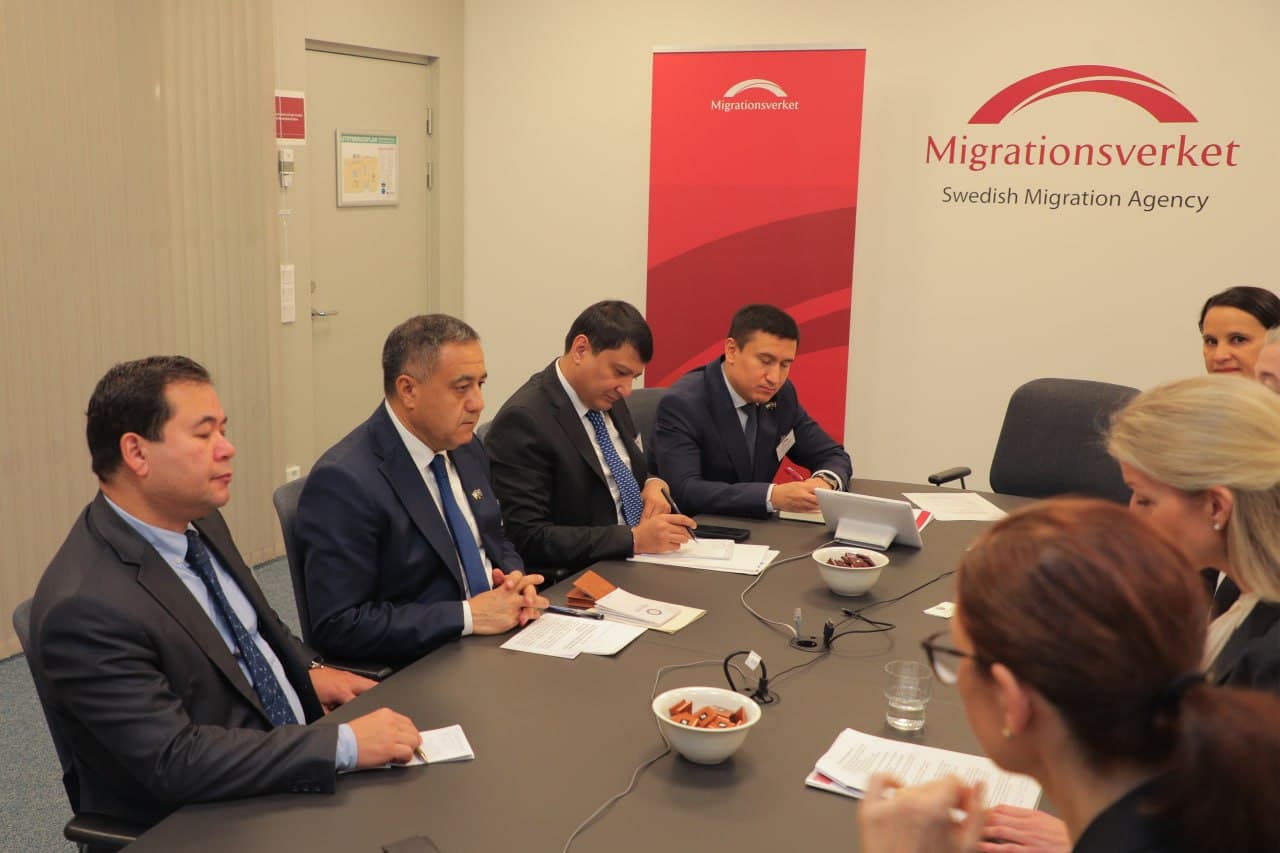
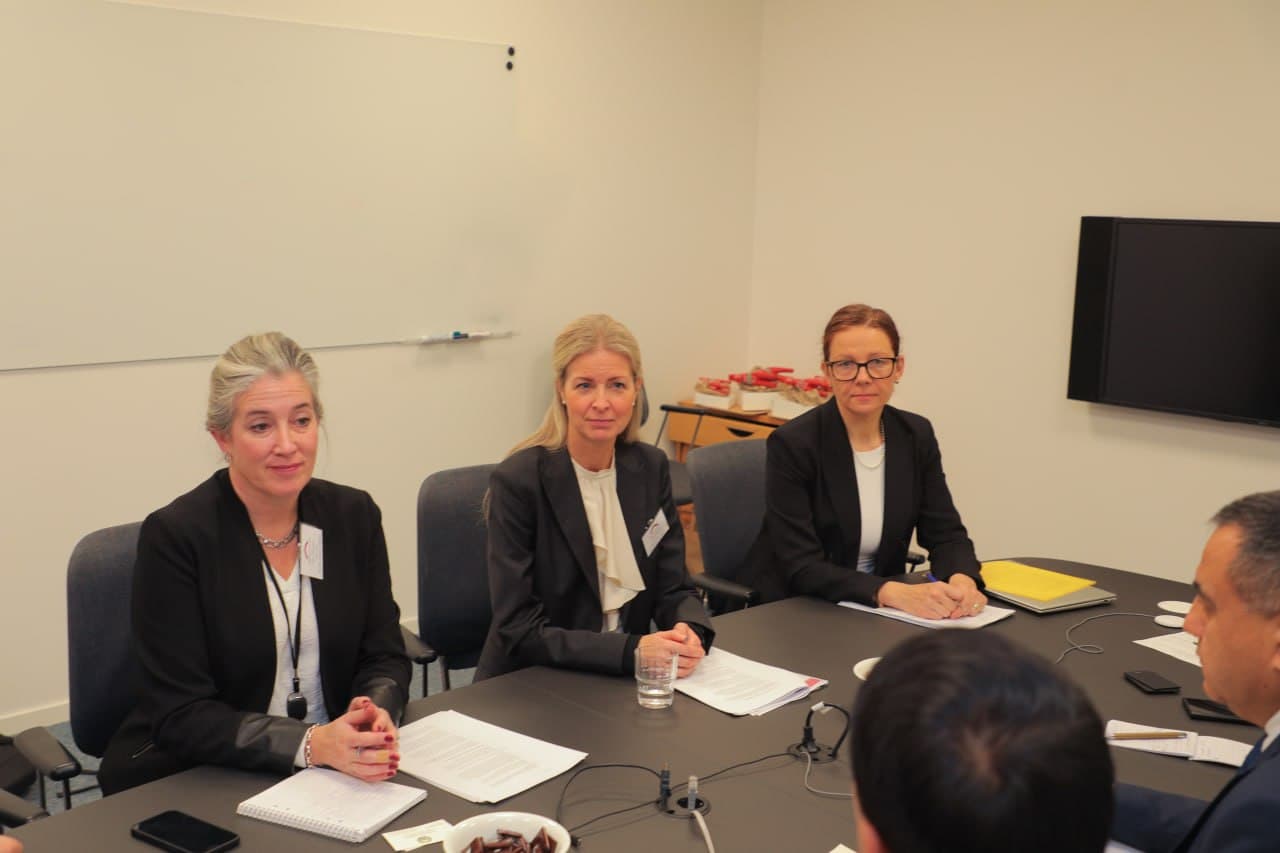
On November 9, 2026, during an official working visit to Sweden, a delegation from Uzbekistan, led by M. Abdurakhmonov, Director of the Migration Agency under the Cabinet of Ministers of the Republic of Uzbekistan, held talks with Annika Gottberg, Deputy Director-General of the Swedish Migration Agency.
The meeting was also attended by representatives of the Presidential Administration of Uzbekistan, the country's diplomatic mission, and A. Khusanov, Head of the Agency for Vocational Education.
The discussions focused on developing organized labor migration, preparing skilled professionals in line with Swedish labor market needs, improving legal employment pathways, and protecting the labor rights of Uzbek citizens.
During the meeting, the Uzbek delegation presented the country's vocational education and workforce development system. Uzbekistan currently has a network of 643 vocational colleges serving approximately half a million students across more than 350 occupational fields.
Uzbekistan proposed exploring the establishment of targeted vocational training programs at these colleges to meet the specific workforce requirements of Swedish employers.
The initiative could include professional training, Swedish-language courses, the involvement of Swedish specialists in teaching and practical skills assessment, and the adaptation of curricula to employers' needs.
The Uzbek side also proposed examining the feasibility of establishing a Swedish-language testing center in Uzbekistan.
Particular attention was given to an approximately 18-month pilot program on migration and mobility cooperation between the two countries.
The Swedish side emphasized that the initiative represents a new format of cooperation between the two migration authorities. The program is expected to be implemented gradually, with progress assessed at different stages before decisions are made on further cooperation.
Representatives of the Swedish Migration Agency also outlined the country's labor migration framework.
They explained that employment-based migration to Sweden is primarily employer-driven. Recruitment decisions are made directly by employers, while the Swedish Migration Agency is responsible for processing applications and deciding on work and residence permits.
According to information provided by the Swedish side, approximately 30,000 work permits were issued in Sweden in 2025. Software development, information technology, engineering, and other technical occupations were identified among the prominent professional fields.
The discussions also addressed transparency in work permit procedures, the prevention of labor exploitation, protection against fraudulent recruitment practices, and access to reliable information for prospective workers.
The Uzbek delegation expressed its readiness to provide targeted training for candidates based on Swedish legal requirements and the specific needs of potential employers.
Following the talks, both sides reaffirmed their interest in implementing the pilot program, continuing consultations, and organizing technical meetings between relevant specialists from the two agencies.
Further areas of cooperation are expected to be discussed at an upcoming meeting of the project's steering committee.
The proposed cooperation aims to create additional opportunities for safe and legal employment, strengthen the professional qualifications of Uzbek citizens, and facilitate the acquisition of valuable international work experience.