Uzbekistan’s Labour Mobility Reforms Draw Attention from the OSCE Parliamentary Assembly
2026-10-23 15:00:00 / News

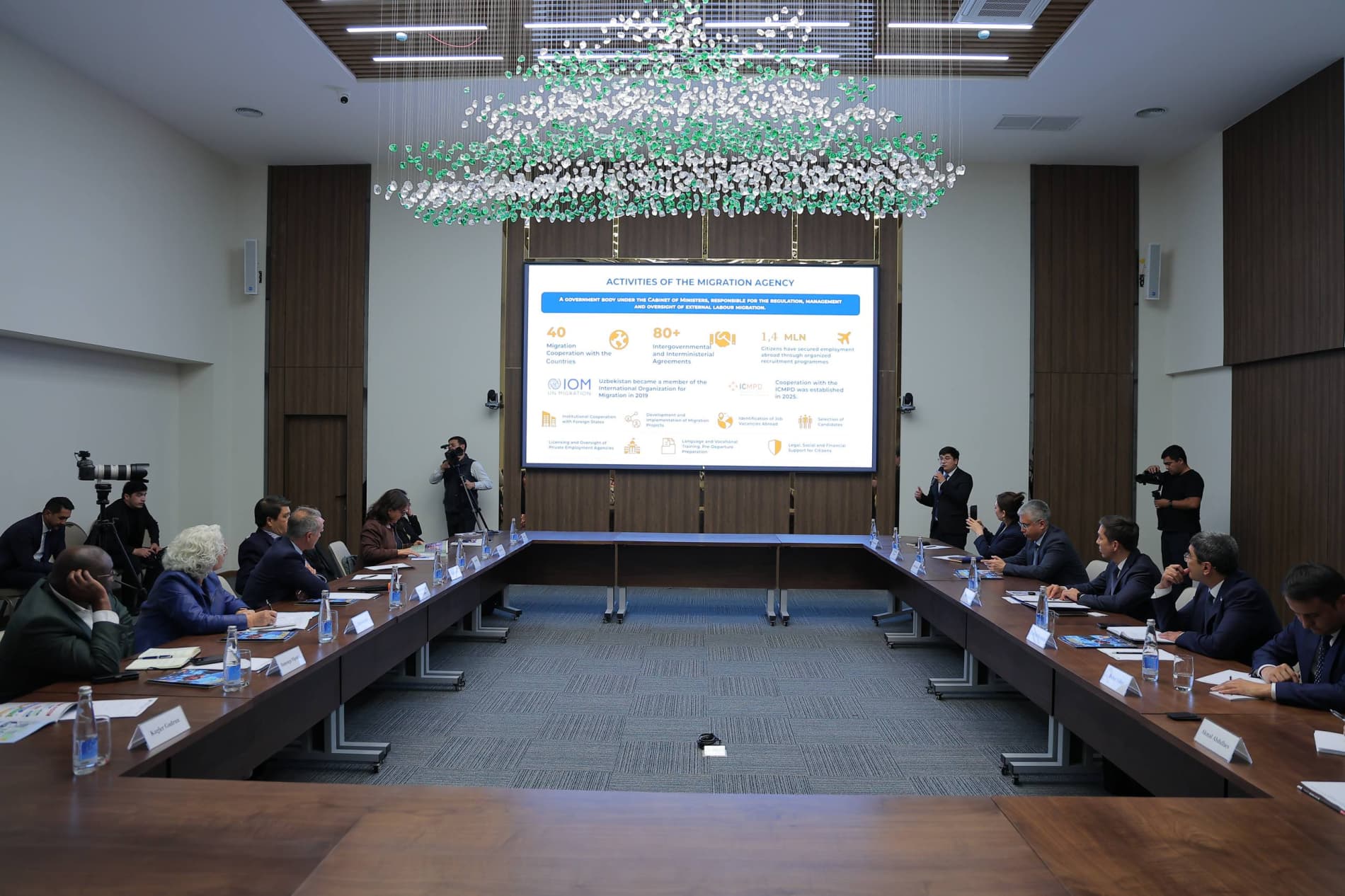
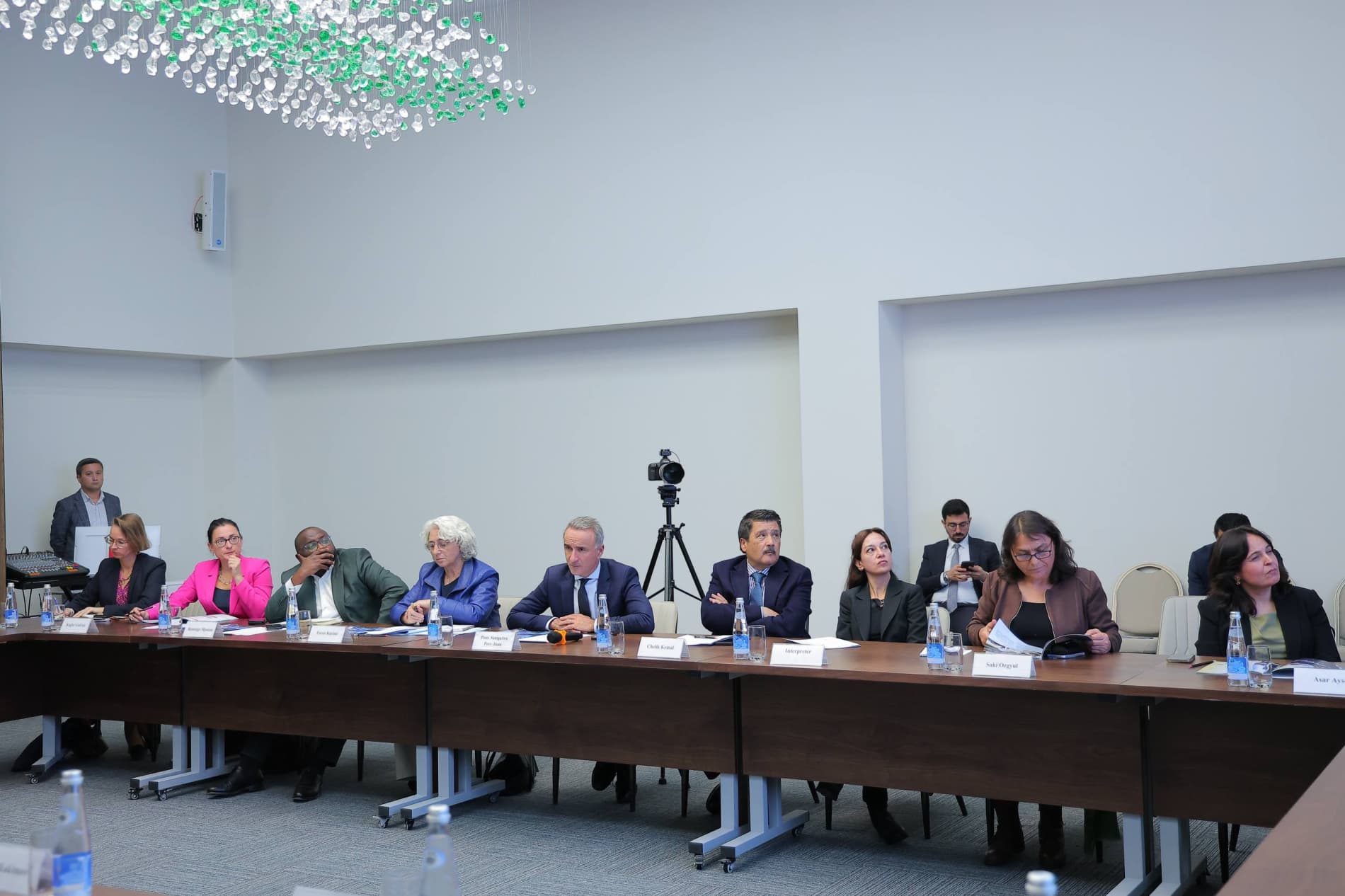

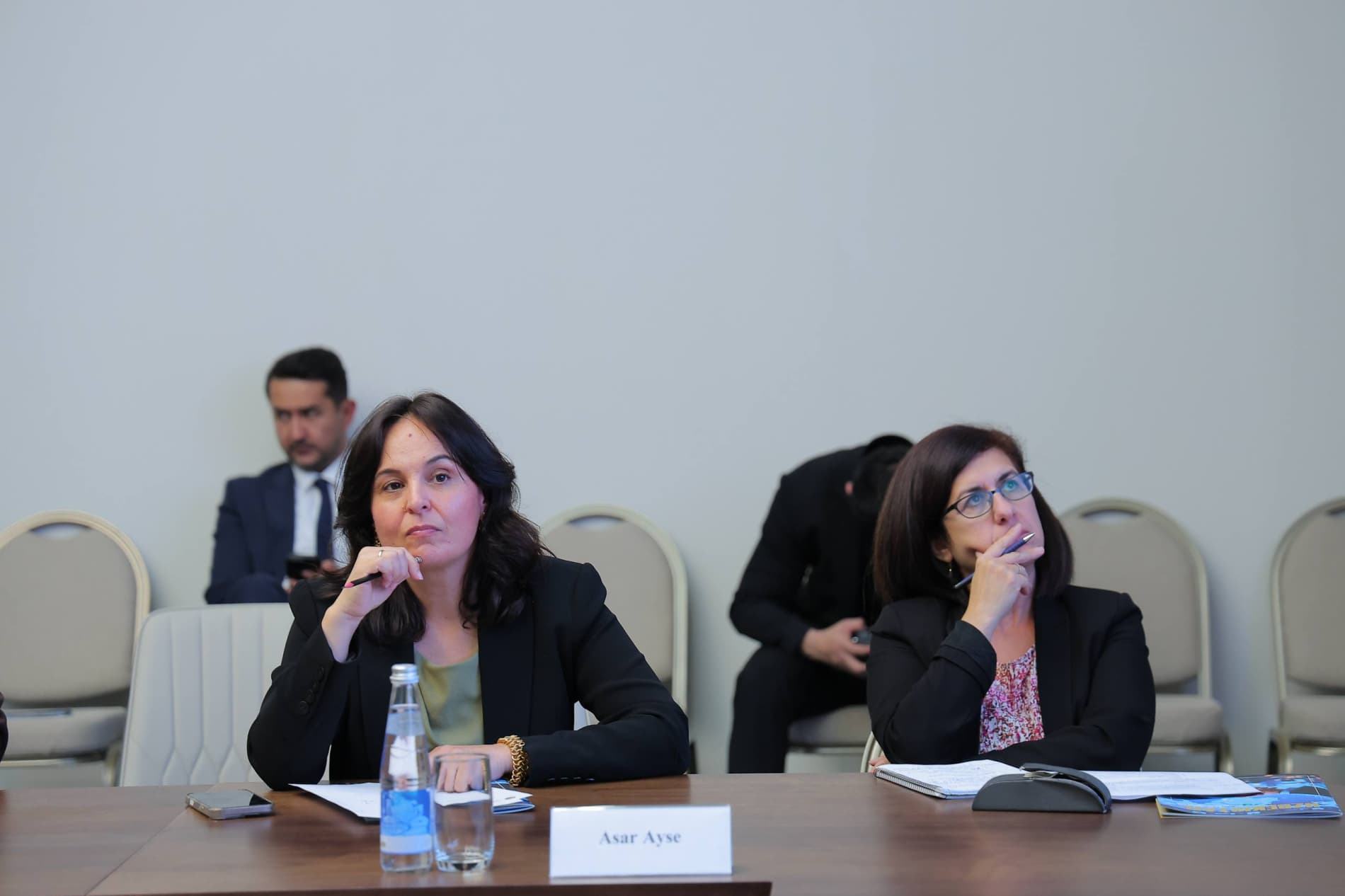
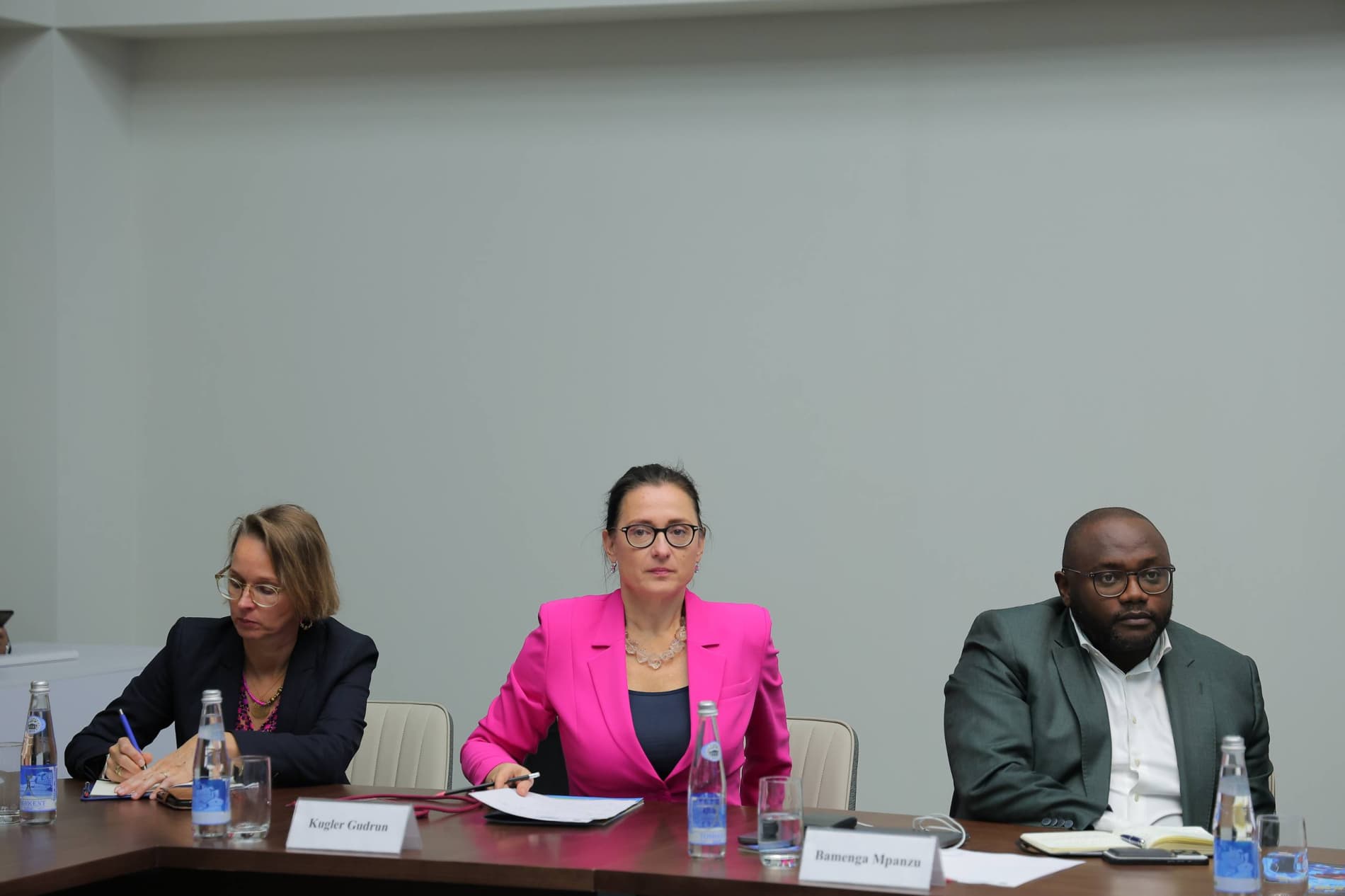
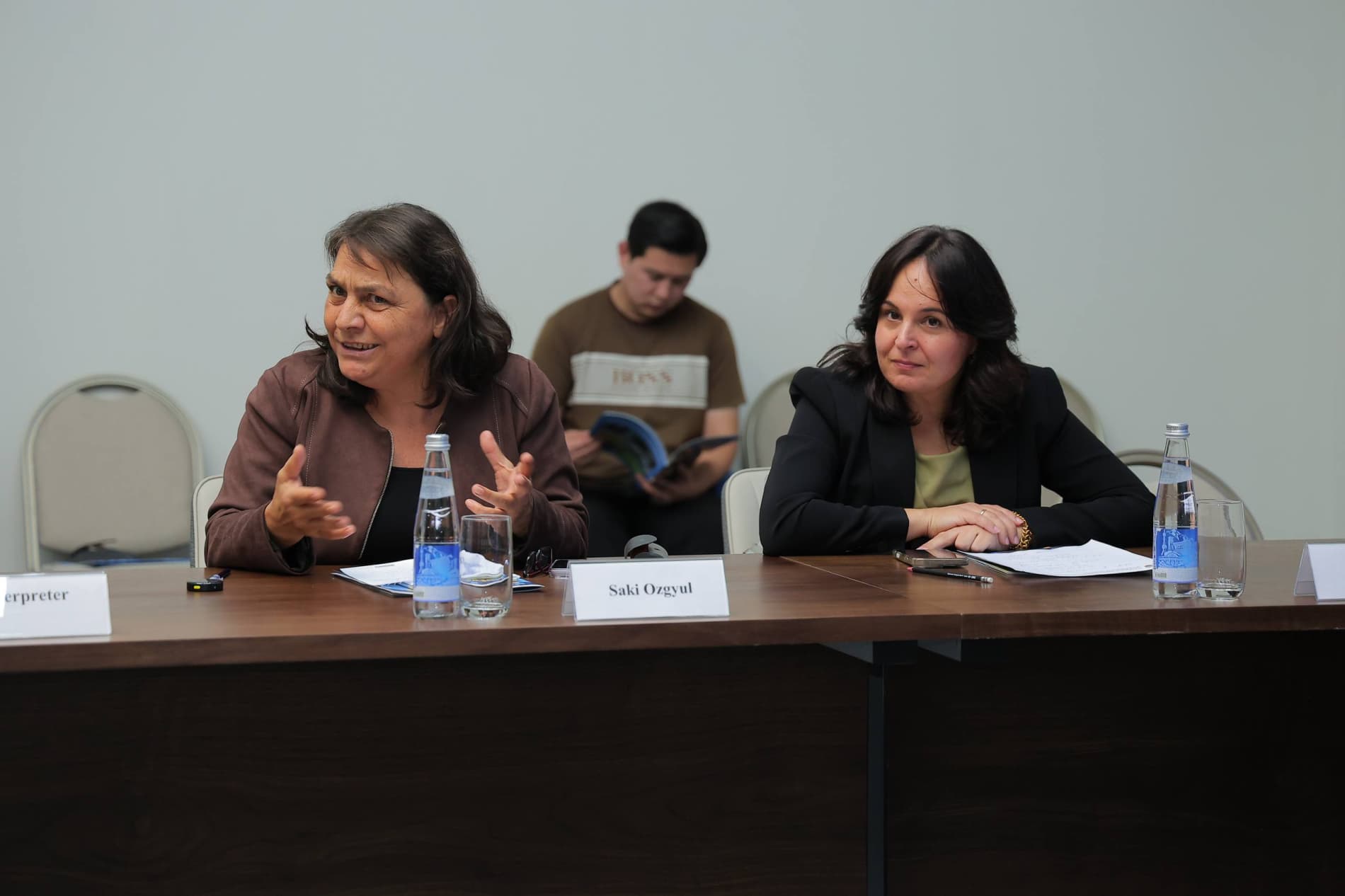
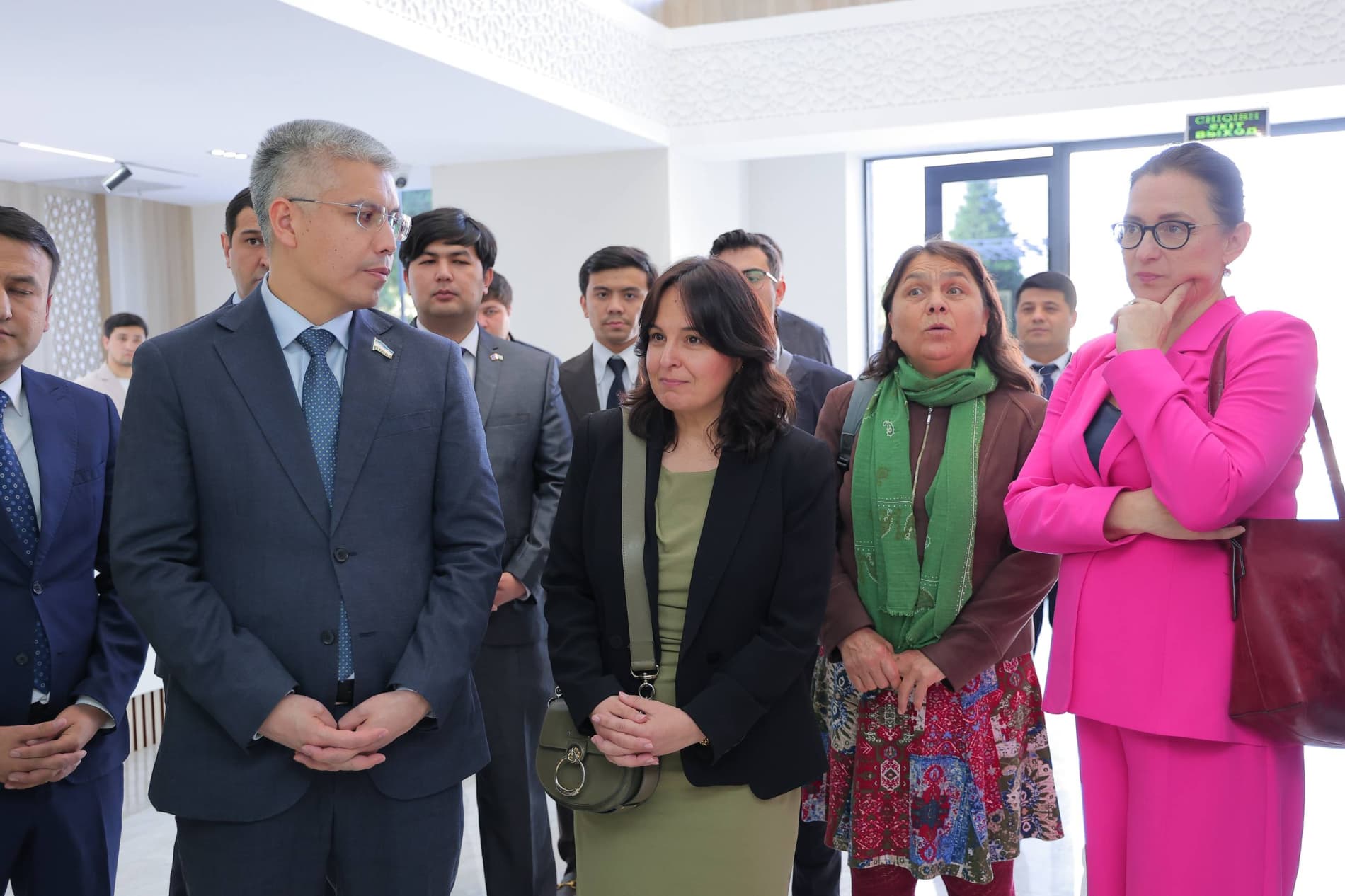
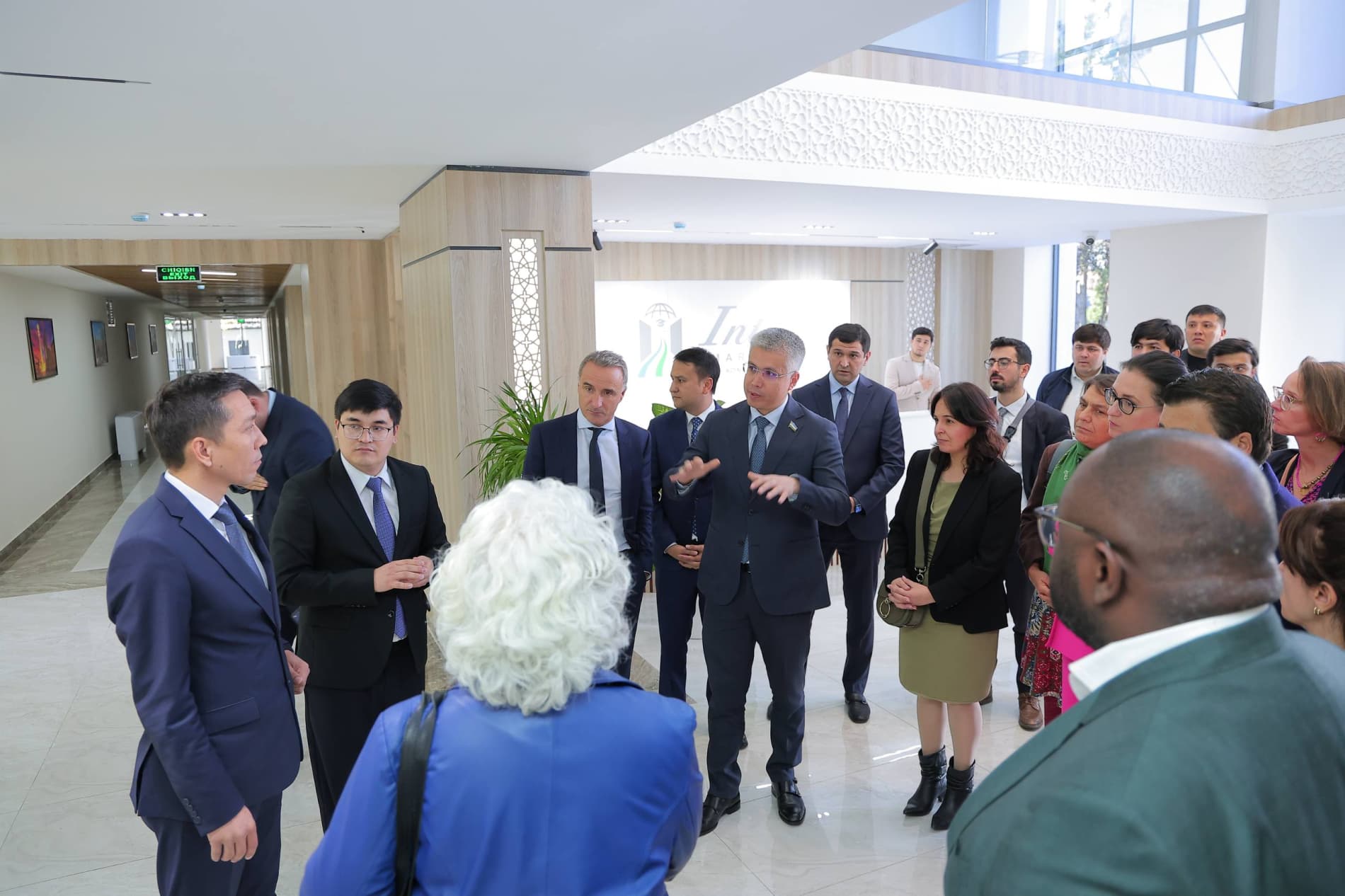

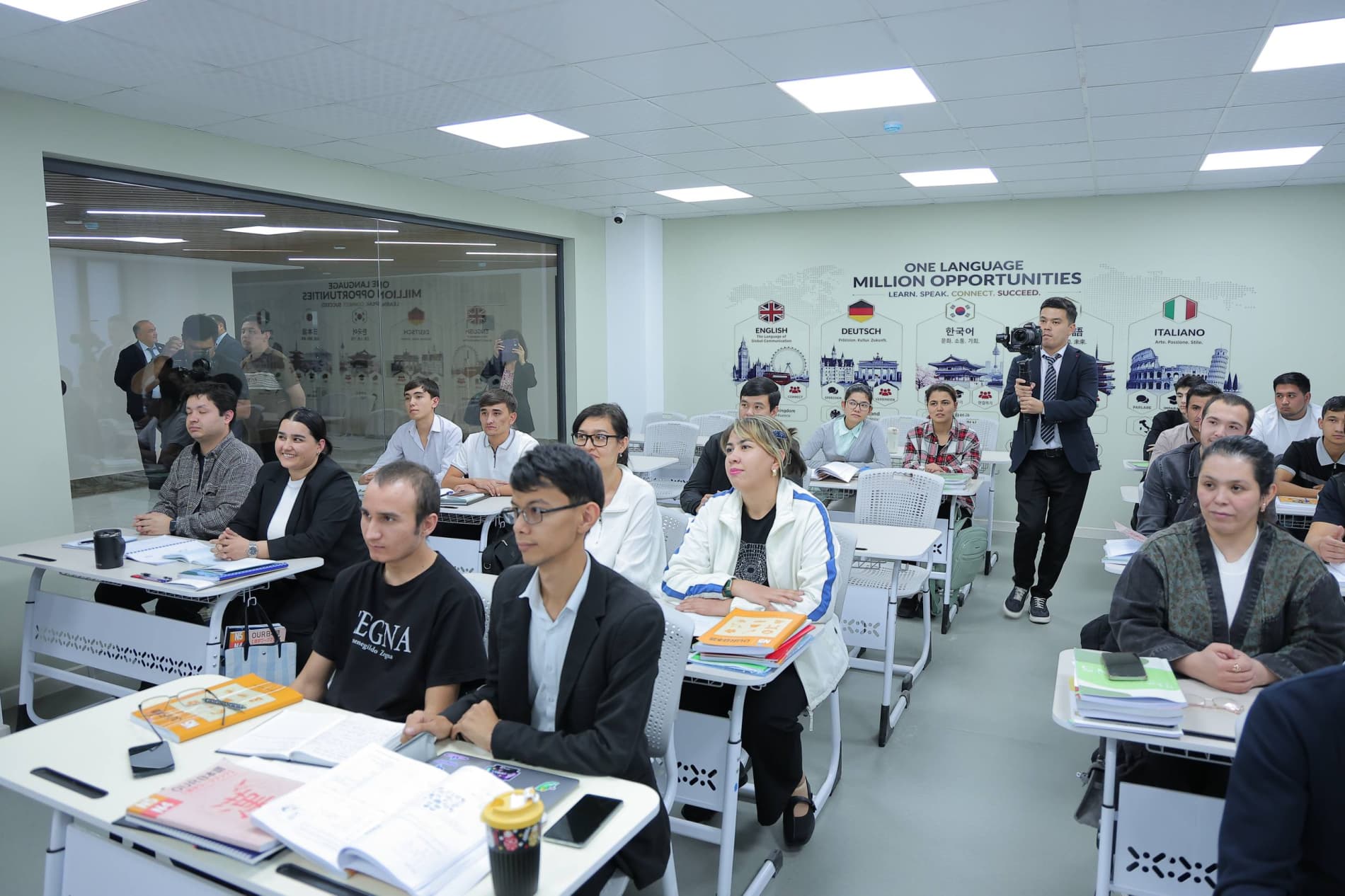
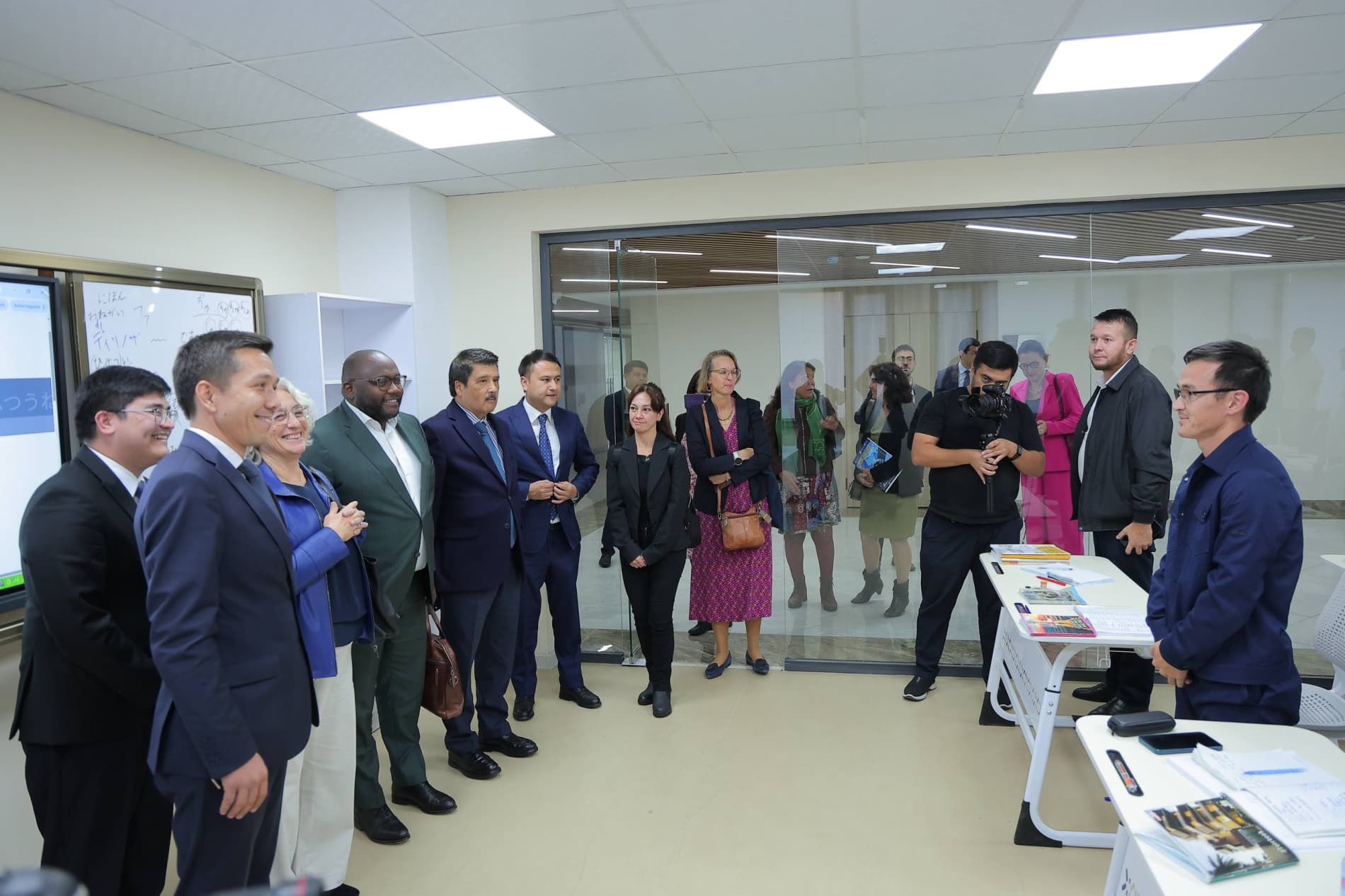


A delegation of the Parliamentary Assembly of the Organization for Security and Co-operation in Europe (OSCE PA), led by Assembly President Joan Pons Sampietro, visited Uzbekistan’s Migration Agency and the INTIL International Centre for Language and Vocational Training as part of its official visit to the country.
The meeting, held on 22 October 2026, focused on Uzbekistan’s reforms to promote safe, orderly and regular labour mobility, protect the rights and interests of citizens, prepare qualified professionals for international labour markets, and explore opportunities for international interparliamentary cooperation.
The visit provided an opportunity to present Uzbekistan’s evolving integrated labour mobility model to international partners, exchange practical experience and discuss prospects for strengthening cooperation with European countries.
A New Approach to Labour Mobility: Skills, Qualifications and Legal Protection
During the meeting, the delegation was briefed on Uzbekistan’s institutional reforms in labour mobility, mechanisms for cooperation with foreign employers and government support measures for citizens seeking employment abroad.
It was emphasised that the Migration Agency’s strategic priority goes beyond facilitating overseas employment. Its central objective is to develop internationally competitive professionals equipped with foreign-language proficiency, vocational skills and qualifications that meet international standards.
To achieve this, Uzbekistan is strengthening mechanisms for identifying foreign employers’ workforce needs, providing targeted training for specific vacancies, assessing professional qualifications against international standards and facilitating employment through legally compliant labour contracts.
During the first nine months of 2026, more than 287,000 job vacancies offering average monthly salaries of USD 1,500 or above were identified across 34 countries. Over 145,000 of these opportunities were located in Europe and North America.
During the same period, 39,500 citizens were enrolled in foreign-language and vocational training programmes designed to meet demand in international labour markets.
The delegation was also informed about cooperation projects with Germany, Italy, France, the United Kingdom, Slovakia, Slovenia and other partner countries, as well as existing mechanisms to protect the labour rights of Uzbek citizens working abroad and provide legal, social and other necessary assistance in difficult circumstances.
INTIL: A Practical Model for International Workforce Preparation
As part of the visit, delegation members toured the INTIL Centre’s classrooms, practical training workshops, examination facilities and residential accommodation.
The centre provides facilities for foreign-language instruction, vocational training, international certification and direct interviews with overseas employers.
Discussions addressed the alignment of vocational education with international standards, recognition of qualifications abroad, the effectiveness of public investment in human capital and the quality of pre-departure preparation.
Particular attention was given to the potential for citizens to apply the knowledge, modern technologies and professional experience gained overseas to Uzbekistan’s economic development upon their return.
International Experts Recognise Uzbekistan’s Approach
Gudrun Kugler, Vice-President of the OSCE Parliamentary Assembly and a member of the Austrian Parliament, expressed a positive impression of the INTIL Centre, highlighting its professional approach, learning environment and the active engagement of participants.
She noted that growing labour shortages in several European countries make mutually beneficial partnerships with countries such as Uzbekistan, which has a relatively young population, increasingly important.
“Within the OSCE, we refer to this process not as a ‘brain drain’, but as the ‘circulation of intellectual capital’,” Gudrun Kugler stated.
She emphasised that working abroad offers opportunities not only to earn an income but also to acquire knowledge, professional skills and international experience that can subsequently contribute to the development of one's home country.
Kugler also praised Uzbekistan’s approach to preparing citizens for overseas employment through language instruction, vocational training and familiarisation with the culture and traditions of destination countries.
Another member of the delegation highlighted the emphasis placed on human dignity within Uzbekistan’s labour mobility programmes.
“During our visit, we witnessed that labour migration processes are organised to a high professional standard. Most importantly, human dignity is placed at the centre of the programmes being implemented,” the delegation member noted.
The representative also expressed an intention to share and discuss Uzbekistan’s experience within the OSCE Parliamentary Assembly.
According to the expert, alongside examining the practices of countries receiving foreign workers, it is equally important to understand the experience of countries preparing their citizens for employment abroad. Such exchanges promote mutual understanding and contribute to more effective labour mobility governance that takes the interests of all parties into account.
International Cooperation and Future Opportunities
The meeting also addressed prospects for expanding bilateral cooperation with European countries, strengthening oversight of employment conditions and contractual obligations, ensuring social protection and increasing access to regular employment opportunities.
Migration Agency representatives stressed that the reliability of foreign employers, safe working conditions and effective protection of citizens’ rights remain fundamental criteria for international partnerships.
The delegation was also briefed on the development of digital services, planned artificial intelligence-based solutions, improved legal assistance mechanisms for citizens working abroad and programmes supporting employment and reintegration following their return to Uzbekistan.
At the conclusion of the meeting, the Uzbek side proposed facilitating broader international awareness of Uzbekistan’s new labour mobility model and its capacity to train qualified professionals for overseas labour markets through parliamentary dialogue.
The OSCE Parliamentary Assembly delegation’s visit provided an important platform for presenting the practical outcomes of Uzbekistan’s reforms, strengthening institutional engagement with European partners and advancing a people-centred labour mobility system built on skills development, safe employment and the protection of citizens’ rights.