
New Pathways to Japan’s Labour Market: From Professional Drivers to IT Specialists
2026-10-20 20:00:00 / News

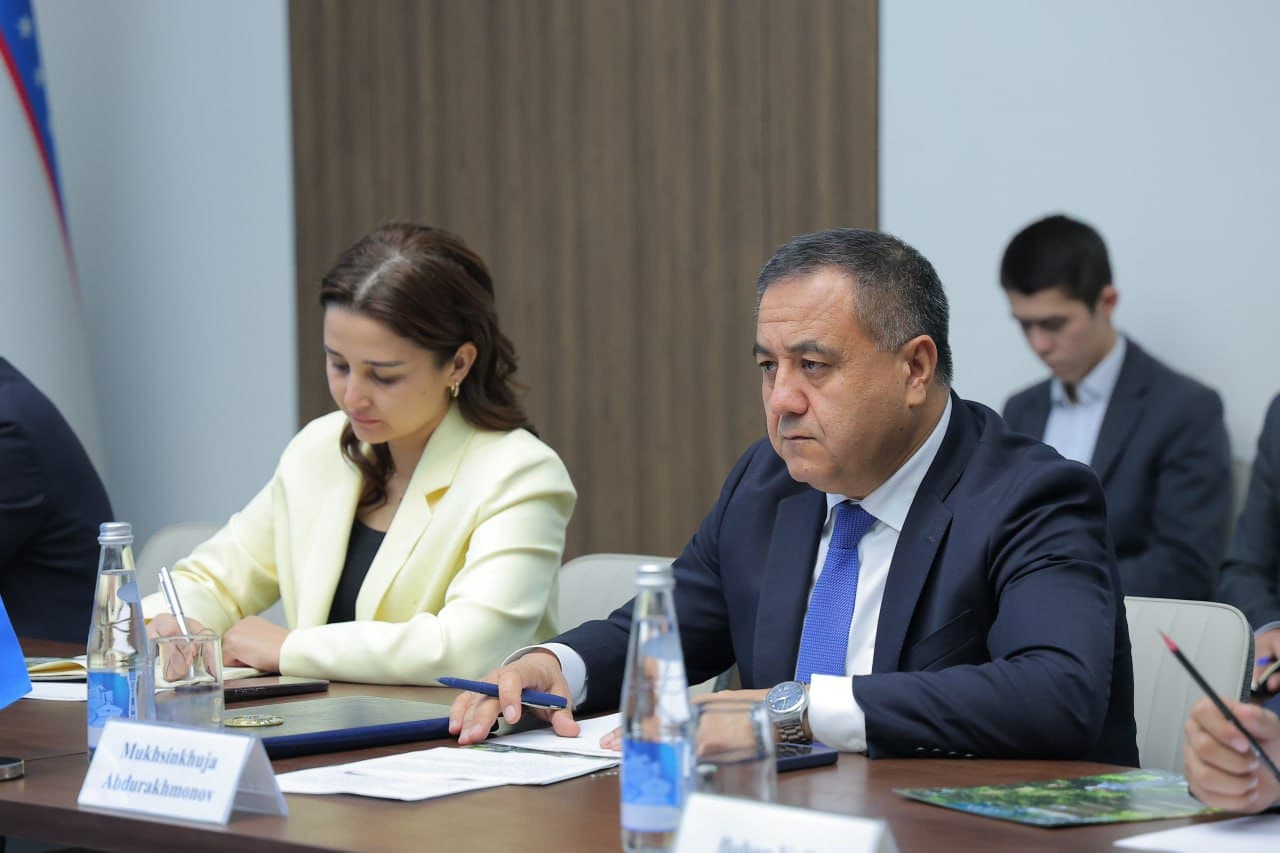
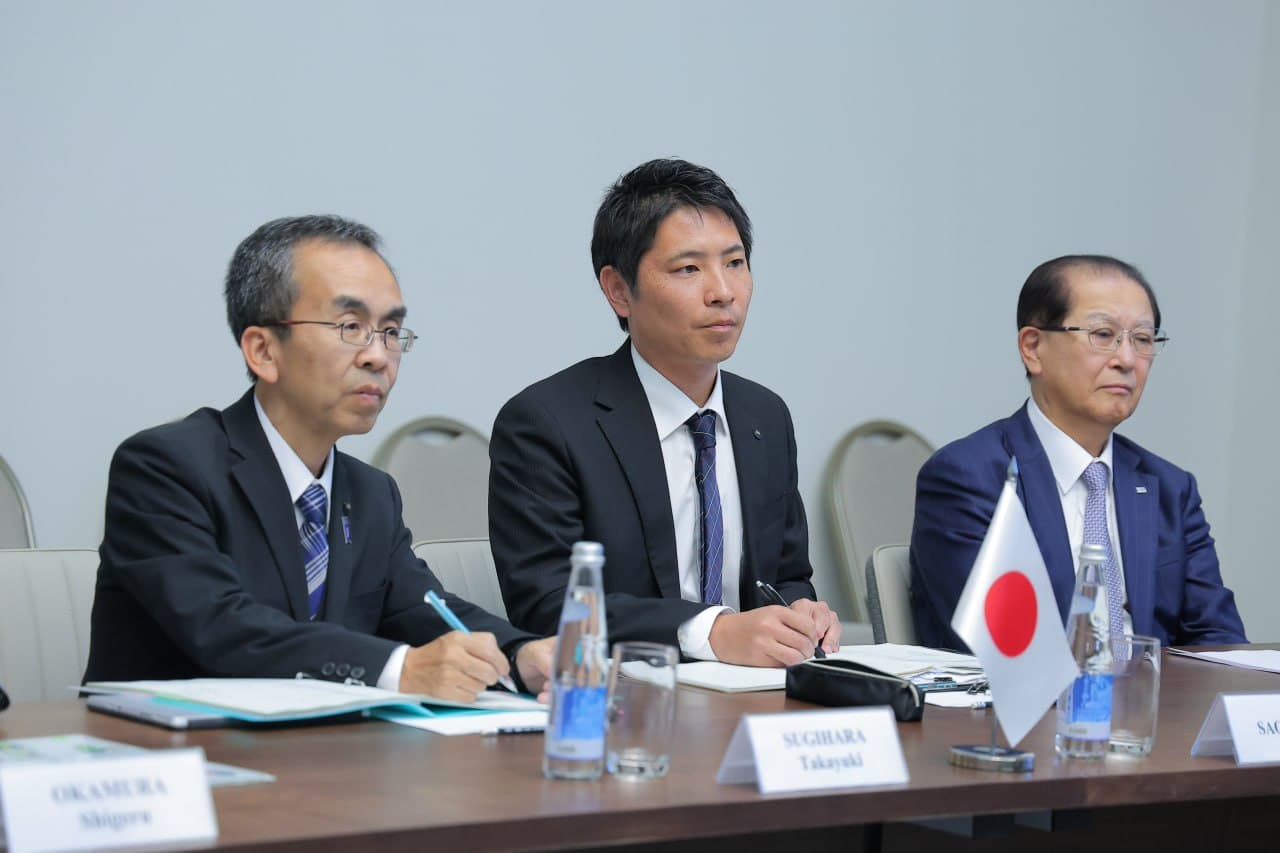
Muhsinhuja Abdurahmonov, Director of the Migration Agency of Uzbekistan, met with a delegation from Japan’s Yamagata Prefecture at the INTIL International Language and Vocational Training Centre.
The delegation included representatives of the Yamagata Prefectural Government, Yamagata University, and Japanese companies interested in recruiting and training skilled professionals from Uzbekistan.
Tailored Workforce Development for Japan’s Labour Market
The meeting focused on opportunities to address workforce shortages in Yamagata Prefecture by developing structured recruitment and training programmes for Uzbek professionals.
Representatives of Yamagata highlighted the region’s continuing labour shortages and expressed interest in attracting international workers who could contribute to local businesses, adapt to life in the prefecture, and establish long-term employment relationships.
The Migration Agency presented a model for training candidates in Uzbekistan according to the specific requirements of Japanese employers.
Under the proposed approach, Japanese companies would identify the required professional qualifications, language proficiency levels, and training content. The Uzbek side would facilitate candidate selection, vocational and Japanese-language training, practical instruction, and pre-departure orientation.
The Agency also presented the facilities available at the INTIL Centre, including classrooms, vocational training facilities, and spaces for interviews and practical skills assessments. The centre has accommodation facilities for approximately 400 trainees.
The Agency expressed its readiness to make these facilities available to foreign partners free of charge for targeted training programmes linked to subsequent employment opportunities.
Training Professional Drivers for Japanese Working Conditions
Particular attention was given to the preparation of professional drivers for employment in Japan.
The Uzbek side outlined plans for a specialised training facility in Tashkent Region, where right-hand-drive trucks would be used to simulate Japanese road conditions.
The facility is intended to provide practical training and skills assessments before candidates depart for Japan, helping them prepare for the requirements of Japanese employers.
Expanding Cooperation in IT and Engineering
A representative of the Japanese company MSI shared the company's experience in recruiting international IT professionals and expressed interest in engaging specialists from Uzbekistan.
During the discussions, MSI was invited to explore opportunities offered by IT Park Uzbekistan, including the Zero Risk initiative, which provides infrastructure and favourable conditions for foreign IT companies establishing operations in Uzbekistan.
Abe Engineering also expressed interest in recruiting engineering and technical specialists from Uzbekistan. As an initial step, the company is considering the recruitment or internship placement of one or two Uzbek candidates.
The participants discussed opportunities to establish dedicated Japanese-language courses for students at technical universities and develop targeted training groups based on employers’ requirements.
The importance of agreeing on transparent employment conditions in advance was also emphasised, particularly regarding salaries, training duration, Japanese-language requirements, and career development opportunities.
Next Steps in Bilateral Cooperation
During the meeting, the Director of the Migration Agency proposed organising a presentation of Uzbekistan’s workforce potential in Yamagata Prefecture in February–March 2027, with the participation of local Japanese companies.
The possibility of a visit by Yamagata Prefecture officials to Uzbekistan was also discussed. Such a visit would provide an opportunity to learn more about Uzbekistan’s vocational training system, technical universities, and the Migration Agency’s training infrastructure.
Following the discussions, both sides agreed to continue exchanging information on the specific workforce needs of Yamagata-based companies, identify priority occupations and candidate requirements, and explore joint Japanese-language and vocational training programmes.
The parties also agreed to develop proposals for a workforce presentation in Yamagata and further exchanges of delegations.
This cooperation is intended to expand opportunities for Uzbek citizens to access lawful employment in Japan, strengthen the development of internationally competitive skills, and deepen bilateral cooperation in labour mobility.