
For the first time in Uzbekistan, a solar power plant has been registered in the International "Green Energy" Certification System
2025-07-30 20:25:00 / News of ministry
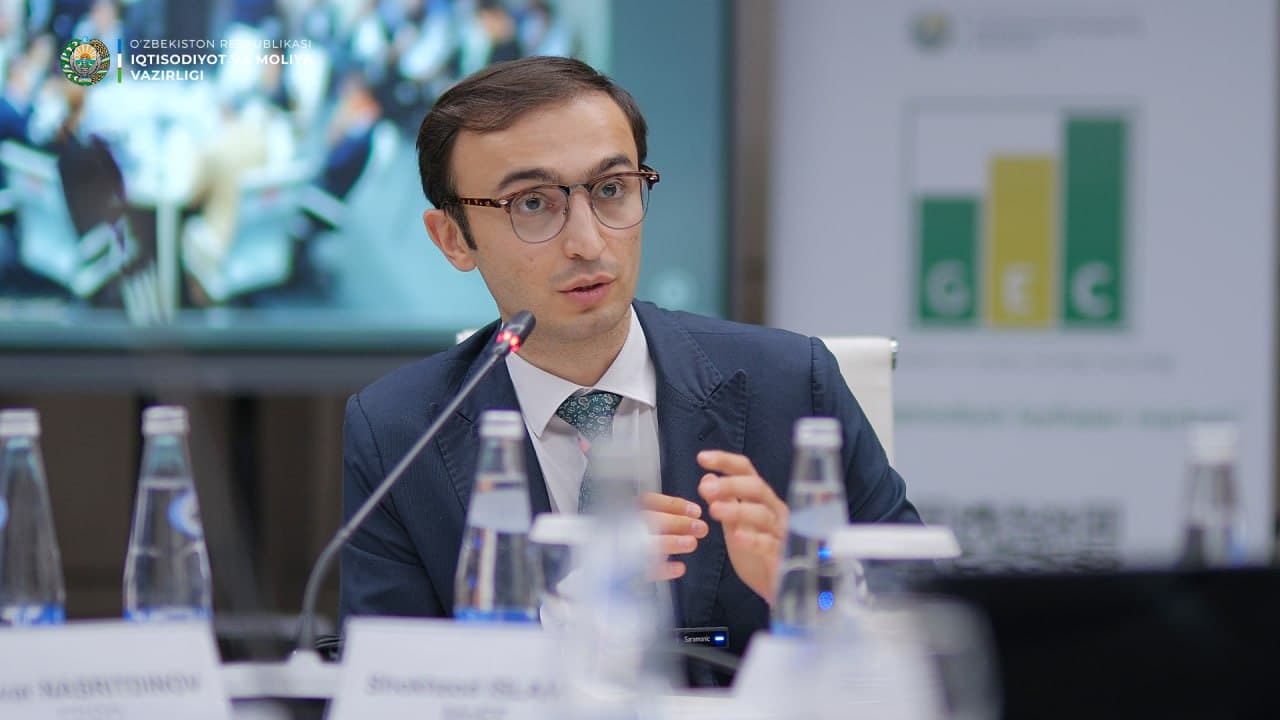

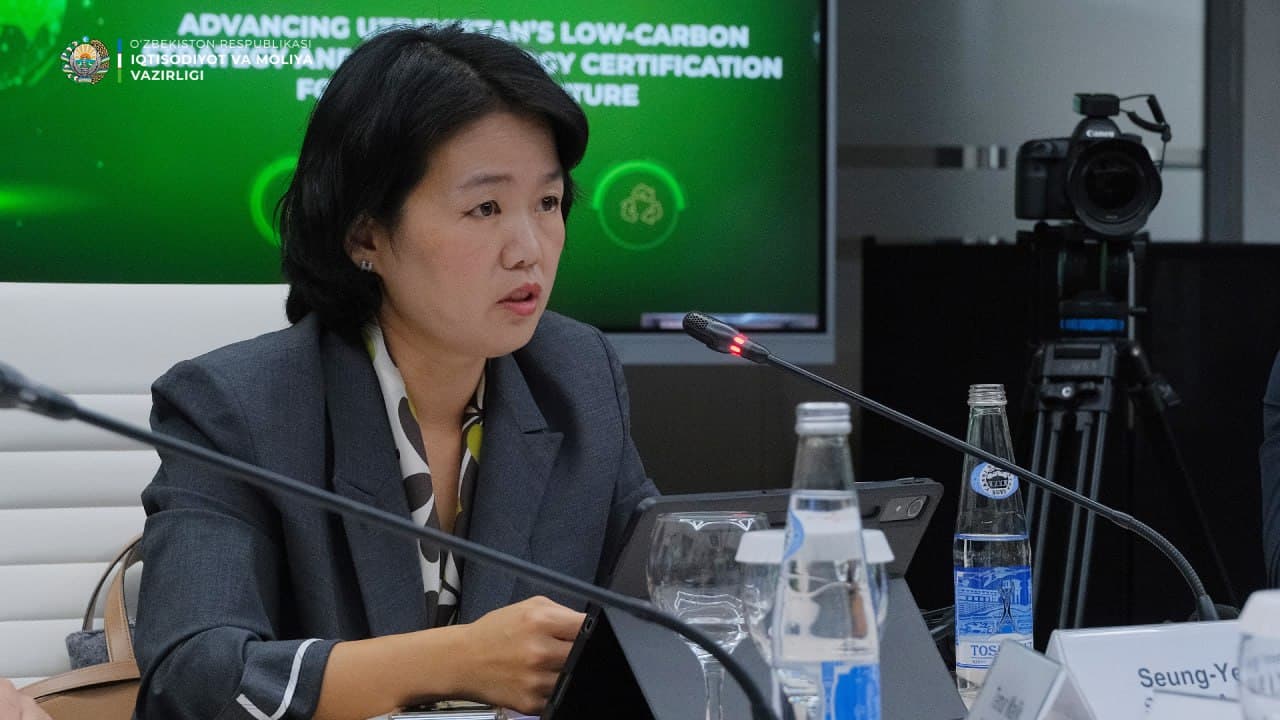
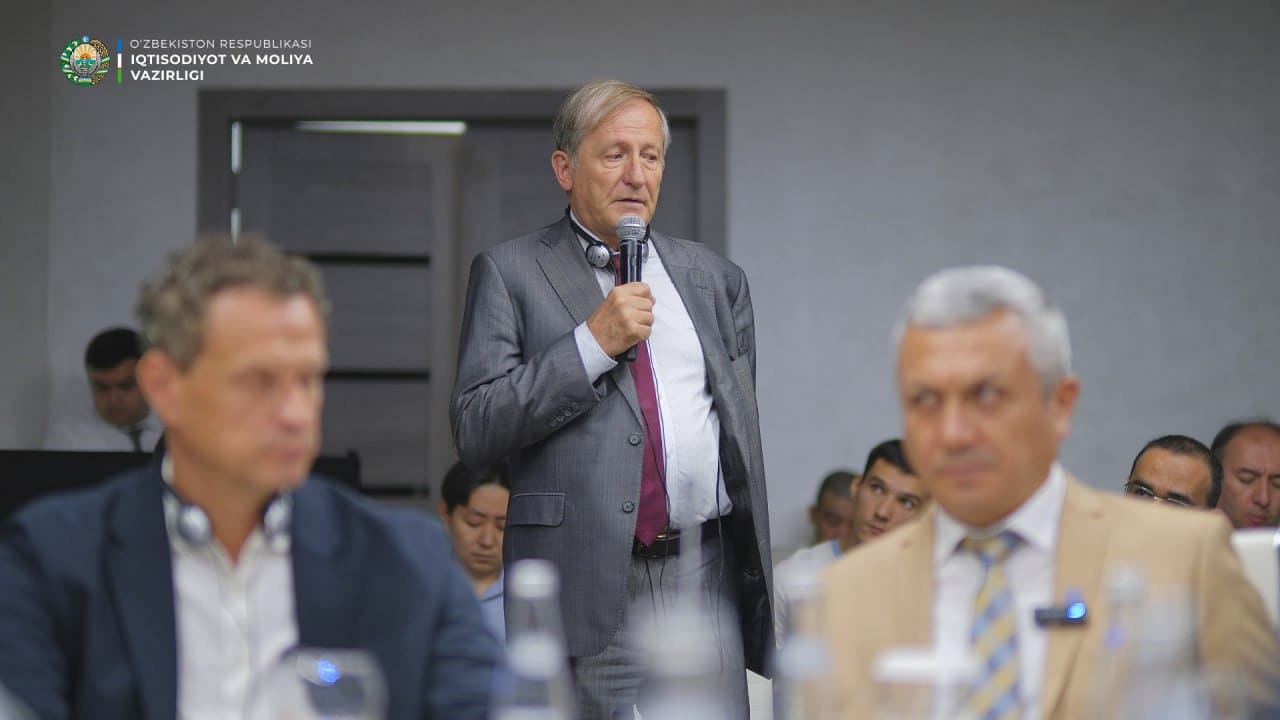




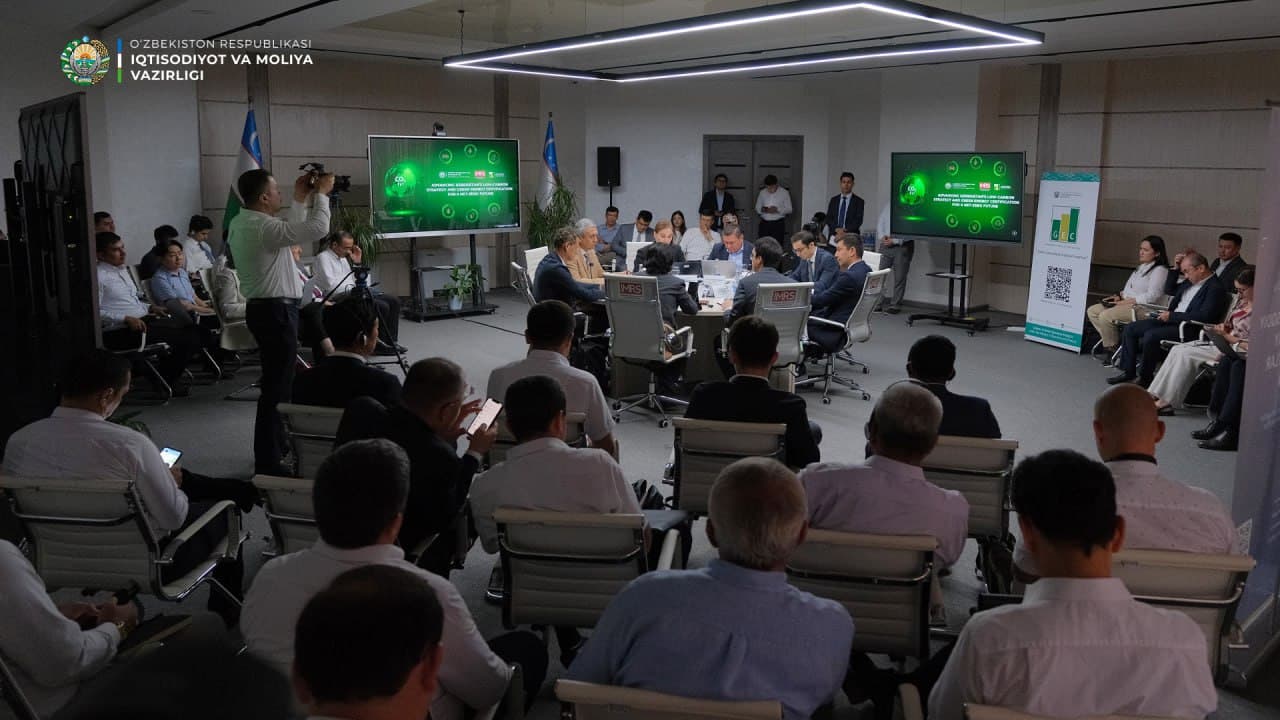
During the roundtable, the I-TRACK Foundation and the Center of Green Economy Projects delivered a presentation on the I-REC certification system, its significance, and the current state of implementation in Uzbekistan. Although, the discussions also highlighted the introduction of the Carbon Border Adjustment Mechanism (CBAM), which envisages a carbon tax on the products imported to the European Union, its impact on the domestic exporters to Europe after the mechanism’s enforcement from January 1, 2026, as well as the role of I-RECs in it.
For reference: The Carbon Border Adjustment Mechanism (CBAM) is a mechanism introduced by the European Union (EU) that imposes a carbon tax based on the greenhouse gas emissions associated with imported products.
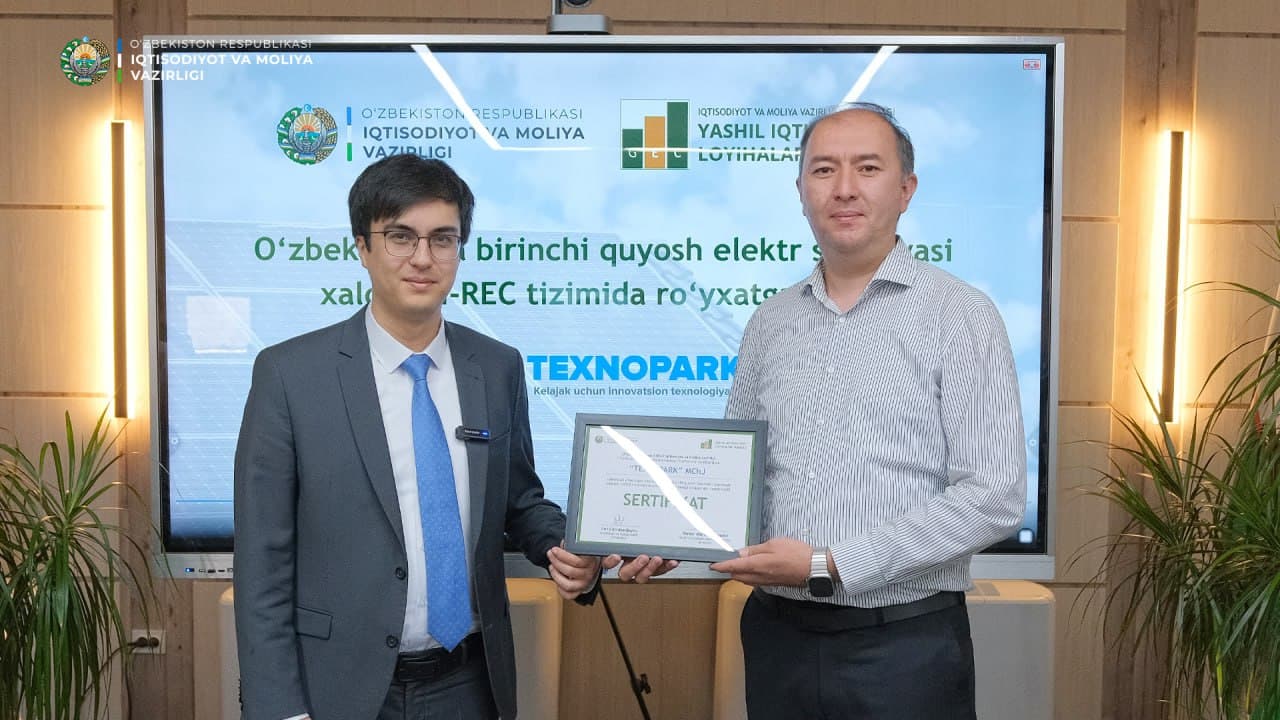
The Ministry of Economy and Finance and “Texnopark” LLC have signed an agreement to issue renewable energy certificates – I-REC(E), and to register the country’s first solar photovoltaic (PV) station in the international I-REC certification system.
Now, the electricity generated by the solar PV station installed by “Texnopark” LLC, with a total capacity of 823 kW, can be certified and issued as international I-REC(E) certificates.
These opportunities are available to any company pursuing to increase their sustainability and environmental responsibilities.
What is an I-REC(E) Certificate and How Does it Work?
An I-REC(E) certificate is a digital document that certifies the generation of 1,000 kilowatt-hours (kWh) of electricity from a renewable energy source. These certificates offer three key benefits:
First, individuals or legal entities who launch renewable energy facilities—such as solar, wind, or hydropower plants—can register their facilities in the I-REC system to generate additional income. Trading these renewable energy certificates allows them to attract additional green financial resources, strengthens efforts towards environmental sustainability, and supports the transition to a green economy.
Second, local producers that purchase and use I-REC(E) certificates can enhance their competitiveness in international markets. These certificates support alignment with Environmental, Social, and Governance (ESG) principles, improve transparency and credibility for banks, and attract foreign investment. They also allow companies and organizations to openly demonstrate their use of clean energy.
Third, the certificates can also be exported to foreign companies. The first I-REC(E)s issued in Uzbekistan were exported in April 2025.
The I-REC system is currently implemented in nearly 60 countries around the world, with more than 200 million certificates issued to date.
As of now, four hydropower plants under the “Uzbekhydroenergo” joint-stock company, with a total capacity of 962.4 MW, are registered in the international I-REC system. The solar power plant by “Texnopark” is the first solar energy facility in Uzbekistan to be registered in this system.
Over the past 18 months, a total of 344,835 renewable energy certificates have been issued in Uzbekistan. Among the first to adopt the I-REC system were companies such as Uzsanoatqurilishbank, British-American Tobacco Uzbekistan, WorleyParsons, Energoqurilishindustriya, Click, Knauf, UzAuto Motors, and Navoiyuran.
Nowadays, prospective participants like textile companies, Data centers operating in the country are also expressing their keen interest on the I-REC(E) certificate market.
Note: For additional information about the I-REC(E) certificates, please, contact the Center of Green Economy Projects under the Ministry of Economy and Finance (Tel.: +99895 9504664, email: green@imv.uz, Telegram).
Please, click here to download the overview of the I-RECs.
Information Service
Ministry of Economy and Finance