
Sustainable Models and Prospects for Financing Student Loans Discussed with International Experts
2026-11-20 19:00:00 / News of ministry
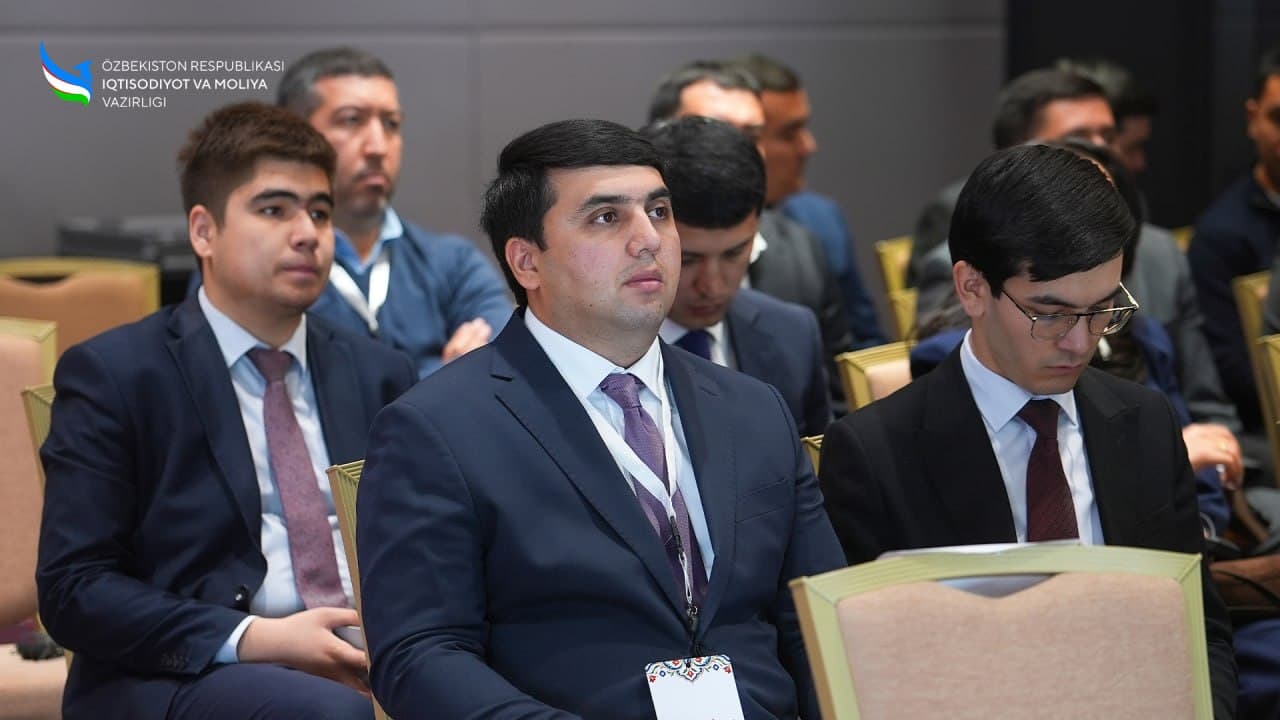
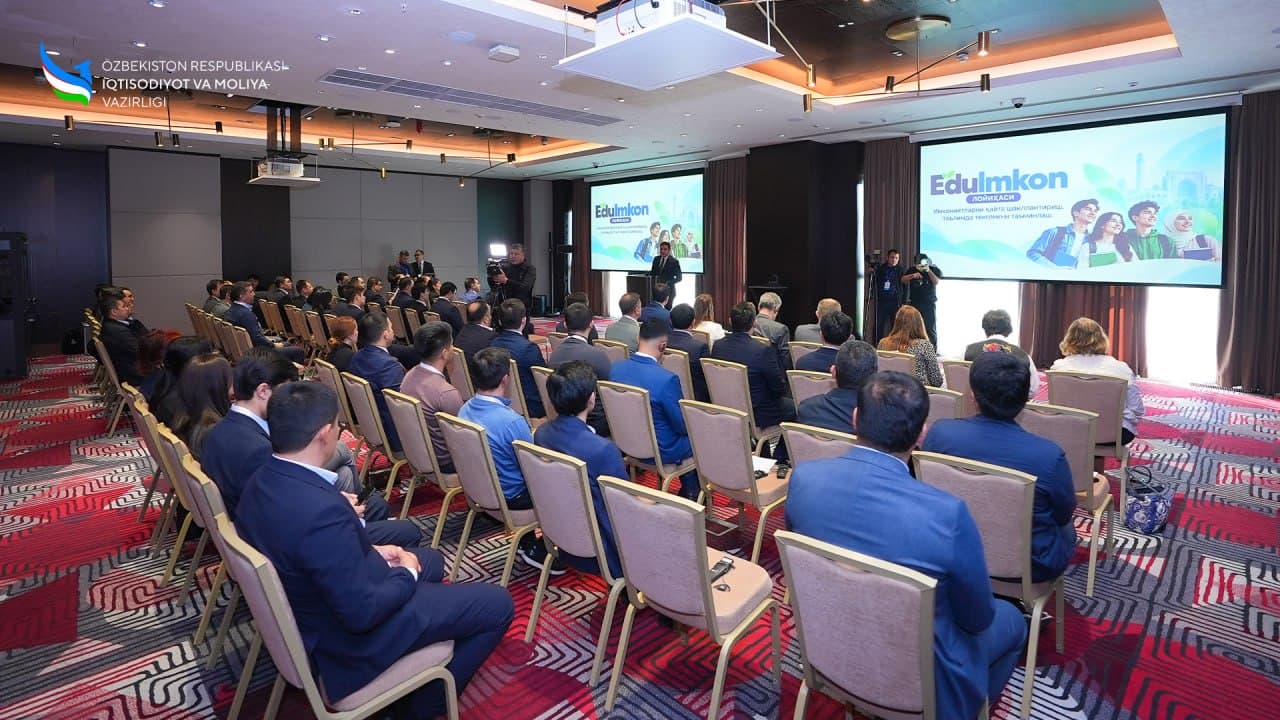
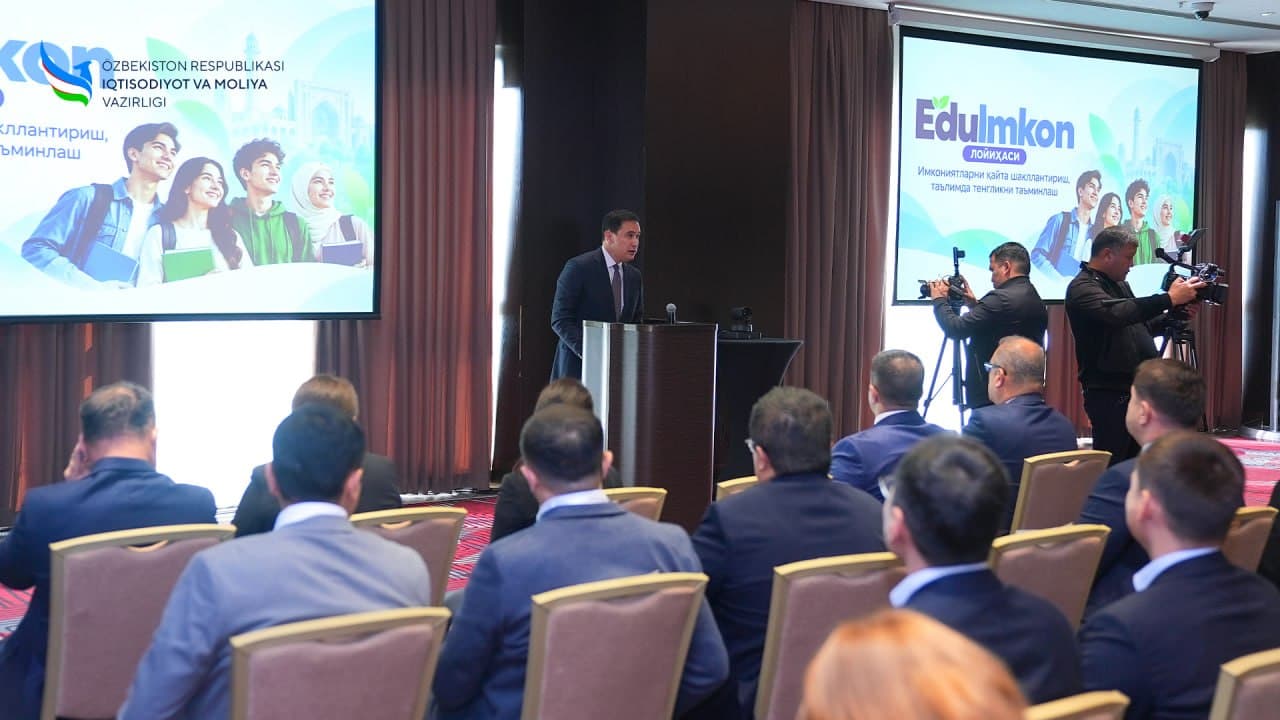
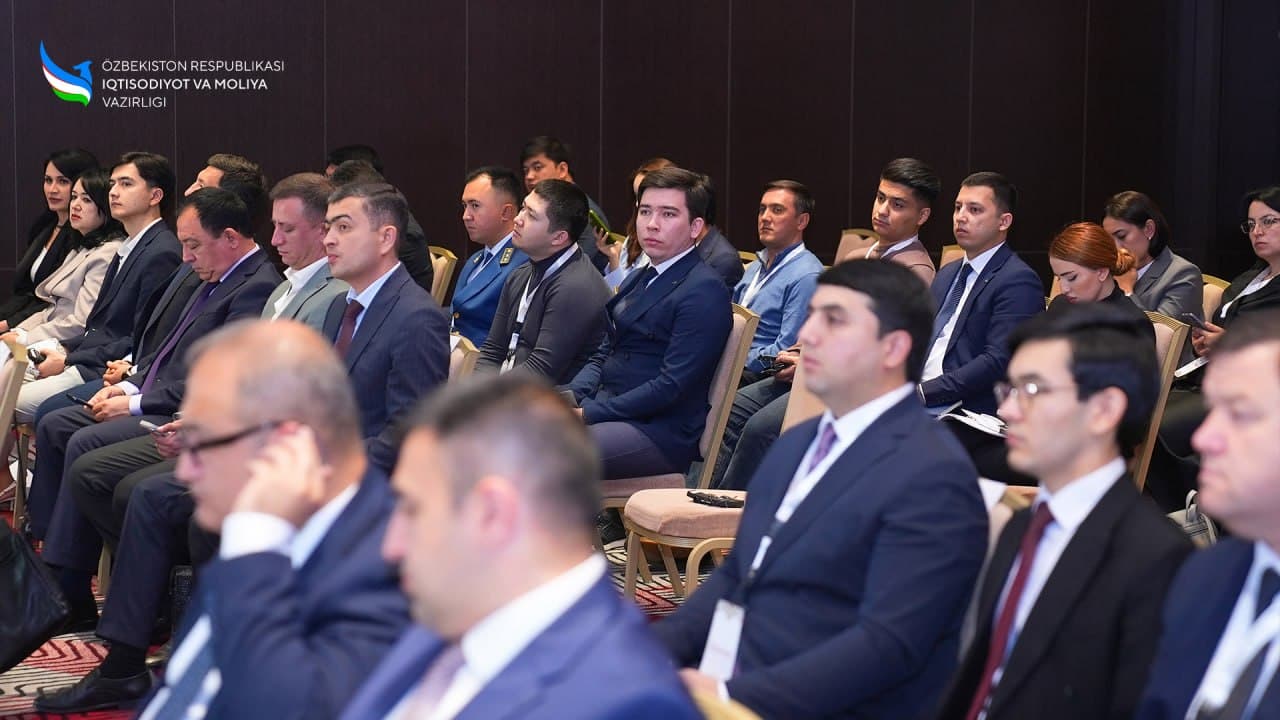
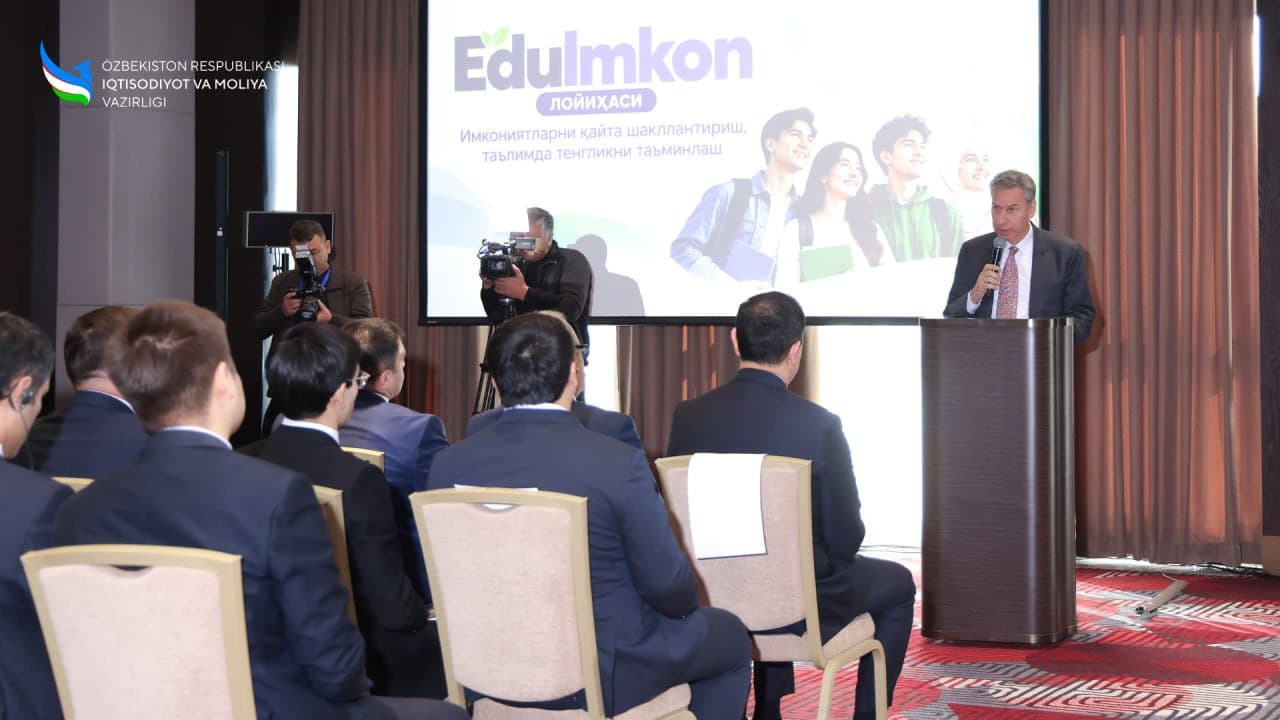
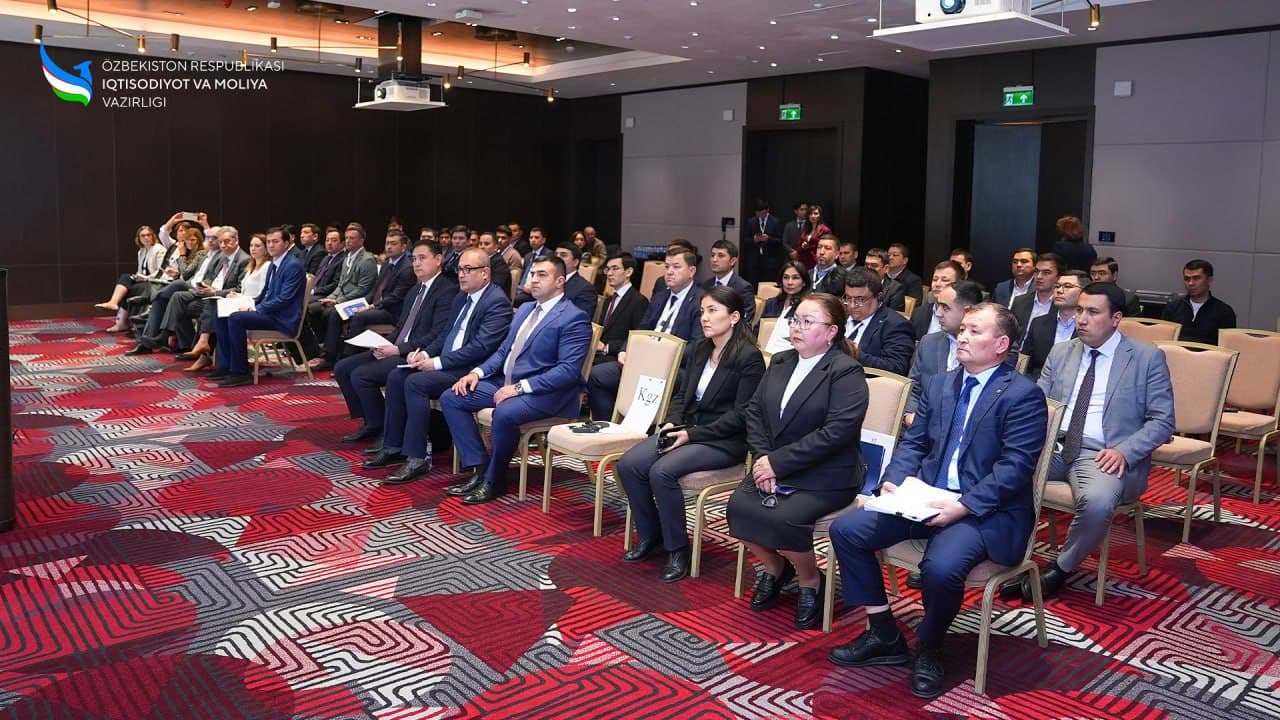
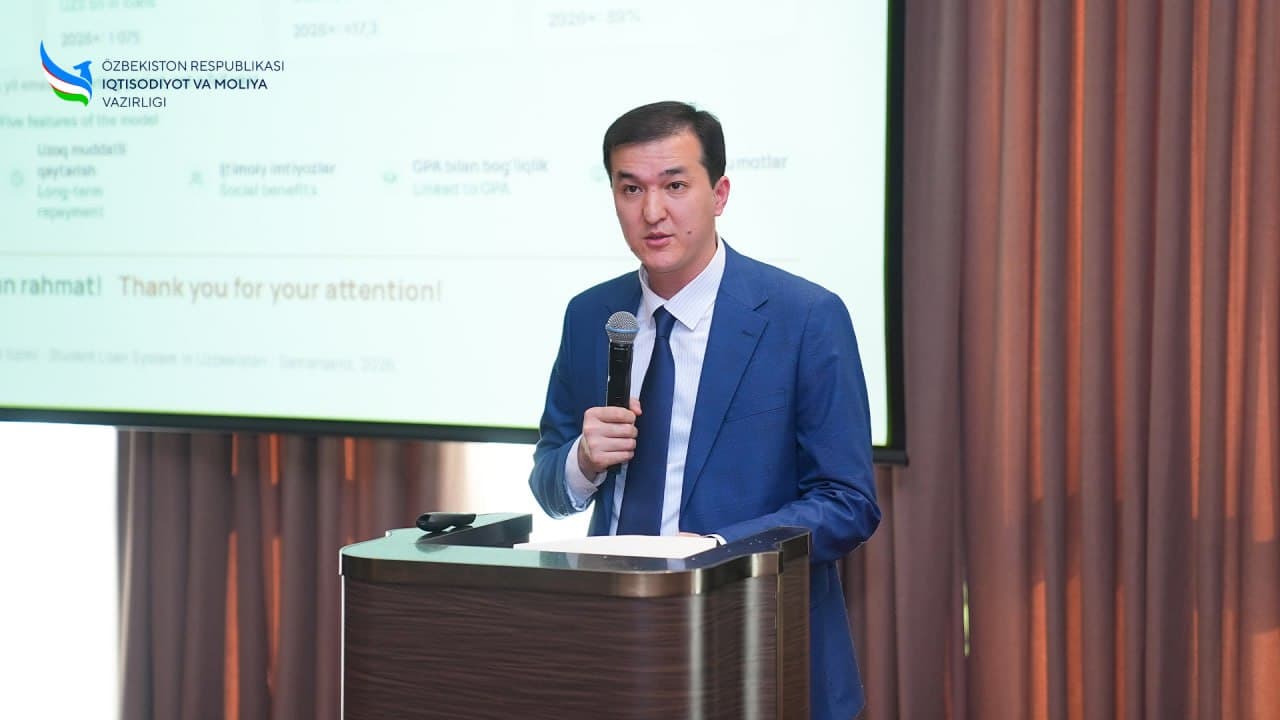
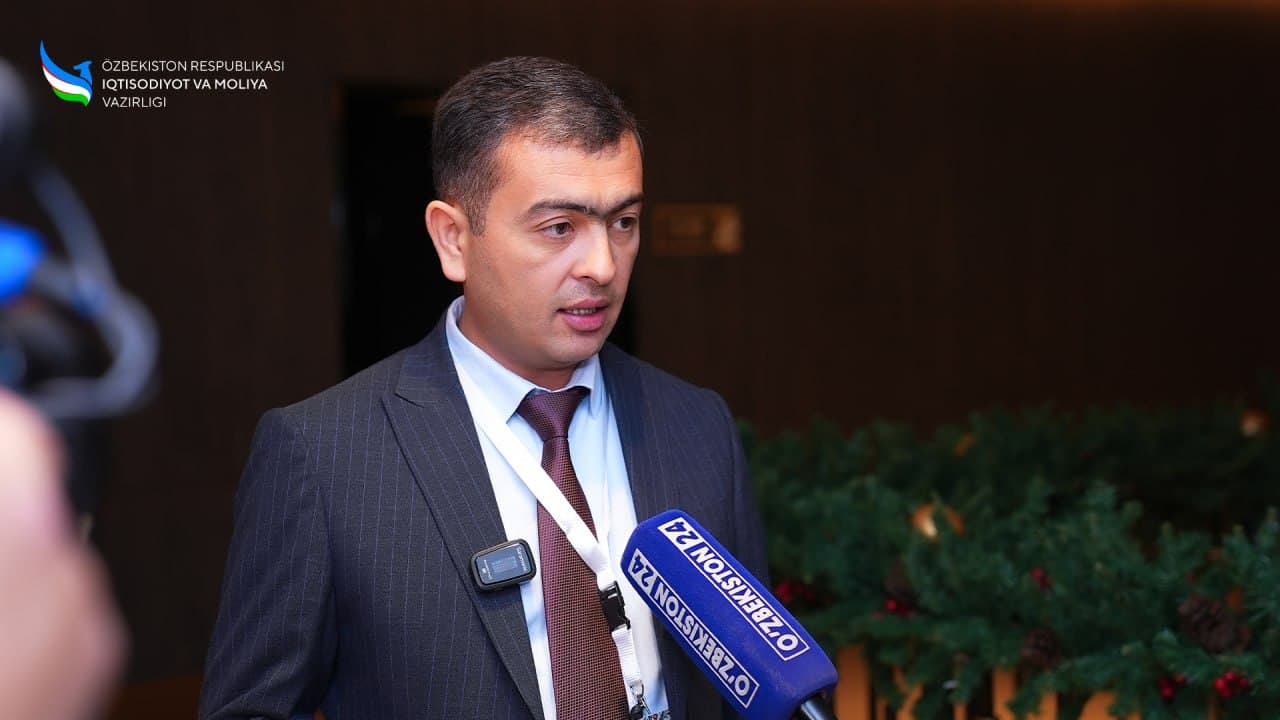
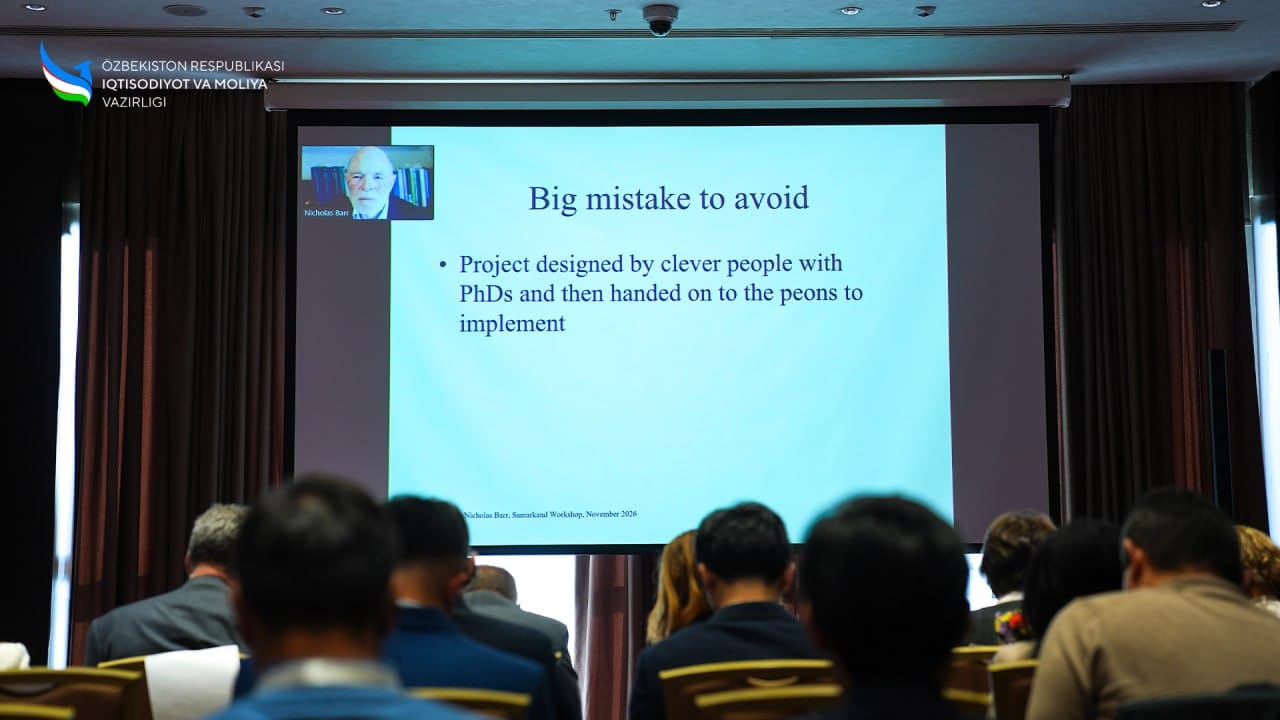
The event is organized under the “Eduimkon” Project in cooperation between the Ministry of Economy and Finance of the Republic of Uzbekistan and the World Bank. The discussions bring together representatives of government agencies, international financial institutions, foreign universities, and experts in education financing.
Participants include Otabek Fozilkarimov, Deputy Minister of Economy and Finance; Toby Linden, Head of the World Bank’s Education and Skills Global Practice; Bruce Chapman, an expert on Australia’s HECS system; Richard Holden, a representative of the University of New South Wales (UNSW Sydney); Lorraine Dearden, a representative of University College London (UCL); experts from the London School of Economics (LSE); as well as representatives of relevant government agencies from Kyrgyzstan, Turkmenistan, and Tajikistan.
The main objective of the event is to expand access to higher and professional education, assess the effectiveness and financial sustainability of the existing student loan system, and explore opportunities to adapt international experience to the context of Uzbekistan.
Education financing has a direct impact not only on students’ access to education but also on human capital development, labour market needs, and the efficient use of public funds. In this regard, an important task in improving student loan mechanisms is to strike a balance between social equity, targeted support, and long-term financial sustainability.
On the first day of the roundtable, participants reviewed the coverage of Uzbekistan’s existing student loan system, loan terms, available benefits, application and disbursement procedures, as well as the experiences of banks and students in this area. Particular attention was paid to the financial and institutional aspects of improving the system.
International experts are presenting education financing models used in Australia, the United Kingdom, and other countries. In particular, discussions have focused on Australia’s Higher Education Contribution Scheme (HECS) and the potential of Income-Contingent Loans (ICL). This approach links loan repayment obligations to graduates’ income and repayment capacity, an issue that has been the subject of an exchange of views among participants.
In assessing the feasibility of applying the ICL model in Uzbekistan, participants examined a range of factors, including repayment thresholds and rates, interest or indexation mechanisms, graduates’ employment and income levels, informal employment, subsidies, and the potential burden on the state budget. The discussions also covered the data infrastructure and legal and institutional arrangements required to introduce such a model.
The development of the digital infrastructure of the student loan system was also included on the agenda. In particular, discussions addressed the digitalization of application processing, loan disbursement, and repayment procedures; the use of income-related data; data exchange with tax and employment systems; as well as the clear allocation of institutional responsibilities for calculating and collecting repayments.
On the first day of the discussions, participants also had the opportunity to engage directly with subject-matter experts on the priority areas under consideration, obtain detailed information on issues of interest to them, and receive comprehensive answers to their questions.
PR and Communications Department
Ministry of Economy and Finance