
Rural Infrastructure Development: Results Achieved and Priorities for the Next Phase Discussed
2026-11-04 16:15:00 / News of ministry
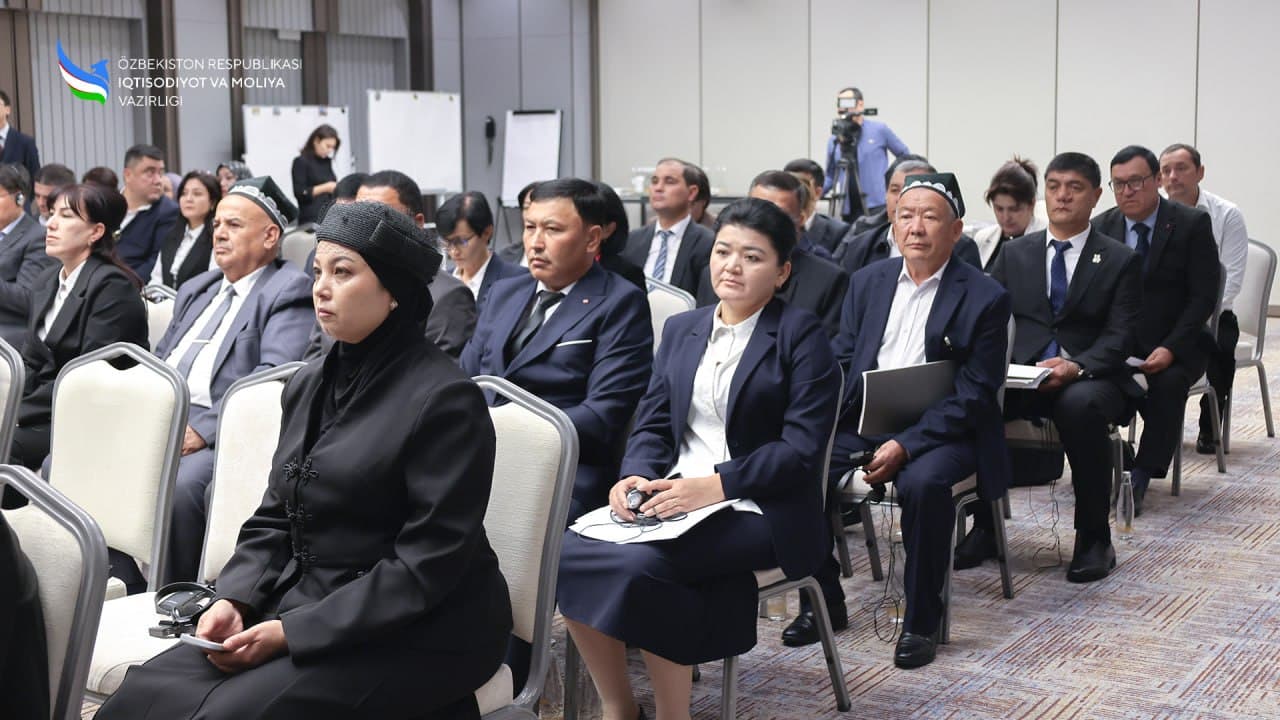
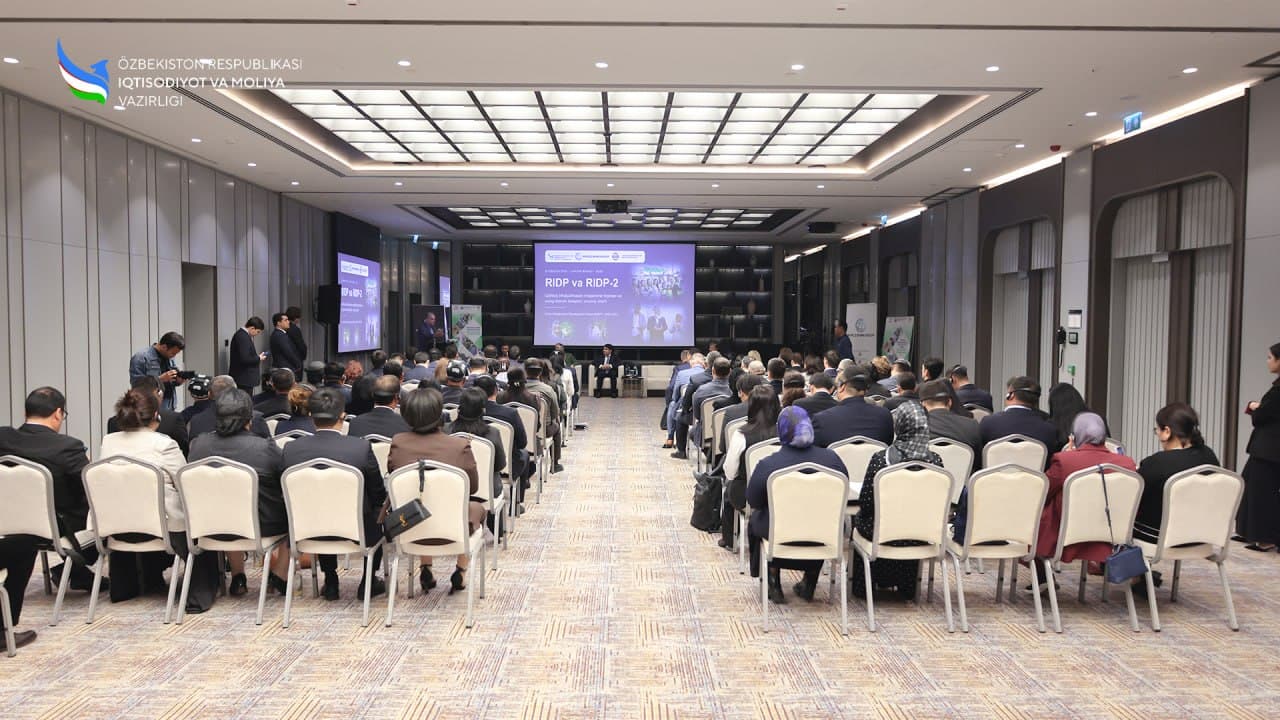
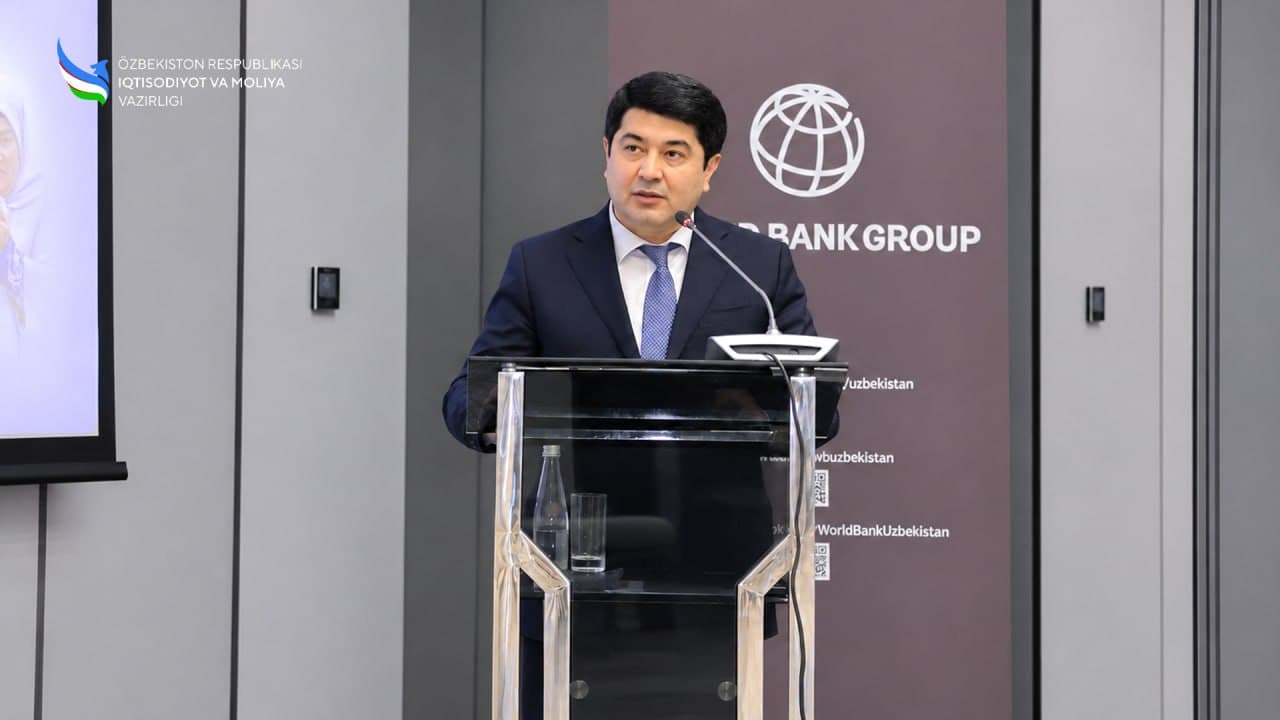

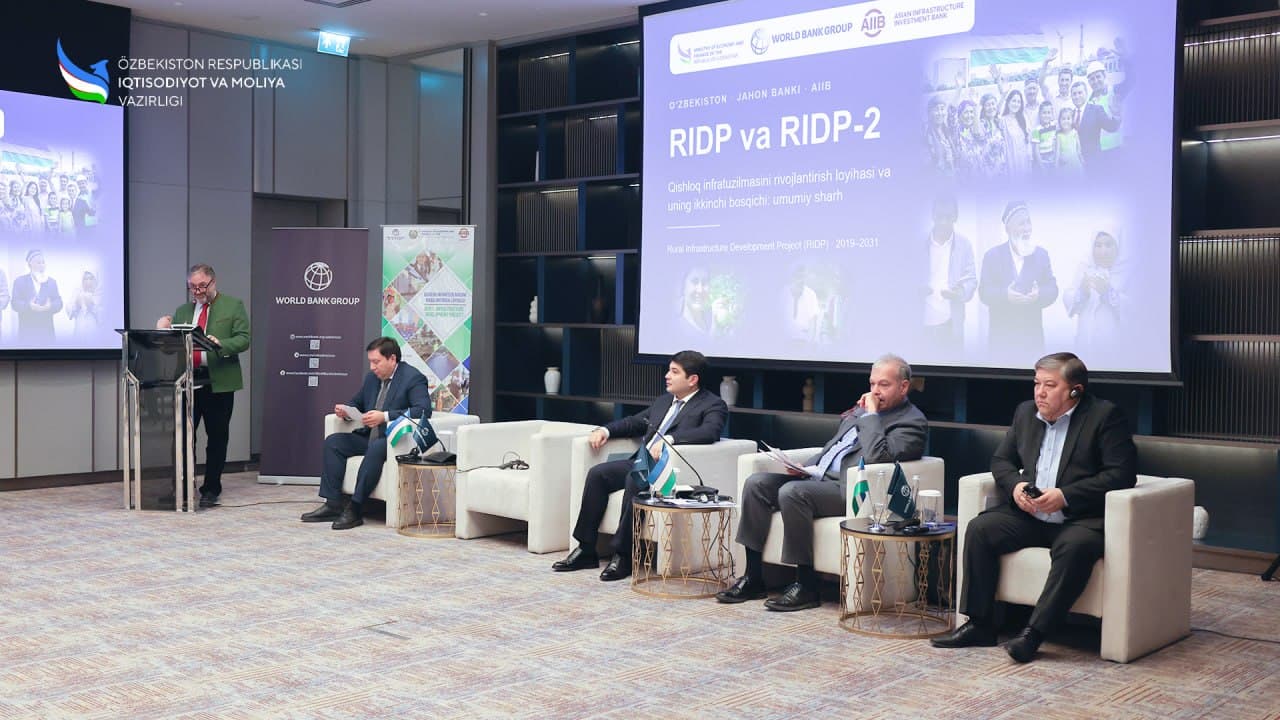
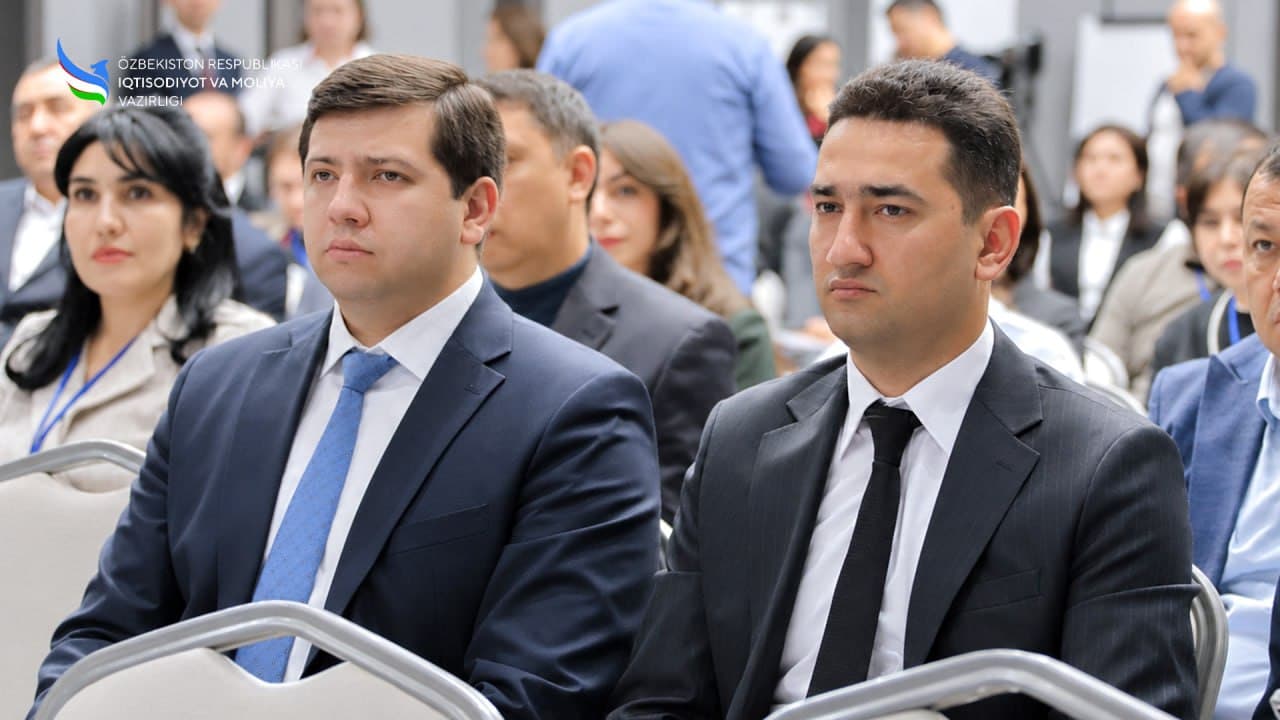
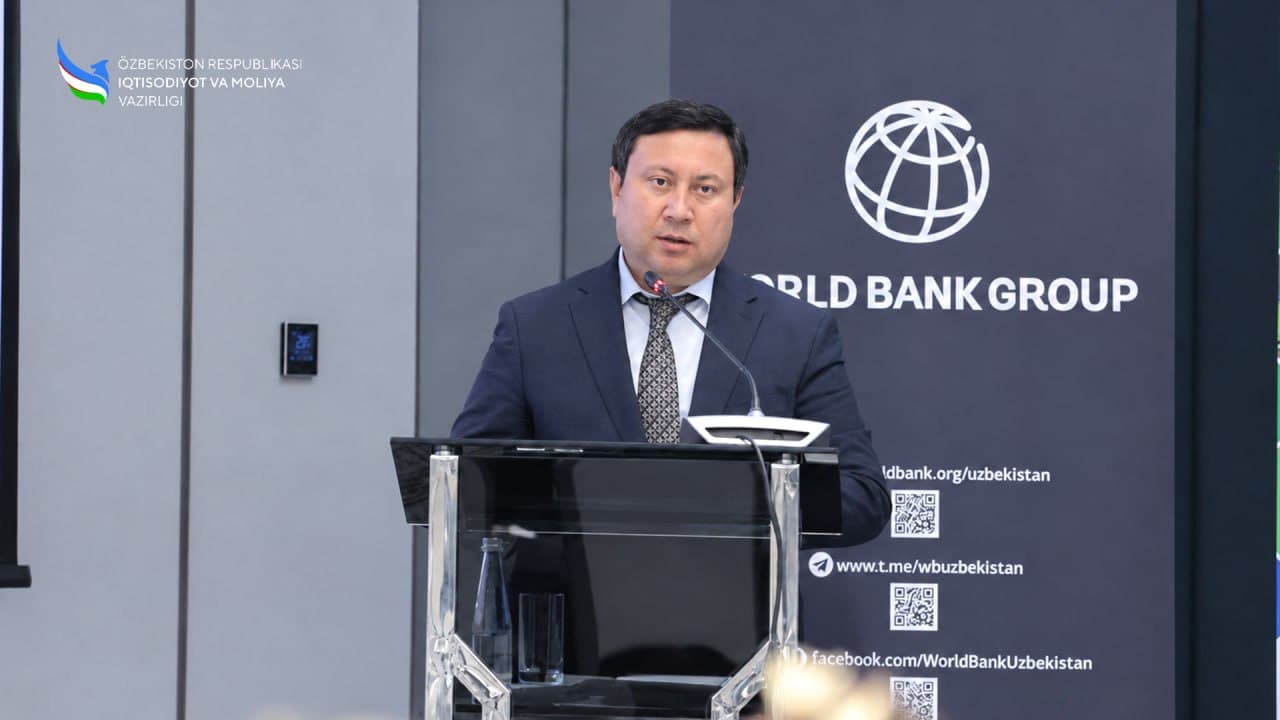
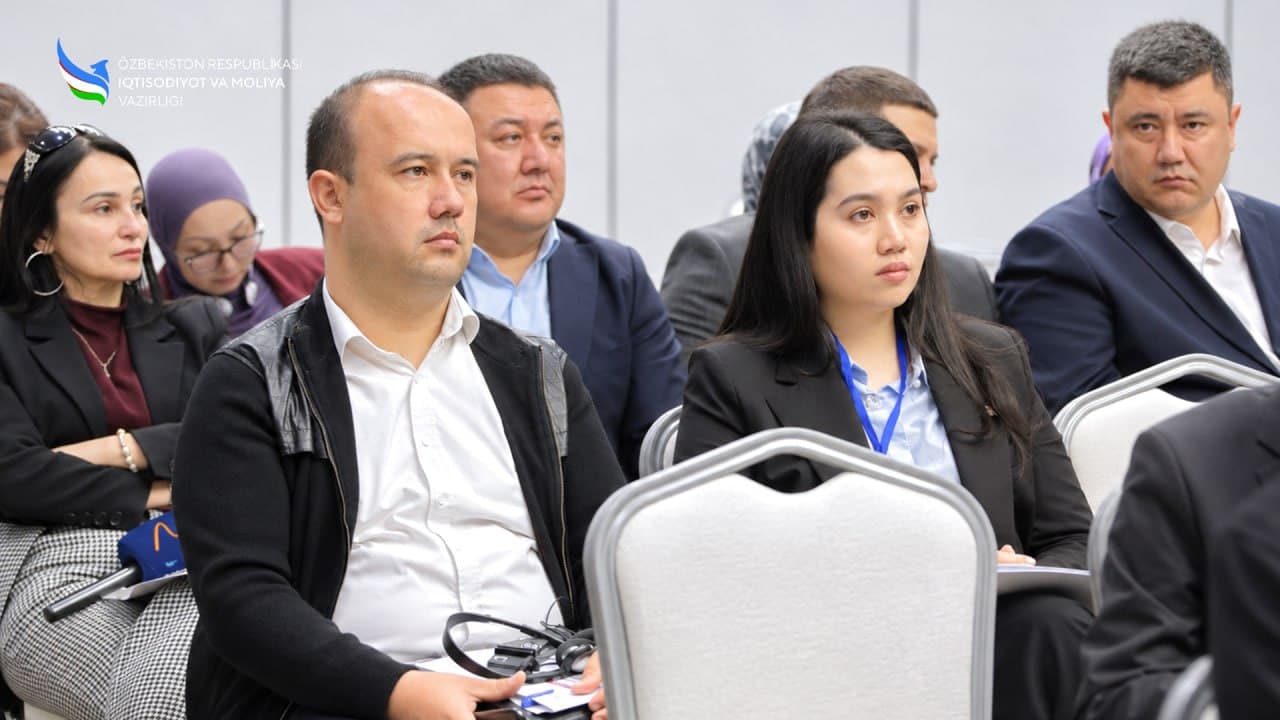
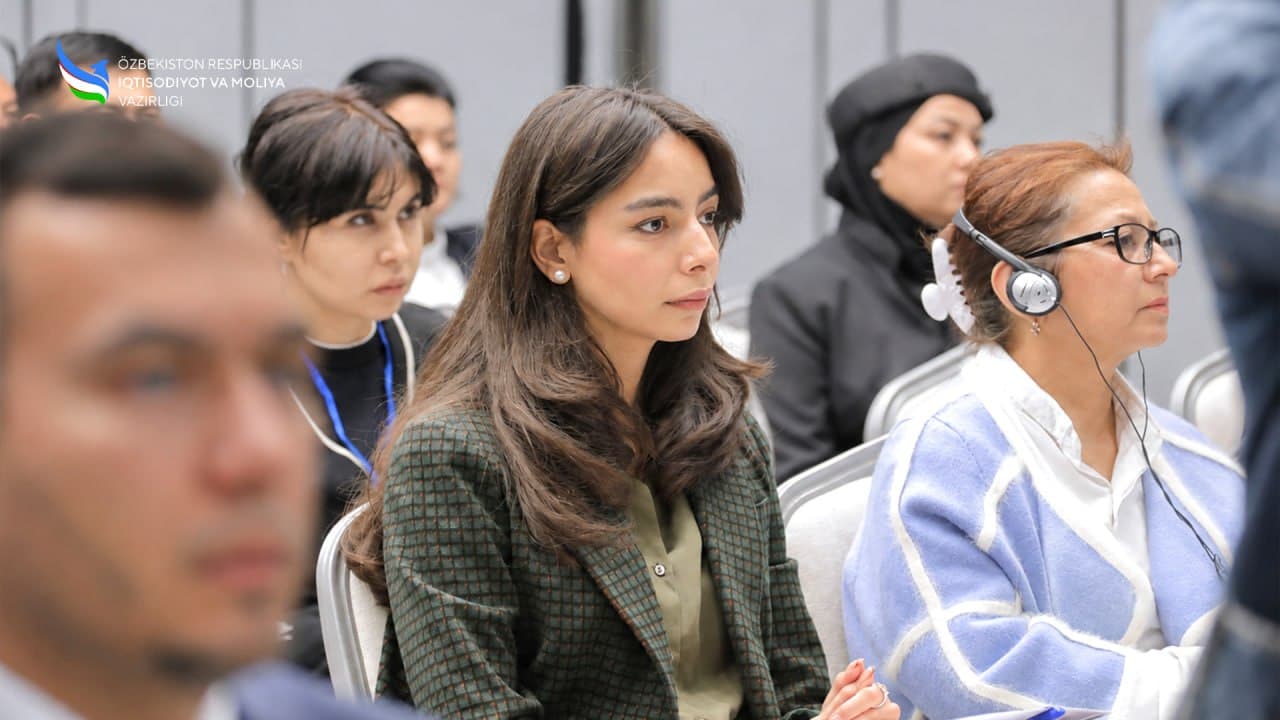
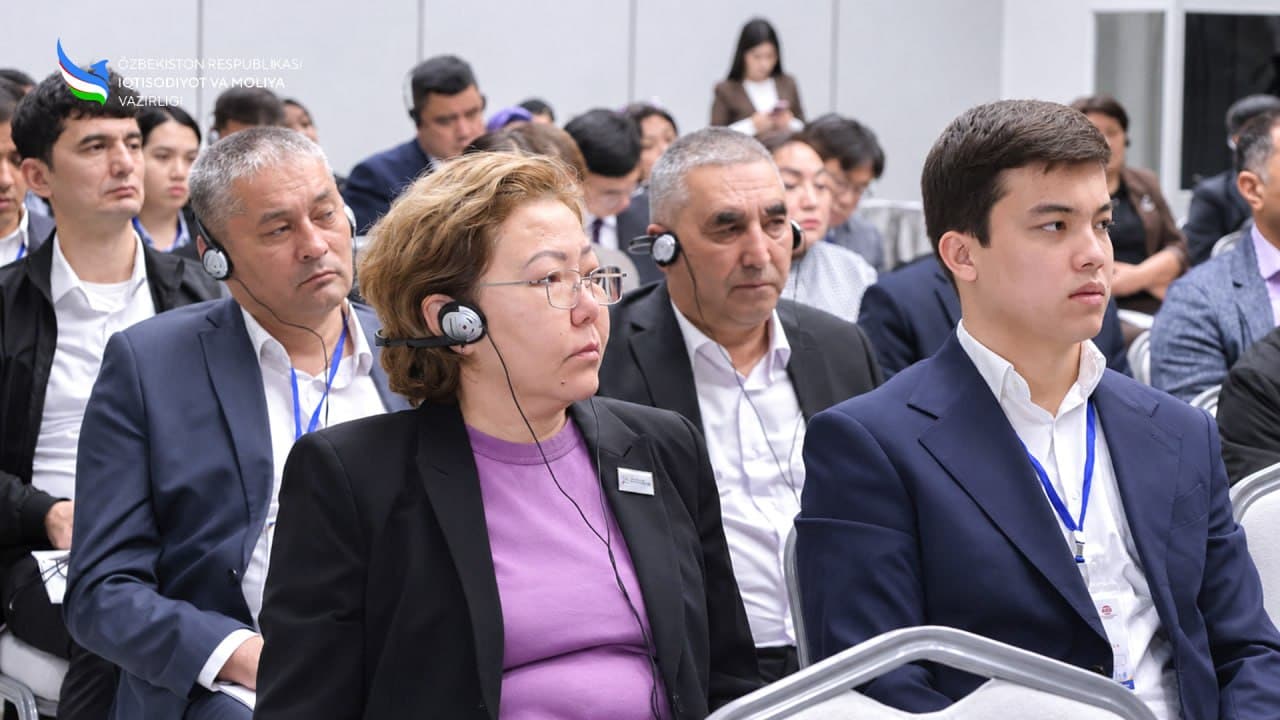
The event reviewed the results of the Rural Infrastructure Development Project (RIDP), implemented by the Ministry of Economy and Finance of the Republic of Uzbekistan in partnership with the World Bank Group and the Asian Infrastructure Investment Bank (AIIB). The project has covered more than 300 mahallas and approximately 1 million rural residents. The conference also discussed priorities for its second phase, RIDP-2.
The event brought together representatives of government agencies, international financial institutions, development partners, civil society, and mahallas in the project implementation areas. Discussions focused primarily on ensuring direct community participation in rural infrastructure development, aligning project outcomes with government programs, and further improving an approach based on local needs.
The opening session featured Khurshed Mustafayev, Deputy Minister of Economy and Finance; Najy Benhassine, World Bank Director for Central Asia; and Paolo Belli, Head of Social Policy for the Europe and Central Asia Region at the World Bank.
RIDP: Practical Experience in Rural Infrastructure Development
Nearly half of Uzbekistan’s population lives in rural areas. Therefore, developing infrastructure such as roads, schools, healthcare facilities, and water and electricity supply systems in rural areas is essential for improving living standards, expanding entrepreneurial activity, and creating new jobs.
Taking these needs into account, RIDP is designed to implement infrastructure projects based on local residents’ initiatives and priorities.
The first phase of the project, covering 2019–2026, was financed with USD 100 million from the International Development Association (IDA), part of the World Bank, and USD 82 million from the Asian Infrastructure Investment Bank.
Under this phase, more than 900 small-scale infrastructure projects were financed in 306 mahallas across Andijan, Fergana, Namangan, Jizzakh, and Syrdarya regions.
In particular, under the project, more than 340 roads (2,500 km), 220 electricity supply systems (2,050 km of networks and 650 transformer substations), and 160 water supply systems (2,100 km of networks and 230 water facilities) were constructed or modernized. In addition, approximately 100 schools, 40 preschool education facilities, and 10 bridges were built or modernized.
As a result, approximately 1 million rural residents directly benefited from the infrastructure improvements implemented under the project. Women account for approximately half of the beneficiaries.
One of the project’s key features is its mechanism for enabling residents to determine local development priorities themselves and ensuring community oversight of the work being carried out. Small-scale infrastructure projects were selected by Mahalla Development Groups, which also monitored their implementation. Ensuring that at least 50 percent of group members were women helped promote community participation, particularly that of women, in decision-making.
Community Participation: A Key Factor in Effective Infrastructure Projects
The conference held dedicated discussions on RIDP’s practical experience, the importance of local community participation, and ensuring public oversight during infrastructure project implementation.
Representatives of mahallas shared their experiences in implementing projects in their communities, identifying needs, setting priorities, and exercising public oversight over the quality of work performed by contractors.
Representatives of Sarmozor mahalla in Fergana region, Saroy mahalla in Jizzakh region, Teraktagi mahalla in Andijan region, Boboyurt mahalla in Syrdarya region, and Madaniyat mahalla in Namangan region discussed the work carried out under the project and the practical significance of community participation.
The discussions highlighted the importance of designing infrastructure projects around residents’ actual needs, supporting local initiatives, and strengthening public oversight of ongoing work.
The importance of taking women’s views into account when planning and implementing infrastructure projects, reflecting their needs, and expanding their participation in decision-making was also addressed.
RIDP-2: From Rural Infrastructure to Expanded Economic Opportunities
The conference also presented the objectives and new approaches envisaged under the second phase of the project, RIDP-2.
The total budget for RIDP-2 is expected to amount to USD 320 million. Of this amount, USD 150 million is planned to be provided through concessional financing from the International Development Association, USD 100 million through the Asian Infrastructure Investment Bank, and USD 70 million from the Government of the Republic of Uzbekistan.
The program is being implemented by the Ministry of Economy and Finance in 296 mahallas across Andijan, Fergana, Namangan, Jizzakh, Syrdarya, and Tashkent regions.
By 2031, RIDP-2 is expected to reach approximately 1.2 million rural residents, including 600,000 women and 300,000 young people.
In the new phase, alongside improving rural infrastructure, particular attention will be paid to boosting economic activity, developing entrepreneurship, and creating new jobs.
Specifically, in addition to improving roads and water and electricity supply infrastructure, the establishment of shared-use centers in 15 pilot mahallas is planned to support entrepreneurs engaged in agricultural processing and small-scale manufacturing.
This approach aims not only to develop infrastructure in rural areas but also to support entrepreneurial activity and expand local economic opportunities.
Special importance will also be attached to the “Mahalla Yettiligi” (Mahalla Seven-Member Structure) mechanism under RIDP-2 to ensure community participation and align infrastructure projects with the local governance system.
The conference discussed the division of responsibilities within this mechanism, online voting and community surveys, the technical readiness of projects, climate resilience, and public monitoring.
In conclusion, the experience of RIDP once again demonstrated the effectiveness of an approach that enables communities to independently identify their needs and development priorities. The RIDP-2 phase will provide opportunities to further strengthen this approach in government programs, promote entrepreneurship in rural areas, create new jobs, and expand sustainable income-generating opportunities for residents.
PR and Communications Department
Ministry of Economy and Finance