
Uzbekistan presents AI platform to assess state enterprise performance and fiscal risks
2026-11-04 11:00:00 / News of ministry

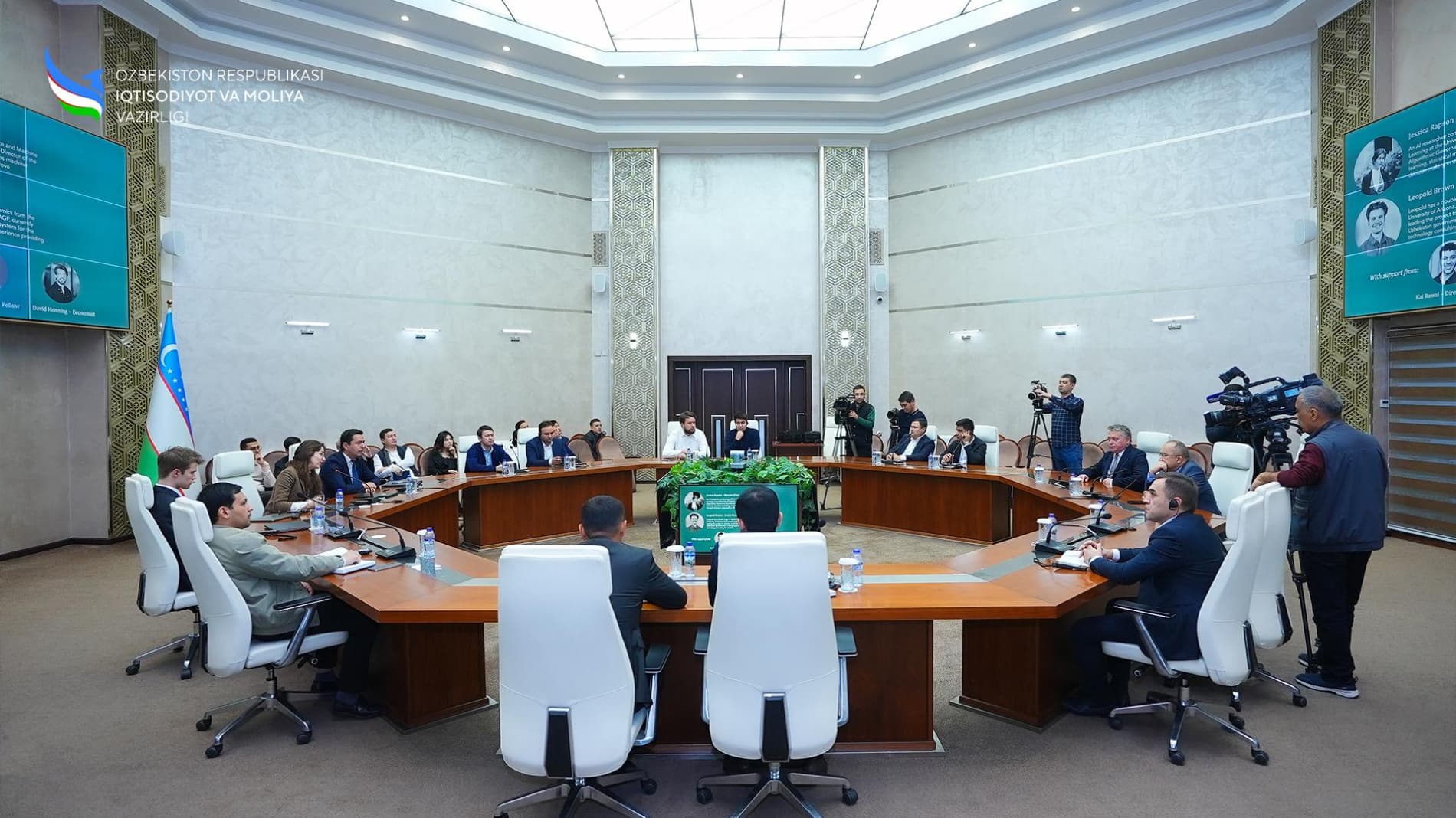
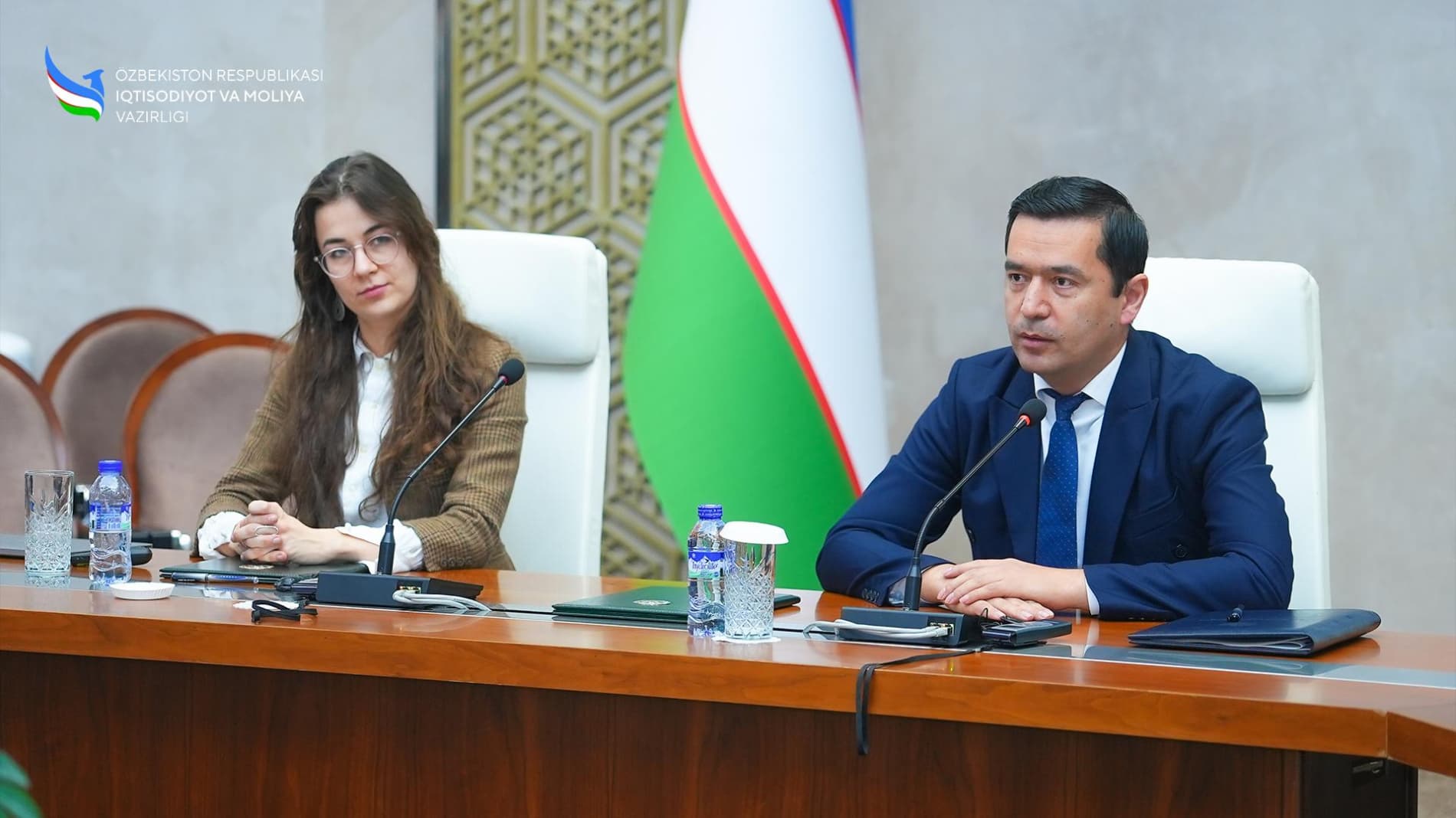







On 3 November 2026, Uzbekistan’s Ministry of Economy and Finance presented the UZSOE Intelligence Platform, developed to help identify financial vulnerabilities in enterprises with state participation, assess fiscal risks and inform reform measures. The platform was developed through cooperation between the Ministry and the UK’s Algorithmic Governance Foundation (AGF), based at the University of Oxford, with development funded entirely by AGF.
Information on state enterprises is distributed across financial statements, registries, audit reports and other sources, often in different formats. UZSOE brings this evidence together to support a central Ministry task: determining which enterprises require closer investigation, what evidence warrants that attention and which measures should be considered first.
The platform’s financial screening framework combines 15 indicators with 12 predefined risk triggers. Subject to data availability, these cover areas including profitability, liquidity, indebtedness and dependence on government support. Historical trends and comparisons with peer enterprises help identify deterioration in financial health. The framework draws on the International Monetary Fund’s approach to assessing financial risks in state-owned enterprises.
An AI assistant complements this screening by connecting financial results with information from reports and other documents to prepare concise enterprise briefings and recommendations. Users can ask questions in Uzbek, examine individual enterprises and compare groups of enterprises. Initial work focuses on energy and transport, including railway enterprises.
The practical relevance to management decisions is clear. Persistent losses can prompt closer investigation of their causes and an assessment of financial recovery options. Rising liabilities and dependence on government support can warrant a deeper review of potential budgetary exposure. A sharp deterioration in financial indicators can provide an evidence base for prioritising an enterprise for investigation and enhanced monitoring.
The presentation was attended by Deputy Minister of Economy and Finance Umid Abidkhadjaev, AGF Director Jessica Rapson, AGF Senior Researcher and Project Lead Leopold Brown, and representatives of enterprises with state participation and relevant organisations. The platform’s operating mechanisms were demonstrated, followed by discussions on its practical use within the Ministry.
Work towards implementation includes validating assessment criteria against enterprise cases, expanding data coverage and connecting analytical outputs to the Ministry’s established decision-making processes. Knowledge transfer, staff training and preparations for independent operation by the Ministry are also important elements of the cooperation. Missing information is identified separately, while final assessments and appropriate responses remain subject to review by authorised specialists.
A proposed evaluation approach also addresses how the platform is used in practice. Alongside usage indicators, it would track management decisions informed by platform analysis and the enterprises covered by those decisions.
The intended result is stronger analytical capacity within the Ministry, timely identification of financial risks and a verifiable evidence base for decisions on state enterprise reform.
About the partner
The Algorithmic Governance Foundation is an Oxford-based research organisation developing algorithmic solutions to improve public sector decision-making. Its Director, Jessica Rapson, is pursuing a DPhil in Statistical Science and Machine Learning at the University of Oxford. Her professional experience includes data analysis in Canadian government departments and the development of machine learning tools through the G7/G20 Research Group.
PR and Communications Department
Ministry of Economy and Finance