
National carbon pricing and industrial decarbonisation topics discussed
2026-11-03 16:30:00 / News of ministry
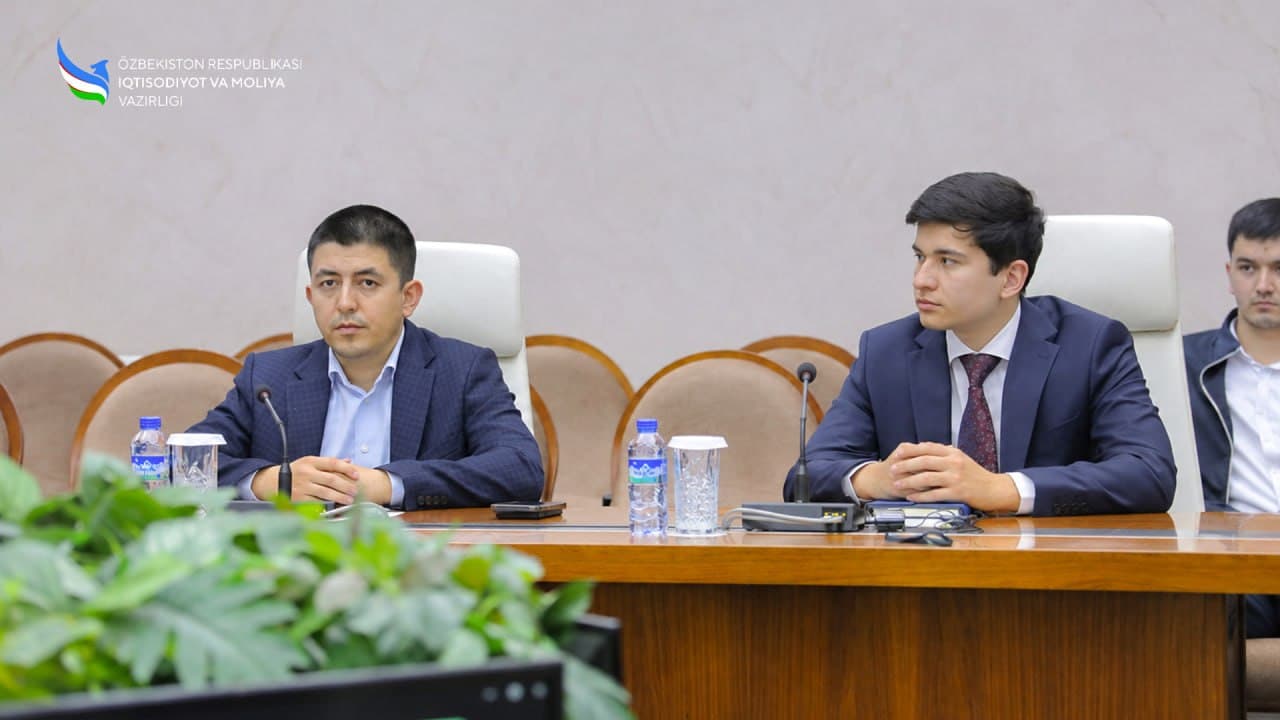
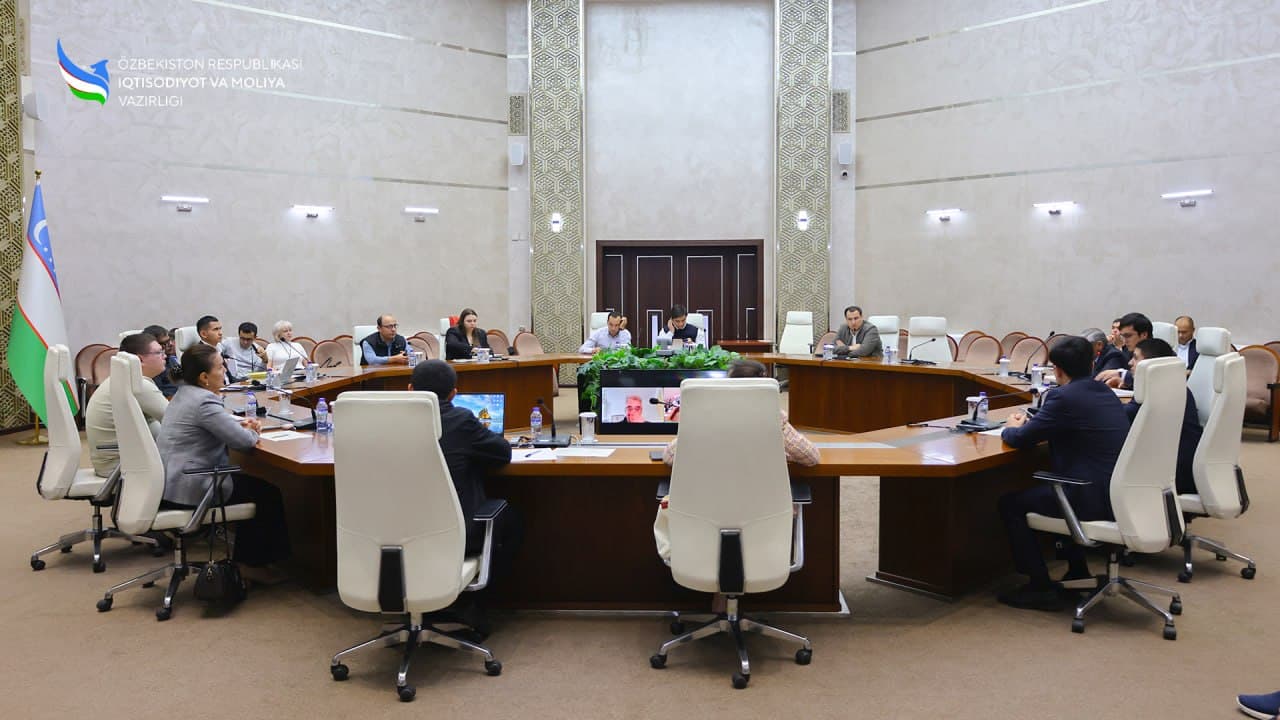

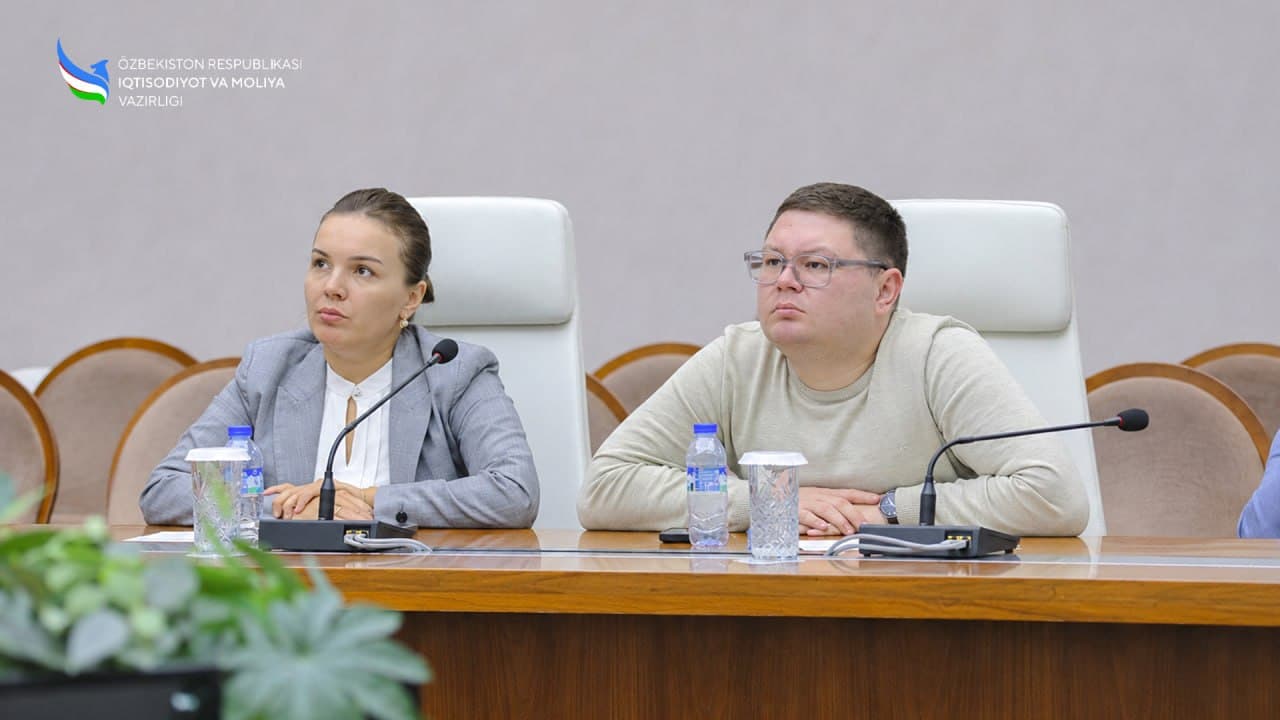
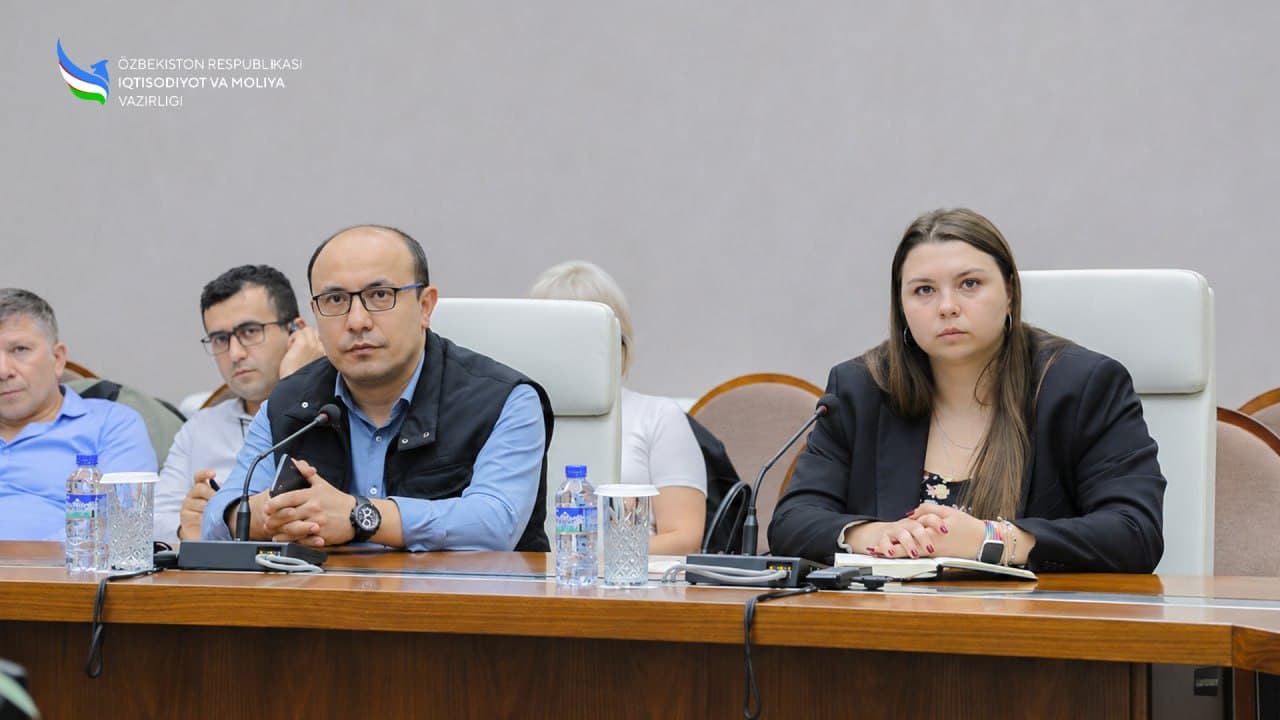
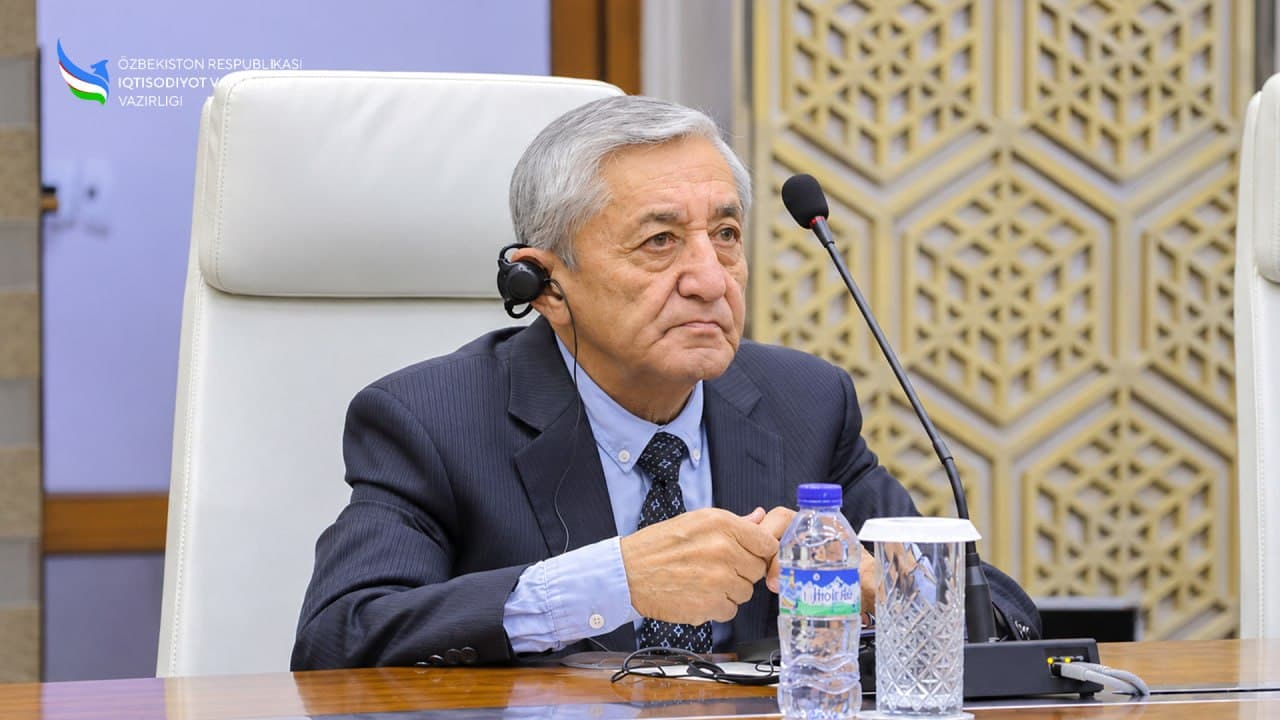
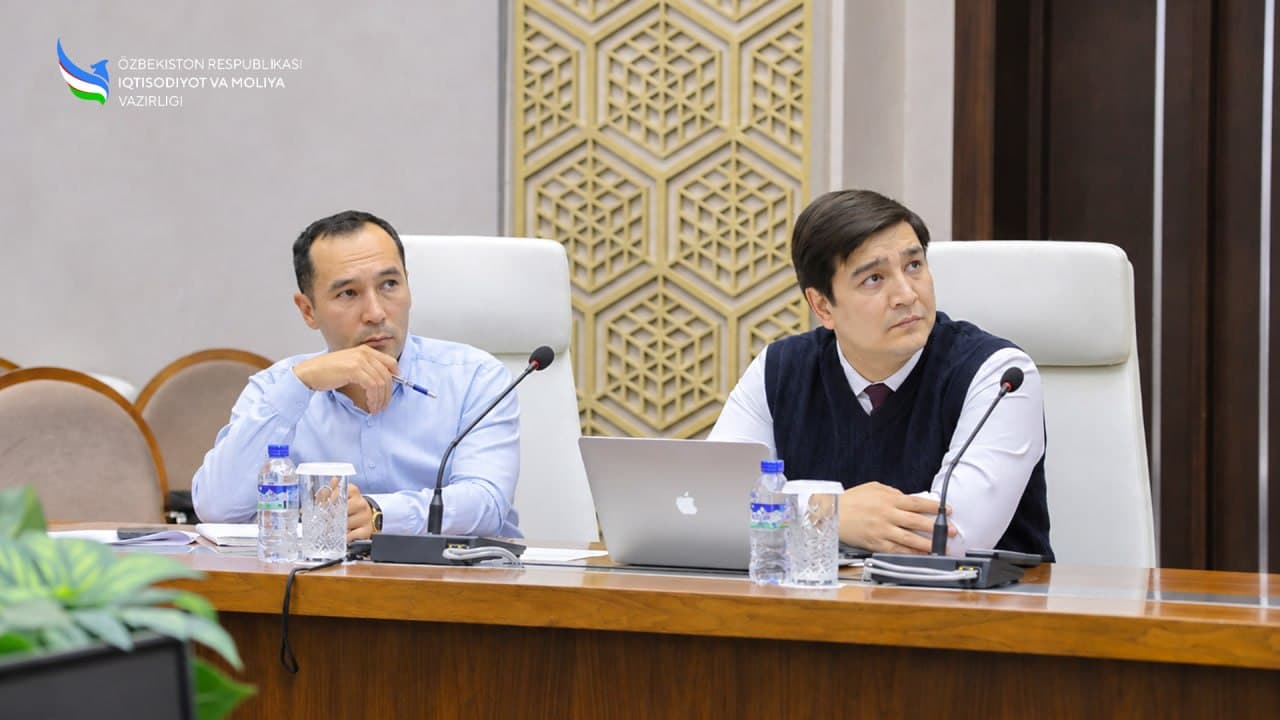
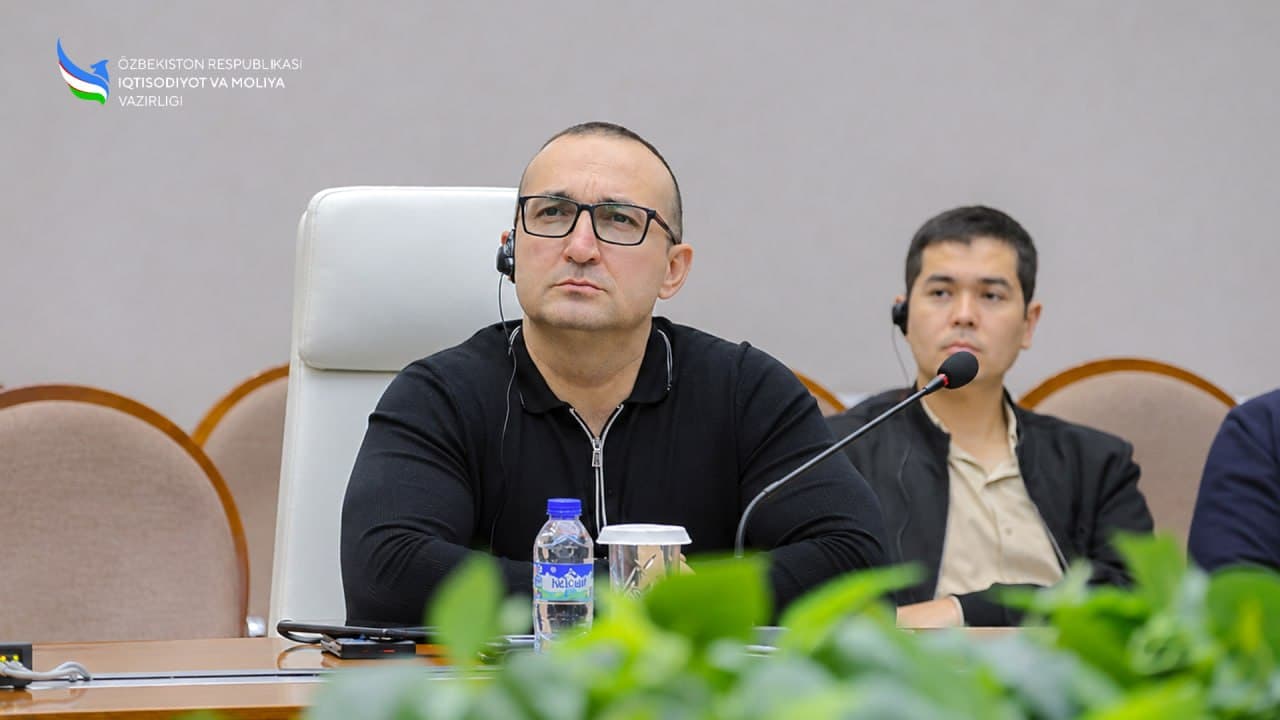
The seminar was organised within the framework of the “Green Industrialisation” project, implemented jointly by the Ministry of Economy and Finance of the Republic of Uzbekistan, the Center of Green Economy Projects under the Ministry, and the German Agency for International Cooperation (GIZ), with the participation of international expert Zsolt Lengyel.
The main objective of the seminar was to highlight the practical role of emissions trading systems (ETS) and carbon pricing mechanisms in modernising Uzbekistan’s industrial sector, accelerating decarbonisation efforts and supporting the achievement of the country’s Nationally Determined Contribution (NDC) targets. The seminar also provided an opportunity to explore international experience in using reliable facility-level emissions data to inform investment decisions.
During the seminar, participants discussed the practical experience of European Union Member States in introducing carbon pricing mechanisms and monitoring, reporting and verification (MRV) systems. In particular, discussions covered the operational principles of emissions trading systems, emissions databases and monitoring requirements, the allocation of emission allowances (including auctioning mechanisms), independent verification processes, and the institutional arrangements of competent authorities, drawing on the experience of Germany’s Emissions Trading Authority (DEHSt). Participants also learned about the differences between emission allowances and project-based carbon credits, as well as mechanisms to prevent double counting.
Another key focus of the seminar was the effective use of revenues generated through carbon pricing mechanisms to support industrial decarbonisation and promote green investment. Discussions also examined opportunities under the European Union’s Carbon Border Adjustment Mechanism (CBAM) to maintain the international competitiveness of domestic industrial enterprises, particularly producers of mineral fertilisers and other export-oriented products, while ensuring that carbon-related payments remain within the national economy.
At the conclusion of the seminar, participants had the opportunity to ask questions and receive expert responses. The discussions highlighted the importance of establishing a reliable historical database of facility-level emissions as a fundamental prerequisite for developing emission allowance allocation rules and introducing national carbon pricing mechanisms in Uzbekistan.
PR and Communications Department
Ministry of Economy and Finance