
Reforms to improve the student loan system and the EduImkon Program discussed
2026-10-23 16:25:00 / News of ministry

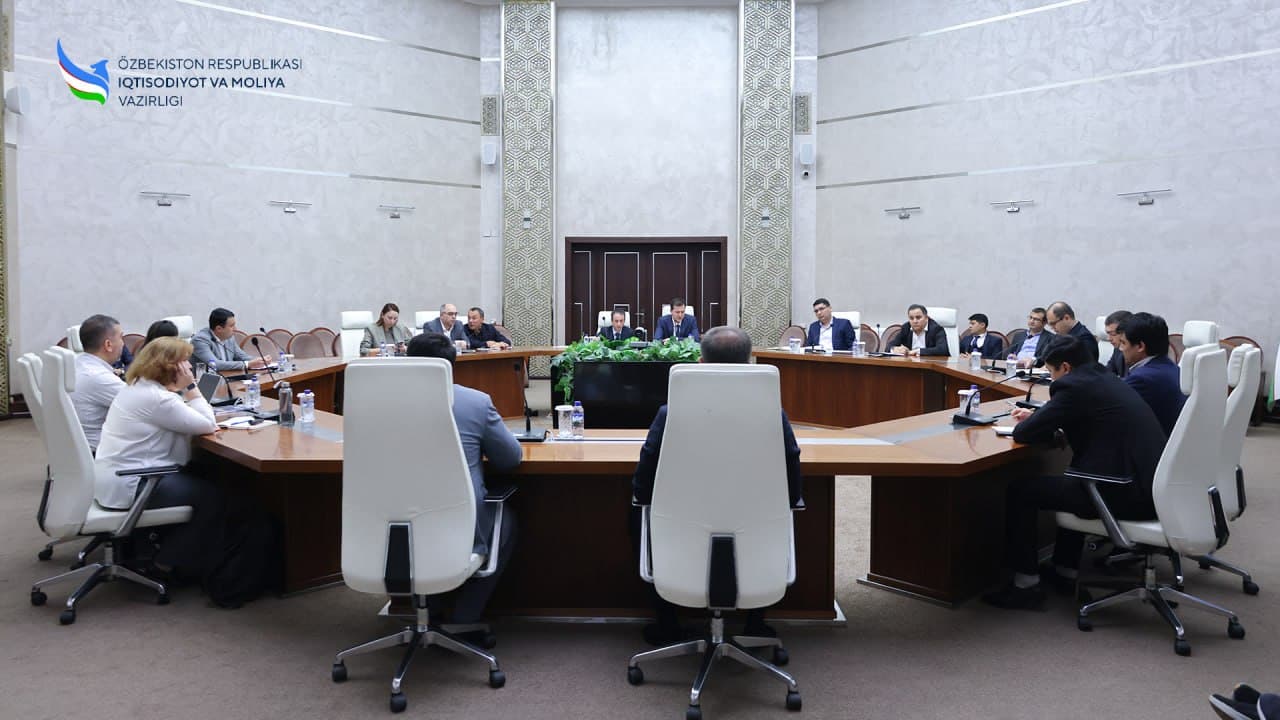
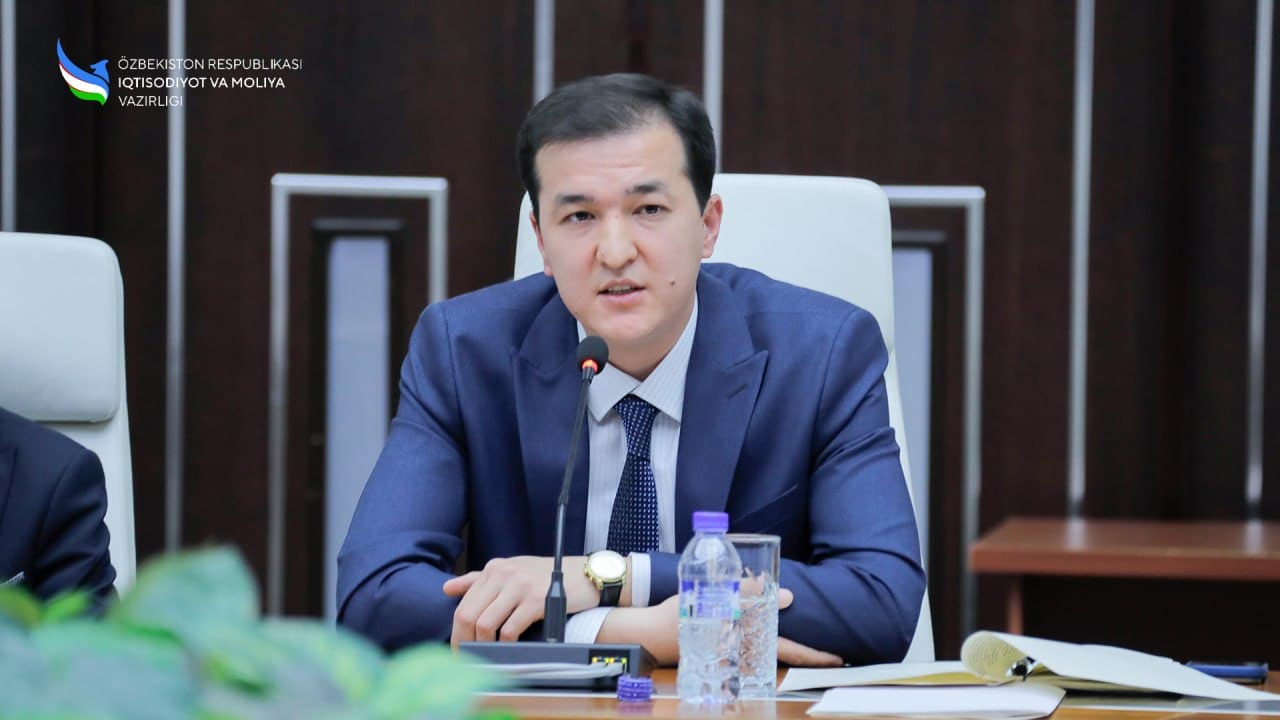
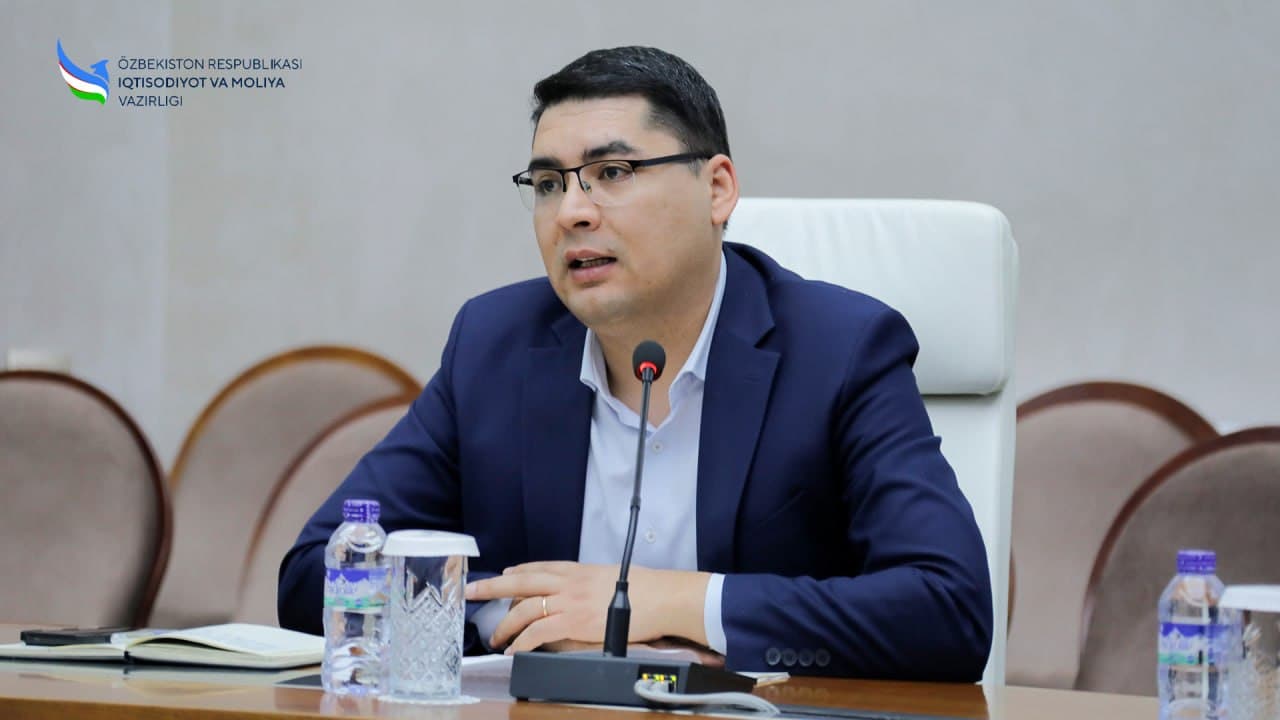
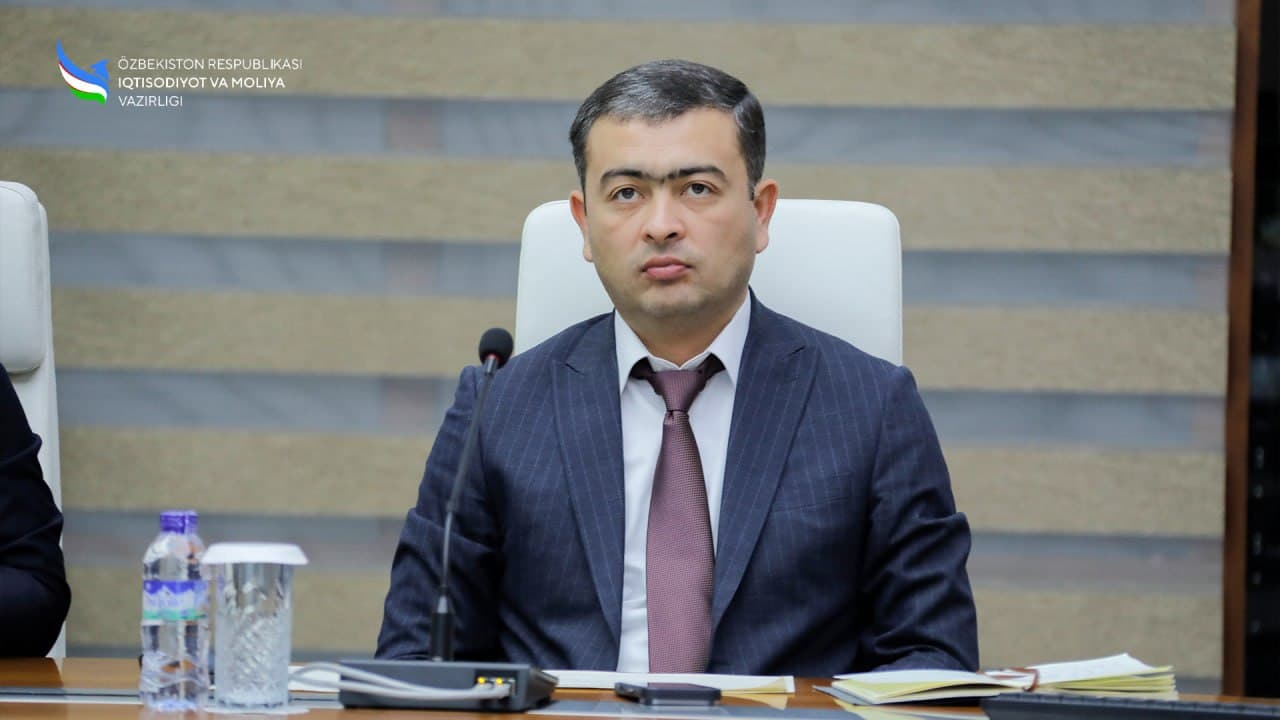
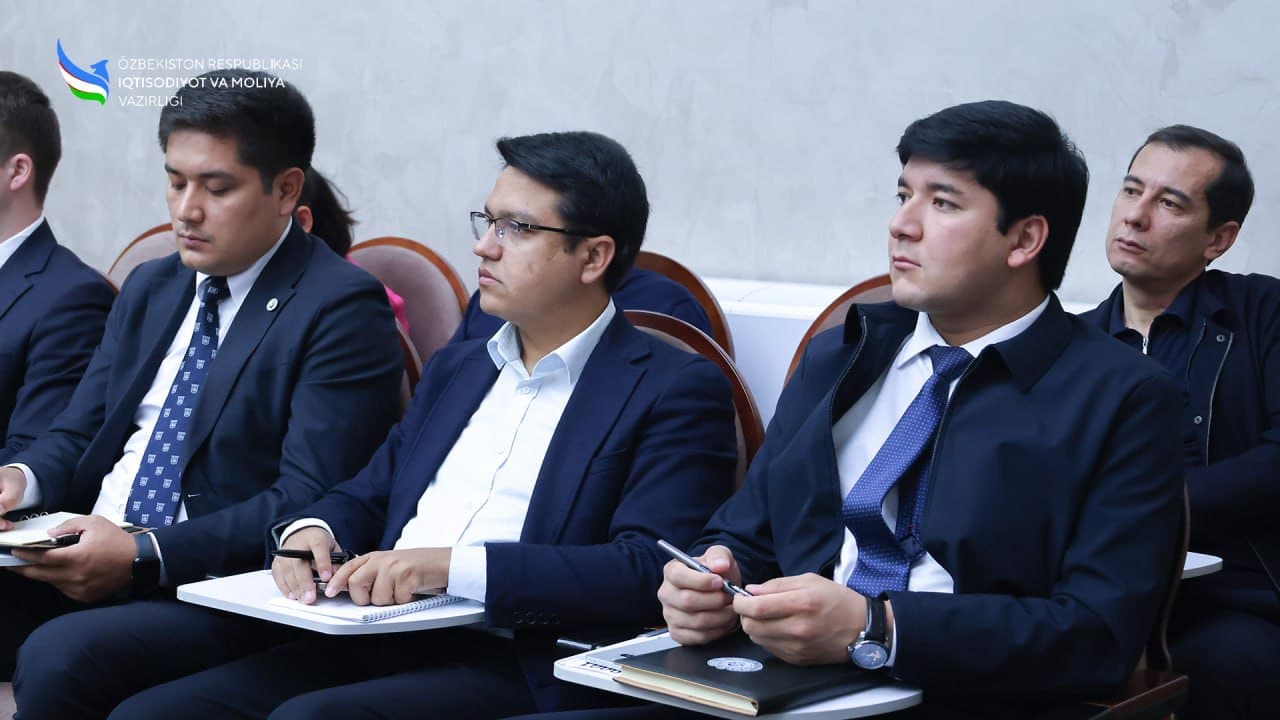
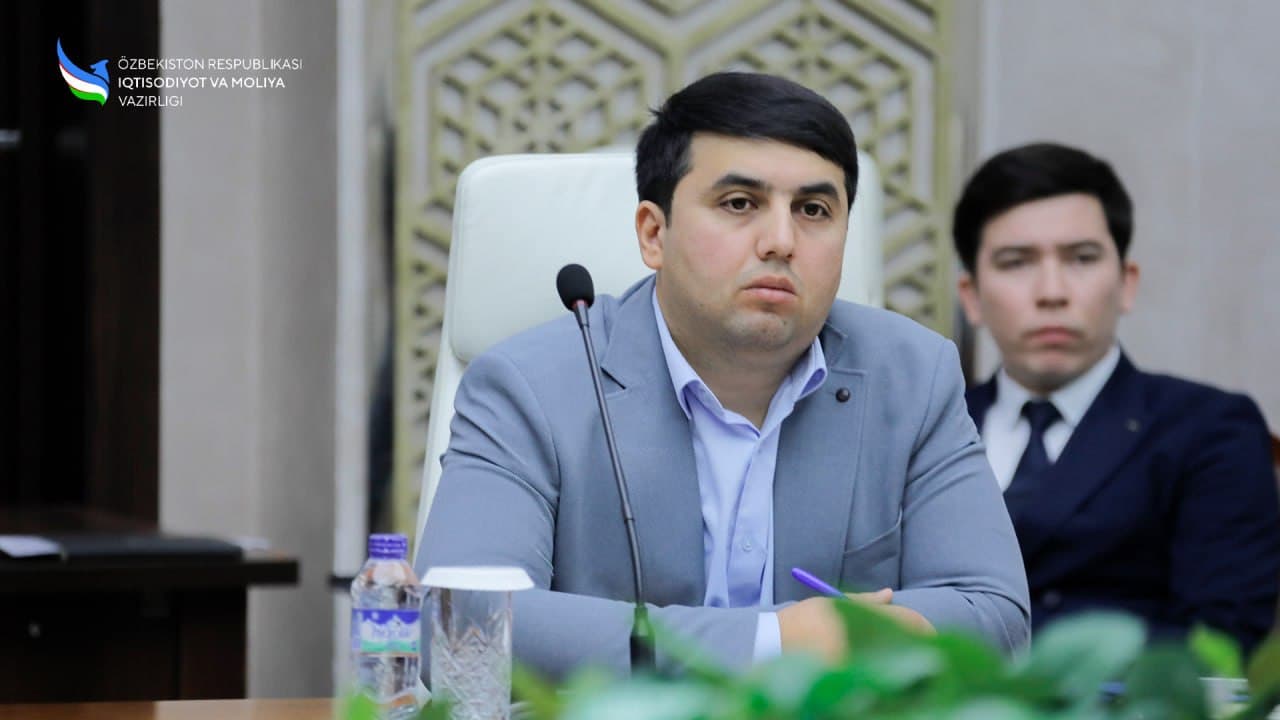
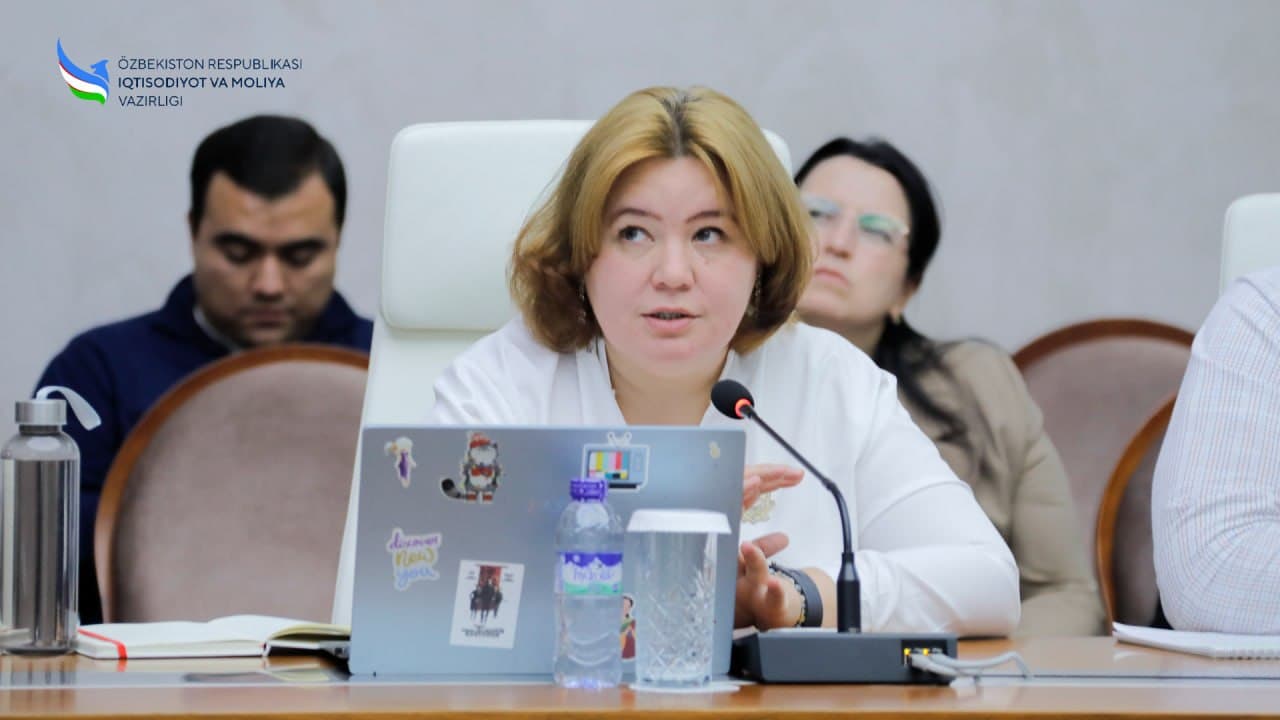
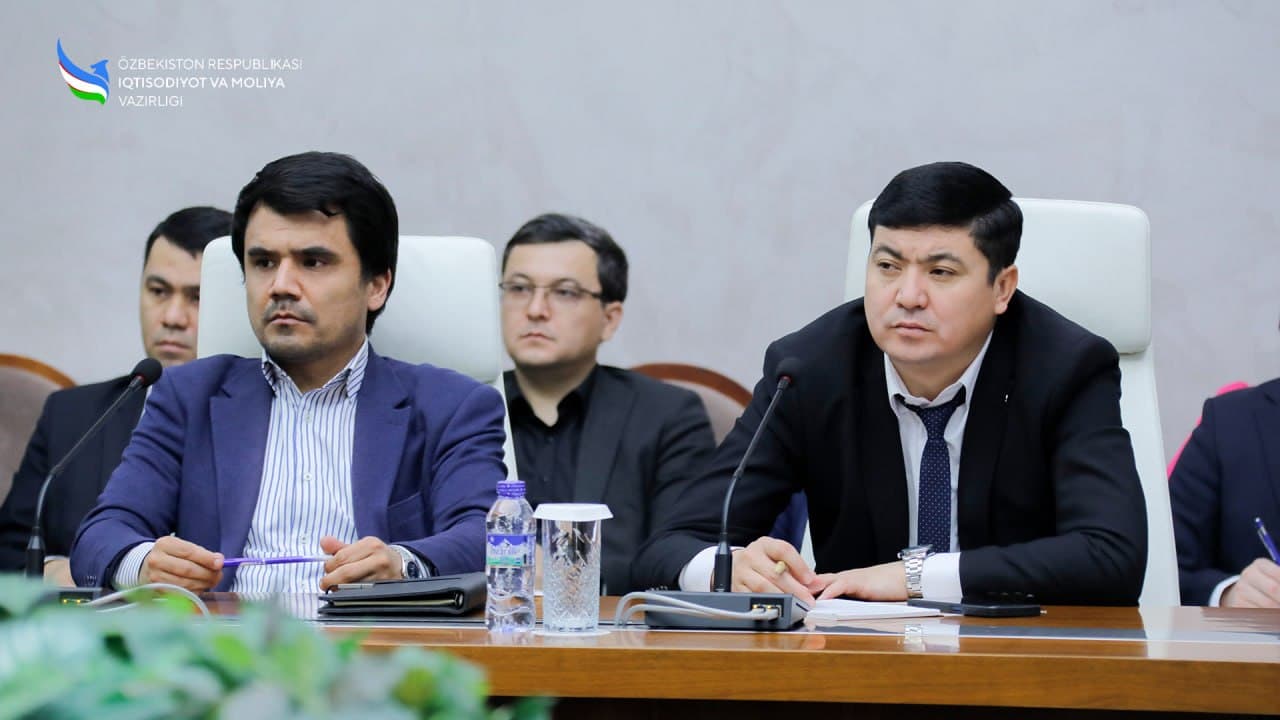
The meeting brought together representatives of the Ministry of Economy and Finance, the World Bank, relevant ministries and government agencies, commercial banks, higher education institutions, and civil society organisations.
Discussions focused on the current state of the student loan system, progress achieved to date, opportunities to improve financing mechanisms, and measures to ensure the efficient use of public funds.
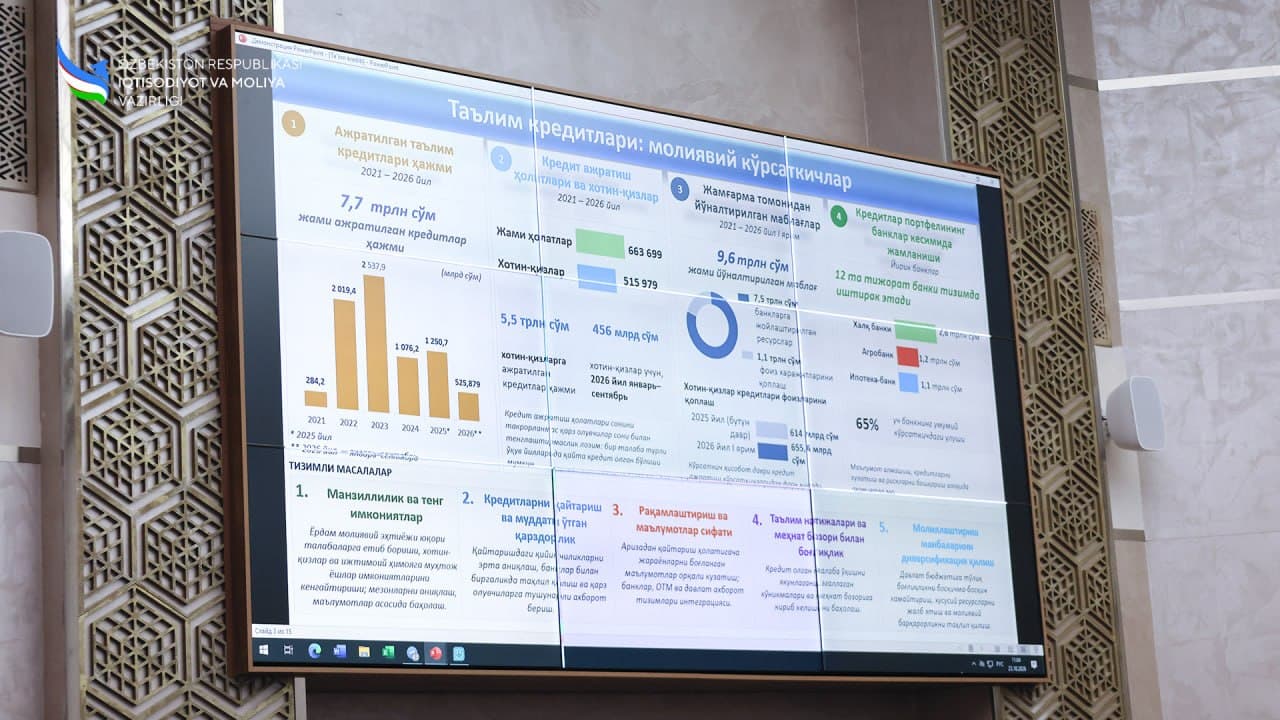
It was noted that between 2021 and the end of the third quarter of 2026, nearly UZS 7.7 trillion in student loans had been disbursed, with more than 663,000 loans issued. Of this amount, over UZS 5.8 trillion was allocated to support women's access to education, with more than 515,000 loans provided to female students.
A key focus of the meeting was the EduImkon Program, supported by USD 250 million in financing from the World Bank.
The program aims to expand equitable access to higher education financing, better align education financing mechanisms with labor market needs, and strengthen the long-term financial sustainability of the student loan system.
In this context, participants discussed measures to enhance targeted financial support for women, students from low-income families, and those pursuing studies in priority fields. Particular attention was given to digitalizing loan application, monitoring, and repayment processes, as well as exploring alternative repayment arrangements based on international experience, including income-contingent repayment mechanisms linked to graduates’ earnings.
The meeting also provided an overview of planned activities involving international experts, including the development of a financial and economic model for the student loan system, an assessment of the existing digital platform, and an analysis of the system’s alignment with labor market requirements.
Proposals to introduce student loans for studies at the world’s top 300 universities, as well as for short-term vocational training and language courses abroad, were also discussed.
Consideration was given to eligibility criteria, financing terms and limits, the quality of educational institutions, loan repayment arrangements, and graduates’ future employment prospects. It was emphasized that these mechanisms remain at the proposal development and consultation stage.
Participants also exchanged views on integrating social and environmental considerations into the student loan system, promoting inclusiveness, and improving grievance redress mechanisms.
At the conclusion of the meeting, it was agreed that the views and recommendations expressed by stakeholders would be taken into account in the development of future reforms.
The Ministry of Economy and Finance will continue working with the World Bank and other partner organisations to further improve the education financing system.
PR and Communications Department
Ministry of Economy and Finance