
Seminar on Advancing Industrial Development in the Regions and Taking the Activities of Industrial Headquarters to a New Level Concludes
2026-09-04 20:00:00 / News of ministry
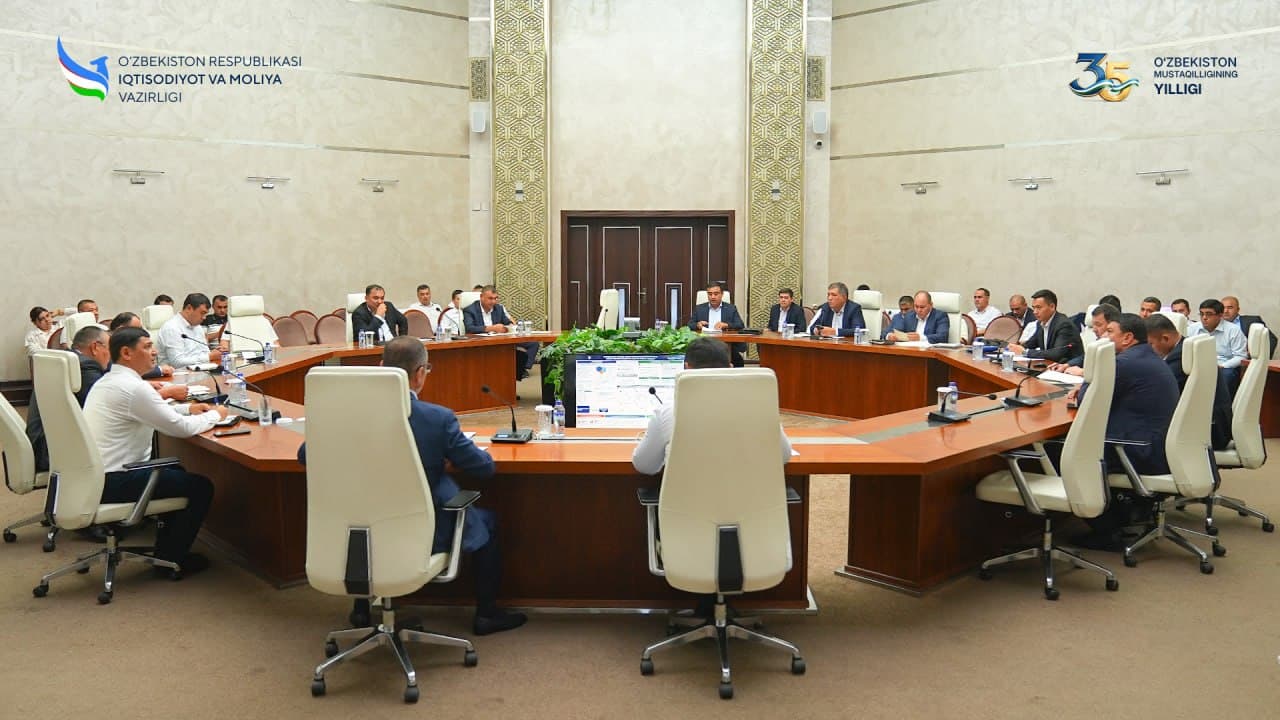
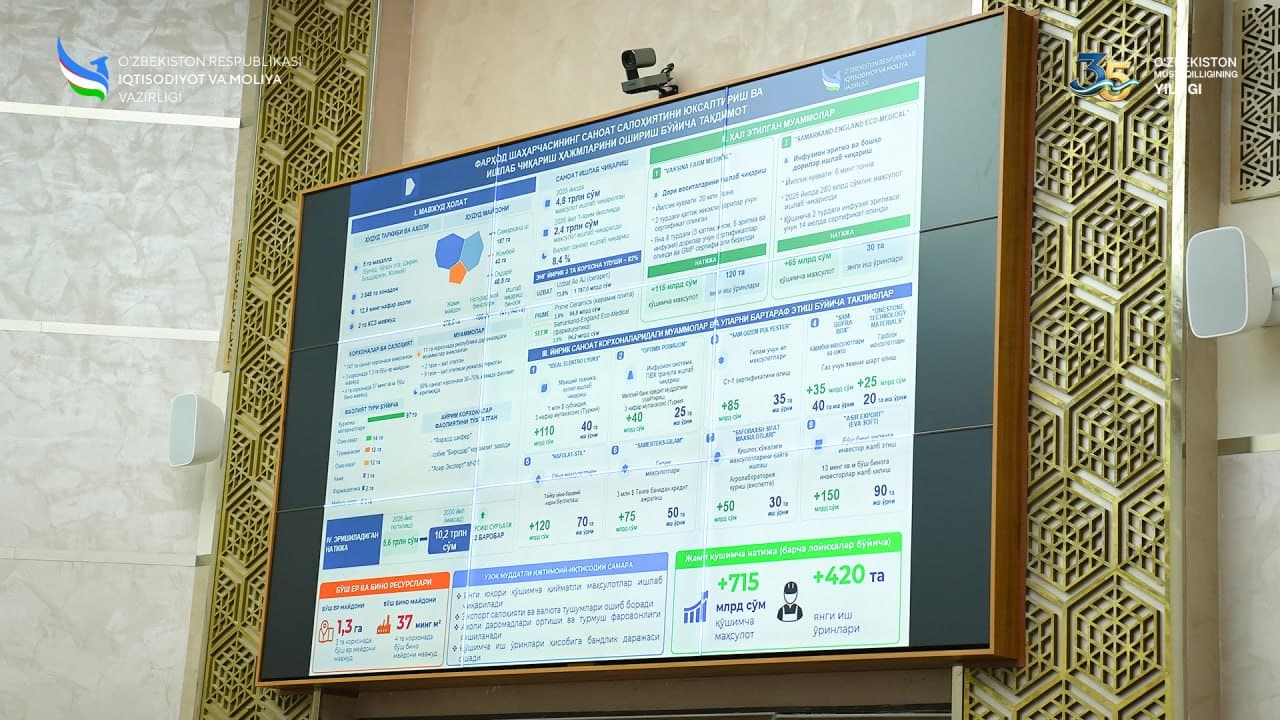
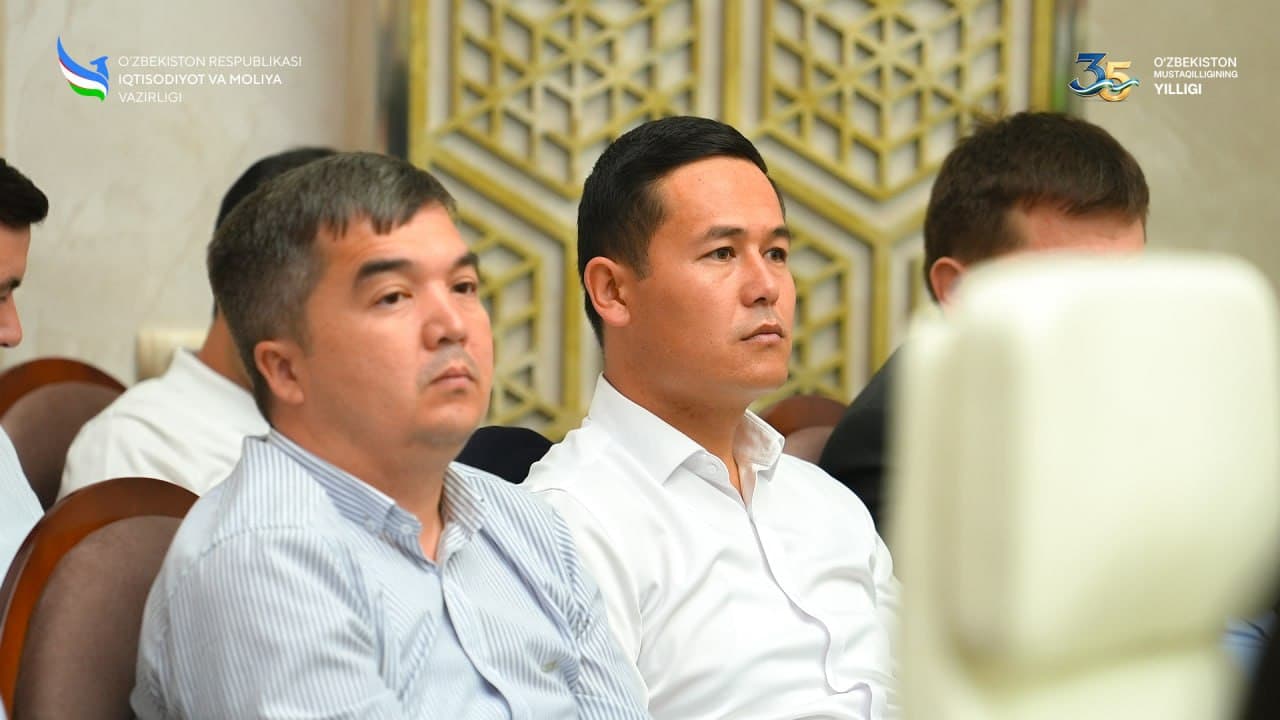
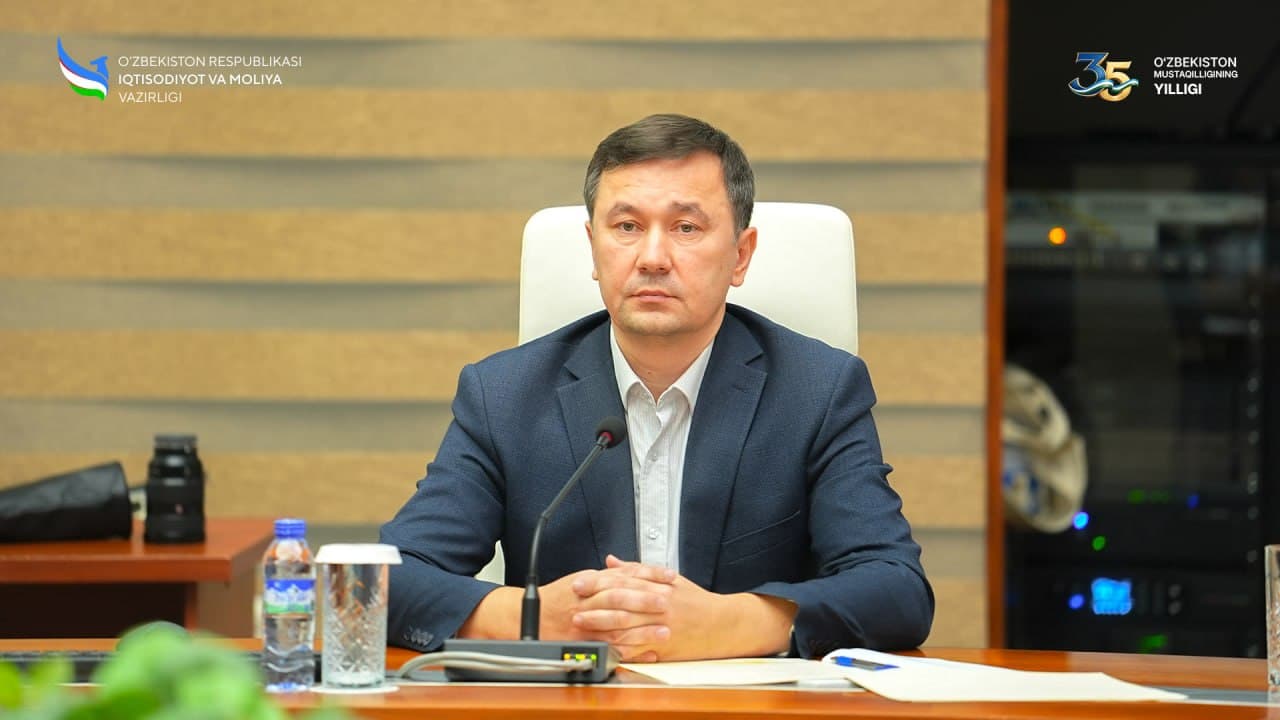
The seminar covered the following key areas:
- Developing three districts with high industrial potential and three driver sectors in each region;
- Prospects for the more efficient utilization of industrial zones;
- Challenges and solutions related to establishing laboratories at industrial enterprises, providing financial support for international certification processes, and attracting foreign specialists;
- Introducing spatial and territorial planning practices in Uzbekistan.
The specialization of the regions, industrial enterprises, infrastructure, raw material base, geographical location, and logistics capabilities were identified as key criteria.
In particular, using Samarkand Region as an example, the seminar examined opportunities to generate an additional UZS 200–250 billion in annual output, create more than 2,000 new jobs, and increase exports by USD 50 million through the development of areas with high industrial potential.
The specialization of the regions, industrial enterprises, infrastructure, raw material base, geographical location, and logistics capabilities were identified as key criteria.
In particular, using Samarkand Region as an example, opportunities were considered to generate an additional UZS 200–250 billion in annual output, create more than 2,000 new jobs, and increase exports by USD 50 million through the development of areas with high industrial potential.
The seminar also discussed the specialization of Termez, Jarkurgan, and Sherabad districts in Surkhandarya Region in the production of construction materials, with the aim of transforming the region into a southern hub for construction materials and exports.
At the same time, existing challenges and potential solutions related to the introduction of spatial and territorial planning practices in Uzbekistan were discussed. Particular attention was paid to the impact of spatial and territorial planning on industrial development and the placement of industrial zones.
Detailed information was also provided on leading international urban planning companies being engaged to develop spatial strategies and plans for the regions, with funding provided through the World Bank’s “Intermediate Cities” project.
As part of the sector’s development, plans include attracting USD 300–400 million in investment and expanding the production of basalt-based products, dry construction mixes, gypsum board, ceramics, and reinforced concrete products.
At the conclusion of the seminar, relevant tasks were set to fully unlock the industrial potential of the regions, develop driver sectors, and establish individualized approaches to addressing the challenges faced by enterprises experiencing difficulties.
PR and Communications Department
Ministry of Economy and Finance