
A Seminar on the Importance of Digitalization in Waste Management Held
2025-10-16 08:20:00 / News
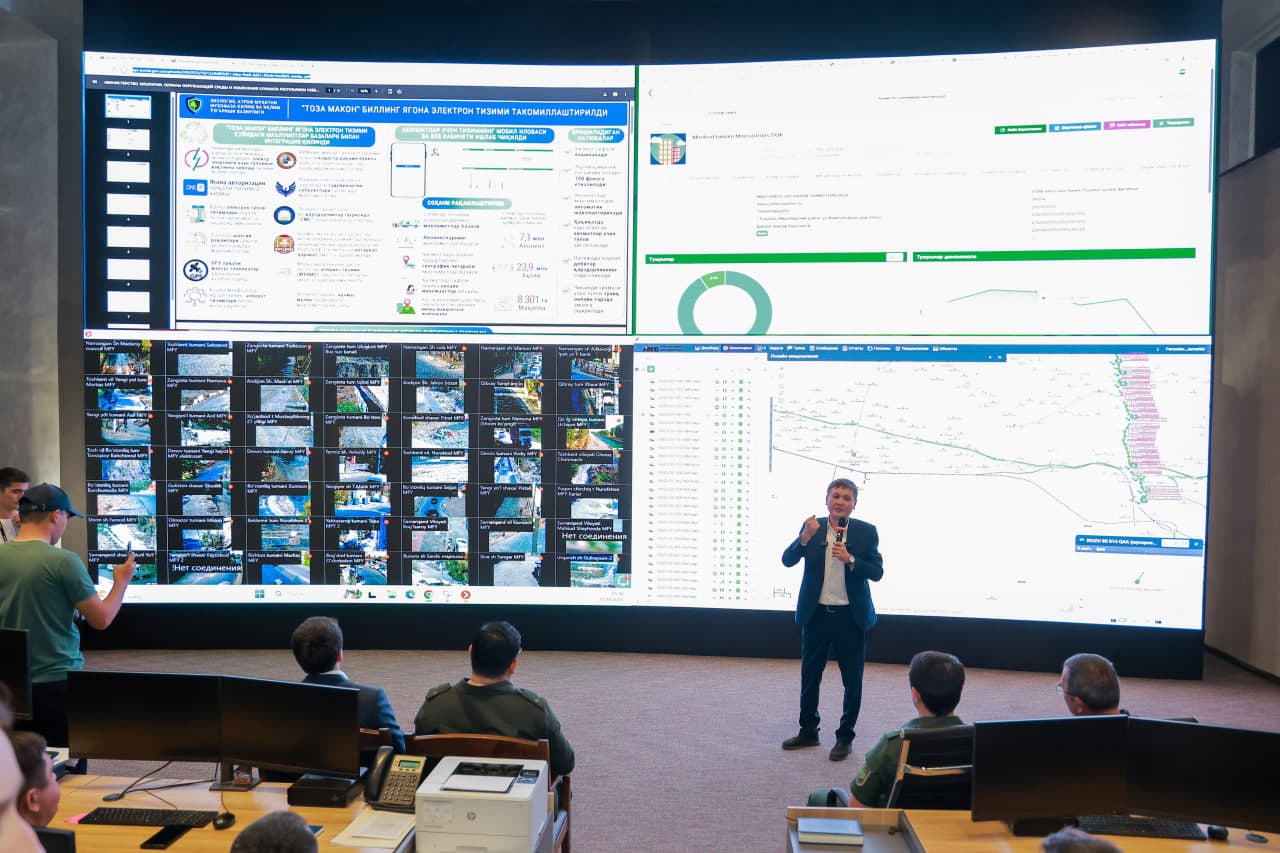


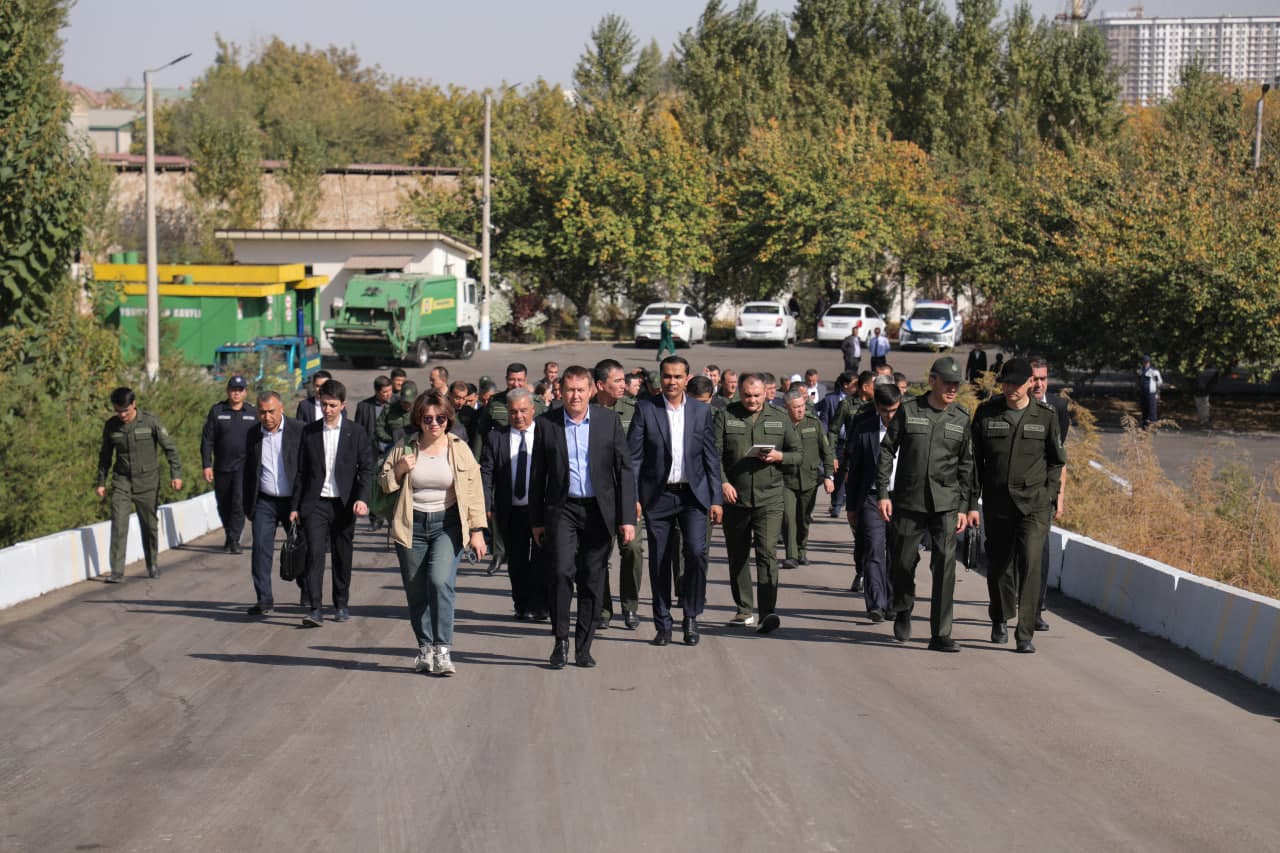


A training and practical seminar on the topic “Digitalization in the Field of Waste Management and Improving the Quality of Public Services” was held in Tashkent. The event was organized by the General Prosecutor’s Office of the Republic of Uzbekistan in cooperation with the Ministry of Ecology, Environmental Protection and Climate Change, the Waste Management and Circular Economy Development Agency, and the Youth Affairs Agency.
The seminar was attended by deputy prosecutors of the Republic of Karakalpakstan and the regions, heads of departments, representatives of local authorities (hokimiyats) and regional waste management departments, as well as representatives of sanitation enterprises and eco-activists.
As part of the seminar, participants also visited the Ministry of Ecology, Environmental Protection and Climate Change, where they became acquainted with the work being carried out by the Waste Management and Circular Economy Development Agency to digitalize billing and GPS systems using modern information technologies.
Minister of Ecology Aziz Abdukhakimov emphasized that the creation of a unified billing system made it possible to reduce multi-stage bureaucratic procedures, improve service quality, and increase the efficiency of the control system.
Director of the Waste Management and Circular Economy Development Agency Sharifbek Khasanov gave a detailed presentation on the capabilities of the unified electronic billing system “Toza makon” and spoke about the ongoing integration processes.
In particular, participants were informed about the advantages of the system, which includes data on sanitation enterprises, their service areas and geographic boundaries, subscriber information, locations of container sites, as well as the ability to submit online service quality complaints.
Participants noted that the “Toza makon” billing system contributes to improving the quality and efficiency of services, creating convenience for the population, and ensuring transparency in all processes.
The system is integrated with the information systems of various relevant government agencies, including:
-
the electricity metering system;
-
the address information system of the Ministry of Internal Affairs;
-
the unified identification system (OneID);
-
the tax system;
-
the real estate registry;
-
electronic payment systems (Payme, Click, Paynet, Upay, and others);
-
the SMS notification system;
-
the notary system;
-
the Central Bank’s “MUNIS” system;
-
the GPS monitoring system;
-
and passport data.
For reference:
Currently, through this system, 7.1 million subscribers, 23.9 million residents, 8,301 mahallas (neighborhoods), and 715,000 legal entities are connected to sanitation services across the republic.
On the same day, participants of the practical seminar also visited a waste transfer station and a modern solid waste landfill site.