
How Long Does Waste Take to Decompose, and What Can Be Made from It?
2026-11-25 15:05:00 / News

While some types of waste decompose within just a few weeks, others can remain in the environment for hundreds or even thousands of years.
Below, you can learn about the decomposition periods of different types of waste and the possibilities for recycling them.
Medical Waste
Decomposition period: Some types of medical waste can remain in the environment for up to 100 years. The period depends on the type and composition of the waste.
Recycling outcomes: Through appropriate disinfection and specialized recycling technologies, raw materials can be recovered and used to manufacture medical waste storage containers, polymer packaging, and other products.
Electronic Waste
Decomposition period: Up to 200 years or more, depending on the materials used in electronic devices.
Recycling outcomes: Valuable resources such as non-ferrous metals, precious metals, electronic components, and raw materials for various technologies can be recovered.
Glass Waste
Decomposition period: Glass can remain in the natural environment for up to 1 million years.
Recycling outcomes: Recycled glass is used to manufacture new glass containers, bottles, and other glass products.
Rubber Waste
Decomposition period: 50–80 years.
Recycling outcomes: Rubber waste can be processed into rubber granules, artificial surfaces for sports grounds, and other rubber products.
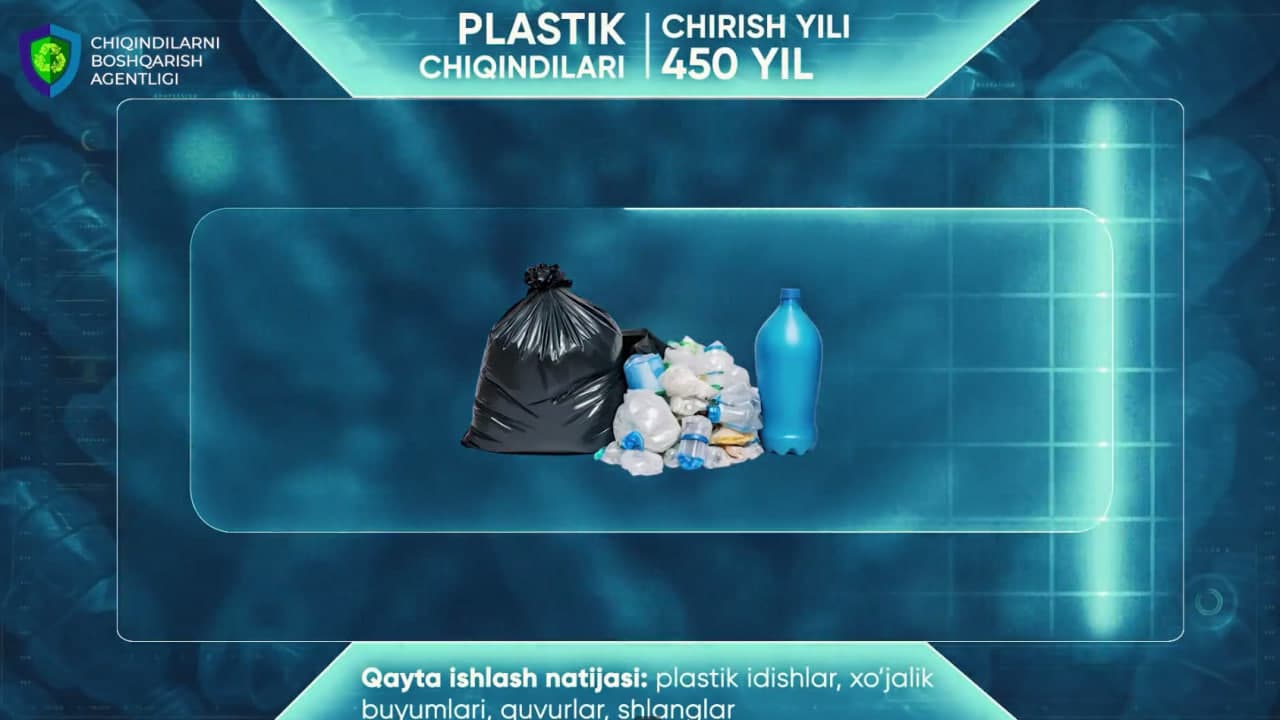
Plastic Waste
Decomposition period: Some plastic products can remain in the natural environment for up to 450 years.
Recycling outcomes: Recycled plastic can be used to manufacture plastic containers, household goods, pipes, hoses, and other polymer products.
Food Waste
Decomposition period: 2–5 weeks.
Recycling outcomes: Food waste can be converted into compost and organic fertilizer, which can be used to improve soil fertility.
Paper and Cardboard Waste
Decomposition period: 1–2 months.
Recycling outcomes: Recycled paper and cardboard can be used to produce toilet paper, egg cartons, cardboard boxes, and other paper products.
Textile Waste
Decomposition period: Some synthetic fabrics can remain in the environment for up to 200 years. Natural-fiber fabrics decompose relatively faster.
Recycling outcomes: Textile waste can be processed into regenerated fibers, filling materials, insulation products, and raw materials used in the production of liquid wallpaper.
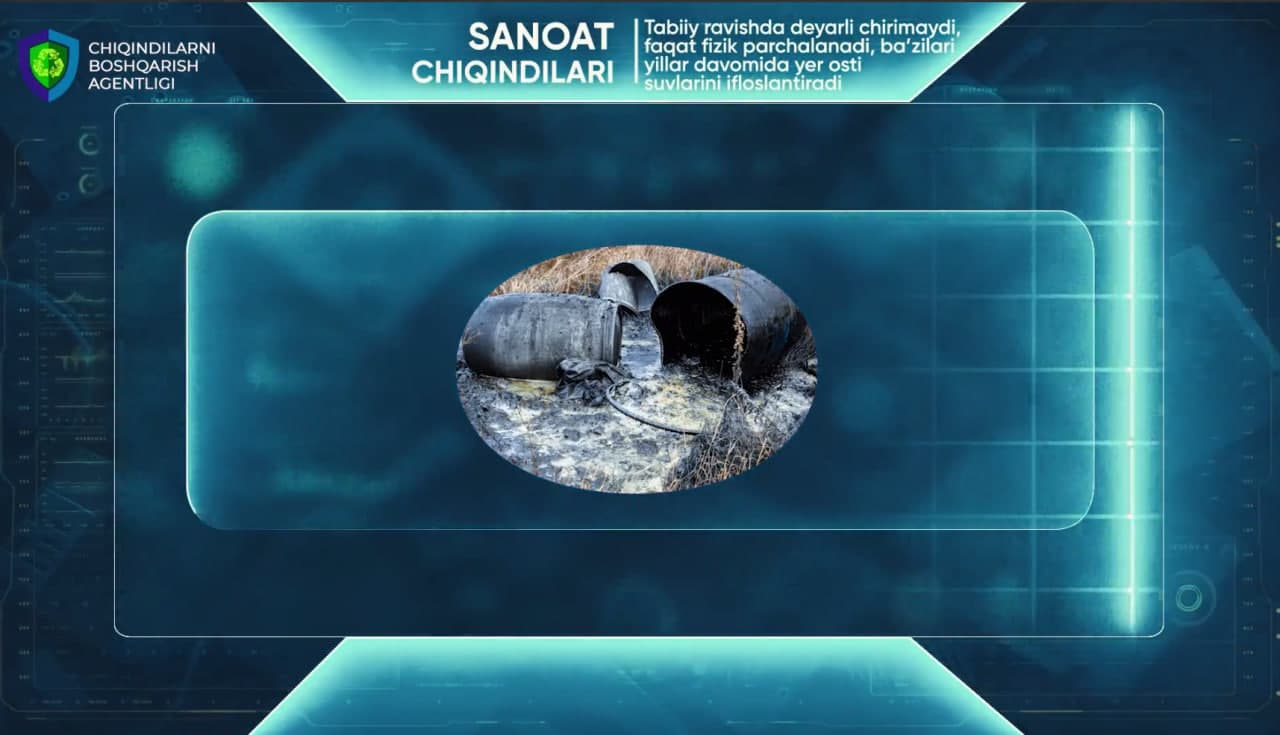
Industrial Waste
Decomposition period: This varies depending on its composition. Some types of industrial waste hardly decompose under natural conditions and may only break down into smaller physical particles.
Recycling outcomes: Depending on its composition, industrial waste can be converted into secondary raw materials, construction materials, and various industrial products.
Construction Waste
Decomposition period: Some construction materials can remain in the environment for 50–100 years or even longer.
Recycling outcomes: Recycled construction waste can be used to produce slag blocks, secondary gravel, concrete aggregates, and other construction materials.
Metal Waste
Decomposition period: 50–500 years, depending on the type of metal.
Recycling outcomes: Recycled metals can be used to manufacture steel and iron products, reinforcement bars, pipes, packaging materials, automotive and machinery components, aluminium containers, and various household and construction goods.
Disposable Diaper Waste
Decomposition period: Up to 500–800 years.
Recycling outcomes: Using specialized technologies, cellulose, plastic granules, and, in some cases, organic components can be recovered. These materials can subsequently be used in the production of paper, cardboard, and plastic products.
Toxic and Chemical Waste
Decomposition period: Varies depending on the chemical composition.
Treatment and recycling: Such waste cannot be recycled in the same way as ordinary household waste. It must be managed and treated using specialized technologies to ensure environmental safety.
Used Industrial Oils
Decomposition period: Used industrial oils decompose very slowly under natural conditions and can pollute soil and water for many years.
Recycling outcomes: Used industrial oils are collected and undergo filtration and purification processes. After the addition of necessary additives, the recovered oil can be reused for technical purposes.