
Waste Management System: Practices and New Opportunities
2026-11-23 18:20:00 / News
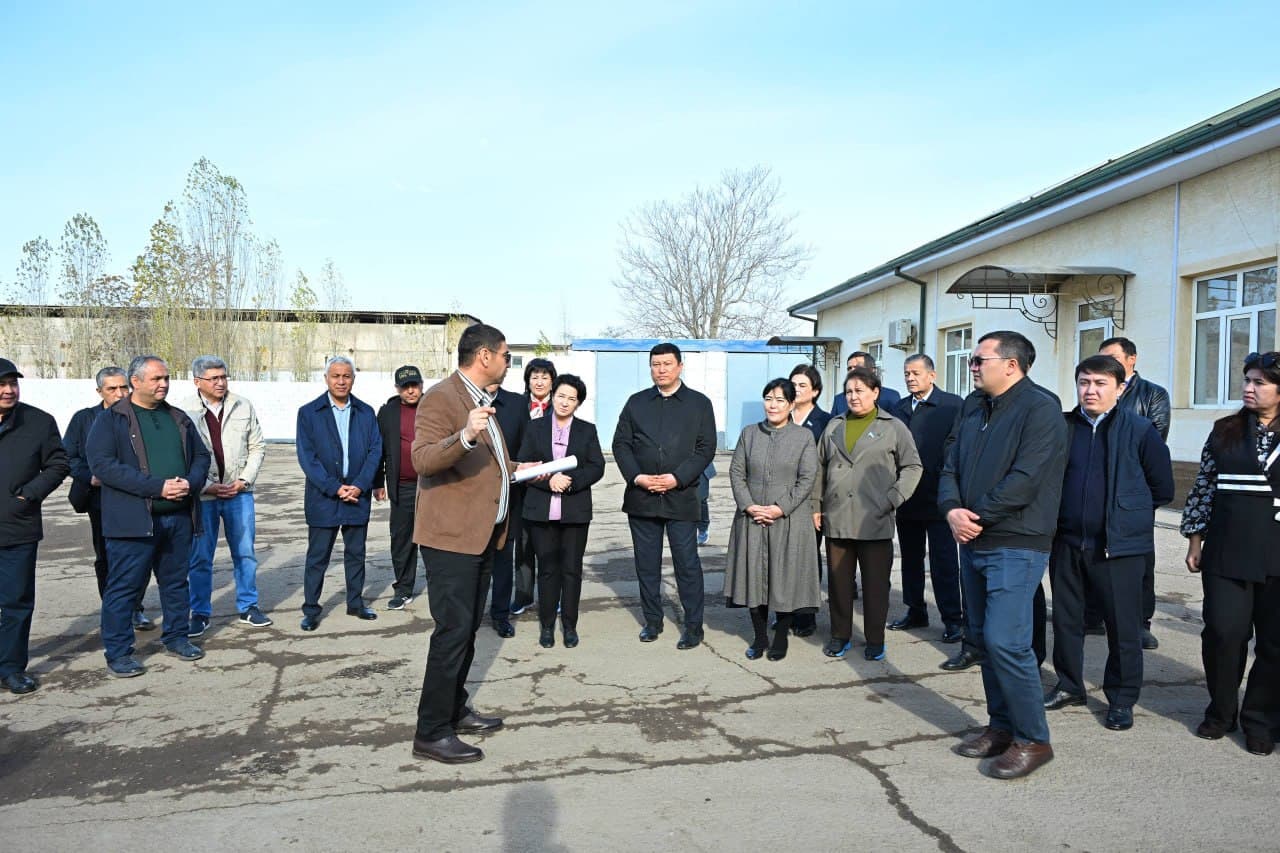
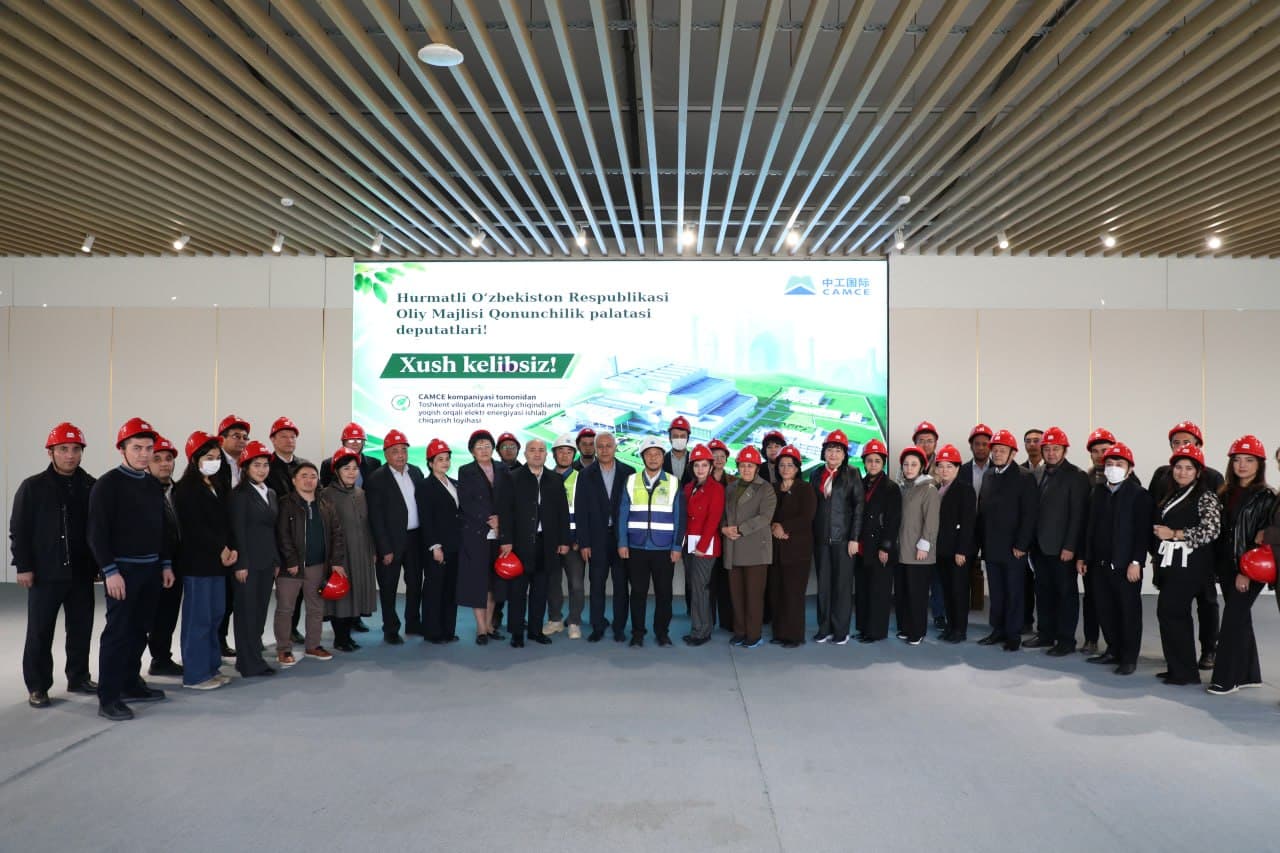
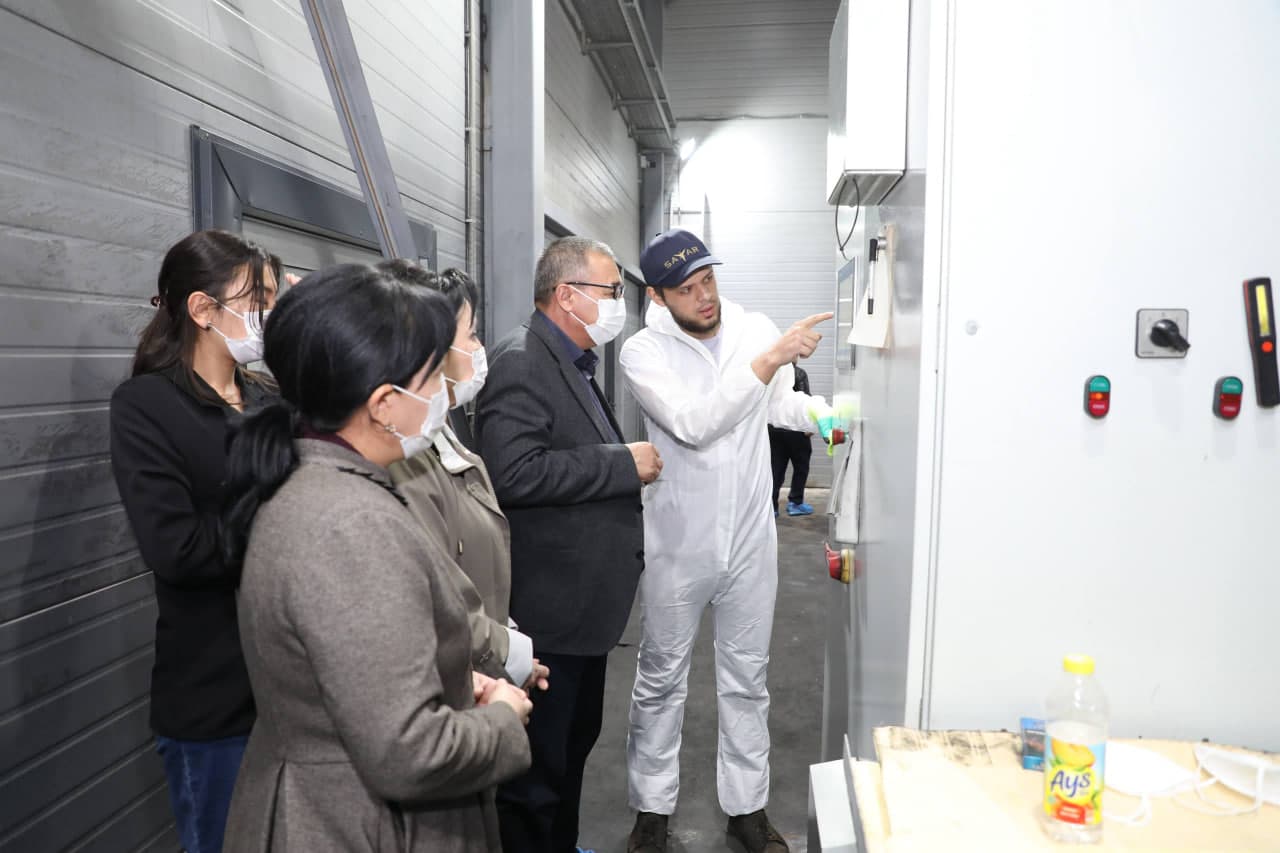
During the visits, the deputies first visited the Olmaliq branch of the private enterprise “Angren Bunyod Fayz”, where they familiarized themselves with the activities related to the collection, transportation, sorting and recycling of household waste. The enterprise employs 179 people and provides sanitation services to 316,000 individuals and legal entities in the cities of Olmaliq and Nurafshon, as well as the districts of Ohangaron and O‘rta Chirchiq.
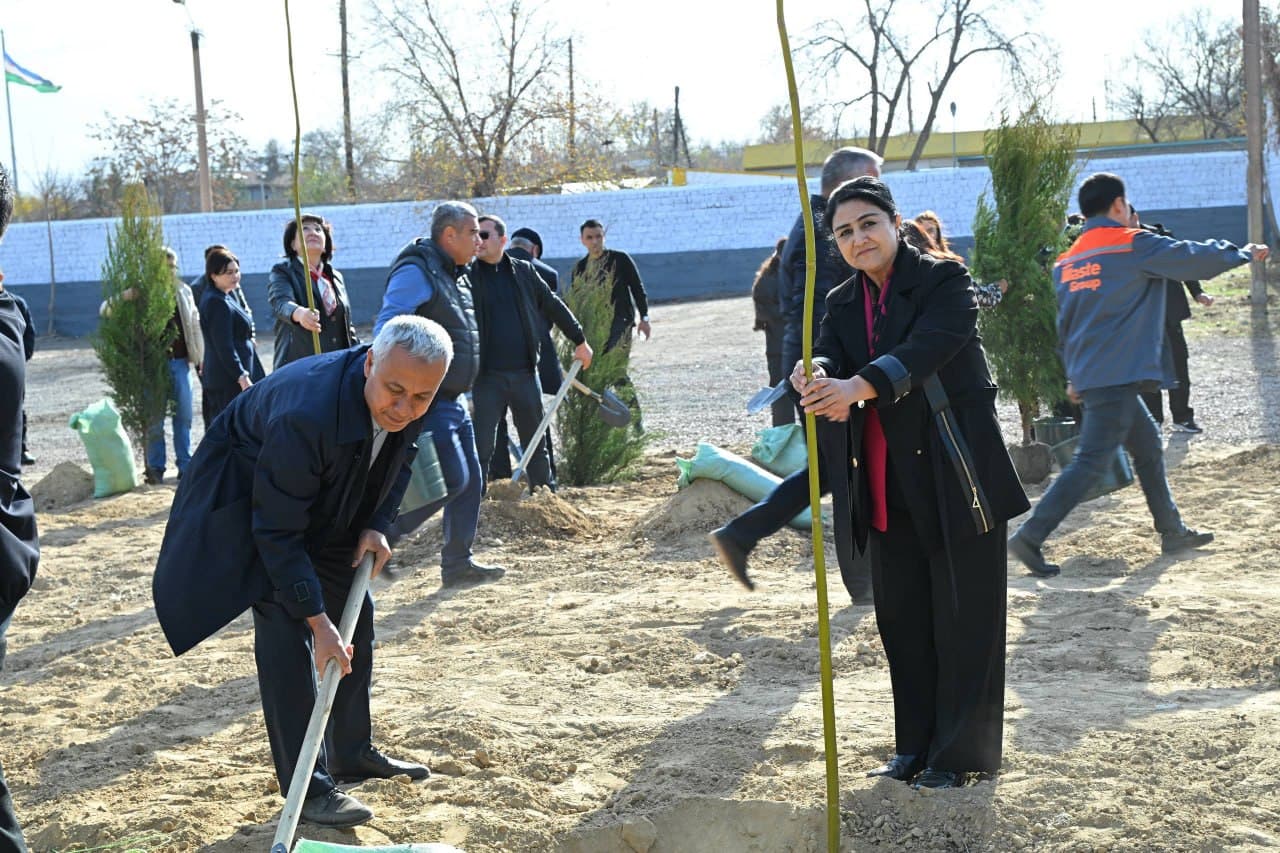
Alongside their inspections, the deputies actively participated in landscaping and greening activities, contributing to the implementation of the nationwide “Yashil Makon” (Green Space) initiative launched by the President. In particular, they planted tree saplings on an unused plot of land belonging to the enterprise.
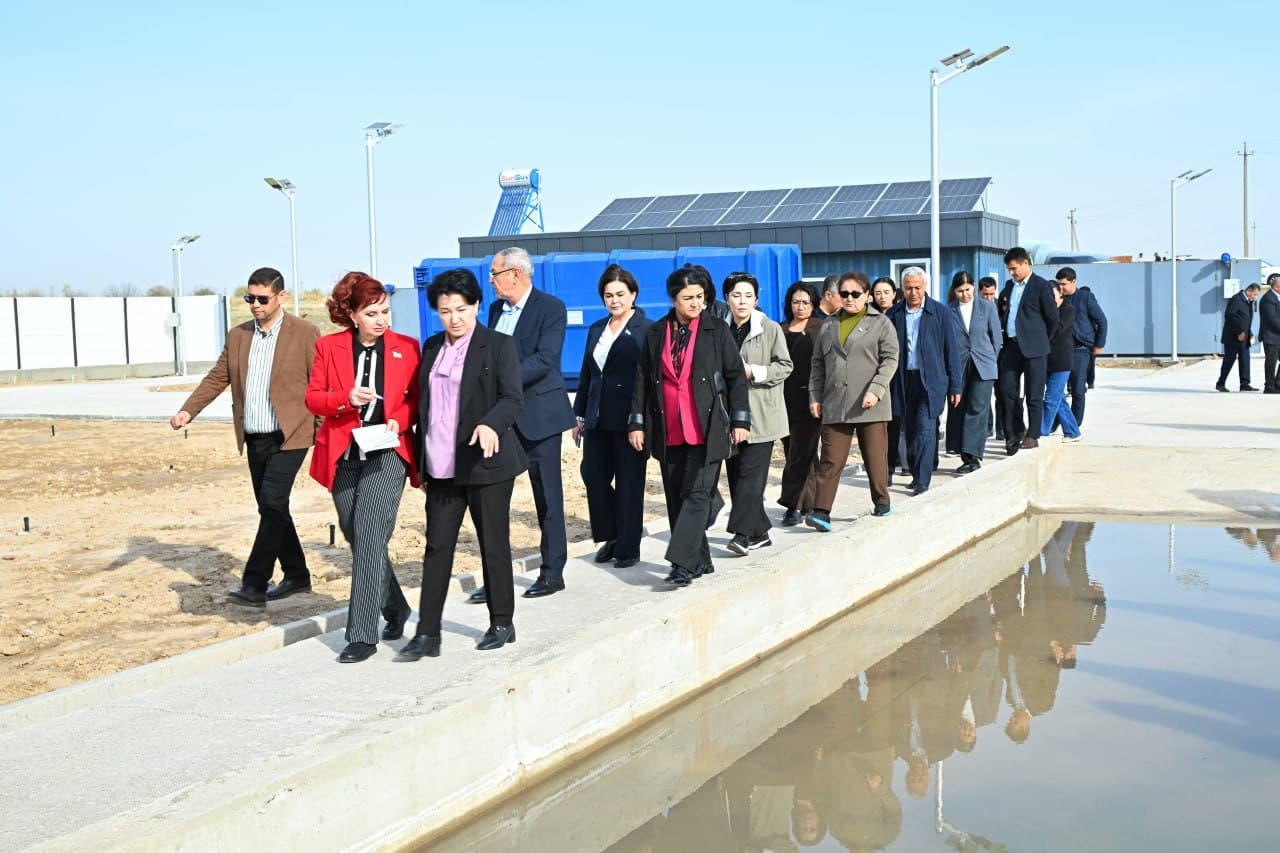
Following this, members of the working group inspected major projects aimed at expanding the region's waste management infrastructure. In particular, they reviewed the construction of a waste transfer station in the “Boyovul” mahalla of O‘rta Chirchiq district, Tashkent Region. It was noted that the facility is planned to receive a total of 1,323 cubic metres of solid household waste per day, transported from various areas by 63 specialized vehicles. Discussions focused on the current state of waste collection, transportation and processing, infrastructure capacities, as well as outstanding challenges requiring solutions within the system.
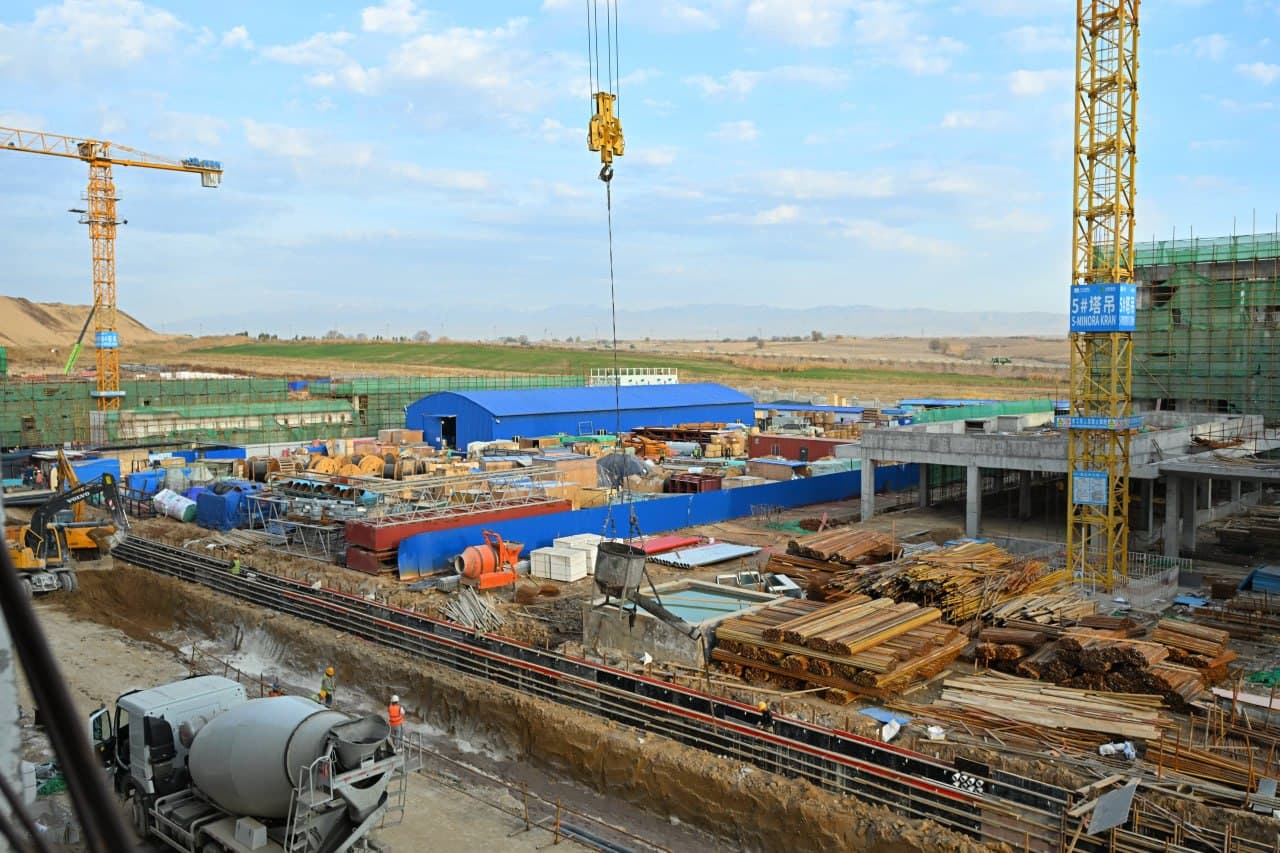
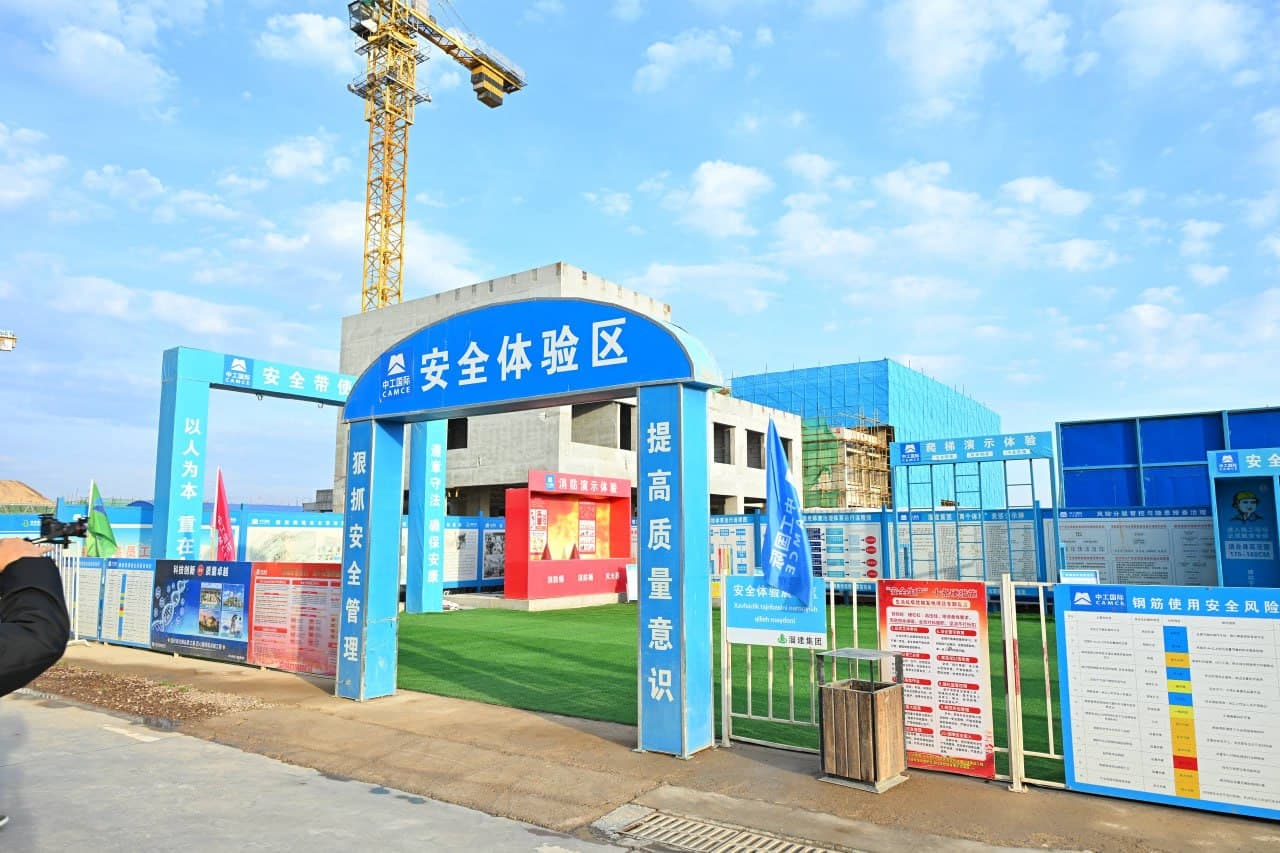
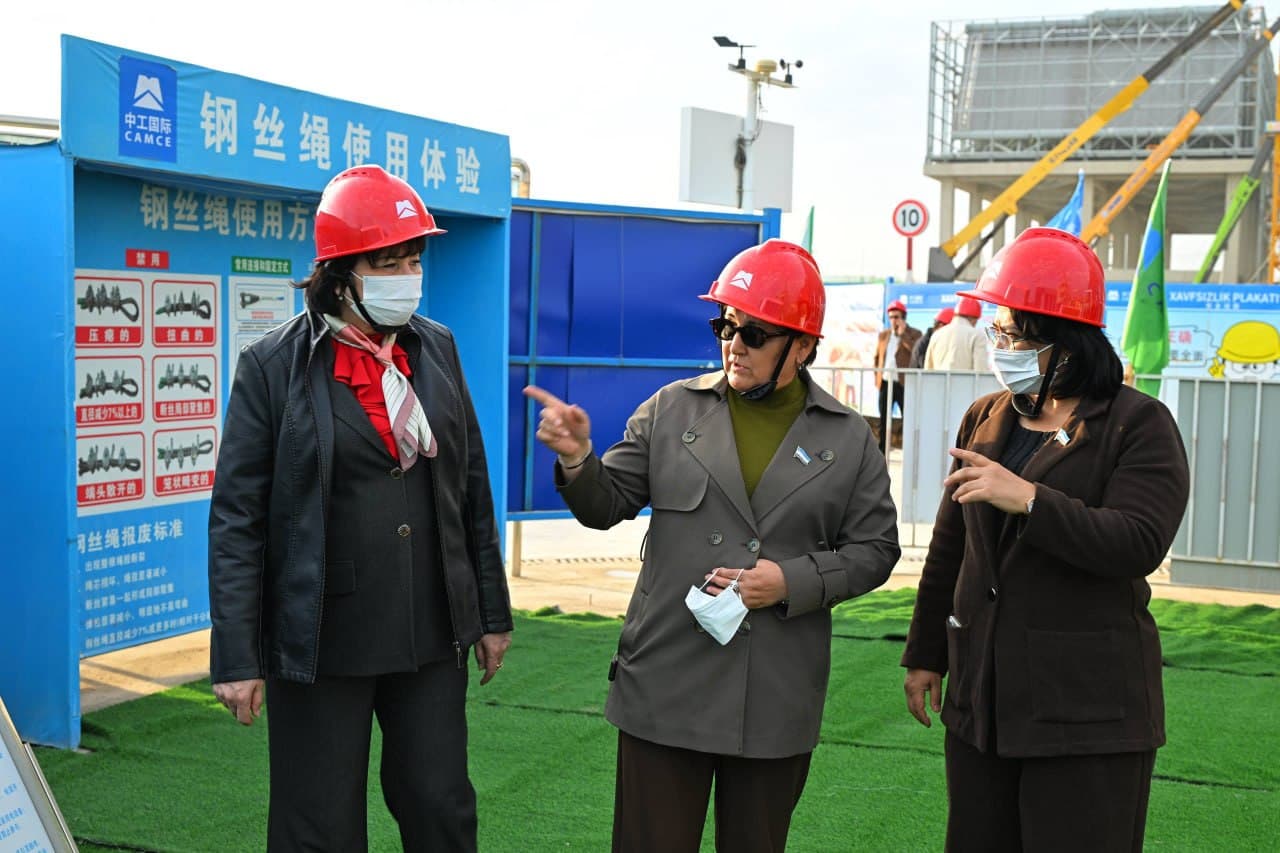
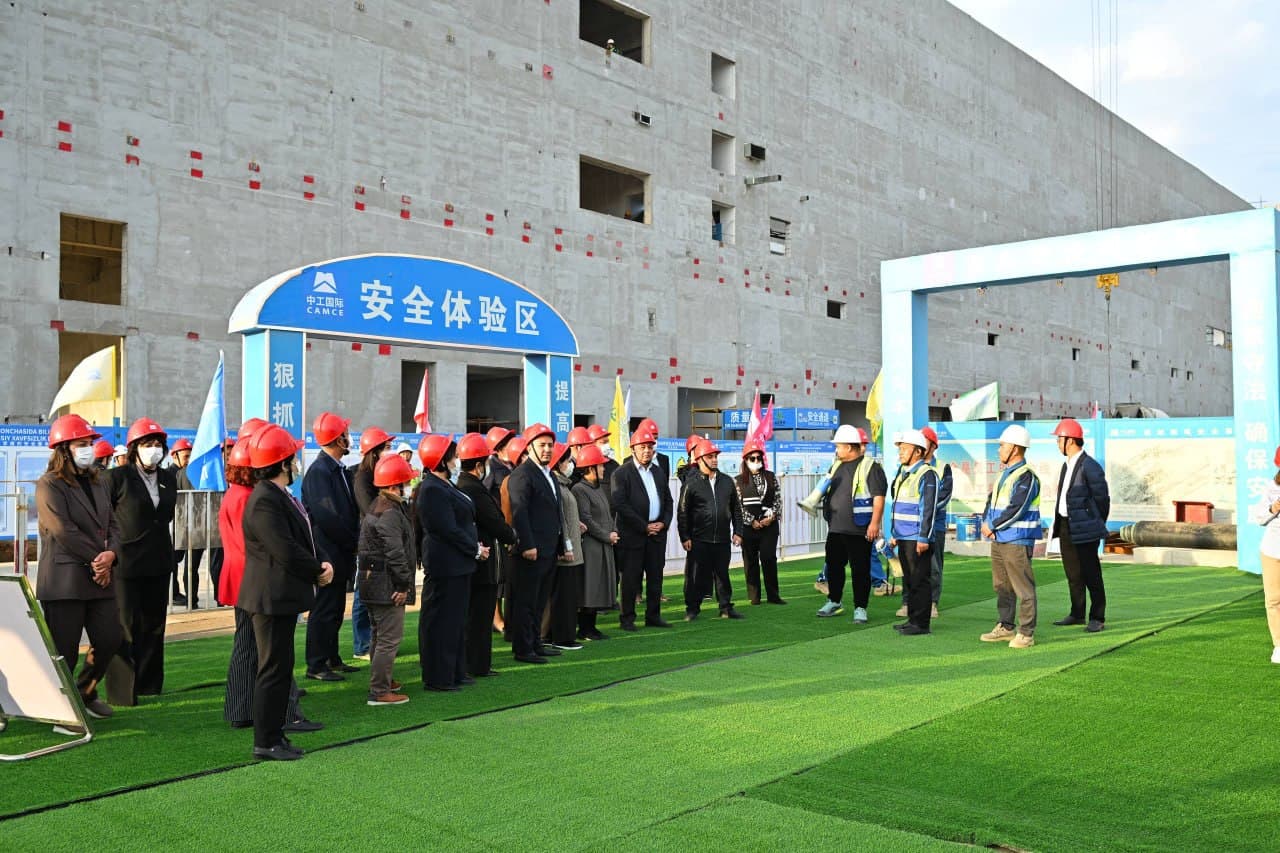
The deputies also highlighted the opportunities for achieving economic benefits through waste recycling. In particular, they were briefed on a major investment project being implemented in cooperation with “China CAMC Engineering Co., Ltd” in Ohangaron district. With a total investment value of USD 240 million, the plant will have the capacity to thermally process 2,500 tonnes of solid household waste per day and generate 390 million kilowatt-hours of electricity annually.
These inspections are significant as they will provide an important practical basis for further improving the draft Law “On Waste”.
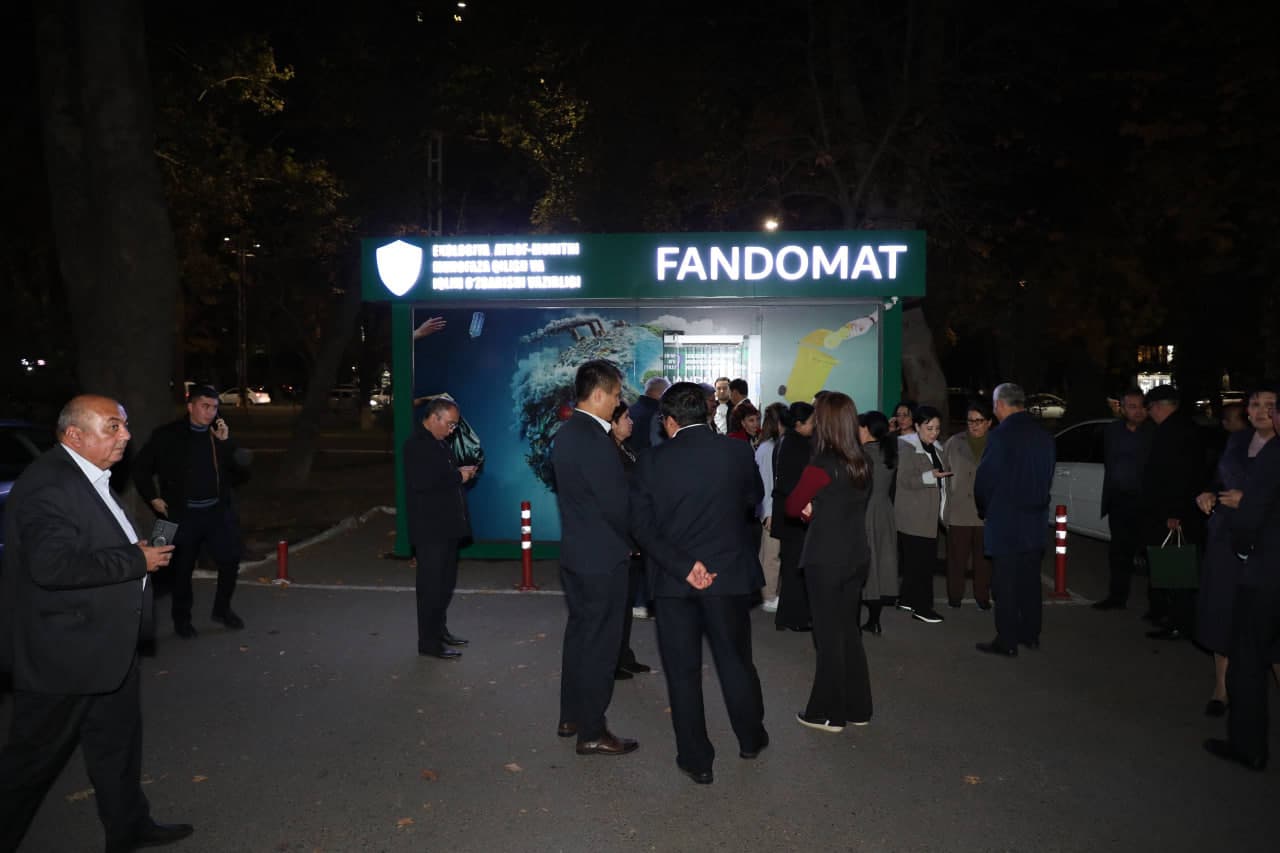
The members of parliament also familiarized themselves with a project for the thermal treatment of medical waste in Tashkent city, as well as the operation of reverse vending machines designed to collect plastic, glass and aluminium beverage containers. Through these machines, residents can return sorted containers and receive an incentive of UZS 150 for each item. This was noted as one of the practical mechanisms for fostering waste sorting habits at source and encouraging public participation in recycling.