
Green University opens department named after Academician Vladimir Kvint
2026-11-04 17:05:00 / News
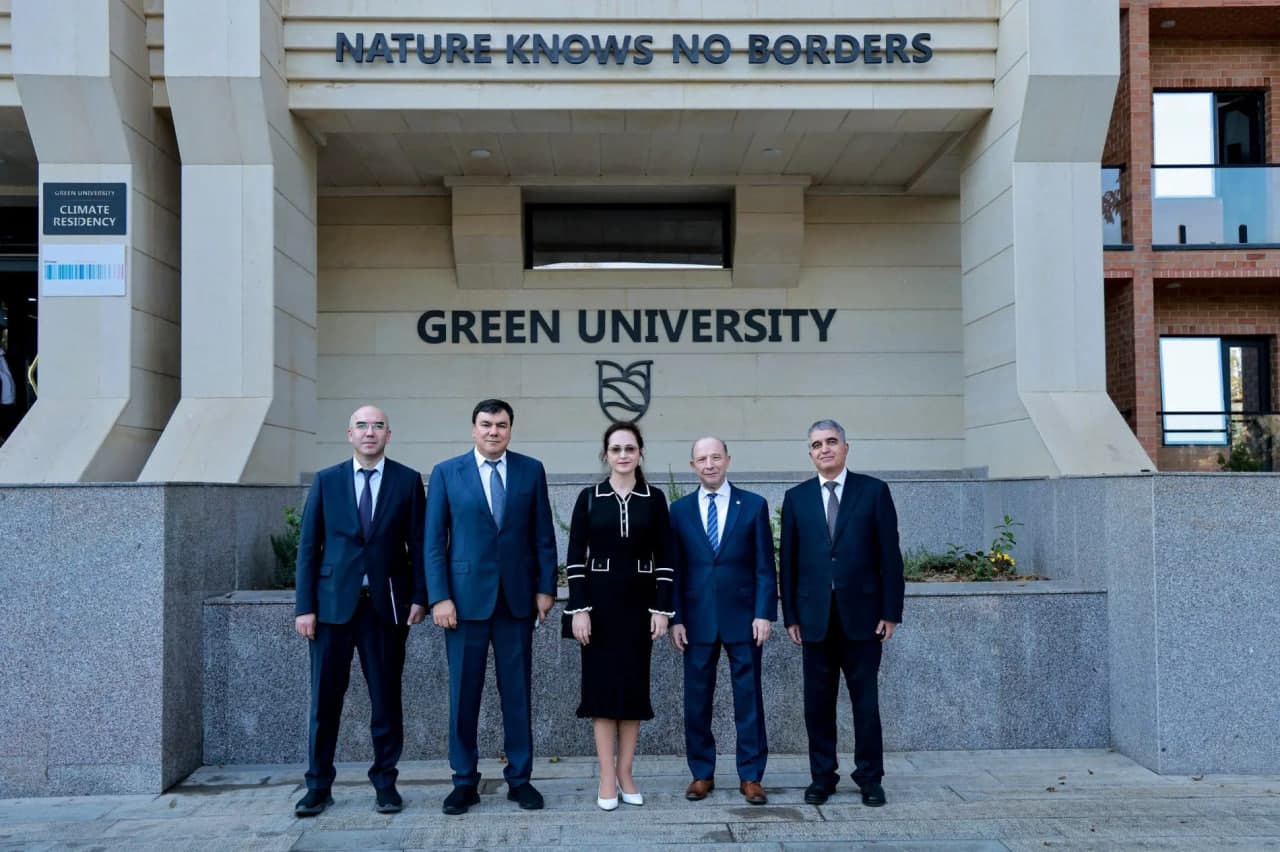
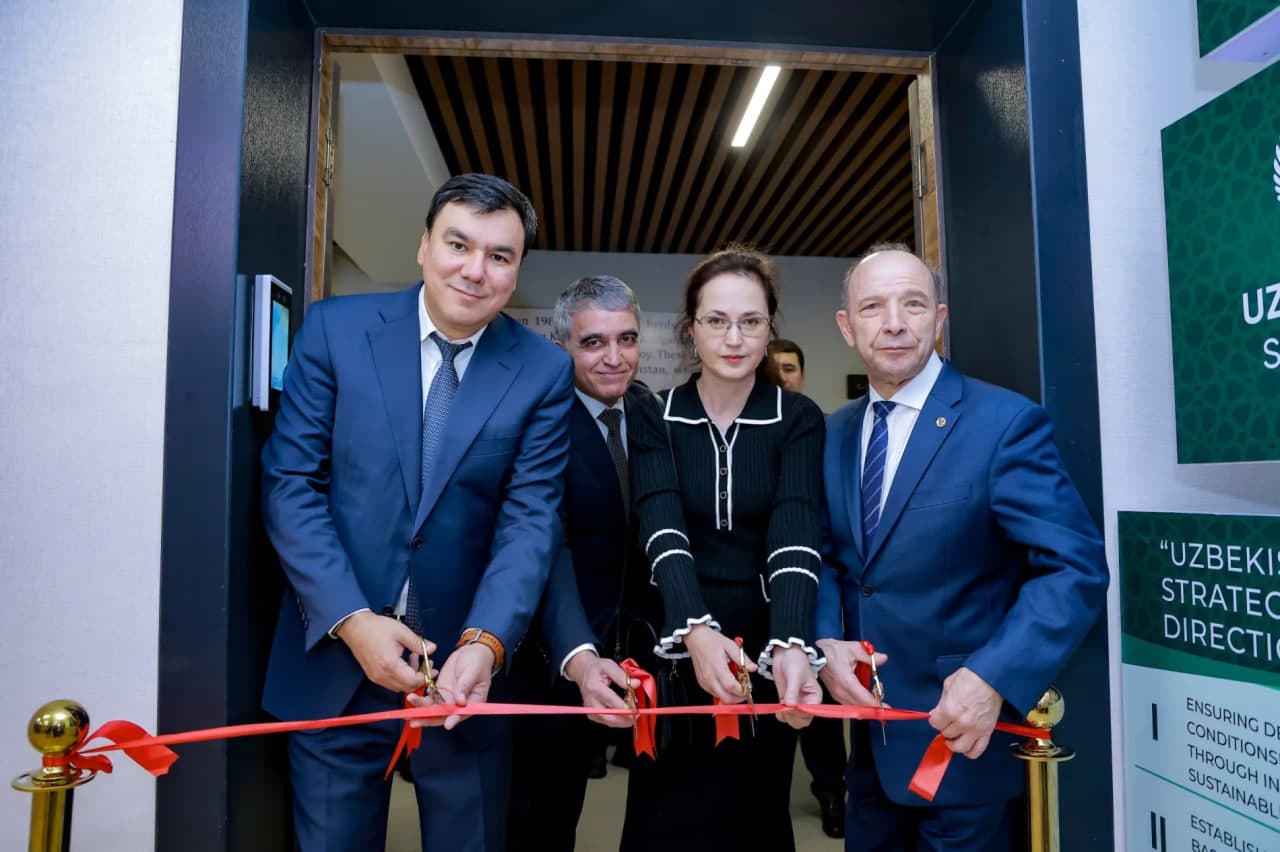
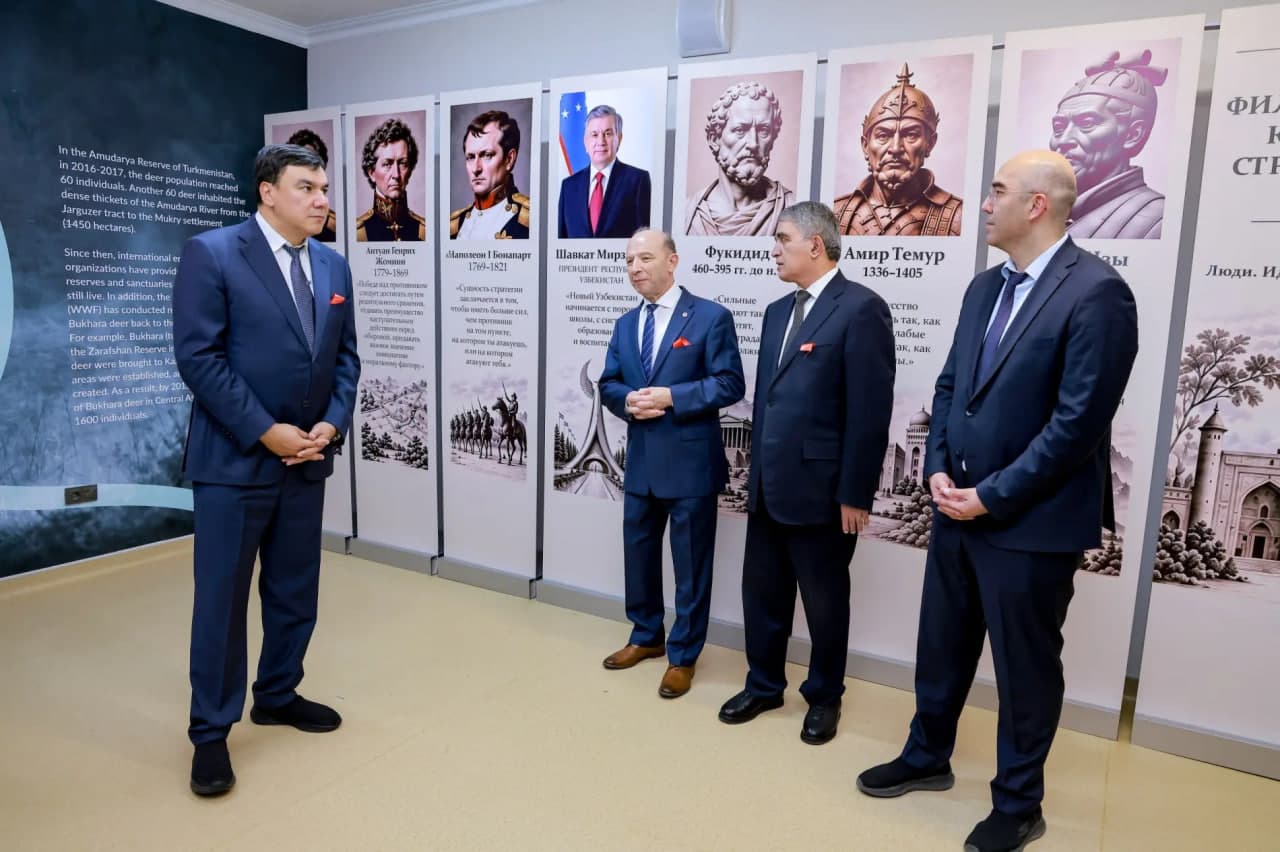
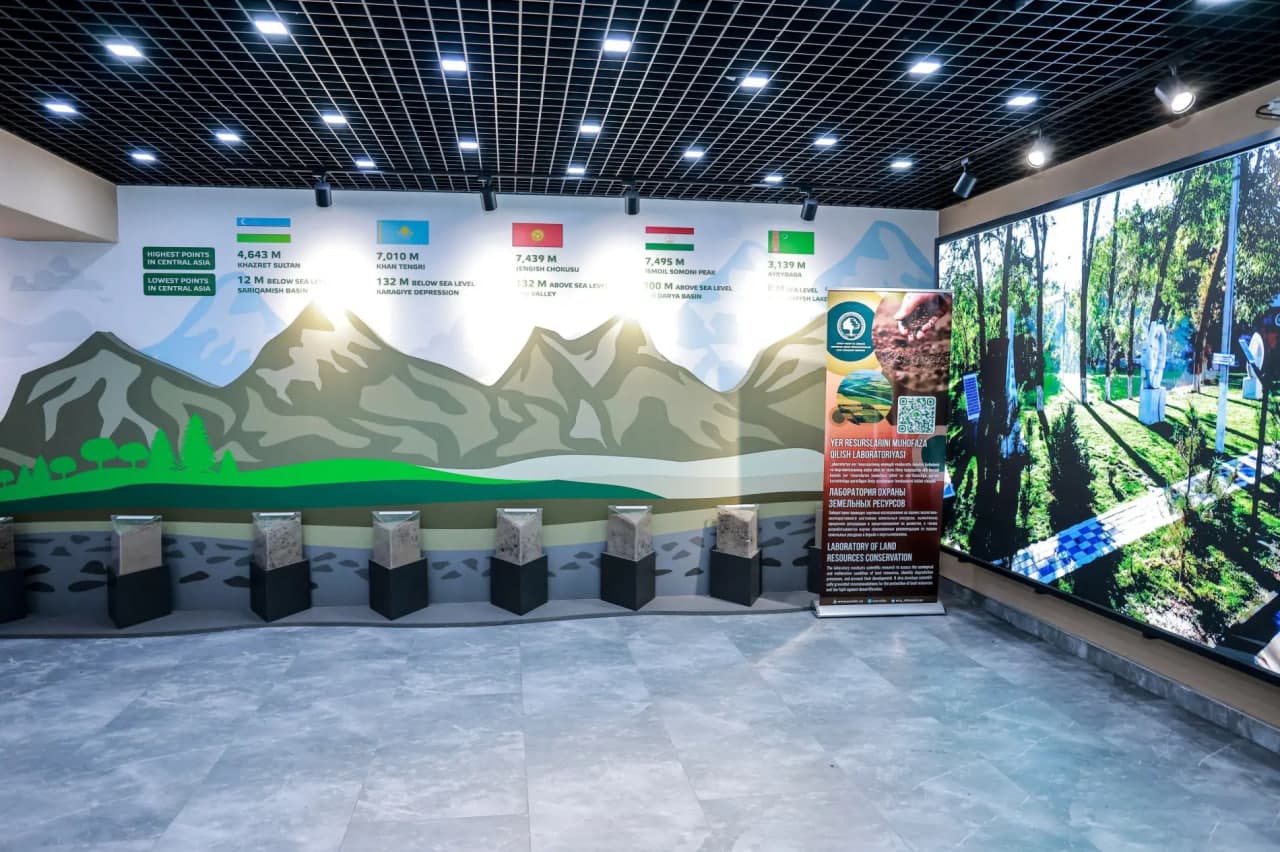
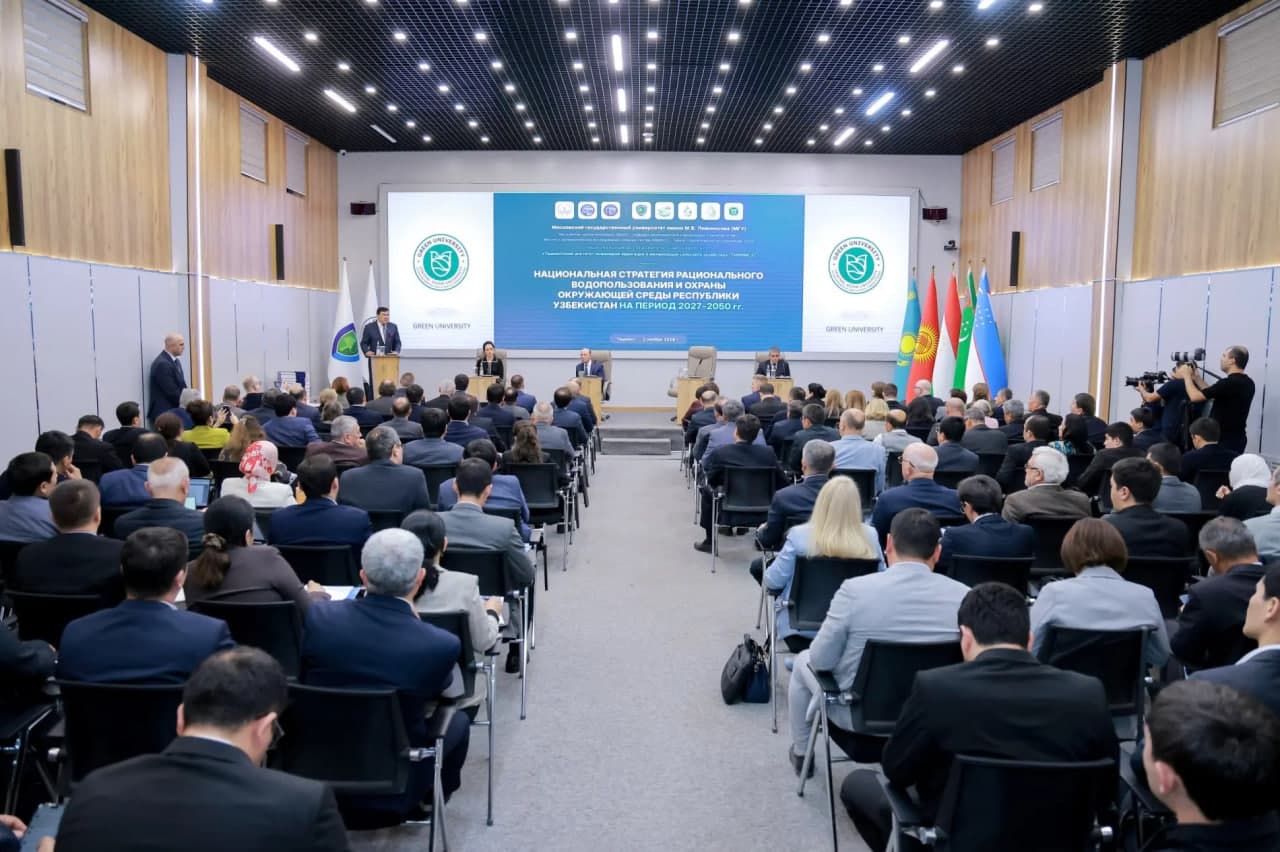
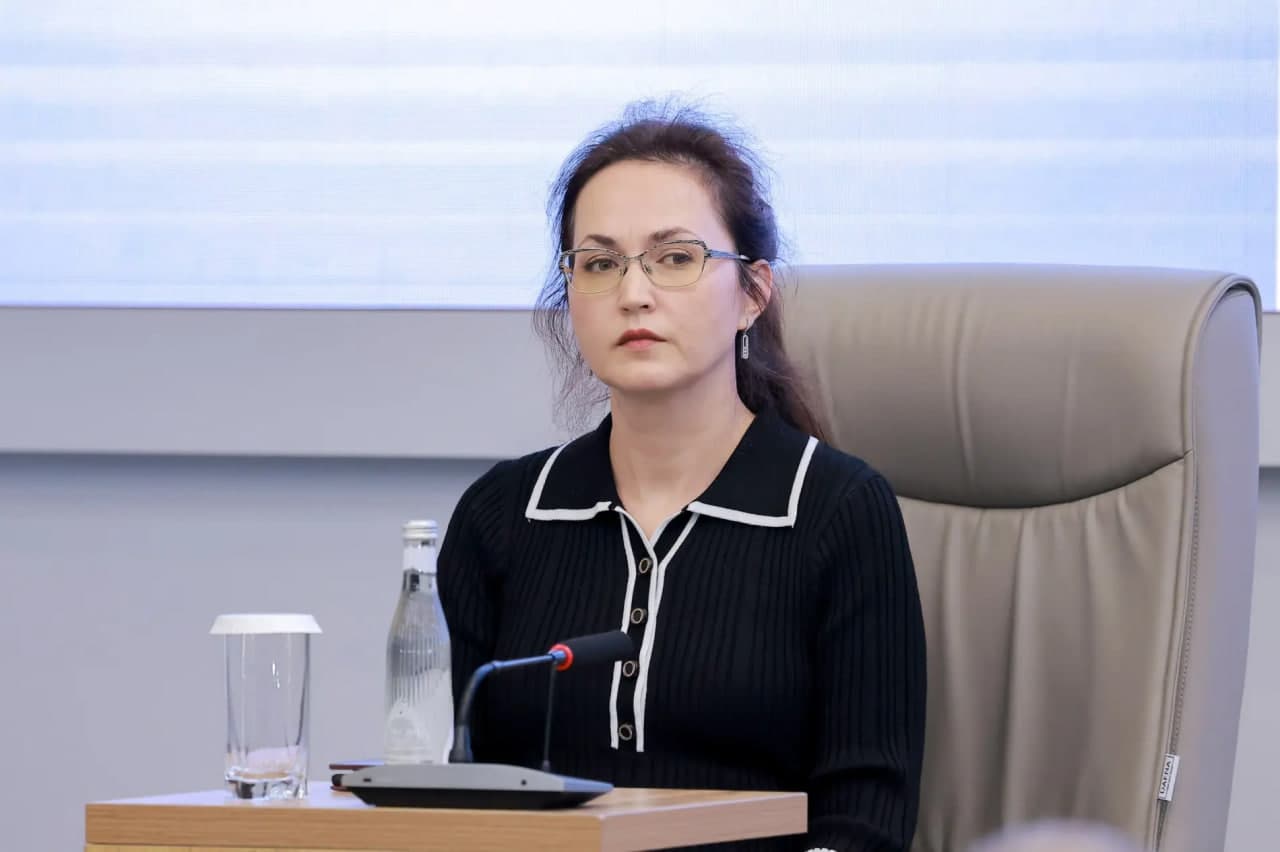
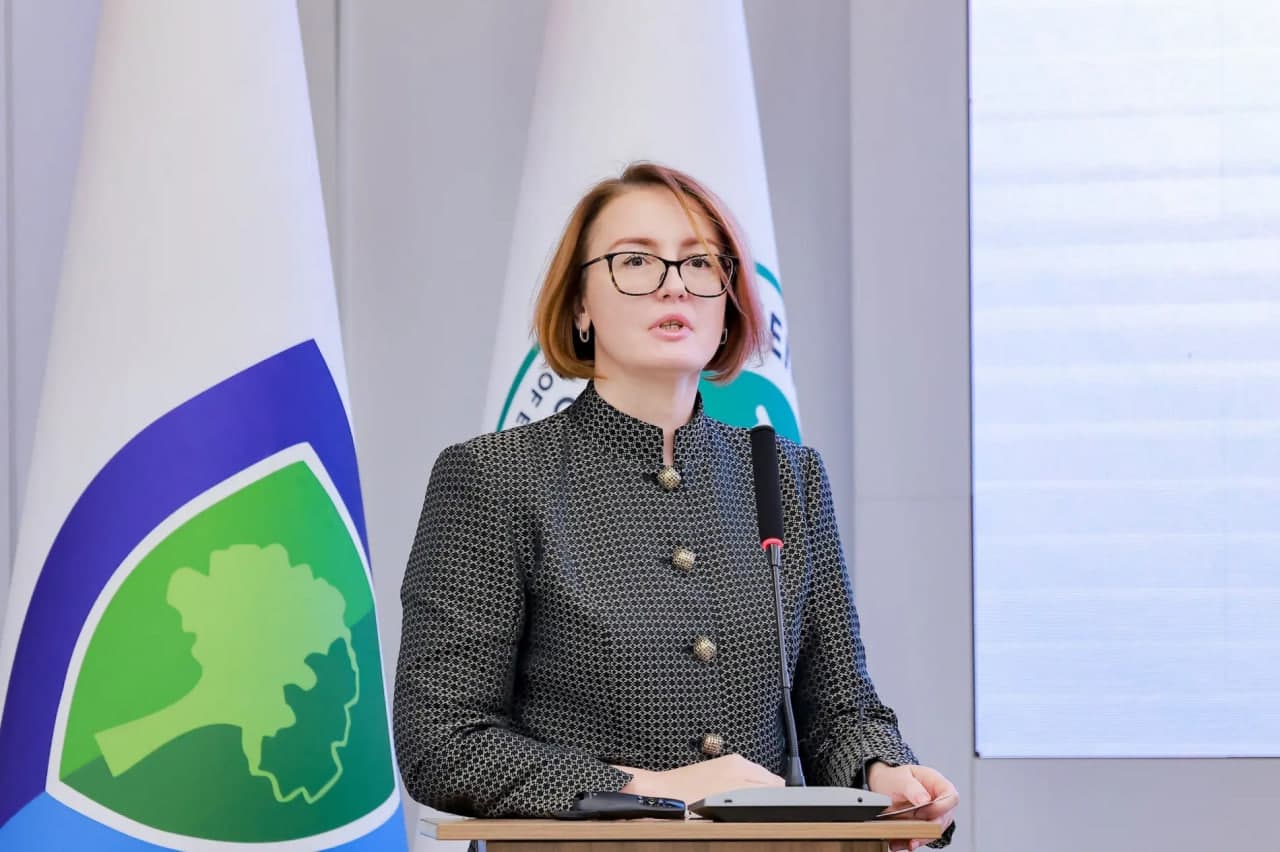
An event marking the opening of a department named after Vladimir Kvint, Doctor of Economics, Academician and Member of the Russian Academy of Sciences, was held at the Central Asian University of Environmental and Climate Change Studies (Green University), under the National Committee on Ecology and Climate Change. The event also included a discussion of the draft National Strategy for the Rational Use of Water Resources and Environmental Protection of the Republic of Uzbekistan for 2027–2050.
The event was attended by Aziz Abdukhakimov, Advisor to the President of the Republic of Uzbekistan on Environmental Issues and Chairman of the National Committee on Ecology and Climate Change; Vladimir Kvint, Doctor of Economics, Academician and Member of the Russian Academy of Sciences; as well as national and international experts.
For reference: Vladimir Kvint is a recipient of the M. V. Lomonosov Prize, First Class, awarded by Moscow State University for outstanding scientific contributions, and the State Prize of the Republic of Uzbekistan in Science and Technology. He has also been awarded the Dustlik (Friendship) Order of the Republic of Uzbekistan and the honorary badges “Oliy ta’lim a’lochisi” (Excellence in Higher Education), “Suv xo‘jaligi a’lochisi” (Excellence in Water Management) and “Tabiat himoyachisi” (Environmental Defender).
The event opened with the official inauguration of the Vladimir Kvint Department at Green University.
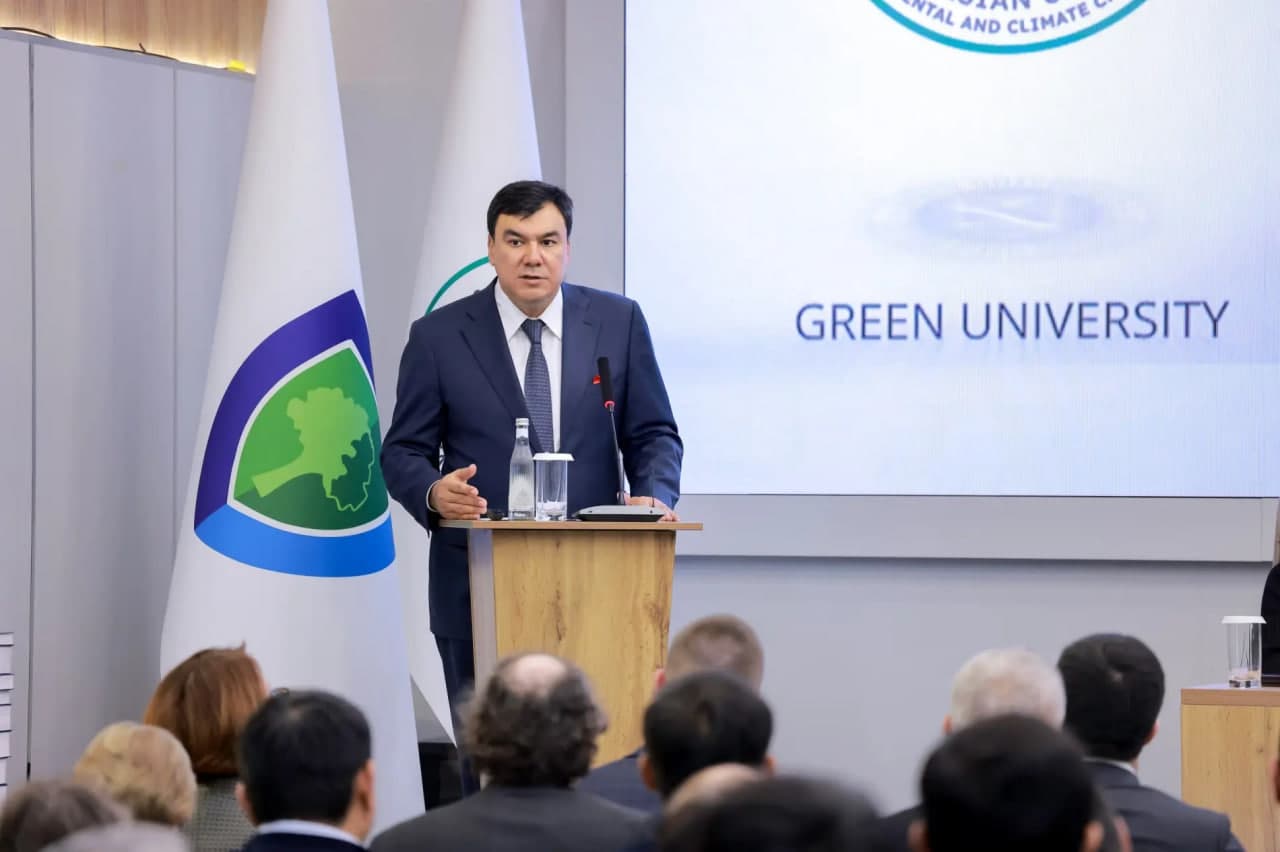
Aziz Abdukhakimov noted that the establishment of the department at Green University was particularly significant. Its activities will focus on environmental security, human potential, sustainable development and the strategic analysis of regional and global processes. This will contribute to strengthening the University’s scientific and academic capacity in strategic thinking, research and the development of long-term strategies.
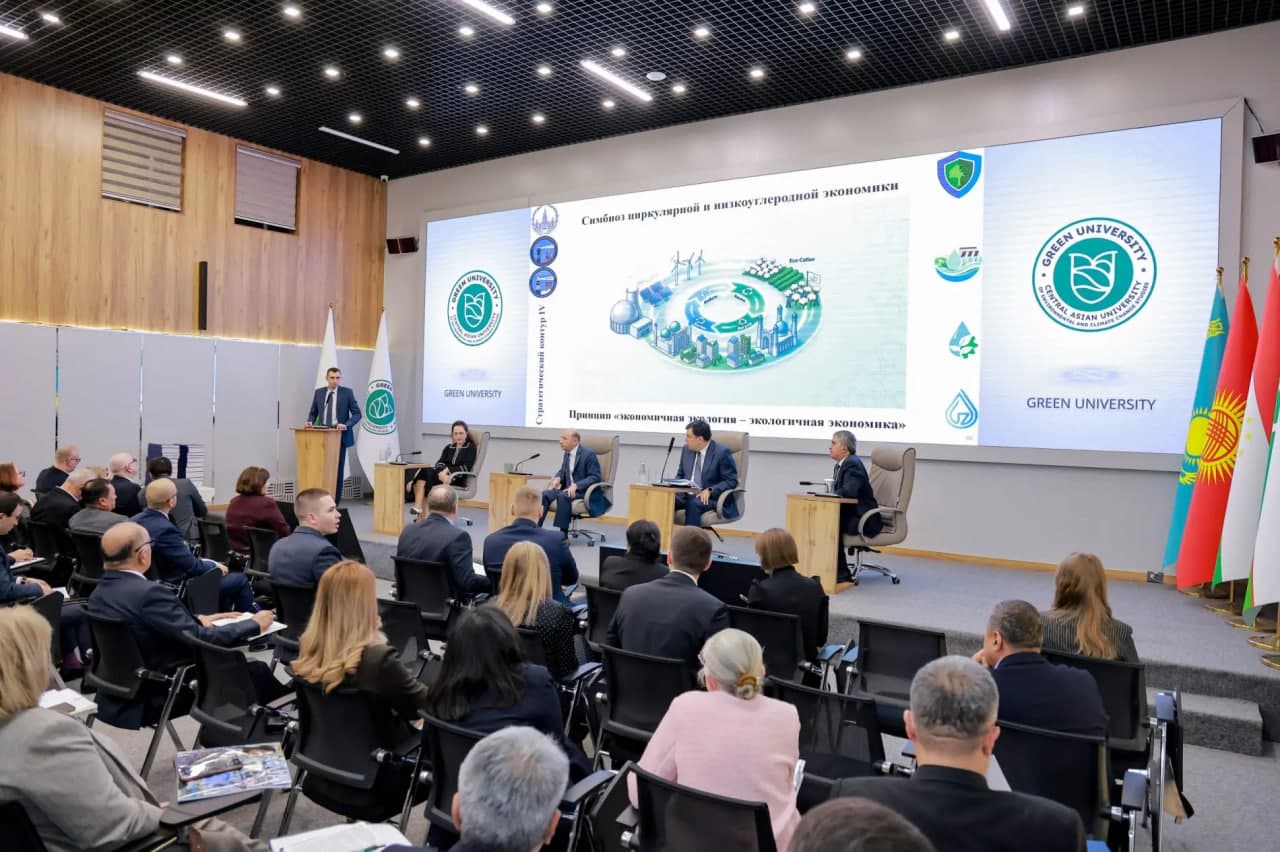
The event also featured a detailed discussion of the draft National Strategy for the Rational Use of Water Resources and Environmental Protection of the Republic of Uzbekistan for 2027–2050.
“Today, developing a long-term vision for Uzbekistan’s environmental development is becoming increasingly important. This vision should be based on the rational use of natural resources, particularly water, the consistent introduction of a circular economy, the promotion of environmental innovation and the development of new competitive advantages for the country. These priorities are reflected in the draft National Strategy for the Rational Use of Water Resources and Environmental Protection of the Republic of Uzbekistan for 2027–2050,” Aziz Abdukhakimov noted.
The discussion covered key priorities, including strengthening national capacity in chemical technologies to ensure the rational use of water resources, introducing resource- and energy-efficient solutions in water treatment and recycling, developing hydroponics and green chemistry in agriculture and ensuring chemical and biological safety.
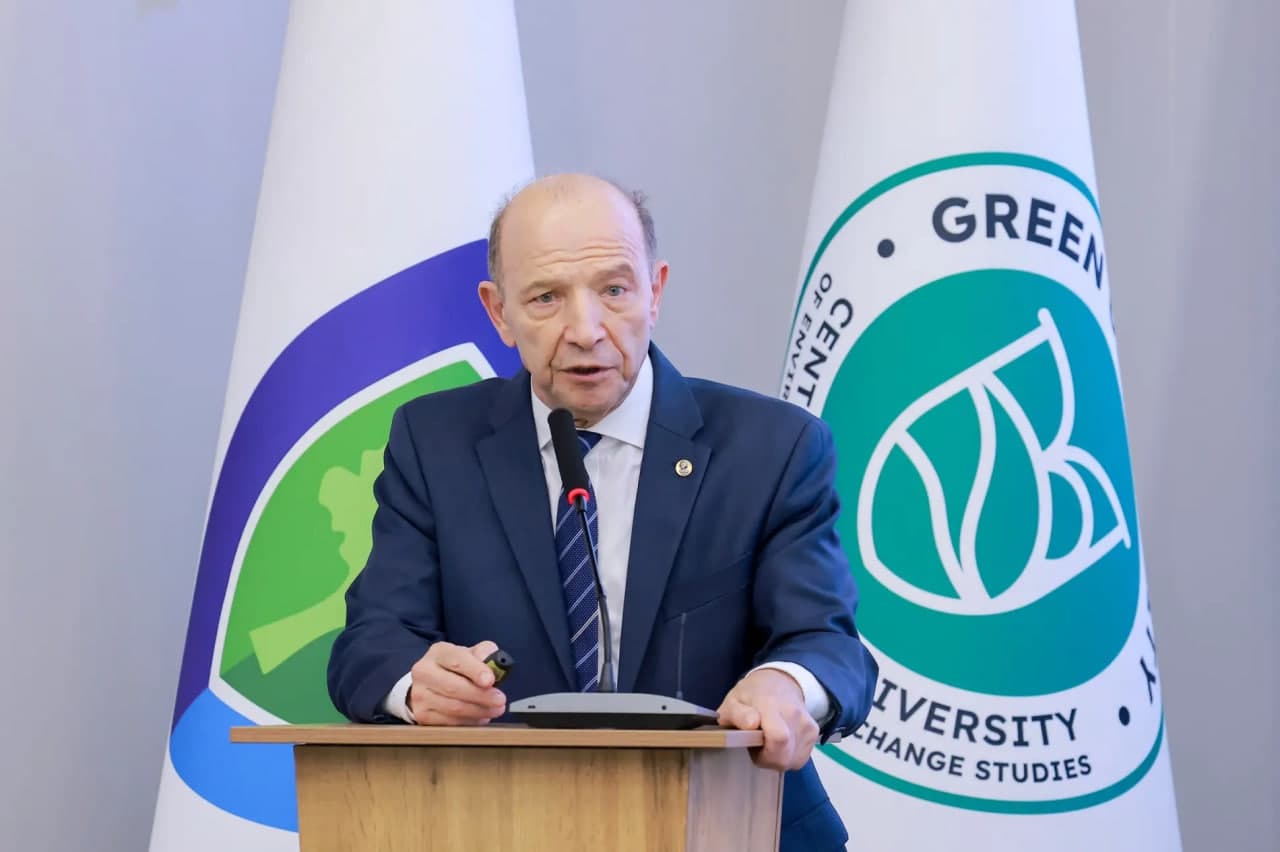
“We have spent more than a year working on the development of Uzbekistan’s National Strategy for water resources management and environmental protection. This is a long-term strategy extending to 2050. I am confident that its implementation will significantly improve people’s quality of life, enhance drinking water quality, strengthen environmental protection, expand forest areas across Uzbekistan and help combat desertification,” Vladimir Kvint said.
The strategy is aimed at ensuring the country’s long-term environmental sustainability, promoting the rational use of natural resources, strengthening environmental security and setting priorities for environmental protection.
The draft National Strategy was developed by a research team led by Professor Vladimir Kvint, comprising professors, lecturers, researchers and international experts. Its preparation drew on the knowledge and practical experience of specialists in strategic planning and research.
Particular attention in the draft Strategy was given to the strategic area of “Human Ecology”, recognised as one of the key areas for ensuring environmental sustainability. Specifically, the team analysed environmental factors affecting public health and occupational safety in the context of climate change, including risks associated with extreme heat and their socio-economic implications.
As part of the Strategy development methodology, global, regional, national and sectoral trends were examined, and long-term development priorities, strategic objectives, tasks and implementation mechanisms were identified.
This work forms an important part of Green University’s ongoing efforts to advance research in strategic planning, environmental sustainability and environmental protection, strengthen cooperation with international experts and translate scientific findings into practical solutions.