
Cooperation with Mahallas to Be Strengthened in Promoting Environmental Culture
2026-05-08 16:10:00 / News
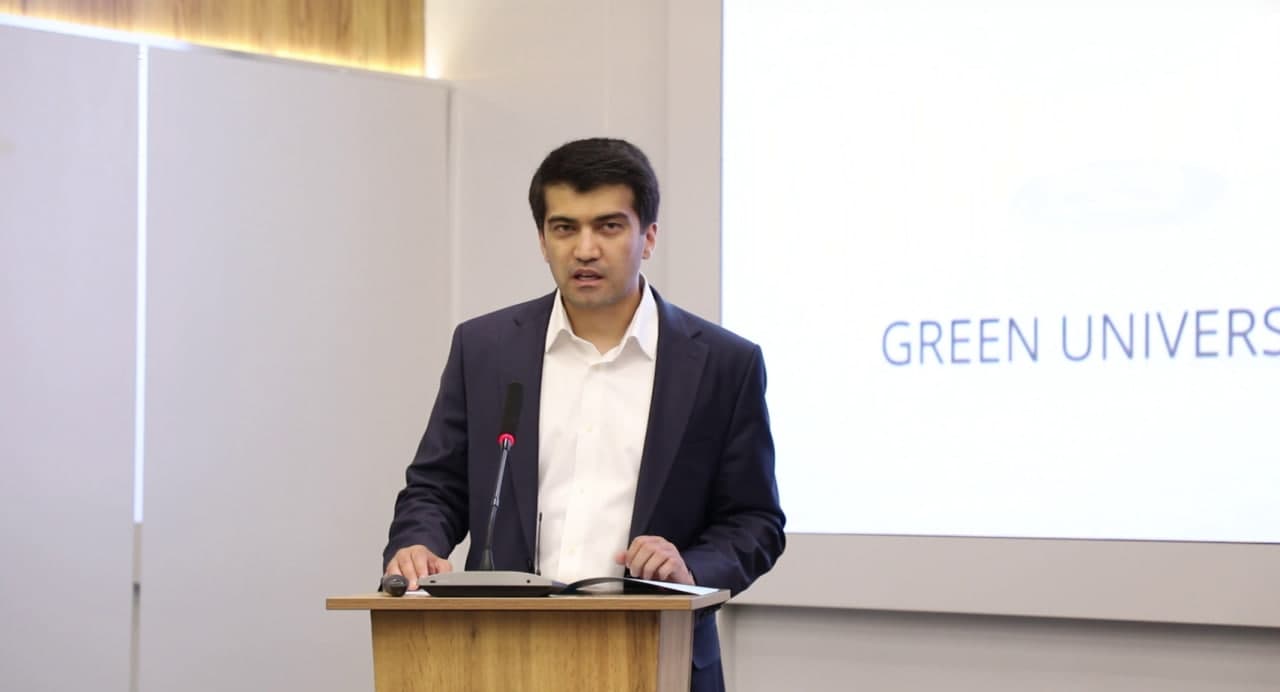
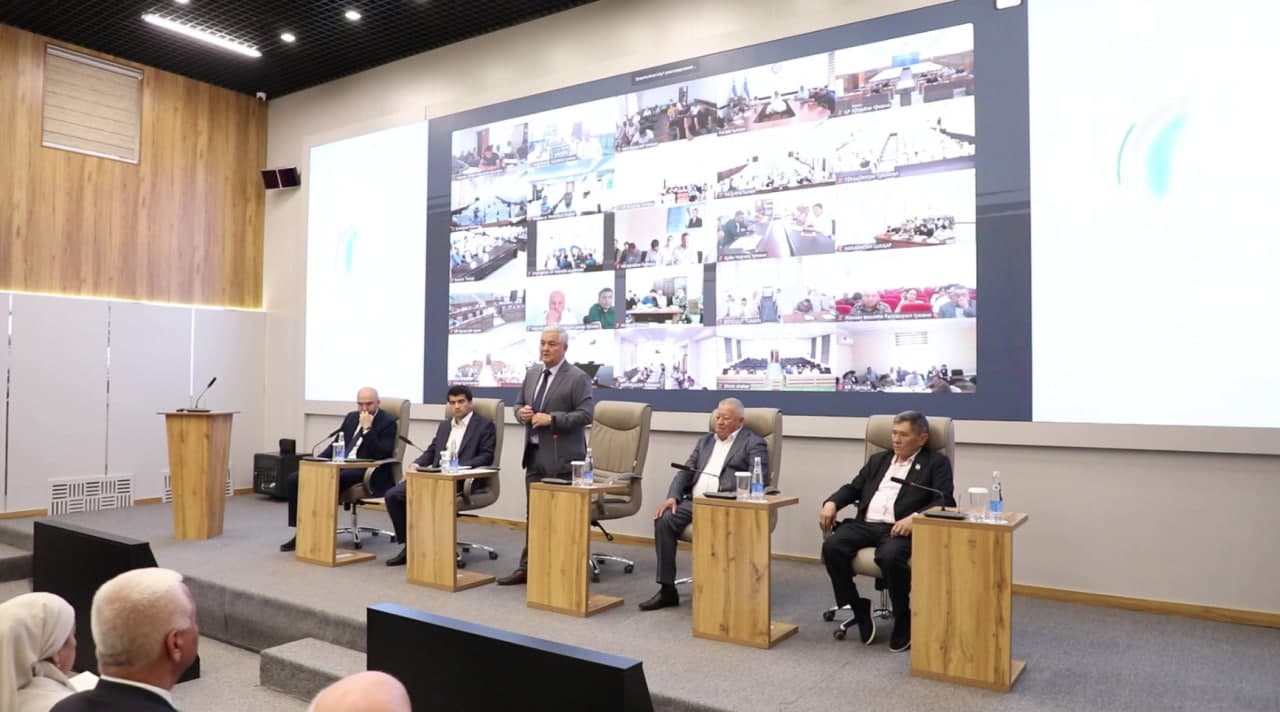
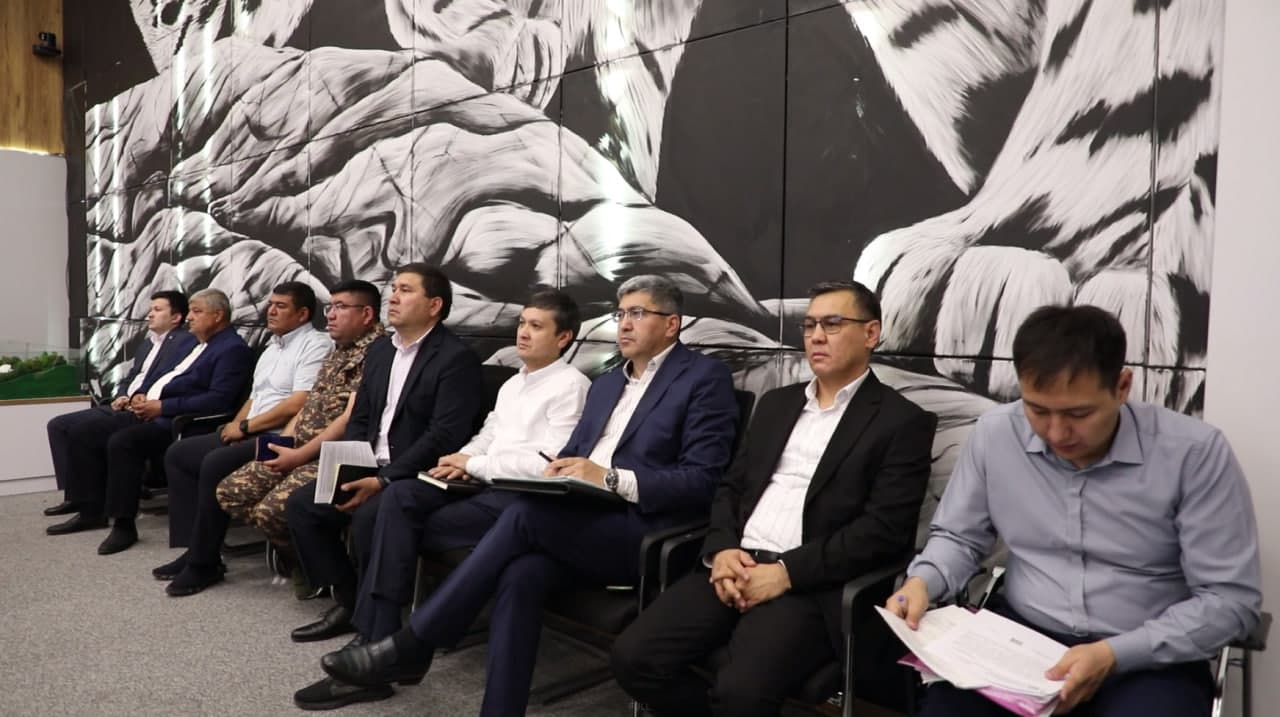
The seminar was attended by the leadership of the National Committee on Ecology and Climate Change, the Association of Mahallas of Uzbekistan, representatives of system organizations, mahalla activists, and representatives of civil society institutions.
Speaking at the event, Deputy Minister of Ecology Iskandar Kutbiddinov emphasized the important role of mahallas in shaping environmental culture among the population. He also addressed key issues such as strengthening liability for violations related to dumping waste in unauthorized places, enhancing public oversight, implementing the “Green Mahalla” concept, the role of mahallas in ensuring effective environmental control, and other important matters.
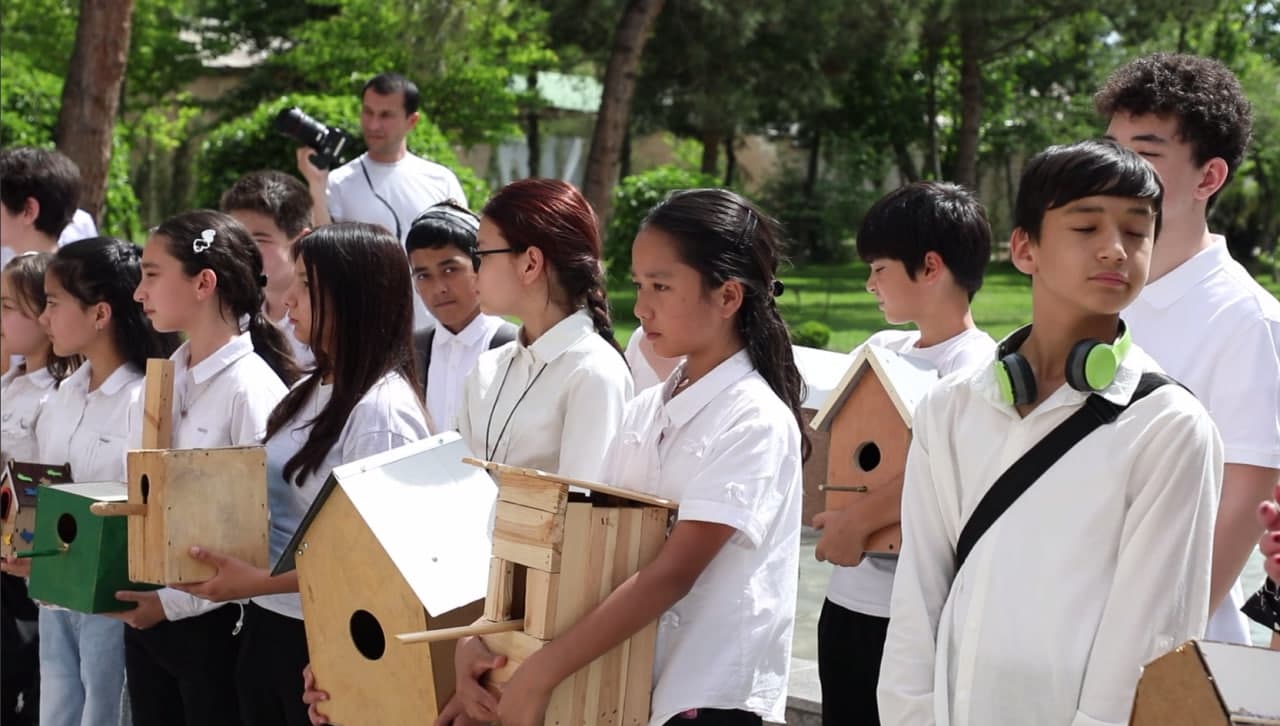
In addition, the seminar-training discussed the implementation of the nationwide “Eco-Culture” project, particularly the development of environmental awareness among the population, waste management, expansion of green areas, improvement of the environmental education system, and encouragement of eco-active citizens.
For reference: under the nationwide “Eco-Culture” project, 14 green technical schools will be established under Green University across all regions of the country — one in each region. These technical schools are expected to train 5,000 mid-level specialists in the 2026/2027 academic year, 7,000 in the 2027/2028 academic year, and 10,000 in the 2028/2029 academic year.
Starting from the 2026/2027 academic year, at least 50 international students will be enrolled at Green University, with this figure planned to double in the following academic year. In 2026–2028, the number of specialists who obtain academic degrees in ecology and climate-related fields is expected to reach 150.
During the seminar, presentations were delivered on preventing environmental violations, expanding green areas in the regions, waste management, and introducing the status of “Eco-Active Citizen.”
At the conclusion of the event, priority areas were identified for preventing the spread of environmental behavior among young people that contradicts national values, improving public attitudes toward the environment, strengthening civic engagement in environmental protection, developing green initiatives in mahallas, and further enhancing cooperation between government bodies and civil society institutions.