
Foundation Stones Laid for Waste-to-Energy Plants in Bukhara and Surkhandarya
2026-02-02 14:10:00 / News
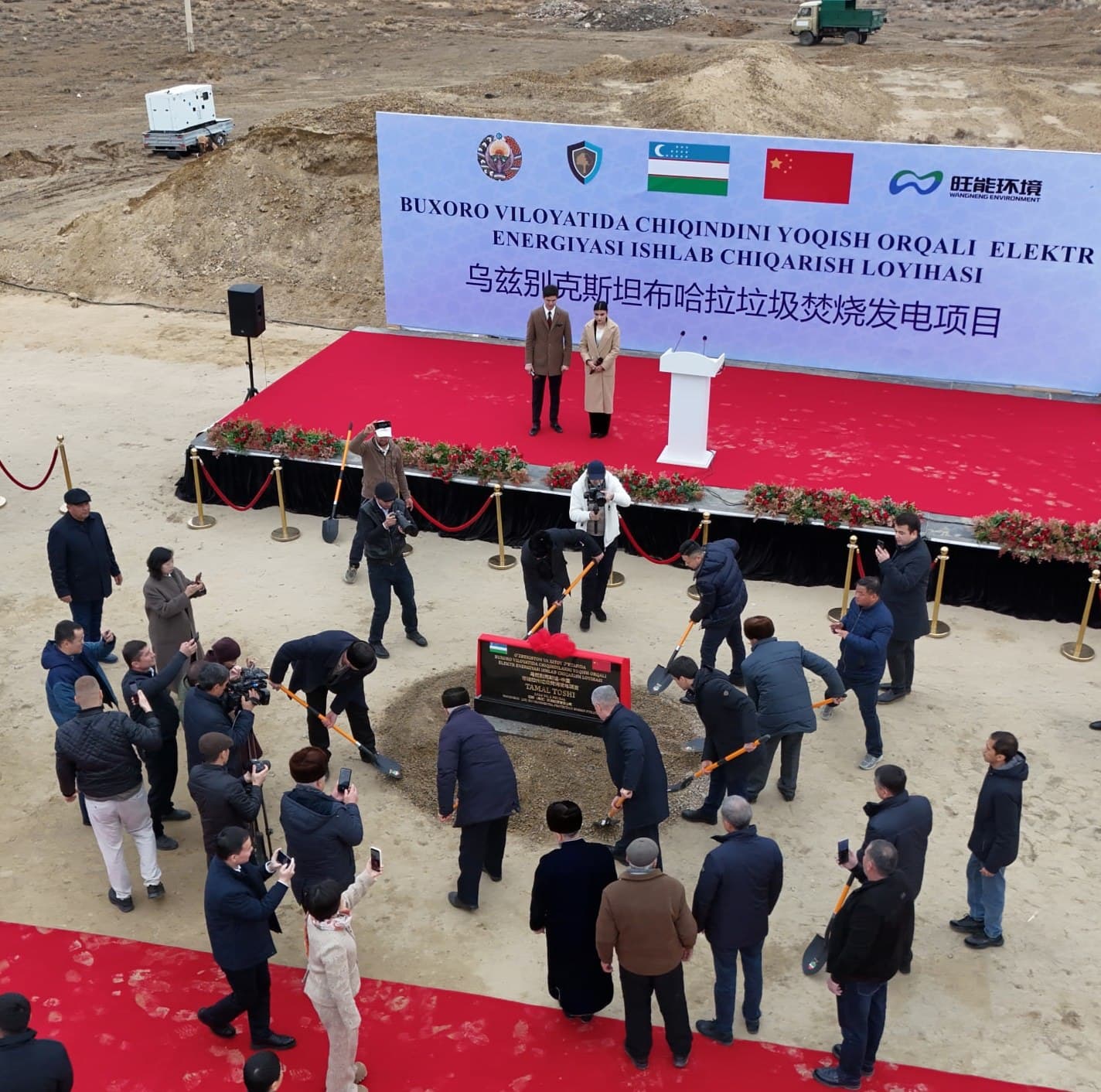
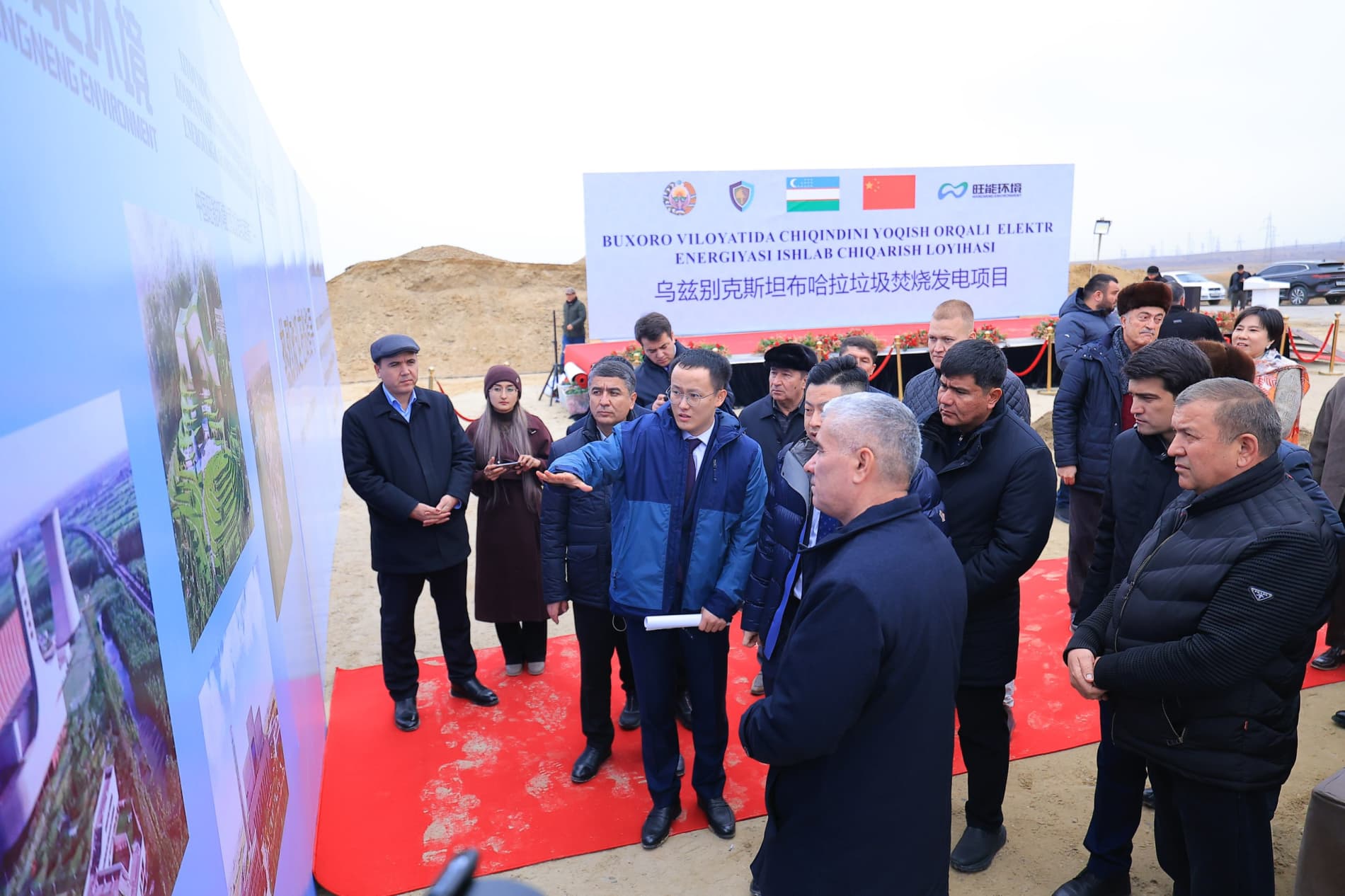
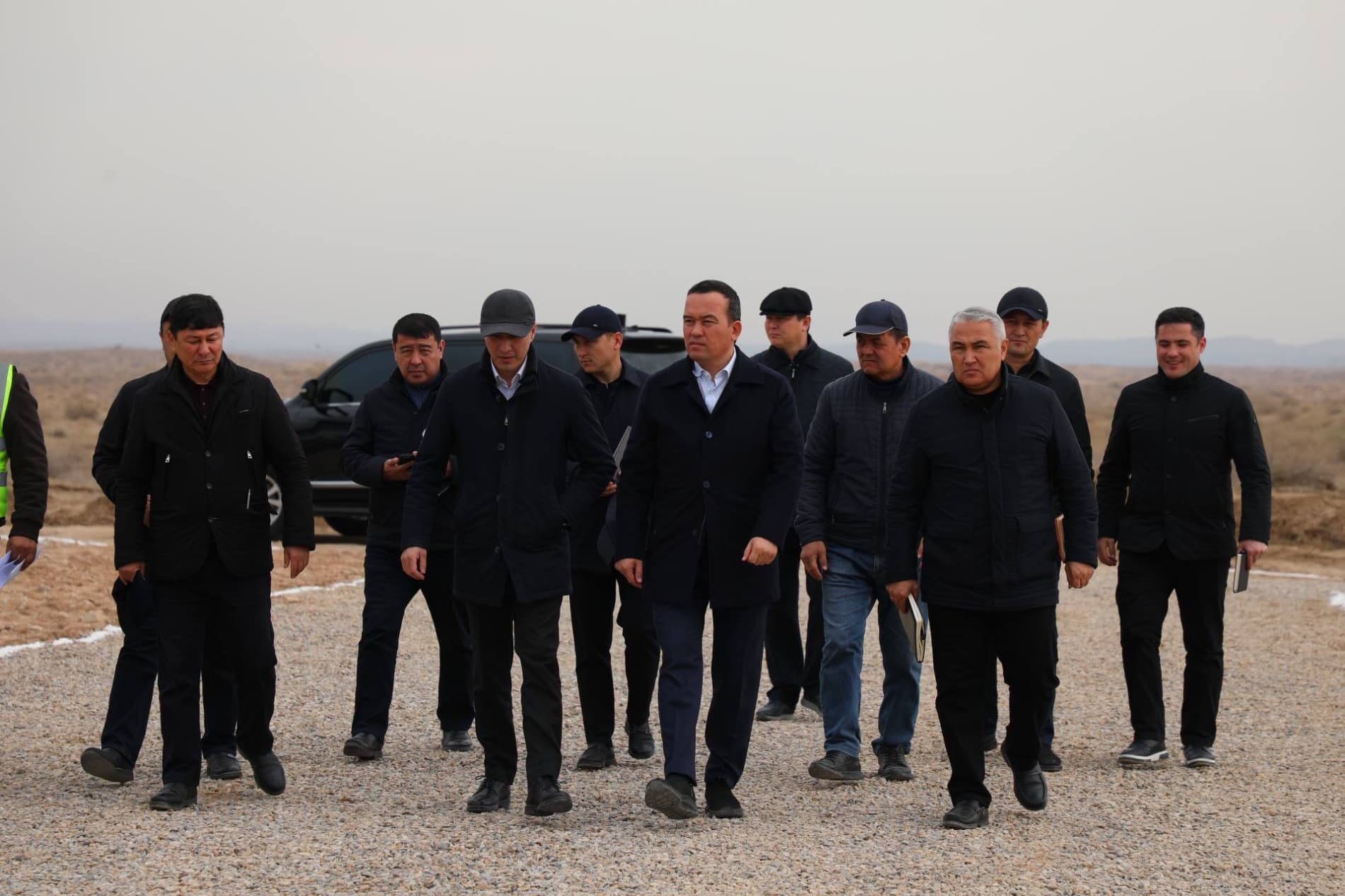
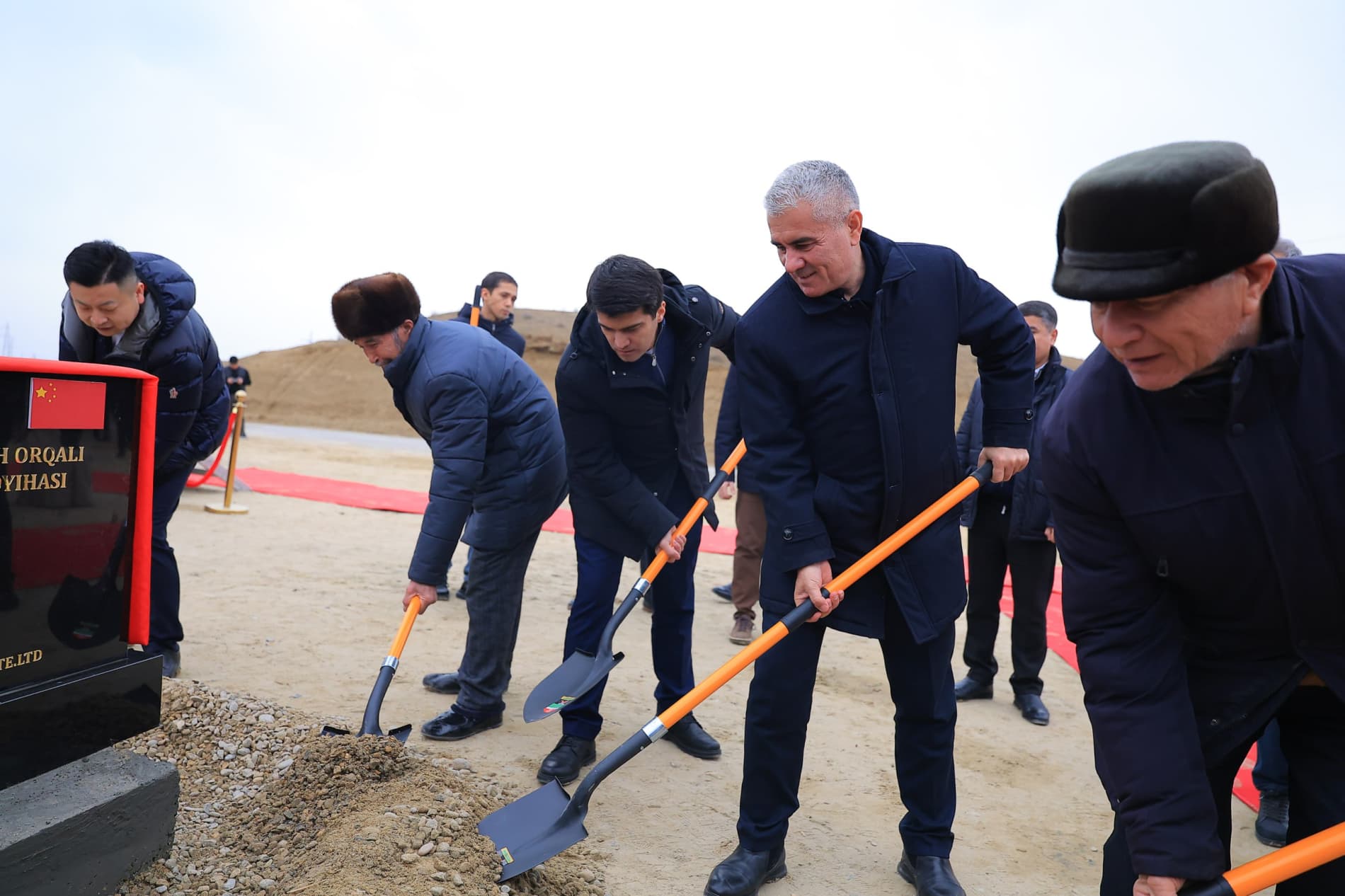
In particular, in accordance with the relevant instructions of the President of the Republic of Uzbekistan on implementing modern projects based on waste recycling and energy generation, a waste supply agreement was signed between the Director of the Agency for Waste Management and Circular Economy Development and the heads of leading Chinese companies “Wangneng Environment” and “CHSET”.
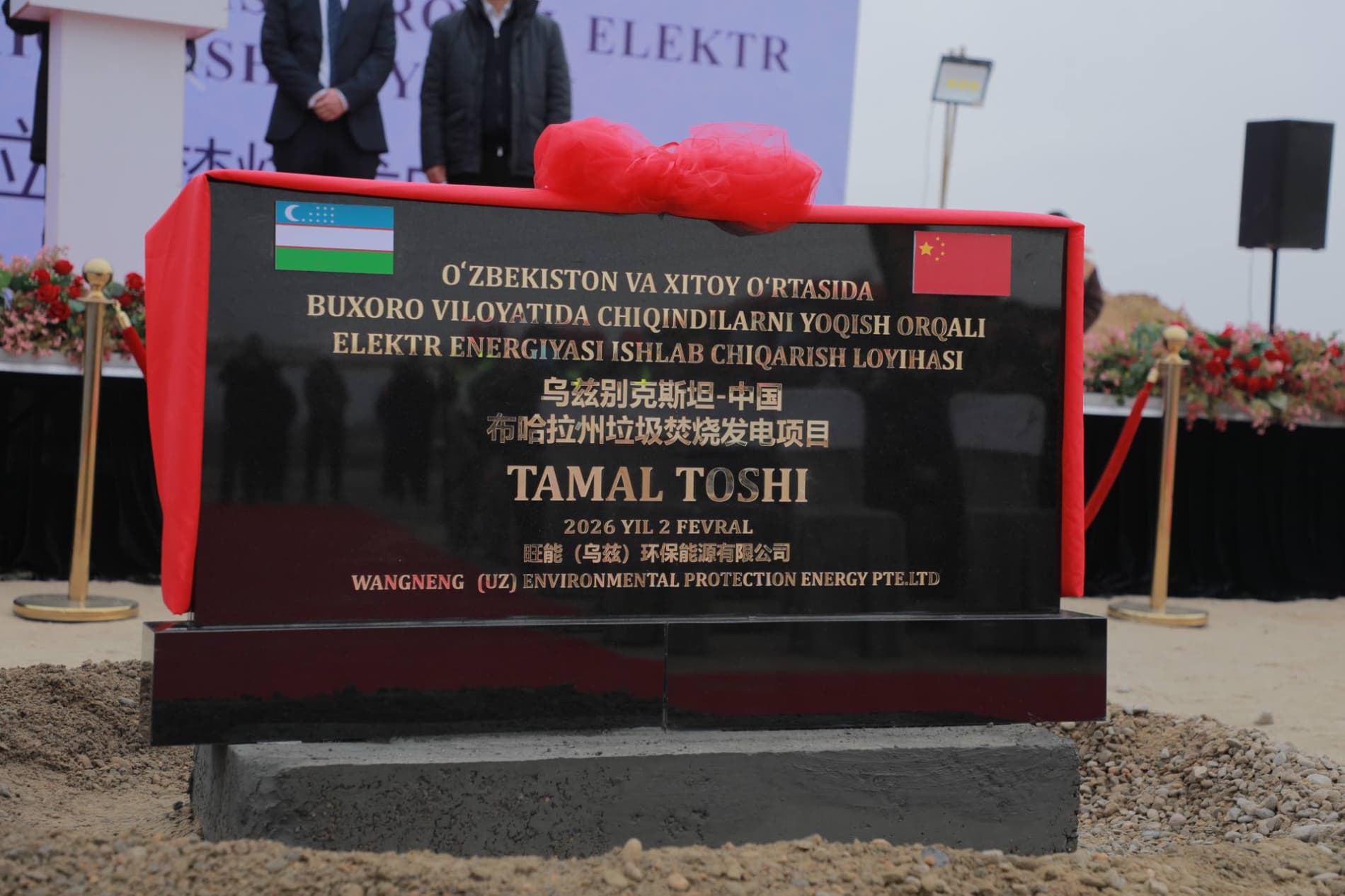
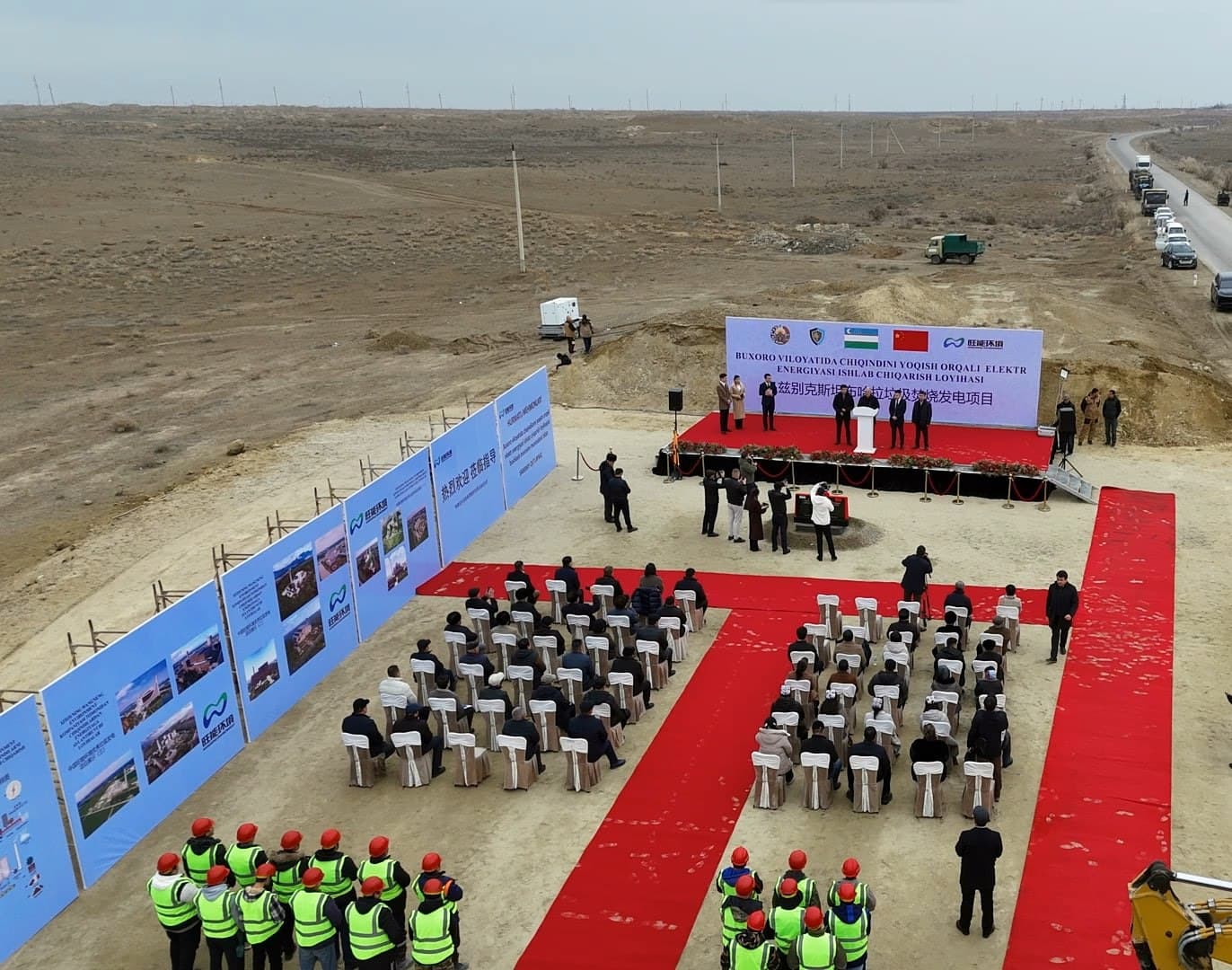
In this context, today, on February 2, foundation stones were laid for investment projects aimed at generating electricity through waste incineration in two regions of the country.
These include:
-
Bukhara Region — With the participation of the Chinese company Wangneng Environment, a plant will be constructed in the “Guliston” neighborhood of Kogon district through direct foreign investment amounting to USD 165 million. The plant will process 547.5 thousand tons of solid household waste annually and generate 230 million kWh of electricity per year. Upon commissioning, the project will create an additional 150 new jobs.
-
Surkhandarya Region — With the participation of the Chinese company CHSET, a plant will be built in the “Bahor” neighborhood of Angor district through direct foreign investment totaling USD 150 million. The plant will process 438 thousand tons of solid household waste annually and generate 75 million kWh of electricity per year. Once operational, the project will also create an additional 150 new jobs.
For reference, these plants are scheduled to be commissioned in 2028 and will operate for a period of 30 years.
The events were attended by investors, regional governors, agency leadership, regional departments, as well as representatives of the public and mass media.
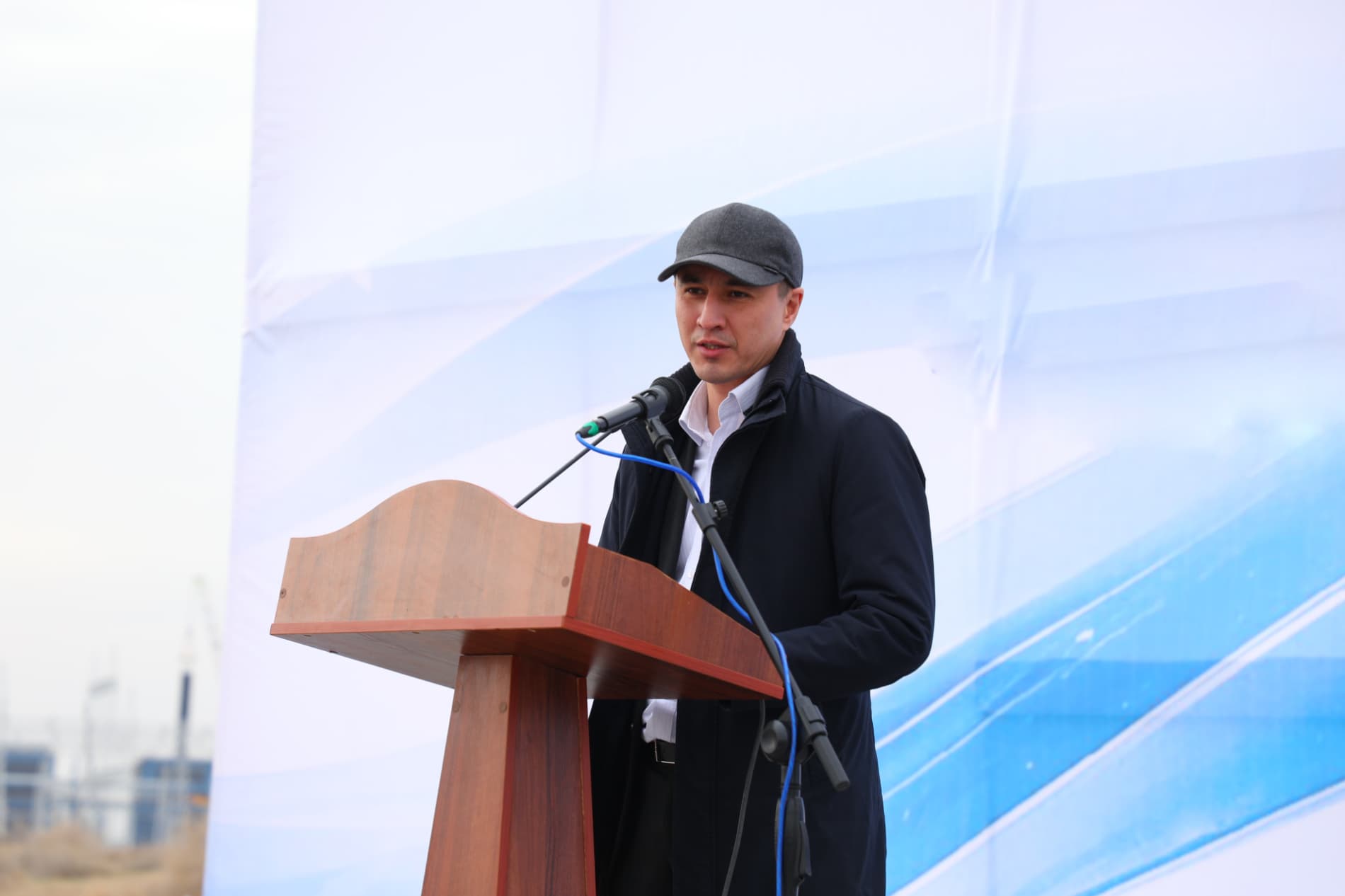
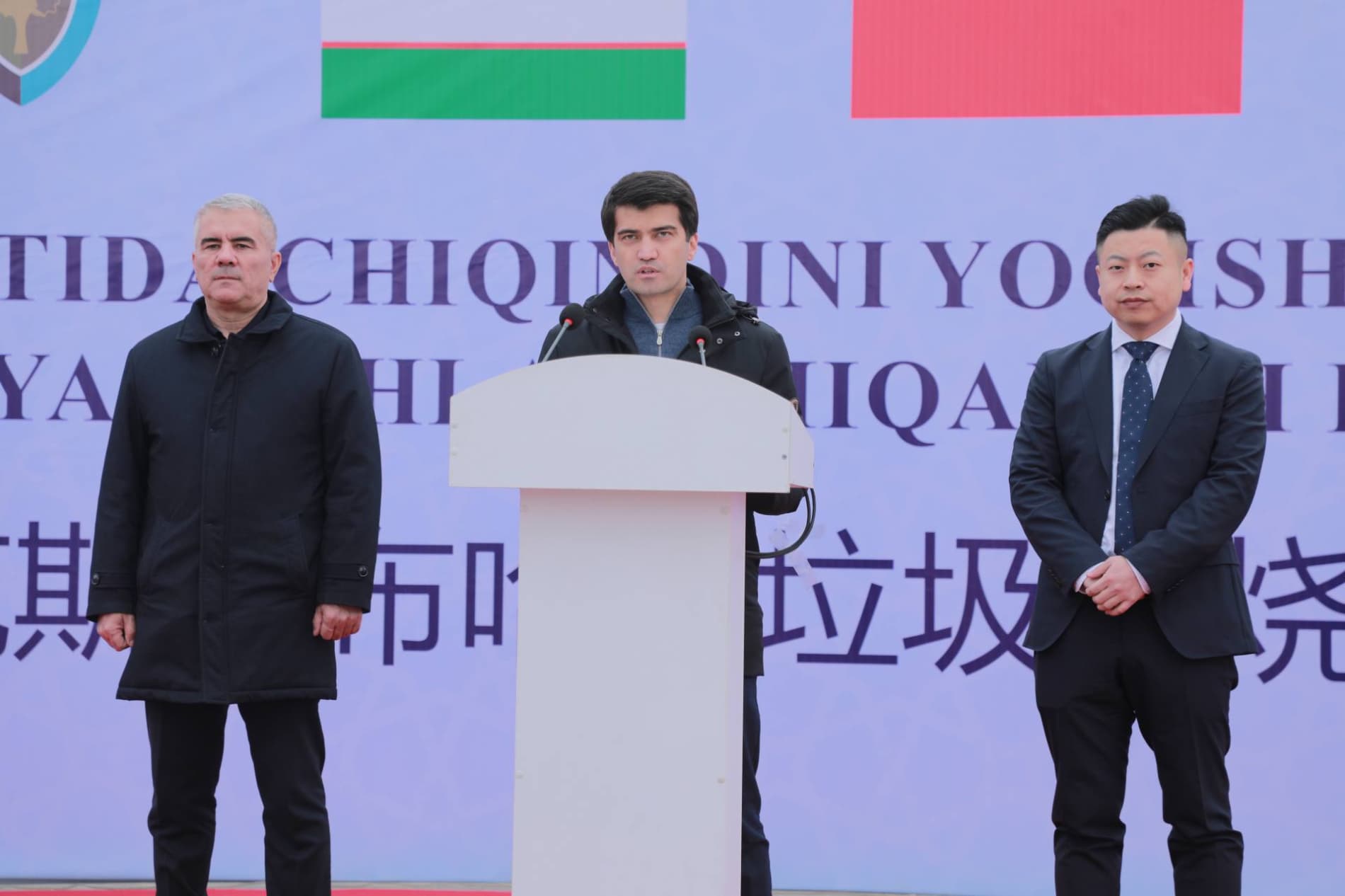
During the ceremony, regional governor Botir Zaripov, Chairman of the Board of Directors of Wangneng Environment Shan Chao, and Director of the Agency for Waste Management and Circular Economy Development Sharifbek Hasanov delivered speeches highlighting the significance of the project. Sharifbek Hasanov emphasized that the project serves such objectives as environmental protection, reducing the volume of waste disposed of in landfills, utilizing renewable energy sources, and ensuring environmental sustainability.
Currently, similar plants are under active construction in six regions of the country — Tashkent, Andijan, Namangan, Fergana, Kashkadarya, and Samarkand regions. In addition, the construction of similar facilities is planned in the Republic of Karakalpakstan and Khorezm region in the future.
In short, such initiatives not only improve the waste management system but also align with the principles of the “green economy,” contributing to environmental sustainability and the development of the circular economy and renewable energy sources in Uzbekistan.