
“Dedicated to the great master of words, Alisher Navoi.”
2026-02-09 / Calendar of events
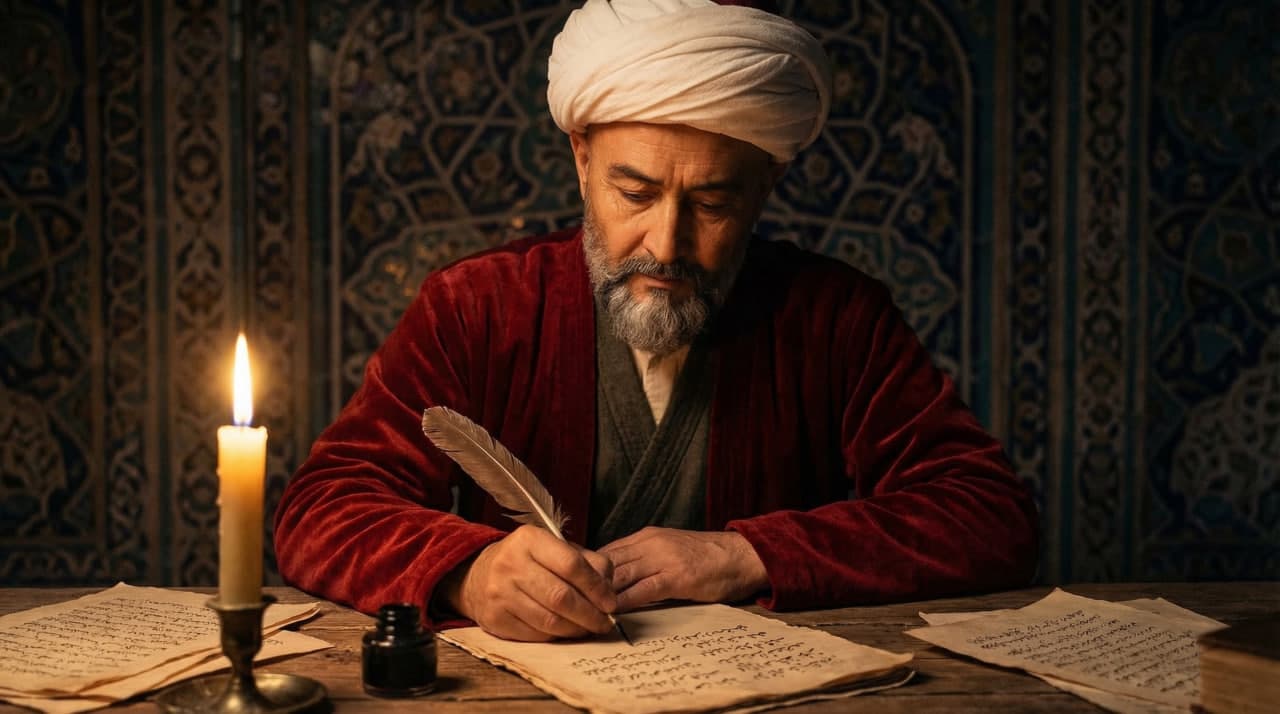
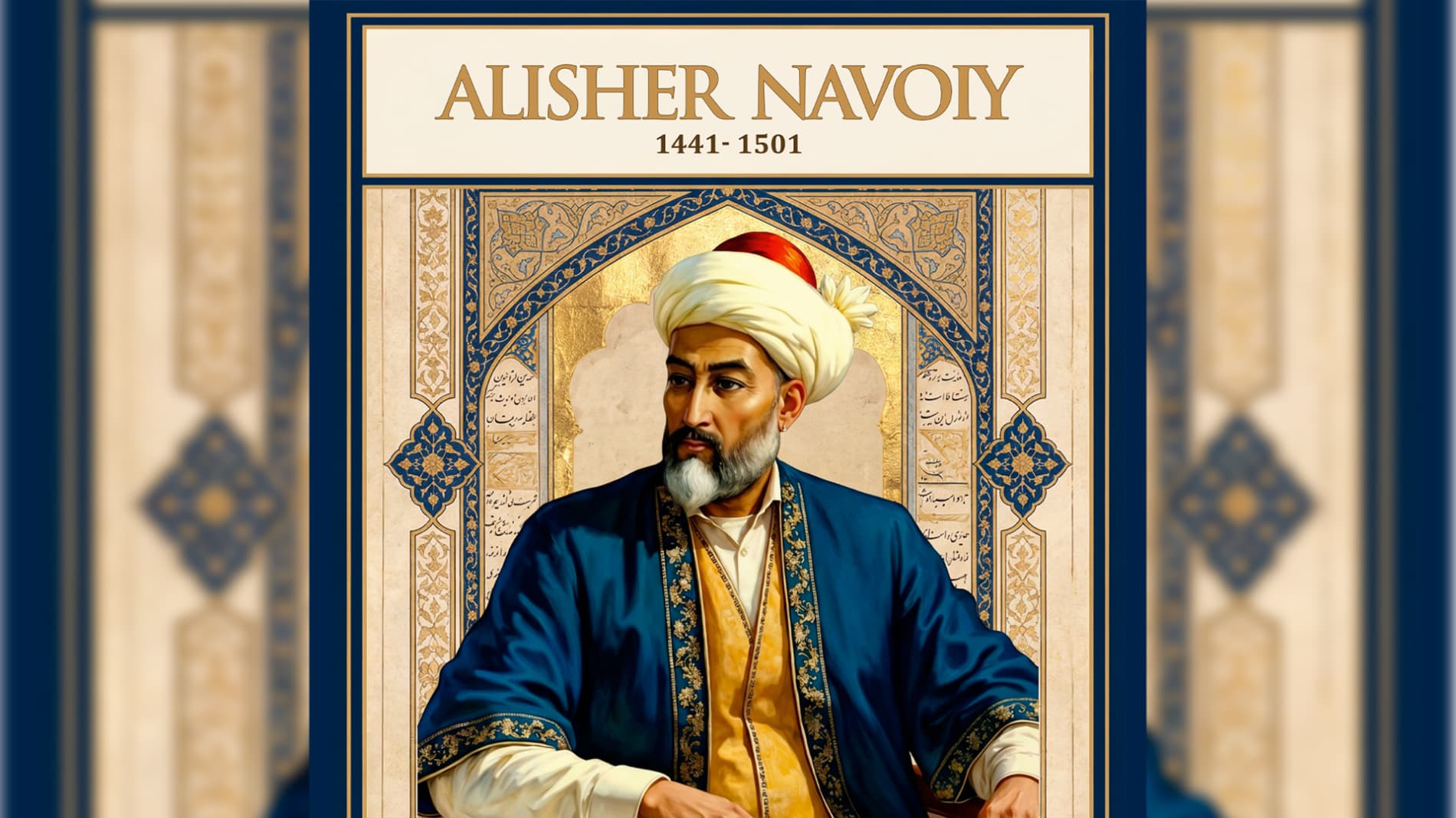
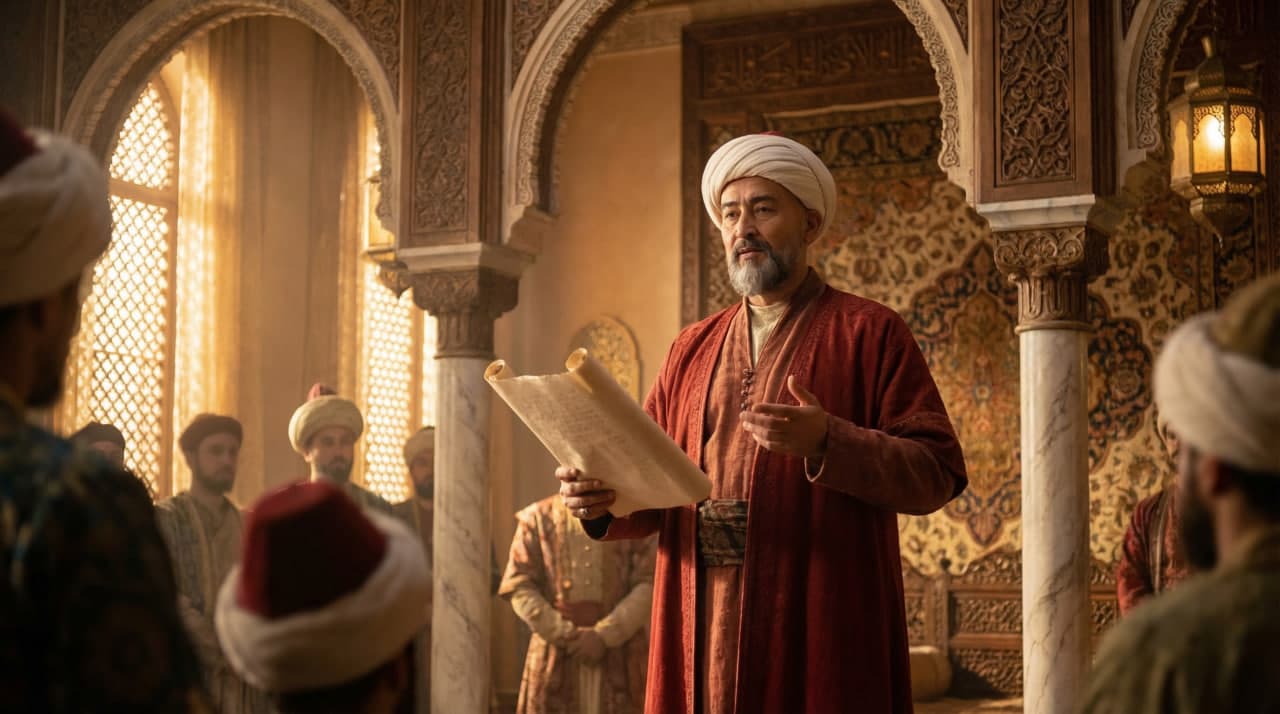
In the history of Turkic literature, there are figures whose names have lived in the hearts of people for centuries. One of such great personalities is Alisher Navoi.
He left an indelible mark in history not only as a great poet but also as a statesman, enlightener, and a prominent advocate of humanistic ideas.
Alisher Navoi was born in 1441 in the city of Herat. From a young age he showed a strong interest in science and literature. Navoi mastered Arabic, Persian, and Turkic languages. His love for the art of words awakened early in his heart and eventually led him to become a world-recognized poet.
The poet who elevated the Turkic language
One of Navoi’s greatest achievements was demonstrating the power of the Turkic language as a literary language. At that time many writers created their works mainly in Persian. Navoi proved in practice that the Turkic language was also capable of producing rich and beautiful literature.
His famous collection “Khamsa” —
“Hayrat ul-abror”, “Farhad and Shirin”, “Layli and Majnun”, “Sab’ai Sayyor”, and “Saddi Iskandari” —
is not only a masterpiece of Eastern literature but also a priceless heritage glorifying the ideals of humanity, love, and justice.
Advocate of humanism and goodness
At the center of Navoi’s works are always human dignity, compassion, justice, and knowledge. He encouraged people to pursue goodness, honesty, and education. In the poet’s view, the greatest wealth is spirituality and knowledge.
He wrote:
“If you are a human, do not call yourself human
If you do not feel the sorrow of the people.”
Through these lines Navoi emphasizes that a person’s true value lies in caring for others.
Statesman and builder
Navoi was not only a poet. He actively participated in state affairs and defended the interests of the people. With his initiative, madrasas, libraries, bridges, and caravanserais were built. This shows that he served his people not only through words but also through deeds.
Eternal legacy
Today Navoi’s works have been translated into many languages and are studied in different countries. Cities, universities, theaters, and many cultural institutions are named after him. This proves that the legacy of the great poet lives forever.
Conclusion
Alisher Navoi is not just a historical figure but a symbol of national spirituality. He elevated the Turkic language, glorified the ideals of humanism, and became a source of inspiration for many generations.
Navoi’s legacy reminds us that the path of knowledge, kindness, and justice leads a person to true perfection.