
Gender equality and “green” development in the energy sector were discussed
2026-01-29 18:35:00 / News
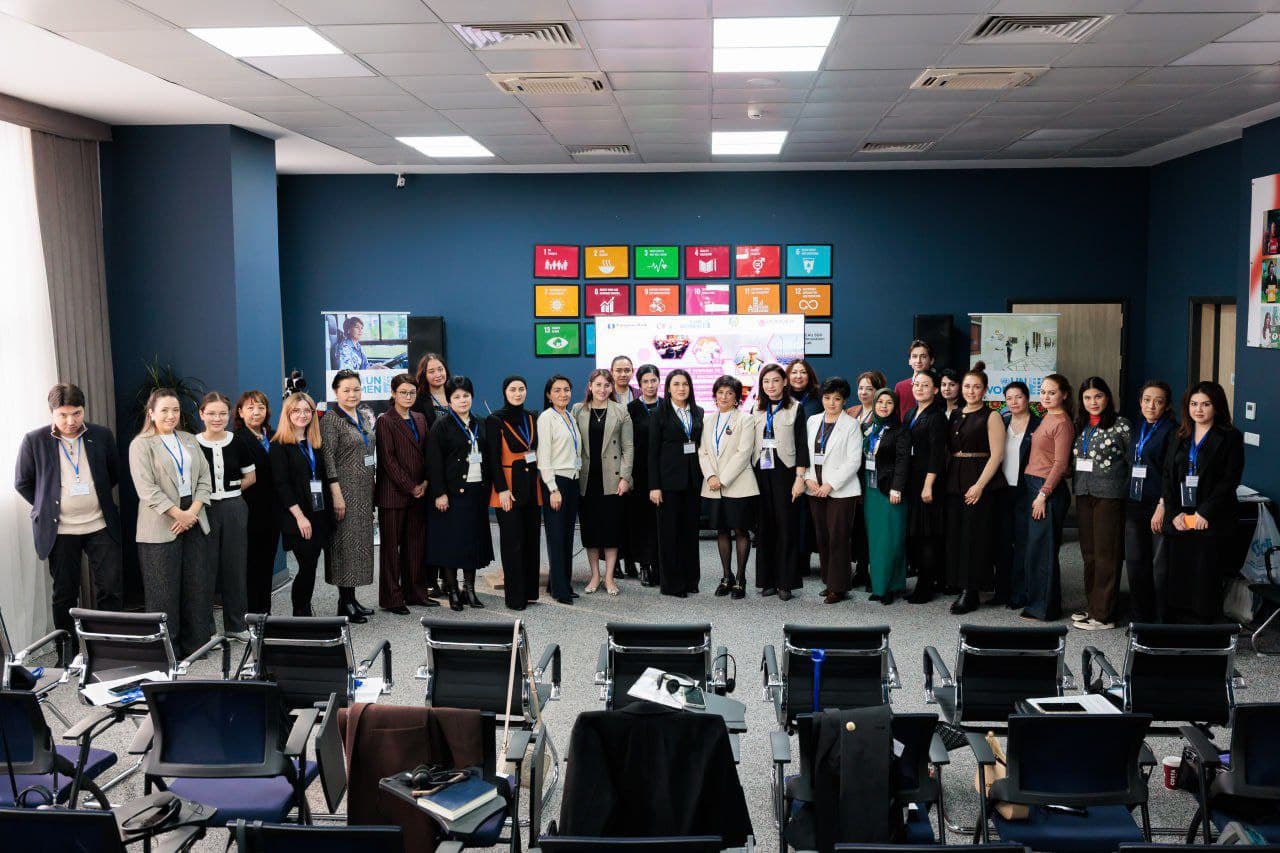
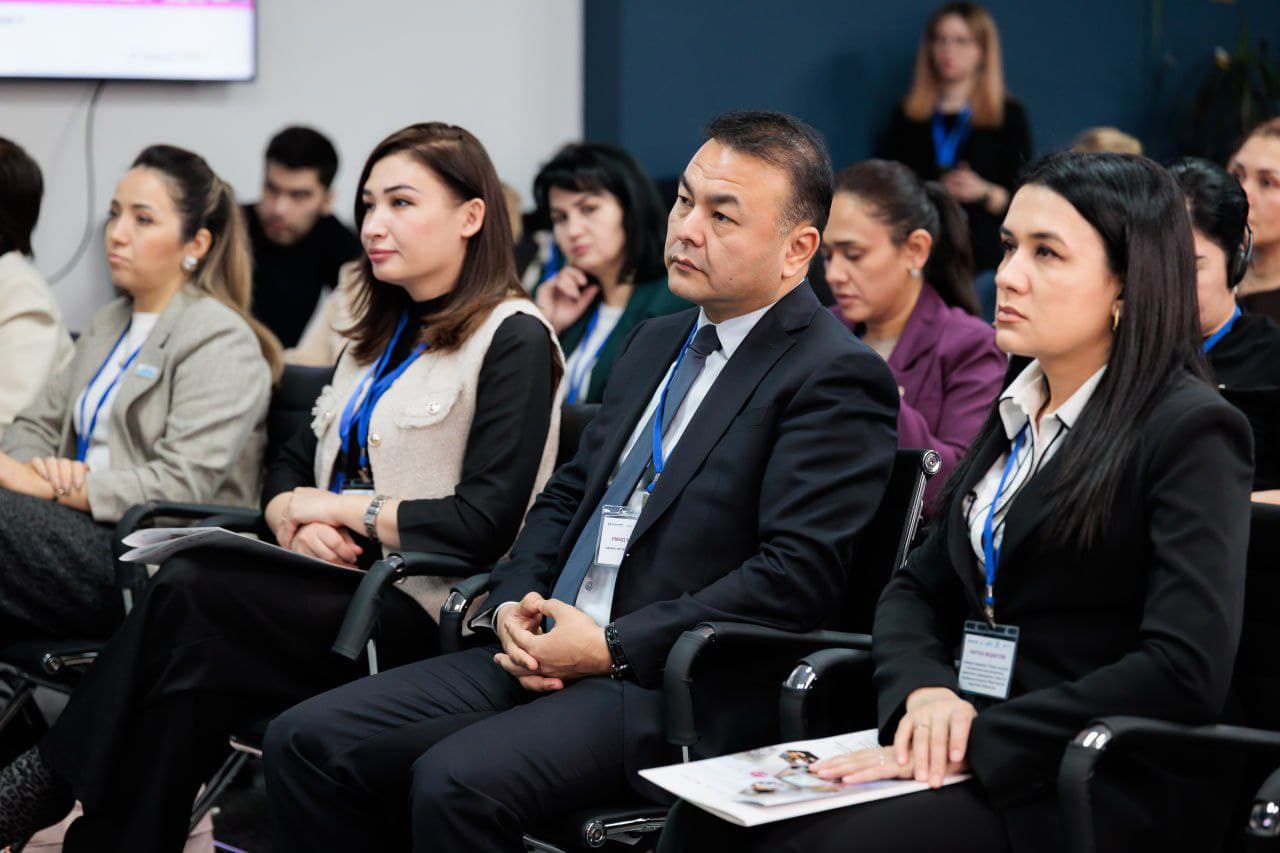
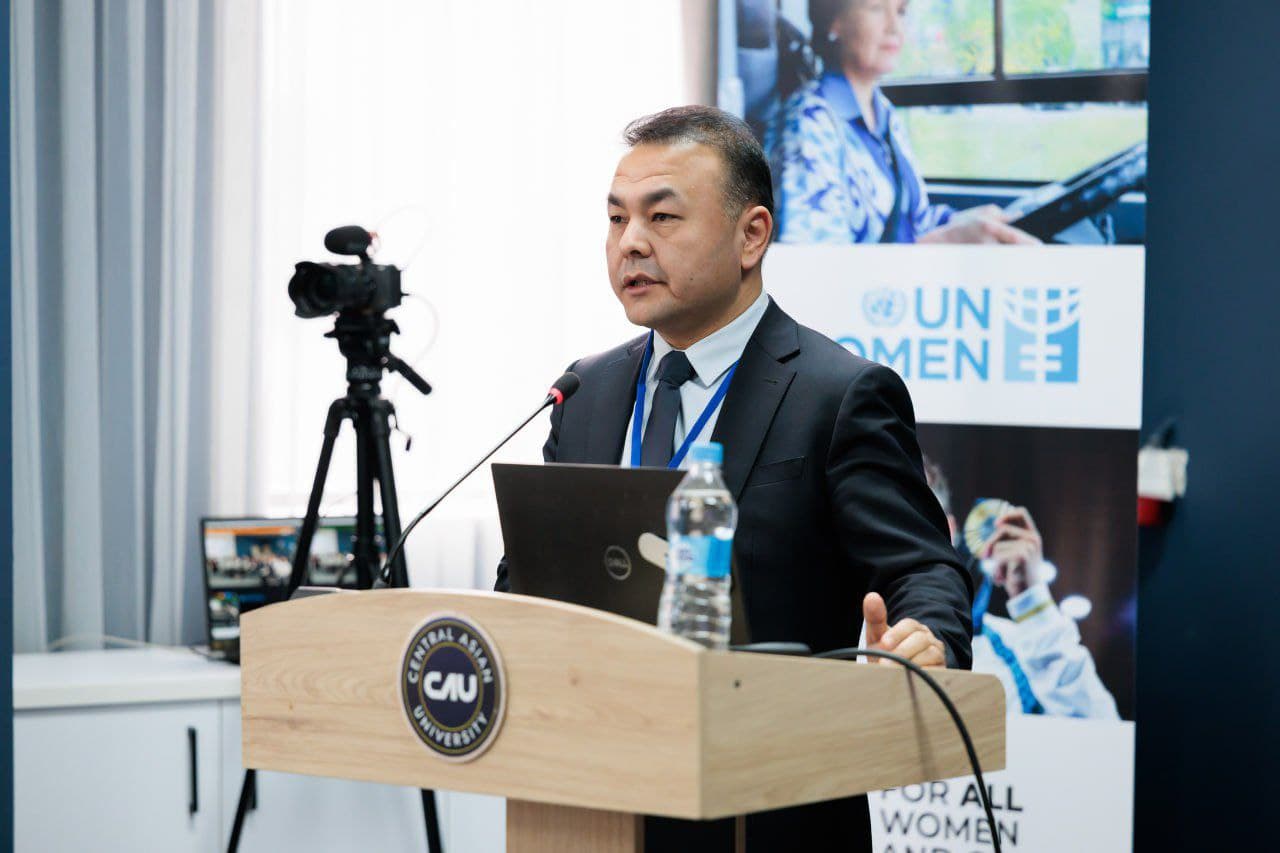
The Chairman of the Council on Gender Issues at the Ministry of Energy, Umid Mamadaminov, delivered a speech at the event:
"Gender Equality as a Driver of Institutional and Economic Strength
Dear colleagues, distinguished guests, students, and panel participants,
Thank you for the invitation and for creating a space to discuss a topic that is both important and often misunderstood — gender equality.
Today, I would like to speak not from an ideological or theoretical perspective, but from a practical, governance and economic point of view, based on real experience in public administration and the energy sector.
Gender Equality Is a Human Capital Issue, Not a Slogan
Gender equality is often framed as a social or ethical issue — and of course, it has a strong ethical dimension. But for policymakers and institutions, it is first of all a human capital and performance issue.
No country, no sector, and no institution can afford to systematically underuse half of its talent.
From an economic perspective:
- Countries with higher female participation in skilled jobs tend to show higher productivity and resilience
- Institutions with diverse leadership teams tend to make better-balanced decisions, especially under uncertainty
This is not ideology — it is about using all available competence to improve outcomes.
Why This Matters Especially for Technical and Infrastructure Sectors
Let me speak honestly about sectors like energy, infrastructure, and engineering.
These sectors have traditionally been male-dominated — not because of ability, but because of:
- Historical access barriers
- Cultural expectations
- Limited role models
- Workplace environments that were not always inclusive or supportive
However, the nature of these sectors is changing.
Modern energy systems require:
- Data analysis
- Risk management
- Environmental and social assessment
- Regulatory design
- Long-term systems thinking
These are areas where diverse teams consistently perform better, because:
- Different perspectives reduce blind spots
- Groupthink is less likely
- Safety culture improves
- Decisions are more thoroughly tested
In critical infrastructure, better decisions mean fewer failures — and fewer failures mean lives, money, and trust are protected.
Gender Equality and Safety Culture: An Overlooked Link
One practical observation from technical sectors worldwide is the link between diversity and safety culture.
Organizations that:
- Encourage open communication
- Reduce hierarchical fear
- Value professional standards over informal power
tend to have:
- Better safety compliance
- Earlier risk reporting
- Fewer catastrophic incidents
Inclusive environments do not make institutions weaker — they make them more disciplined and professional.
What Government Can and Cannot Do
It is important to be realistic about the role of government.
Government cannot:
- Change society overnight
- Replace family values or cultural traditions
- Force attitudes through declarations
But government can:
- Ensure equal access to education and skills
- Build transparent recruitment and promotion systems
- Enforce professional workplace standards
- Support women through critical life stages — education, early career, family responsibilities
Most importantly, government can ensure that competence and merit are the primary criteria for opportunity.
This approach benefits everyone — men and women alike.
Equality Is About Systems, Not Competition
Gender equality is sometimes wrongly presented as a competition — as if progress for women means loss for men.
This is not true.
Strong institutions are not built by replacing one group with another. They are built by raising standards, professionalism, and fairness.
When rules are clear and transparent:
- Trust increases
- Corruption decreases
- Talent stays in the system
- Young people see a future based on merit
This is the real foundation of equality.
Message to Students and Young Professionals
To students and young professionals here today, especially young women:
Technical, policy, and leadership roles are not reserved for a specific gender. They are reserved for those who are prepared, disciplined, and willing to take responsibility.
And to young men:
- Inclusive systems do not threaten your opportunities
- They strengthen the institutions you will depend on throughout your careers
Let me conclude with this thought:
Gender equality is not about changing who we are. It is about building institutions that work better for everyone.
Institutions that are fair, professional, safe, and resilient — these are the institutions that succeed in the long term.
Thank you for your attention, and I look forward to the discussion."