
Employees of the Treasury Service Committee visited the Center of Islamic Civilization
2026-04-08 00:00:00 / News
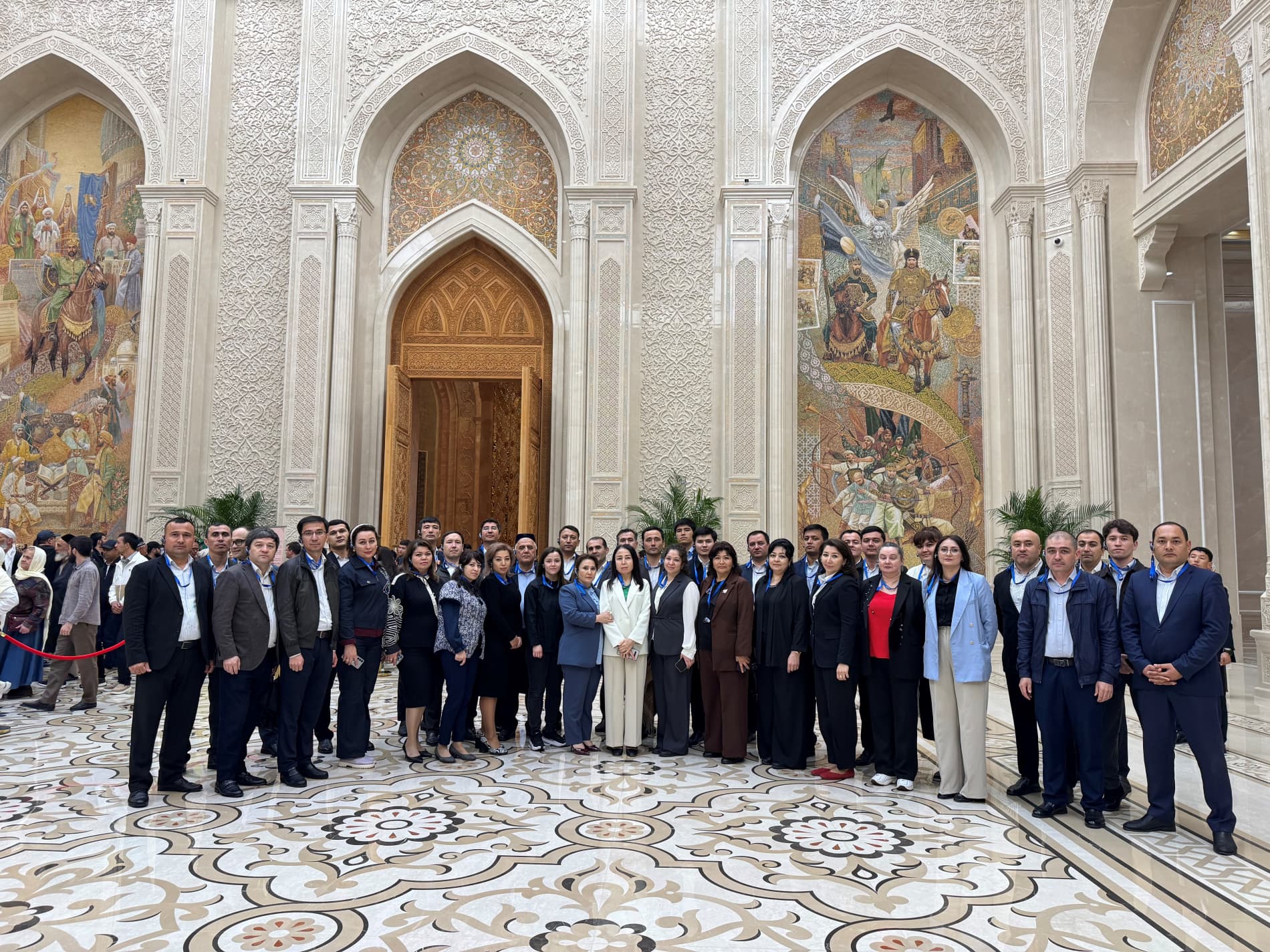
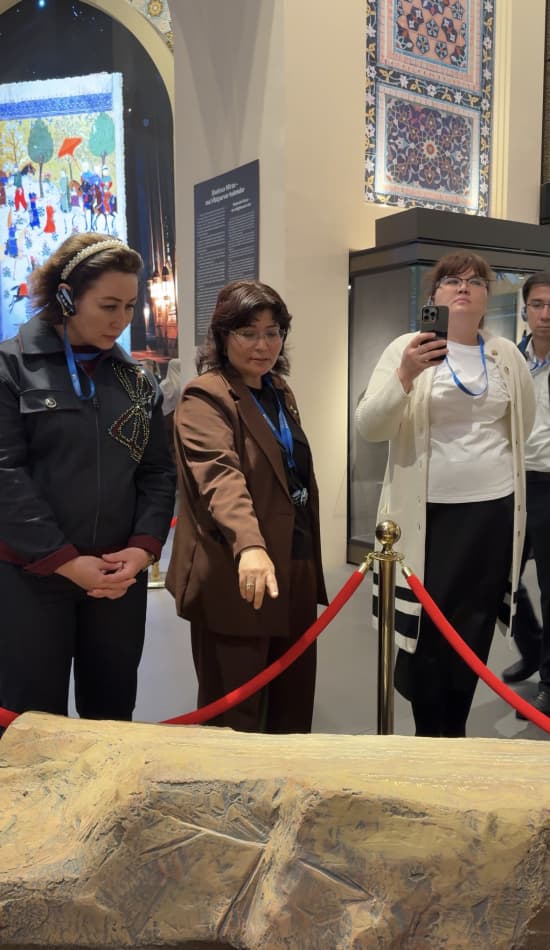
In accordance with the Resolution of the President of the Republic of Uzbekistan dated February 5, 2026, No. PP–46 “On the wide celebration of the 690th anniversary of the birth of the great statesman and commander, patron of science, culture and art, Sahibqiran Amir Temur,” and for the purpose of deeply studying the personality of Sahibqiran Amir Temur, the role of our great ancestor in the history of humanity and the civilization of Turan, as well as the rich and unique heritage of the Timurids, employees of the Treasury Service Committee under the Ministry of Economy and Finance visited the Center of Islamic Civilization on April 7 of the current year.
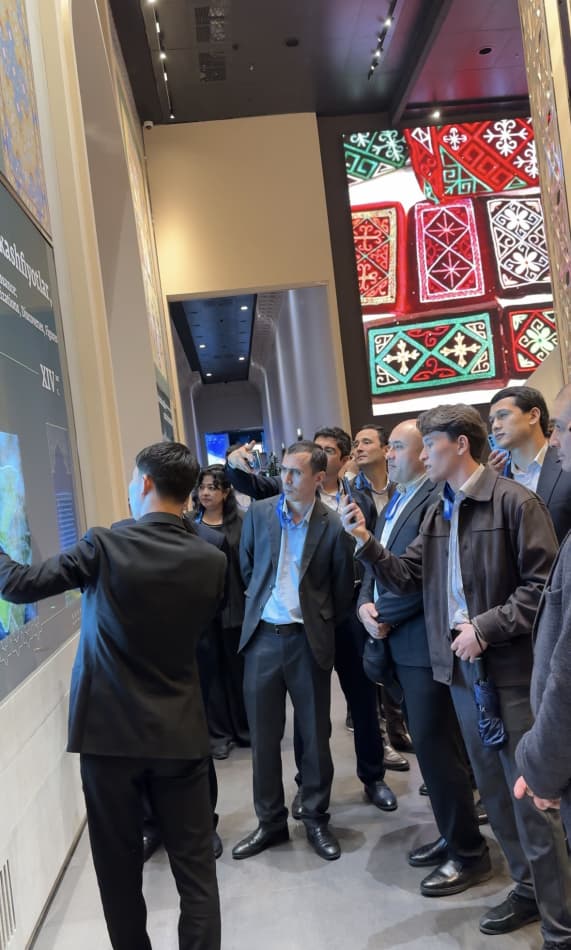
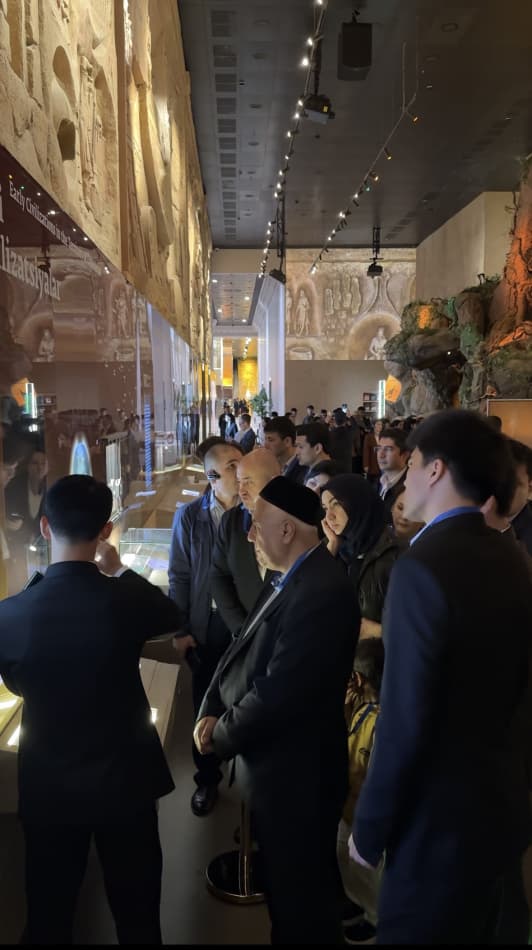
During the visit, at the initial stage of the informational and introductory экскурсия accompanied by a qualified guide, the employees witnessed how the stages of human civilization development—from the Stone Age to the present day—are presented in the Center based on a modern approach. This enabled visitors to understand human development in a holistic and systematic way.
During the excursion, they received detailed information about the centuries-old history of Islamic civilization, as well as the path of human development from its earliest stages to the present day. In addition, the conditions created in the Center, its rich exhibitions and new initiatives—especially the sections dedicated to the lives and activities of great figures such as Sahibqiran Amir Temur, Alisher Navoi, Zahiriddin Muhammad Babur, Abu Ali Ibn Sina and other scholars—aroused great interest among participants. Their immense contribution to world science and culture was impressively demonstrated using modern technologies, which deserves special recognition.
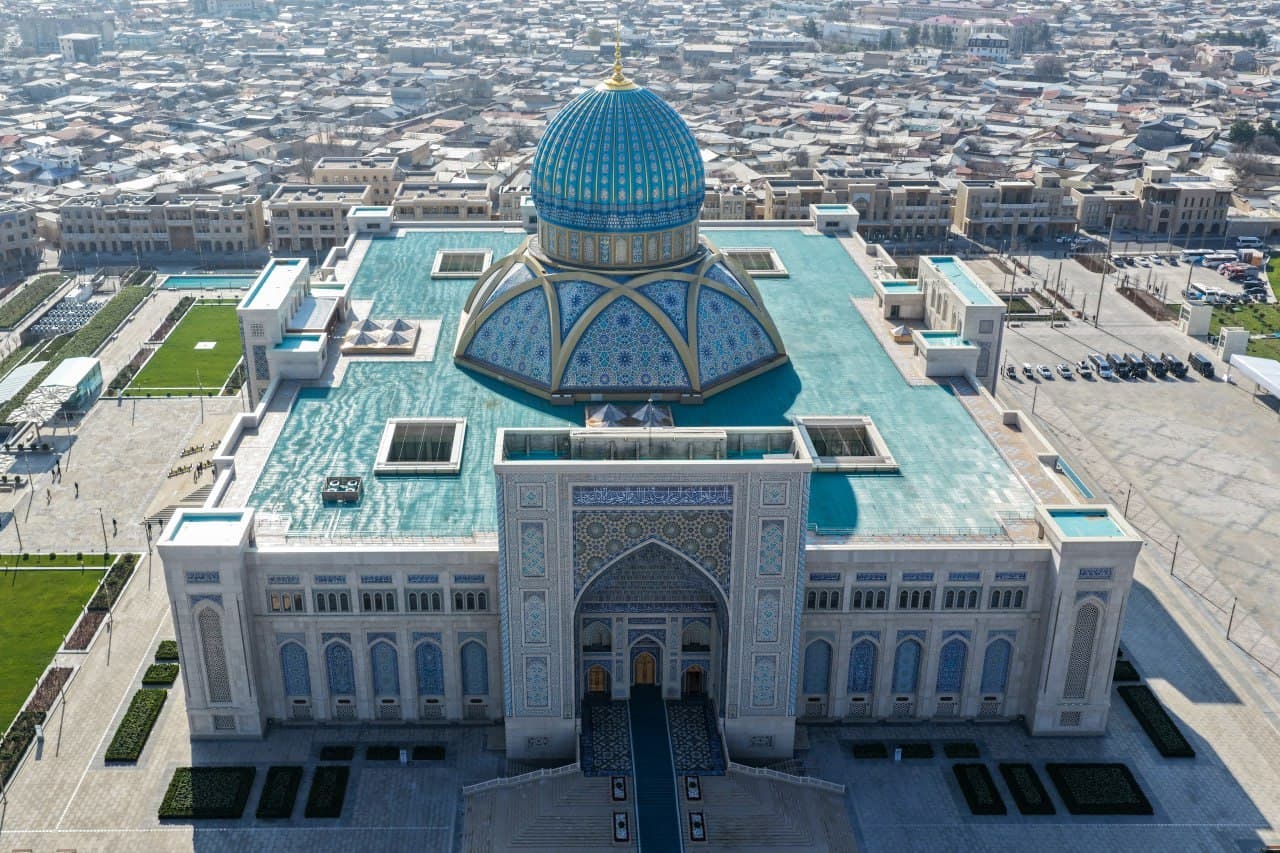
The Center is built based on ancient and national architectural traditions. Detailed information was provided about ceramic samples from the Timurid era, fragments of the large Uthman Quran copied during the time of Amir Temur, pieces of ceramic tiles related to architectural monuments of the Timurid period, as well as weapons from the Baburid era—helmets, shields, swords, and armor fragments. Notably, among the Center’s interactive exhibitions, the section dedicated to the history of the Great Silk Road and its role in the development of civilizations vividly presents trade routes, cultural exchanges, and connections between peoples through modern multimedia tools, leaving a strong impression on visitors.
At the same time, special attention is given in the exhibitions to the development of New Uzbekistan. Interactive information is presented about the reforms being implemented in the country and achievements on the international stage, including Olympic champions. Models reflecting the перспективные направления развития New Uzbekistan, modern architecture, and innovative technologies demonstrate a distinctive modern approach.
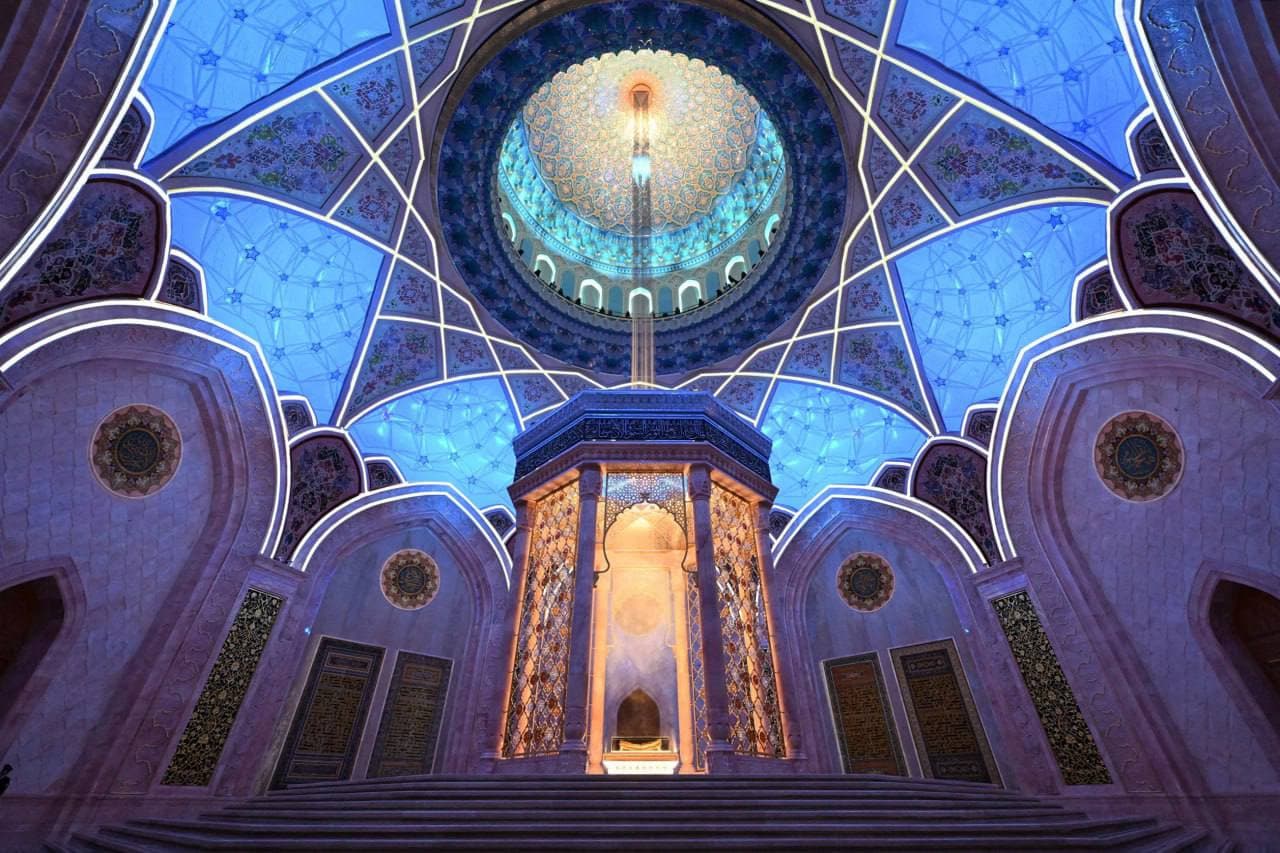
It should be noted that the Center of Islamic Civilization, in terms of its scale and coverage, is one of the largest complexes in the world aimed at studying and promoting the history, culture, and civilizations of Islam. It is built on a 10-hectare area within the famous Hazrati Imam complex in Tashkent. The building consists of three floors, with a length of 161 meters and a width of 118 meters. The dome height is 65 meters, and the total usable area exceeds 42,000 square meters. The Center also provides opportunities to ознакомиться with:
• unique manuscripts and ancient sources;
• their preservation and restoration processes;
• digitization and scientific research activities;
• modern multimedia and virtual exhibitions.
During the spiritual journey, participants of the visit not only became closely acquainted with the life and activities of the great commander and statesman Amir Temur, his rich historical heritage and traditions of statehood, but also gained new knowledge, became spiritually enriched, and strengthened their sense of respect and pride in our national heritage.
It should be emphasized that such spiritual and educational visits play an important role in fostering devotion to national values, respect for historical heritage, and enhancing the moral maturity of civil servants.