
UniSat: sky is not the limit!
2025-11-04 15:30:00 / News
TASHKENT, November 3, 2025. UNICEF, Tech4Impact, and the Agency for Space Research and Technology under the Ministry of Digital Technologies of the Republic of Uzbekistan reviewed the outcomes of their joint UniSat program in Uzbekistan.
According to the World Economic Forum’s 2025 The Future of Jobs report, expanding access to digital technologies is among the most transformative forces shaping the global labor market. The demand for technological competencies—such as artificial intelligence, big data, and overall digital literacy—is steadily increasing, along with the need for professionals in renewable energy and environmental engineering.
“Globally, women represent only 28 per cent of the STEM workforce and 35 per cent of STEM graduates. In Uzbekistan, this figure stands at 27 per cent. This is why the UniSat program is much more than just a satellite launch,” said Regina Castillo, UNICEF Representative in Uzbekistan. “It serves as a launchpad for dreams, future careers, and meaningful contributions to the advancement of science in Uzbekistan. The UniSat program inspires curiosity, builds self-confidence, and opens doors to opportunities that were once beyond reach,” she emphasized.
Since the launch of the UniSat program in 2021, more than one thousand girls from all regions of the country have had the opportunity to gain knowledge and skills in science, technology, engineering and mathematics (STEM). They have also developed teamwork, public speaking and time management skills. More than half (58.3 per cent) of the program participants in 2025 were girls aged 15–17.
In Uzbekistan, as in many other countries, a significant gap remains between boys and girls in computer literacy, technical education and career opportunities. According to UNICEF research, women and girls in Uzbekistan continue to choose traditionally female areas of study and employment, such as healthcare, education and services sector. The UniSat program helps to reduce this gap by expanding opportunities for girls to realize their potential in today’s technological world, thereby contributing to the implementation of initiatives of the Government of Uzbekistan.
“For the third consecutive year, the UniSat program has not only inspired girls to study space, robotics and programming, but also provided an opportunity to conduct real scientific experiments in the stratosphere. The projects developed by our participants — from biological research to the study of atmospheric pollution — showcase their high level of preparation and creativity. We see that girls in Uzbekistan have great potential in science and technology,” said Saida Yusupova, Director of Tech4Impact.
This year, the girls launched two 3U CubeSat nano satellites. Notably, for the first time in the history of the UniSat program, the nano satellites ascended into the stratosphere at an altitude of 27 kilometers. Together with biodiversity experts, participants conducted a series of biological experiments observing the effects of temperature, pressure and radiation changes on biological organisms.
The UniSat project has demonstrated that our country is raising a generation capable not only
of using technologies, but of creating them. UniSat is not only about assembling and
launching satellites – it is, above all, about creating a new reality where young women of
Uzbekistan confidently play significant roles in shaping the nation’s space industry”, said
Mukhiddin Ibragimov, Deputy Director of the Space Research and Technology Agency under
the Ministry of Digital Technologies of the Republic of Uzbekistan.
UniSat’s partner organizations called on government organizations, private sector, academic institutions, and civil society to work together on expanding opportunities for all girls in STEM. By providing mentorship and internship opportunities, resources, or financial support, more girls, particularly those from remote areas, will be empowered to pursue professional careers and take on leadership roles in science, technology, engineering, and mathematics.
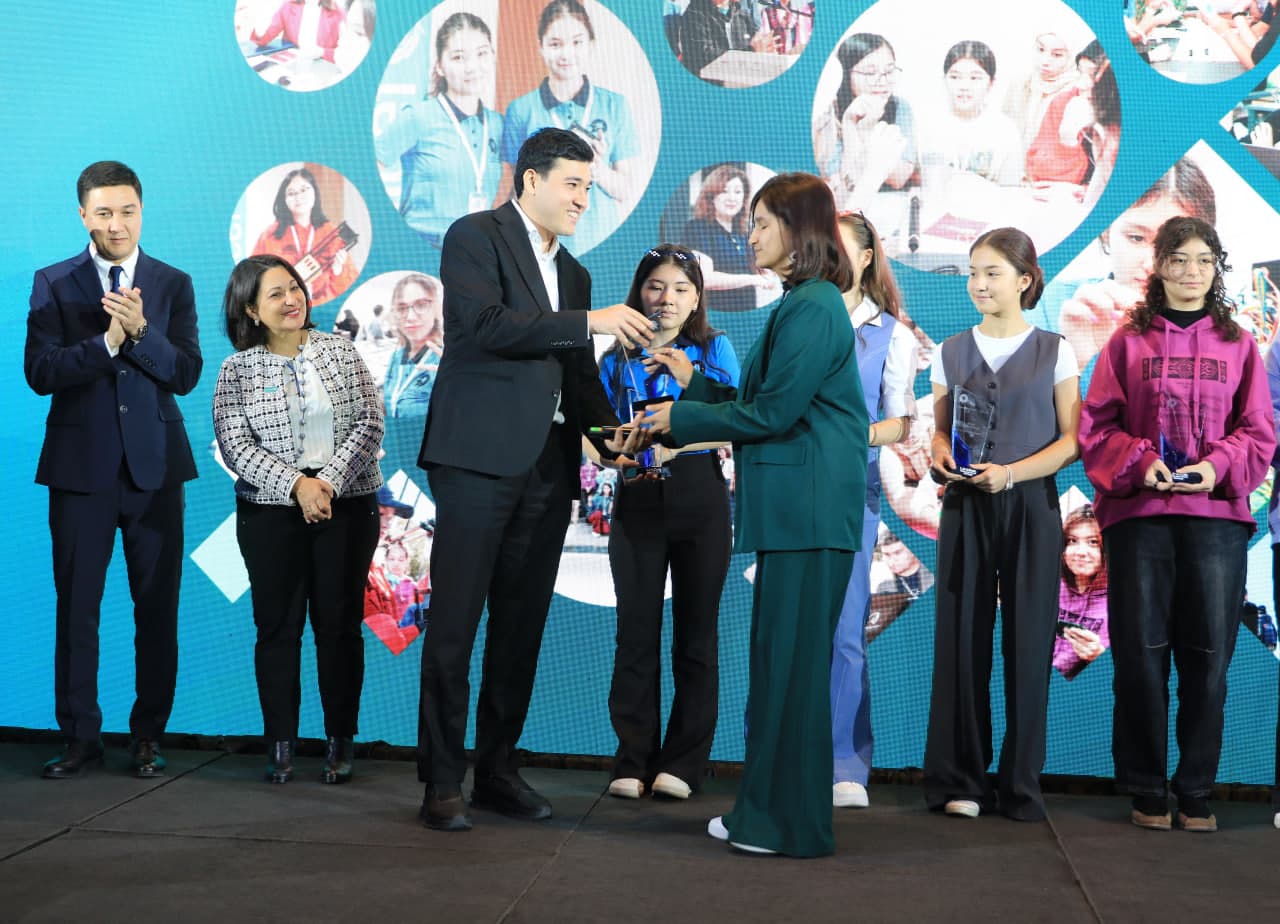
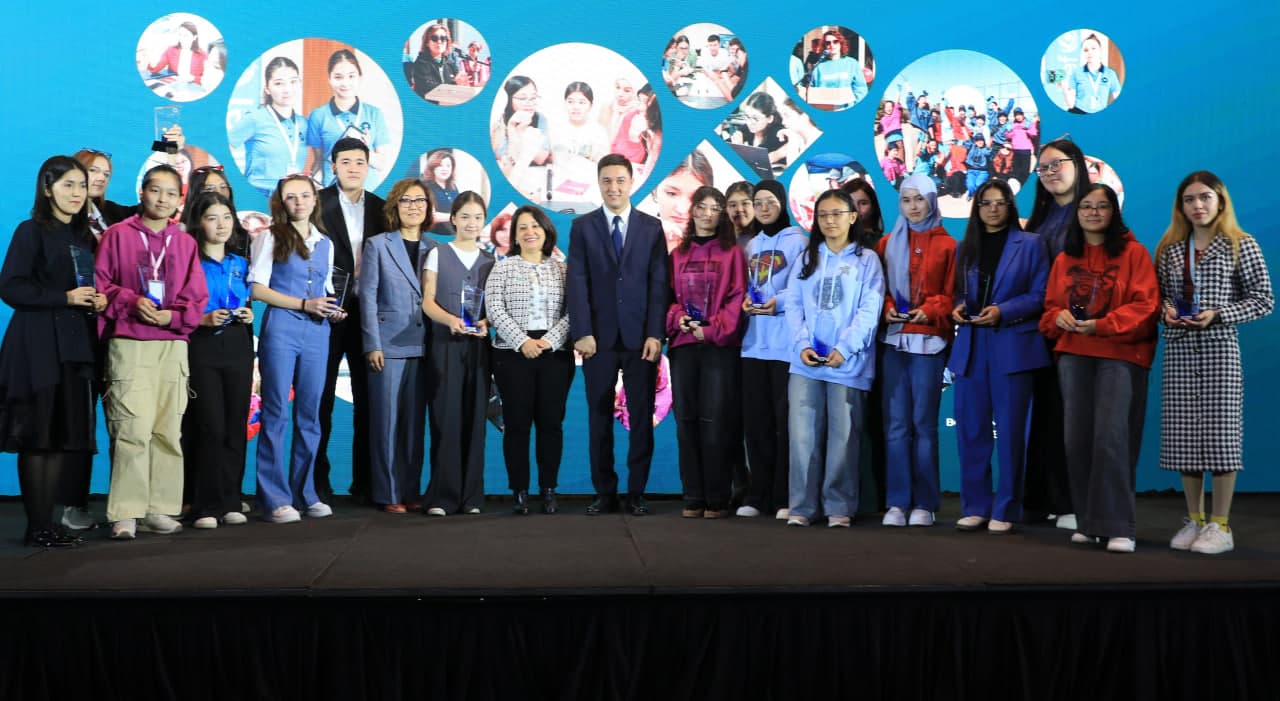
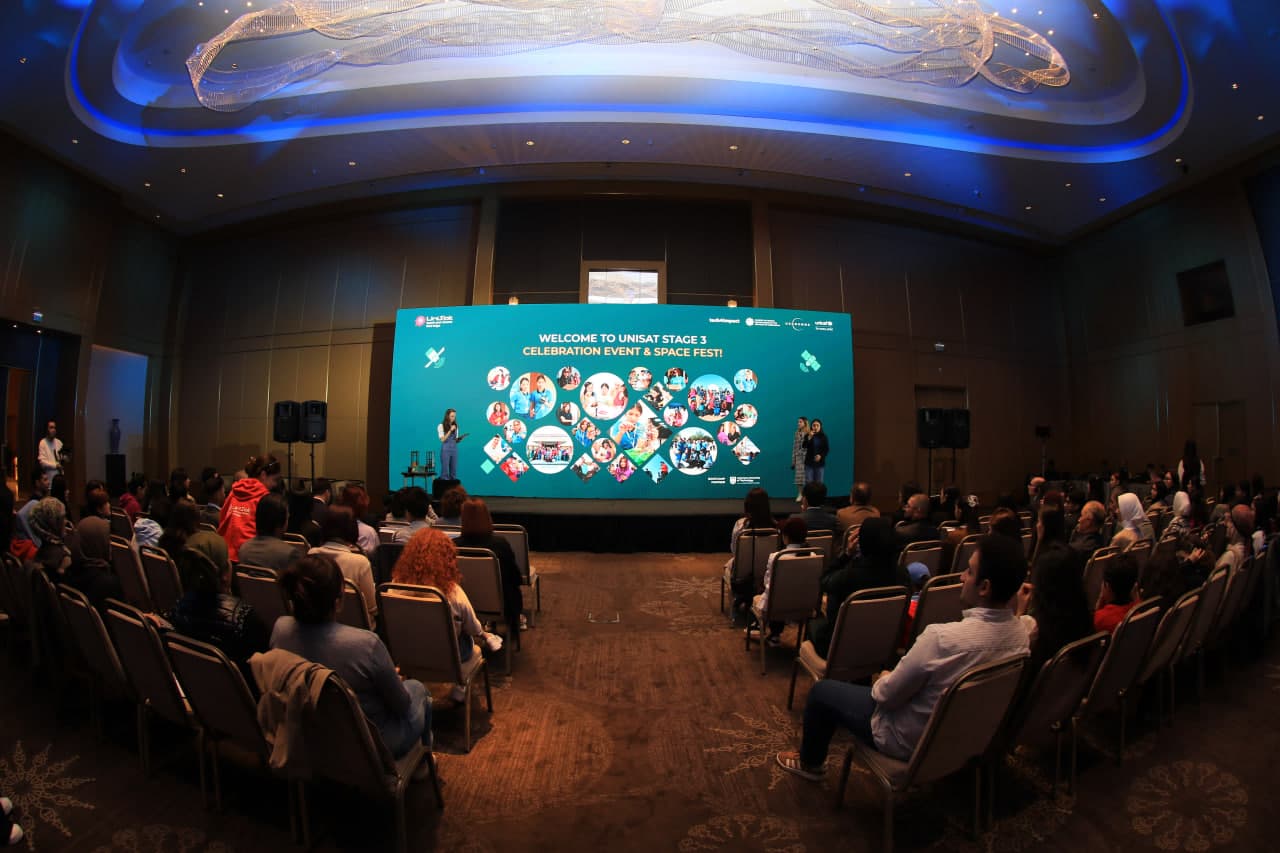
Today’s event celebrated the achievements of UniSat graduates through success stories from the program’s first cohorts and insights from private sector representatives on the growing career potential for girls in STEM across Uzbekistan. The event concluded with presenting certificates to all UniSat 3.0 participants and finalists.
For more information please contact:
|
Nodirbek Mukimov Press Secretary Space Research and Technology Agency Tel. 99893 548 03 15 Email: Nodirbek.mukimov.95@mail.ru
|
Elena Selezneva
|
|
Inna Wolfson Youth and Adolescents Development Officer UNICEF Uzbekistan Tel. 99893 505-5256 Email: iwolfson@unicef.org
|
Nargiza Egamberdieva Communication Officer UNICEF Uzbekistan Tel. 99893 380 34 19 Эл.почта:negamberdieva@unicef.org
|