
NASA Space Apps Challenge 2025
2025-10-06 12:25:00 / News
Every year, during the first ten days of October, major space-themed events are held around the world.
Why this particular time? On October 4, 1957, the former Soviet Union was one of the first to launch a satellite into space, and on October 10, 1967, the United States, Great Britain, and the Soviet Union signed an international treaty on this topic. Based on this, in 1999, the UN General Assembly adopted a resolution to celebrate World Space Week.
For nearly 26 years, this date and related events have been widely celebrated in many countries around the world. At the initiative of the Uzbekcosmos Agency, which is engaged in space research and technology in our country, this year's World Space Week is also being celebrated on a large scale in Uzbekistan.
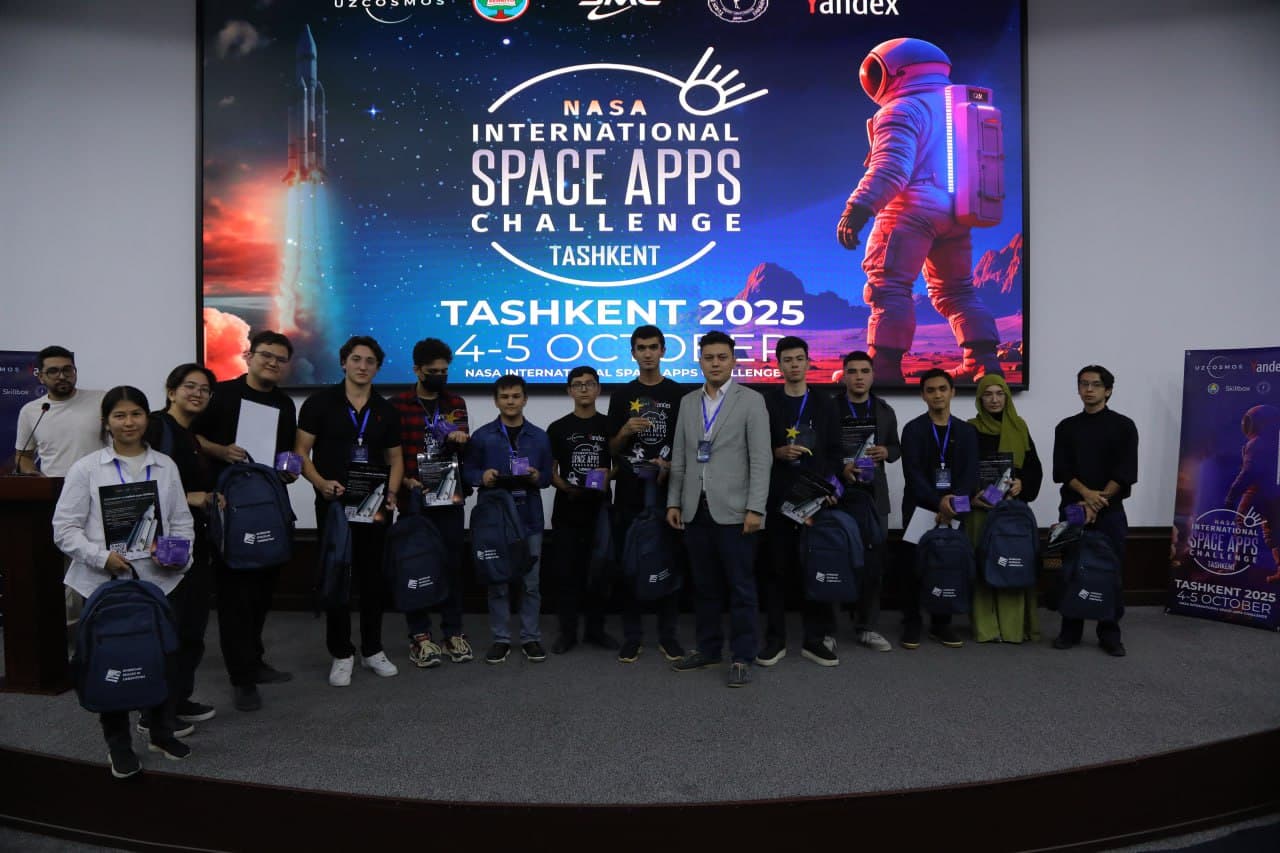
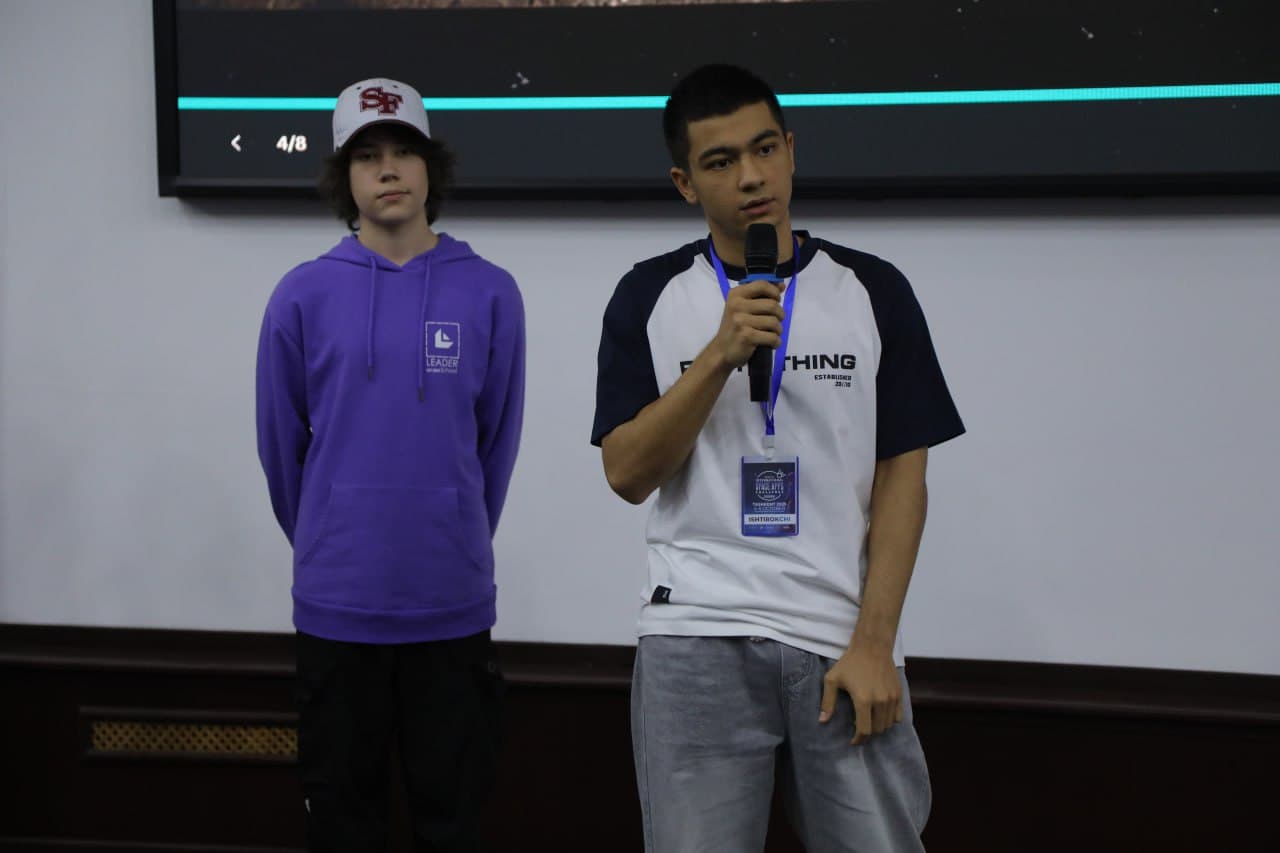
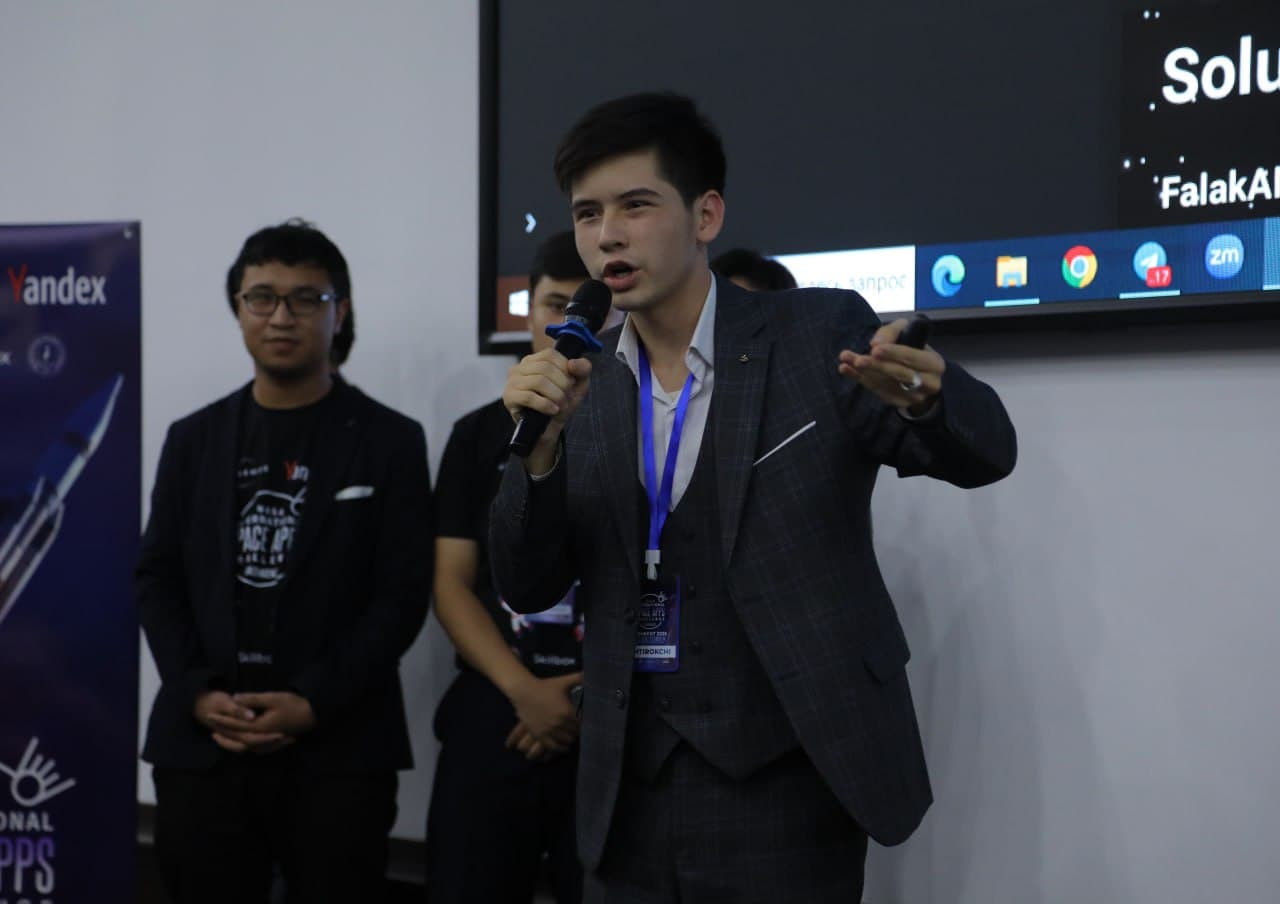
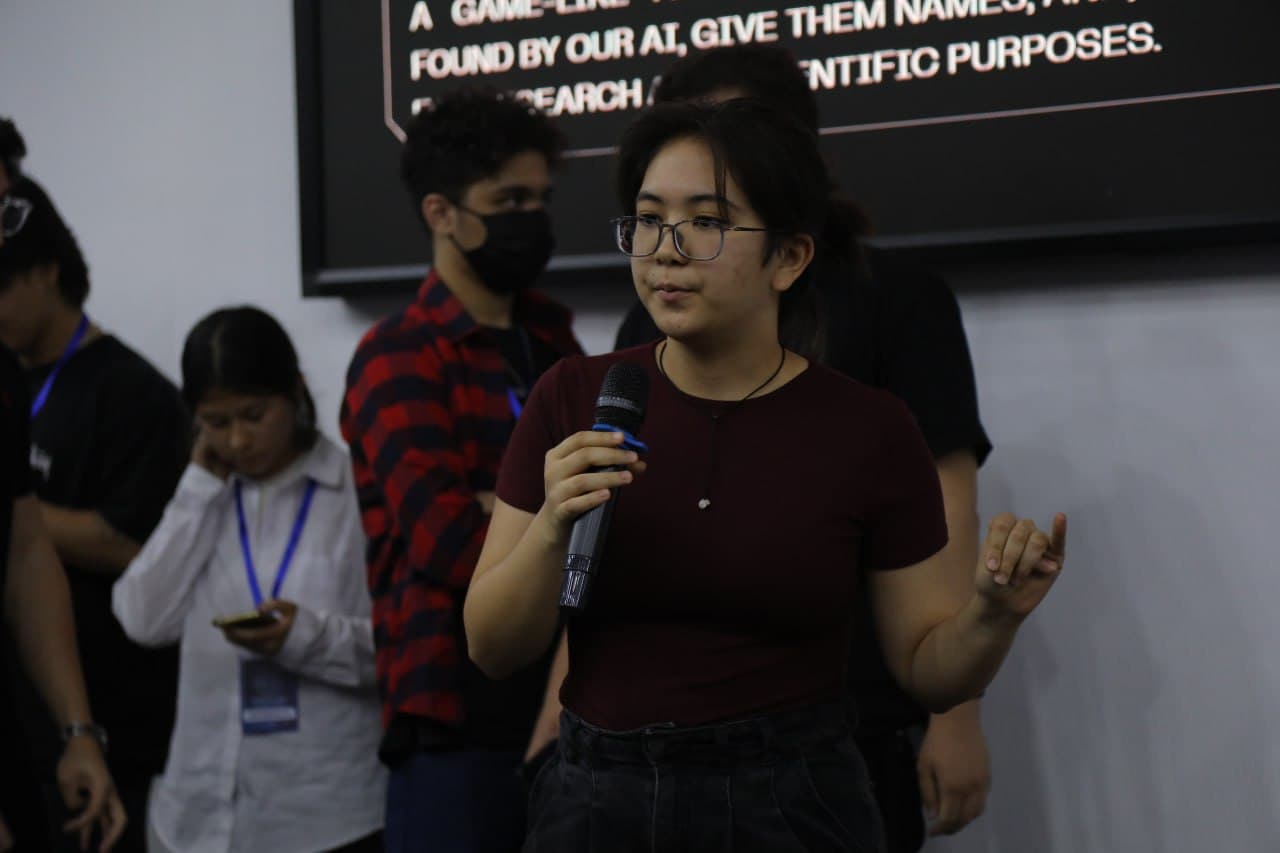
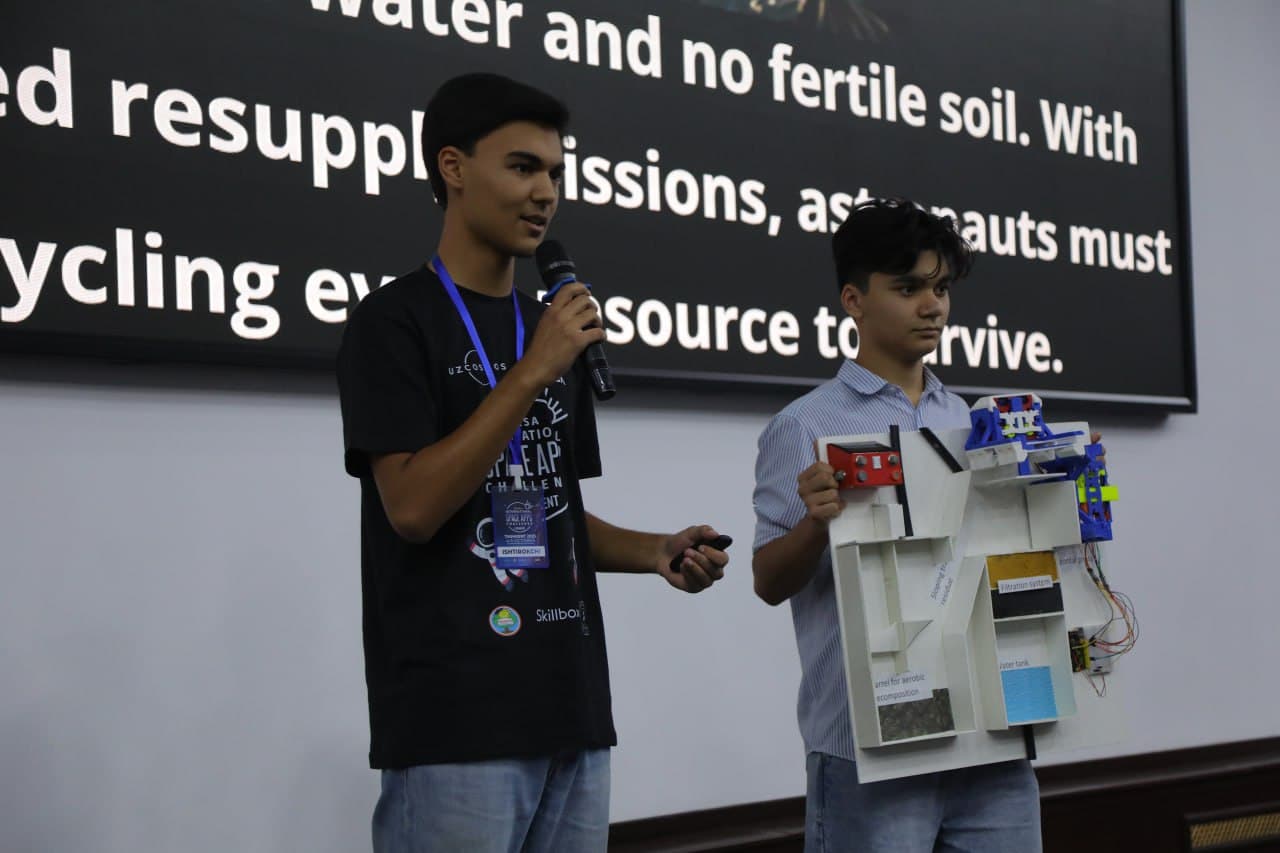
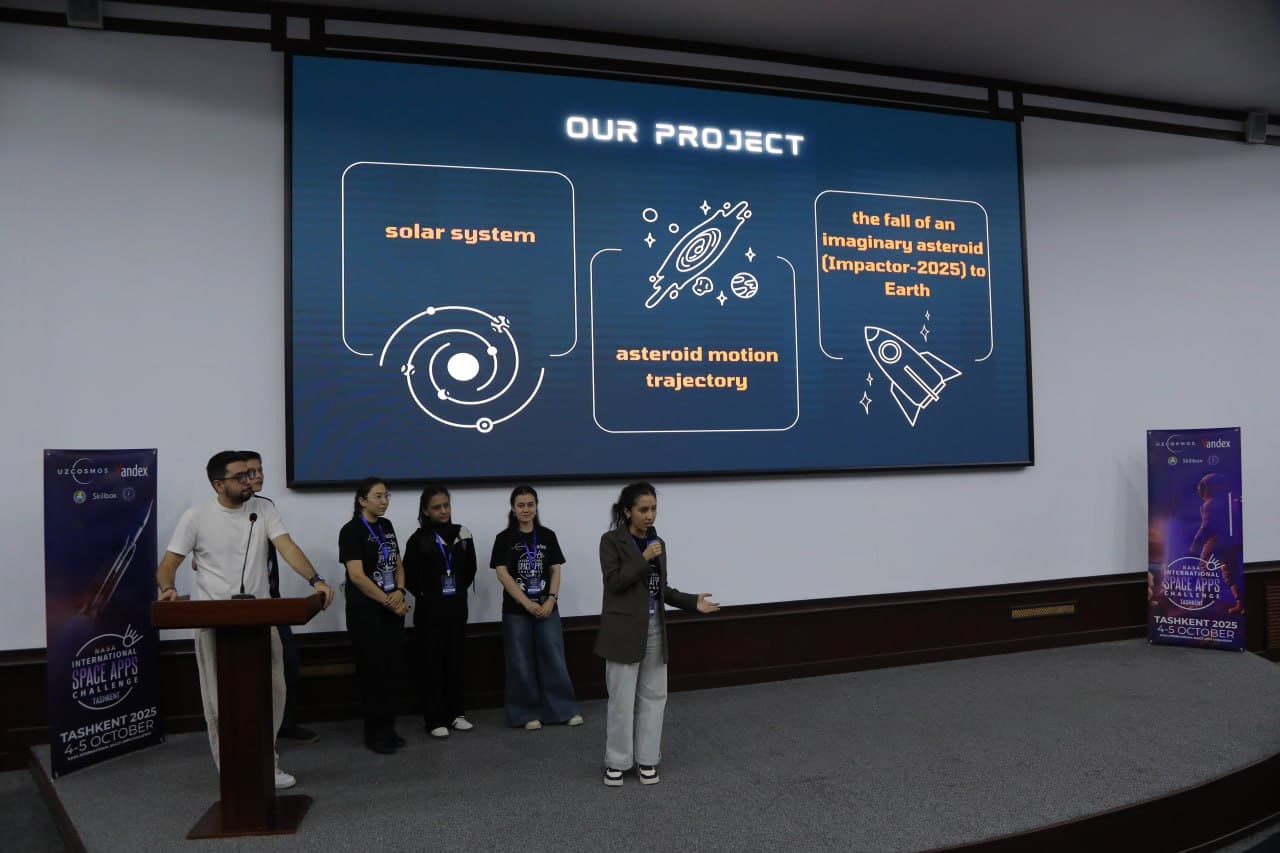
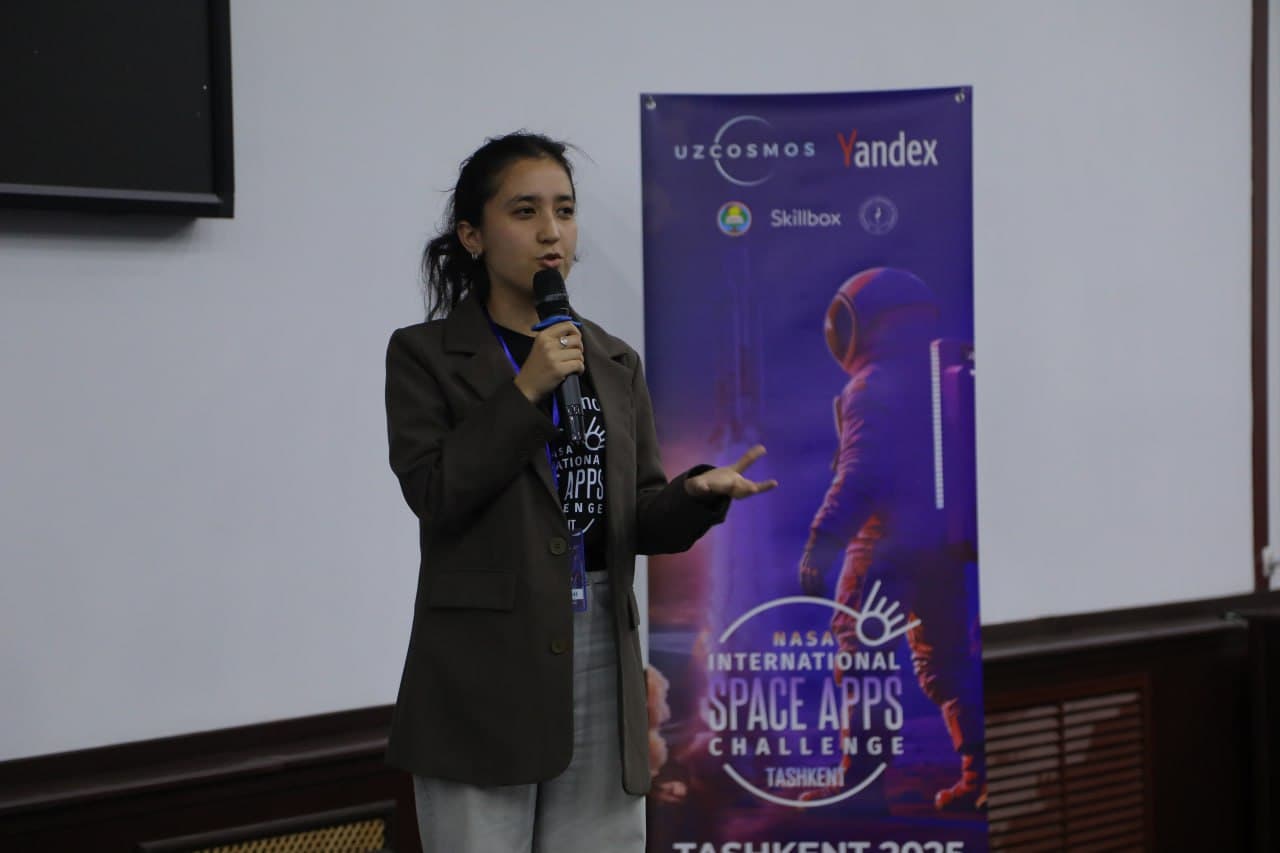
Specifically, on October 4-5, at the Turin Polytechnic University in Tashkent, Uzbekcosmos, in partnership with NASA, held the international NASA Space Apps Challenge 2025 hackathon. More than 200 young people passionate about cosmonautics and astronomy participated, divided into more than 50 teams. Participants developed their own solutions and creative projects across 19 topics in fields such as data processing, space technology, and STEM. This helped them showcase their talents, develop creative thinking, propose unique ideas, and work on relevant NASA challenges.
Following the final judging, three teams emerged as local winners: Eclipsar, Yggdrosil, and Triplesaj.
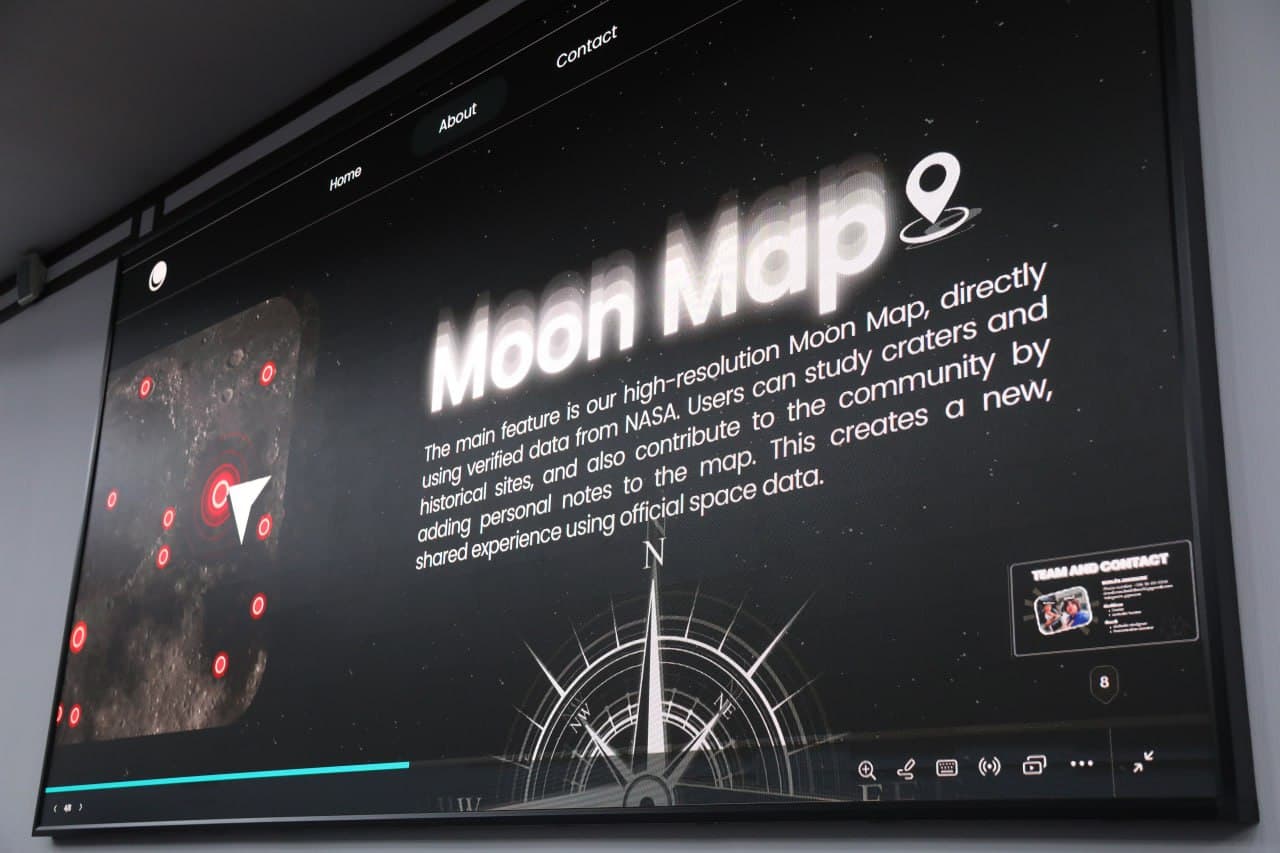
1. Access into Every Meter (Eclipsar) – a web platform that allows users to easily explore NASA satellite data and compare different map types by time and layer. This solution makes complex scientific data accessible to everyone, from researchers to students and schoolchildren.
2. Exoplanet AI (Yggdrosil) is the first platform combining open NASA data, artificial intelligence, and gamification. A trained neural network analyzes starlight curves (data from TESS, Kepler, and K2) and identifies exoplanets by calculating their physical parameters. Users can explore, name planets discovered by the AI, and participate in scientific challenges, making real-world astronomy accessible and engaging.
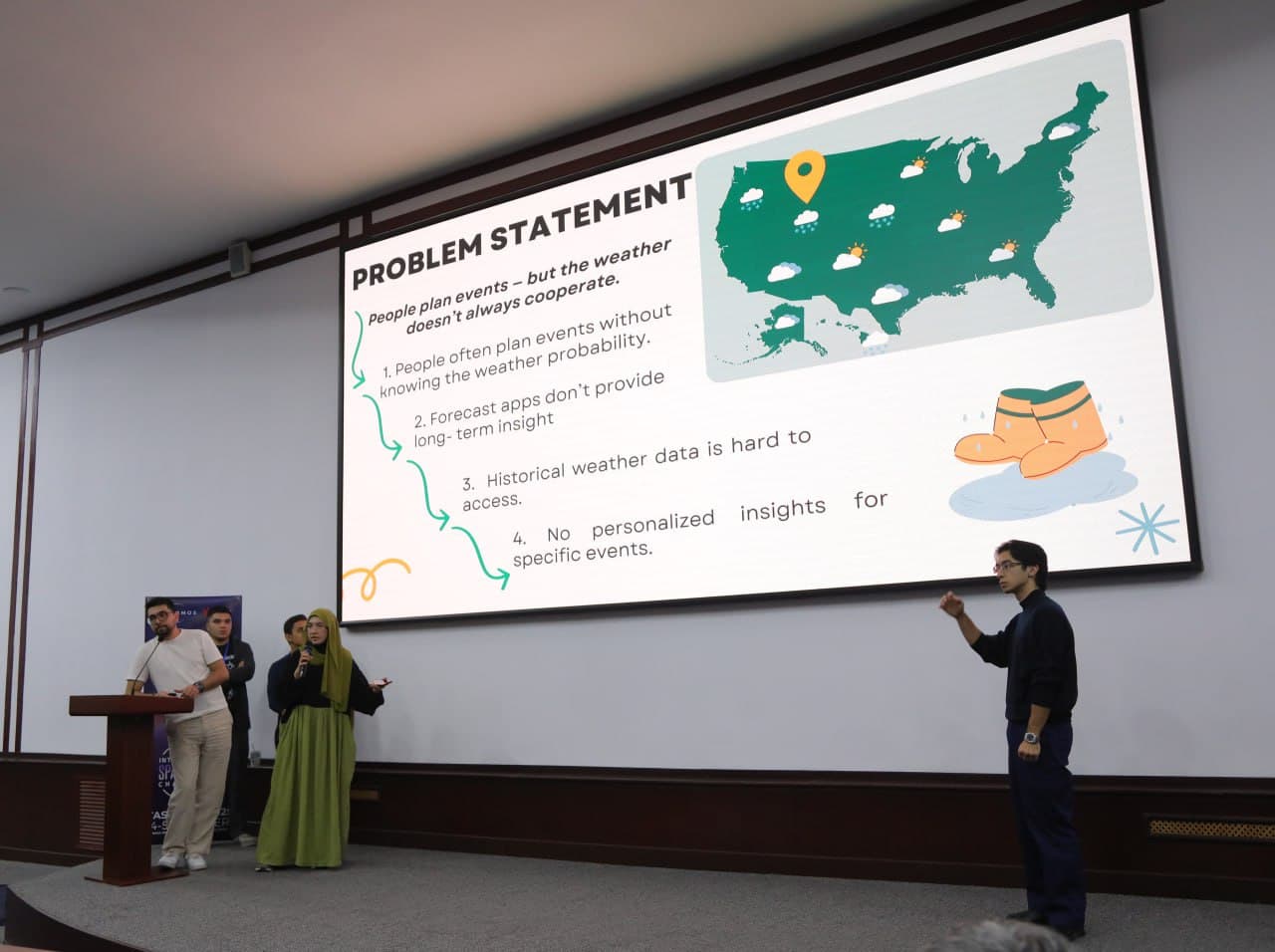
3. SmartWeather (Triplesaj) is an AI-powered web app for analyzing weather conditions when planning events and trips. The system uses NASA archival data (1999–2024) and Google Gemini AI to forecast weather in over 50 cities worldwide. Users select a city, date, and event type, and then receive a detailed weather analysis with recommendations from meteorologists and AI advice.
The Galaxy Elite, Wtwins, and Futurista teams also received additional awards. The winners received special statuettes and valuable prizes from partners, including "Alice" smart speakers.
It's worth noting that over 180,000 young people from over 160 countries participate in the NASA Space Apps Challenge annually. Our country has successfully participated in this hackathon for four years now, and Uzbek youth teams have repeatedly ranked among the top 50 best teams in the world.
The main goal of the international hackathon is to identify talented and proactive young people, support them, create opportunities for innovative thinking on global topics, and promote Uzbek youth projects on the global stage.
Press Service of the Uzbekcosmos Agency