
This season, more than 27 thousand hectares of fields were illegally burned in the republic.
2025-09-11 15:15:00 / News
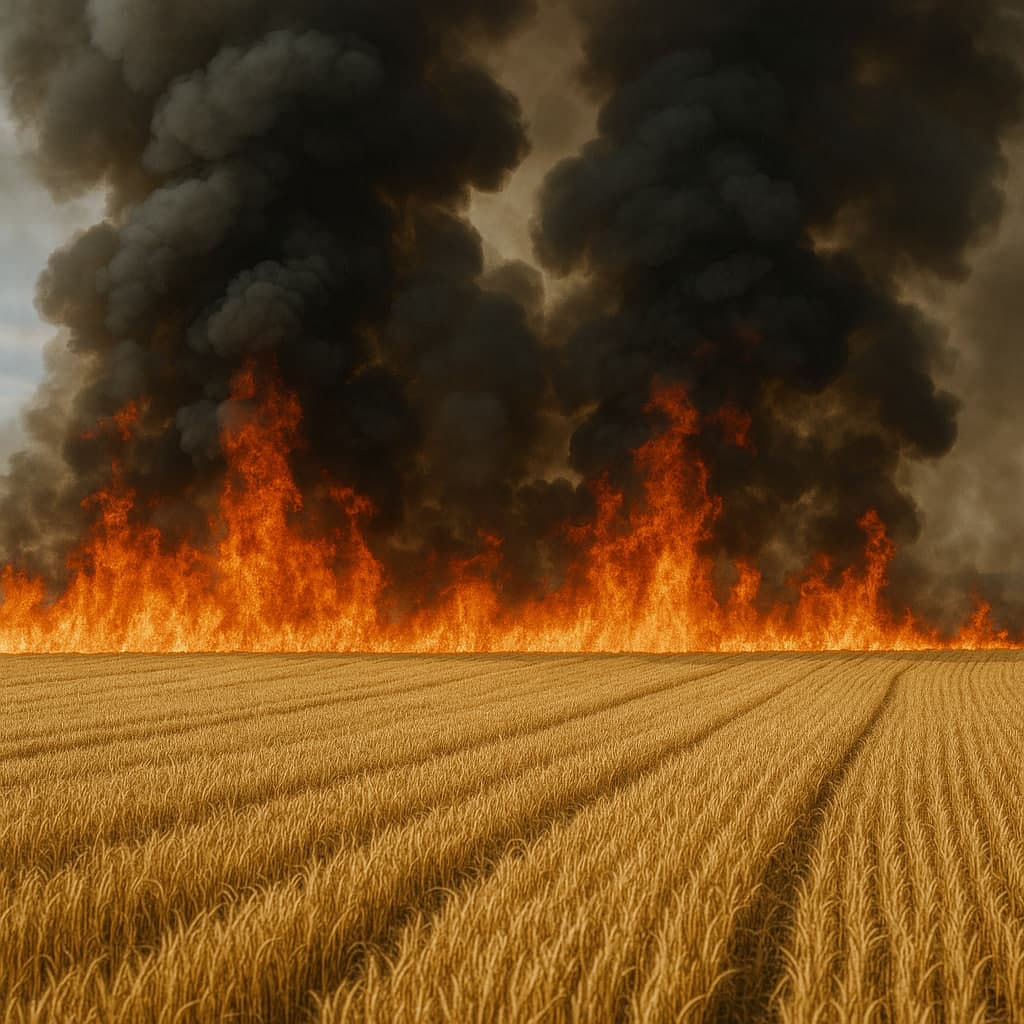

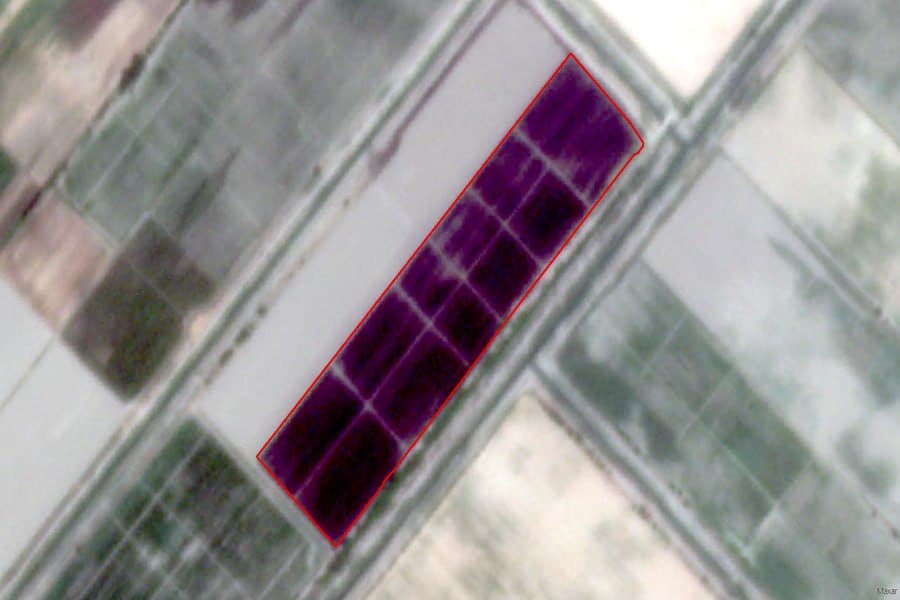
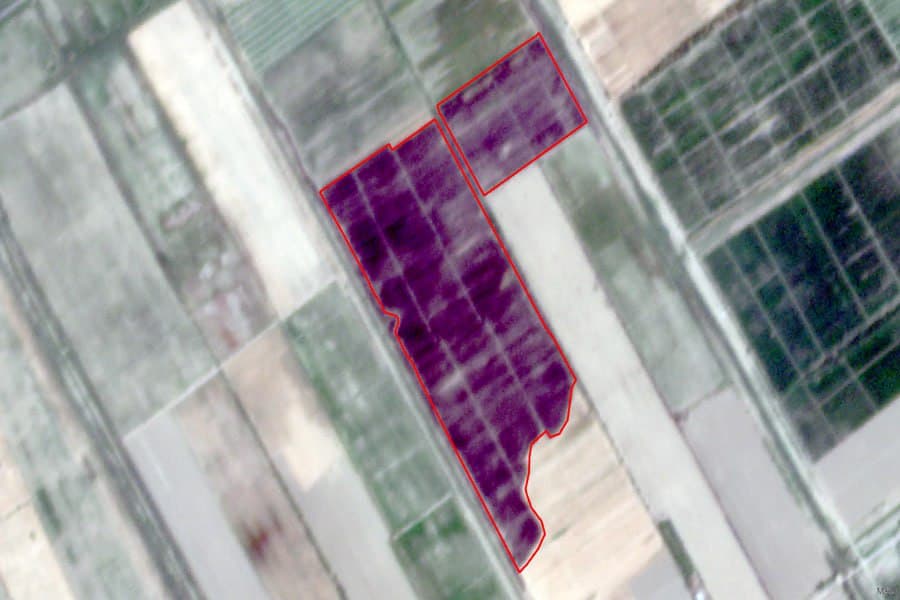
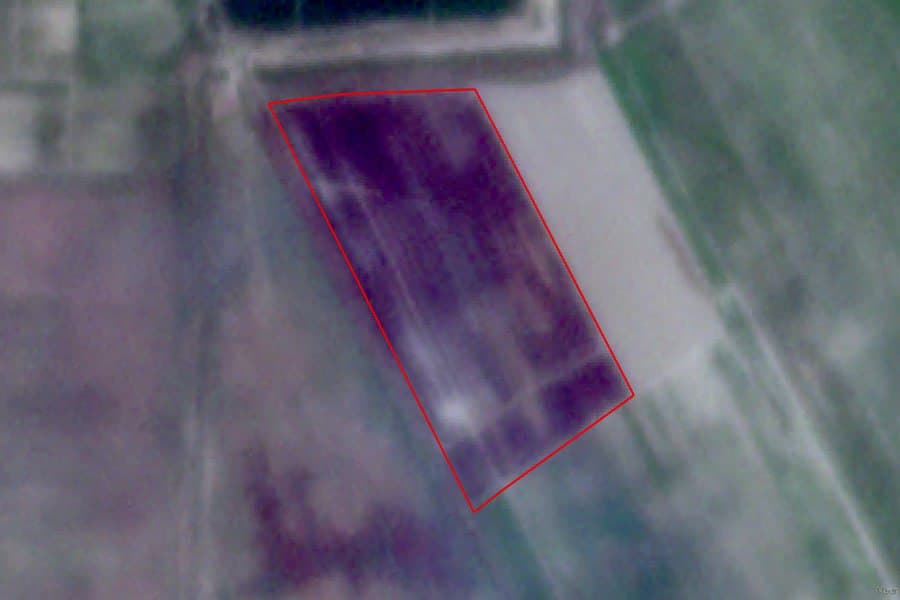
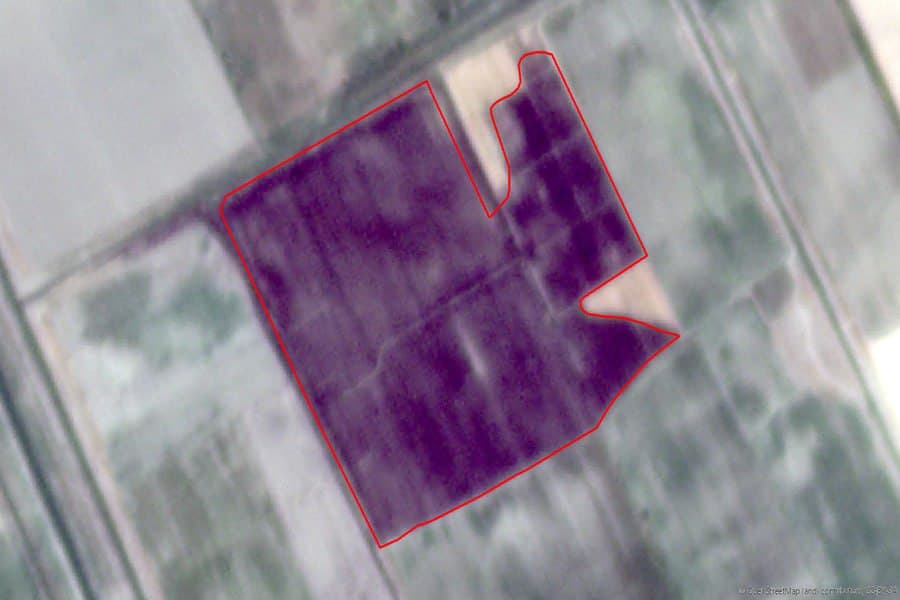
Within the framework of the state space monitoring program, the Uzcosmos Agency conducted analytical observations using satellite data on illegal burning of stubble on land cleared of grain from May to August this year.
According to it, more than 27 thousand hectares of potentially illegally burned areas were identified in 2,436 cases in 13 regions of the Republic. This figure was 31 thousand 542 hectares in 2024.
The distribution of areas this year is as follows:
1. 11,829 hectares in Tashkent region (870 cases)
2. 7,665 hectares in Andijan region (738 cases)
3. 2,104 hectares in Surkhandarya region (279 cases)
4. 1,542 hectares in Namangan region (110 cases)
5. 1,076 hectares in Samarkand region (143 cases)
6. 1,055 hectares in Syrdarya region (83 cases)
7. 904 hectares in Jizzakh region (61 cases)
8. 519 hectares in Fergana region (66 cases)
9. 256 hectares in Bukhara region (43 cases)
10. 99 hectares in Khorezm region (31 cases)
11. 52 hectares in the Republic of Karakalpakstan (9 cases)
12. 14 hectares in Kashkadarya region (2 cases)
13. 8 hectares in Navoi region (1 case)
Within the framework of state space monitoring, the area with the highest number of field fires was recorded as Tashkent region. The lowest level was in Navoi region. In 2024, Tashkent region was in first place in terms of the number of illegal cases.
It should be noted that the analysis conducted by the Uzcosmos agency also identified areas that were identified in 2024 and have been repeatedly burned this year. They are
73 in Tashkent region, 47 in Surkhandarya region and 13 in Samarkand region.
Another important aspect is that from this year, the Uzcosmos agency has also launched a new open portal https://dalayongini.cmspace.uz, which allows online monitoring of field fires.
In addition, a special @UzCosmos_Yongin_bot has been created to raise awareness of such negative situations. Through it, those who witnessed field fires were able to send photos and addresses to the agency in real time.
We remind you that when a 1 hectare area of cereal stalks is burned, 500 grams of nitrogen oxide, 379 grams of hydrocarbons, 3 kg of ash, 20 kg of carbon monoxide and carbon monoxide (CO) are released into the atmosphere. This leads to consequences such as the occurrence of tuberculosis and cancer in the human body, environmental pollution, and a decrease in soil fertility.
Uzbekcosmos Agency Information Service