
In Japan, Uzbek youth have begun creating the country's first national scientific satellite.
2026-03-05 14:10:00 / News
For the first time in the history of Uzbekistan, the process of creating a national scientific satellite has begun. This is considered a strategic step for the development of the country’s space and technological sectors.
In recent years, the issue of space technologies in Uzbekistan has been elevated to the level of state policy. The demand for space-based data is steadily increasing in such areas as Earth remote sensing, climate monitoring, agriculture, and water resource management.
From this perspective, the initiative to create a scientific satellite is not a symbolic or PR project. On the contrary, it represents a practical necessity aimed at ensuring Uzbekistan’s long-term scientific and technological sovereignty.
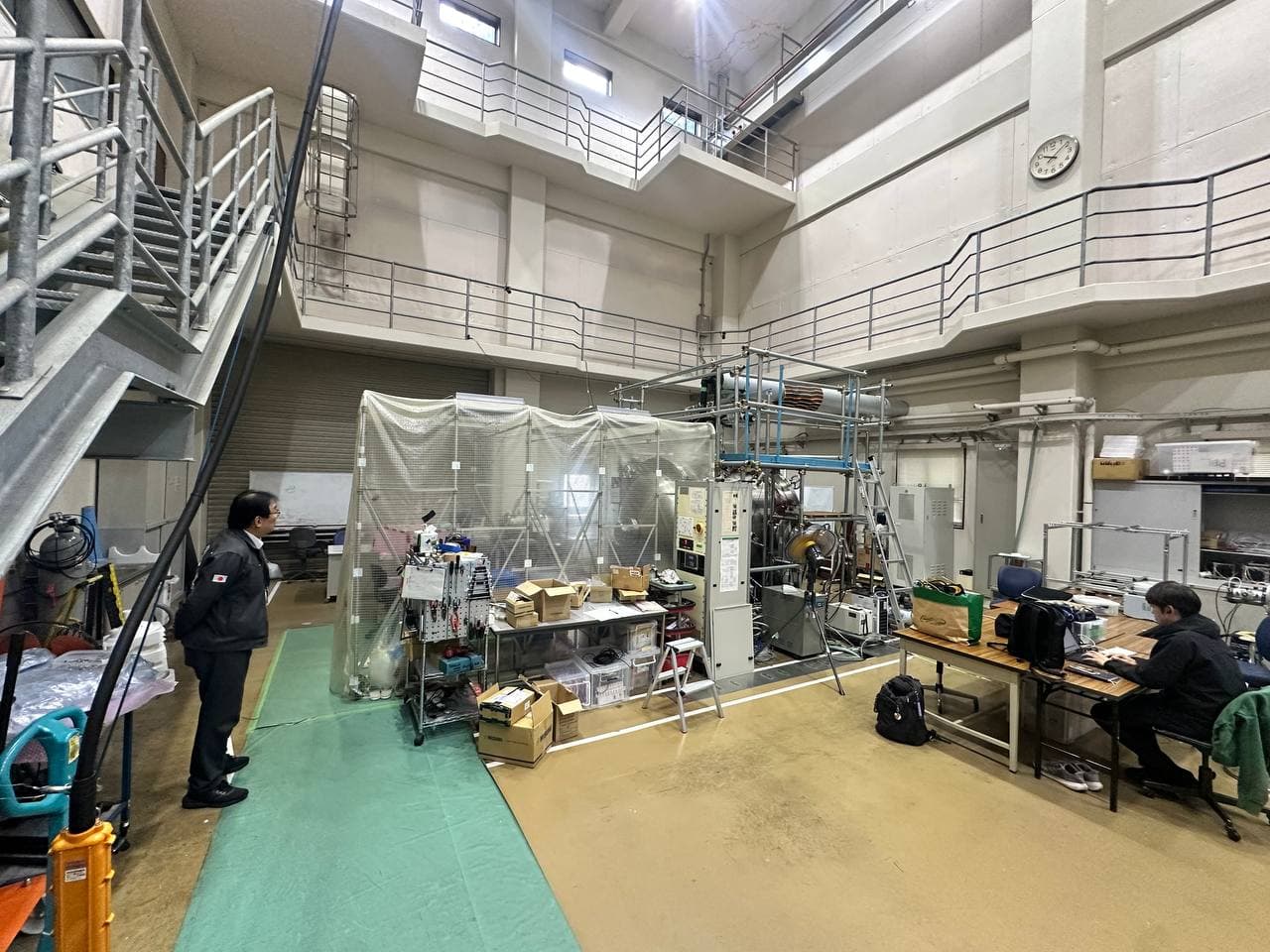
The implementation of this project by young engineers from Uzbekistan in Japan is also not a coincidence. The Land of the Rising Sun possesses one of the world’s leading schools in the development of small and medium-sized scientific satellites. In particular, space laboratories at universities are recognized as an effective model for training young engineers.
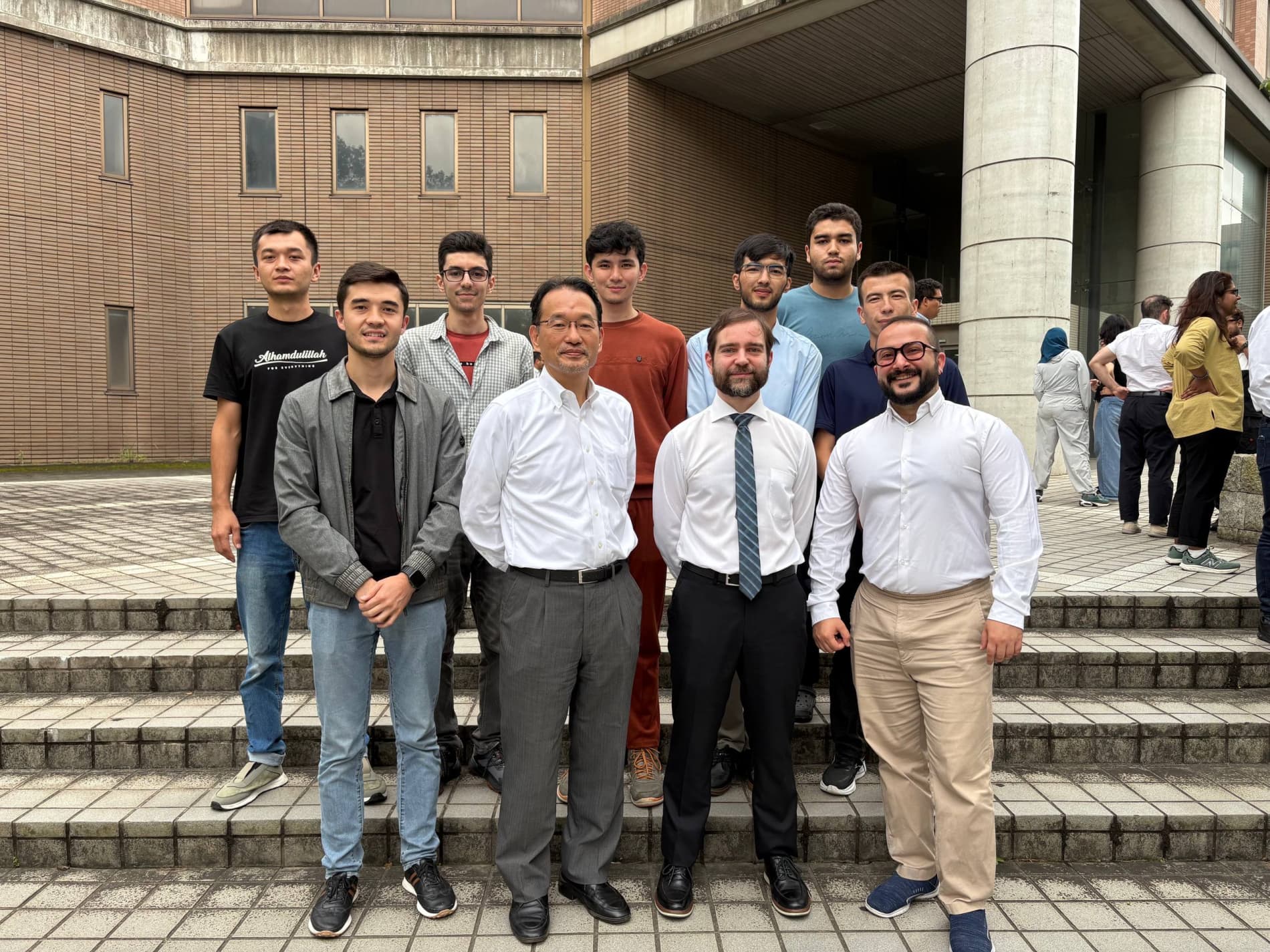
Taking these factors into account, the Uzbekcosmos Agency sent seven young engineers from Uzbekistan to study for a master’s degree on a grant basis at Kyushu Institute of Technology in October 2025.
The satellite is planned to be launched in 2028. It has been named “Mirzo Ulugbek” and will be launched into space as a scientific satellite in the 6U format. The satellite will perform tasks such as Earth remote sensing, scientific experiments, and testing of space technologies.
The purpose of this project is not only to create a technical device but also to develop human capital. Within the framework of the comprehensive program, students sent to Japan for master’s studies are considered an important part of this process.
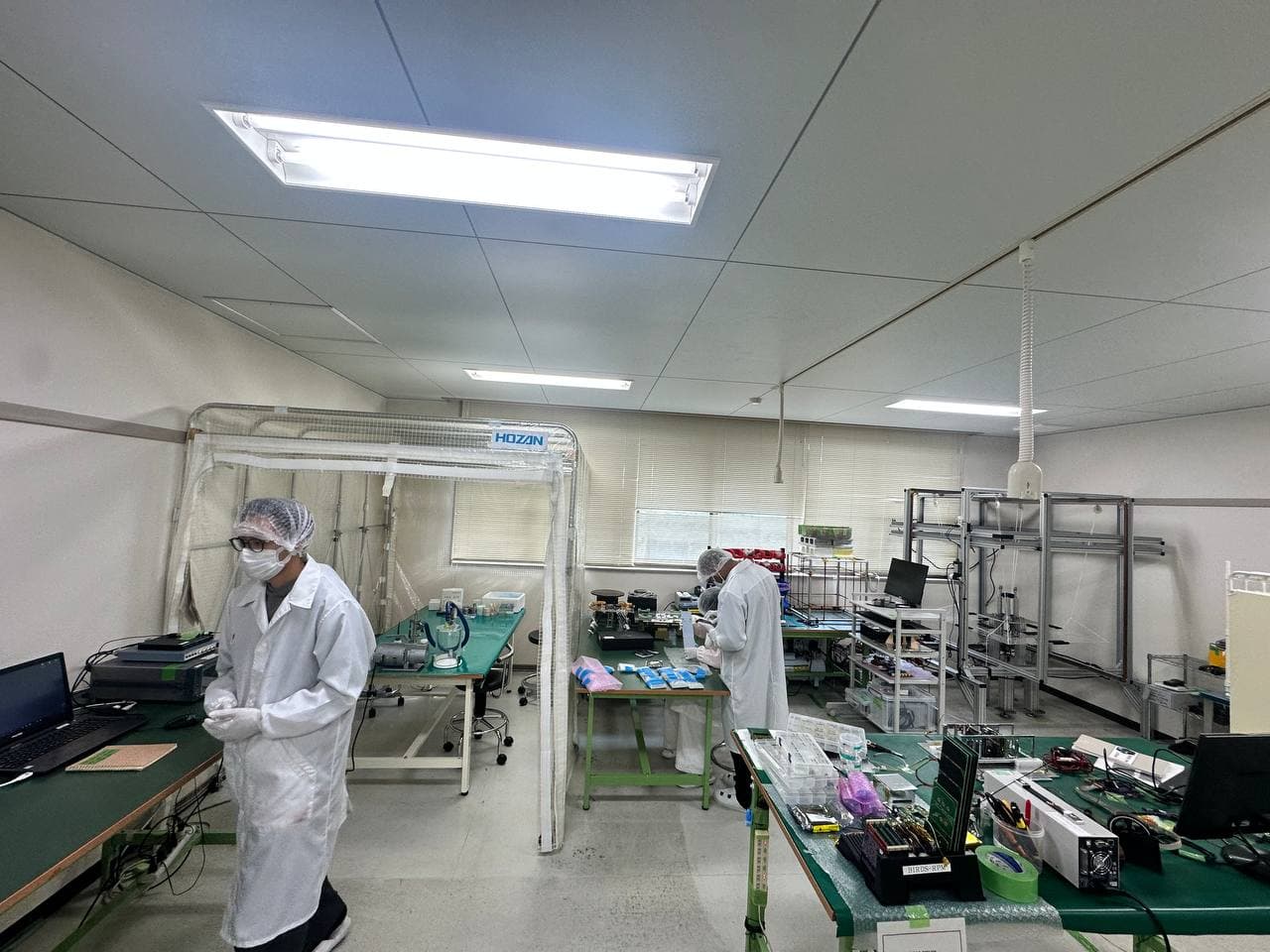
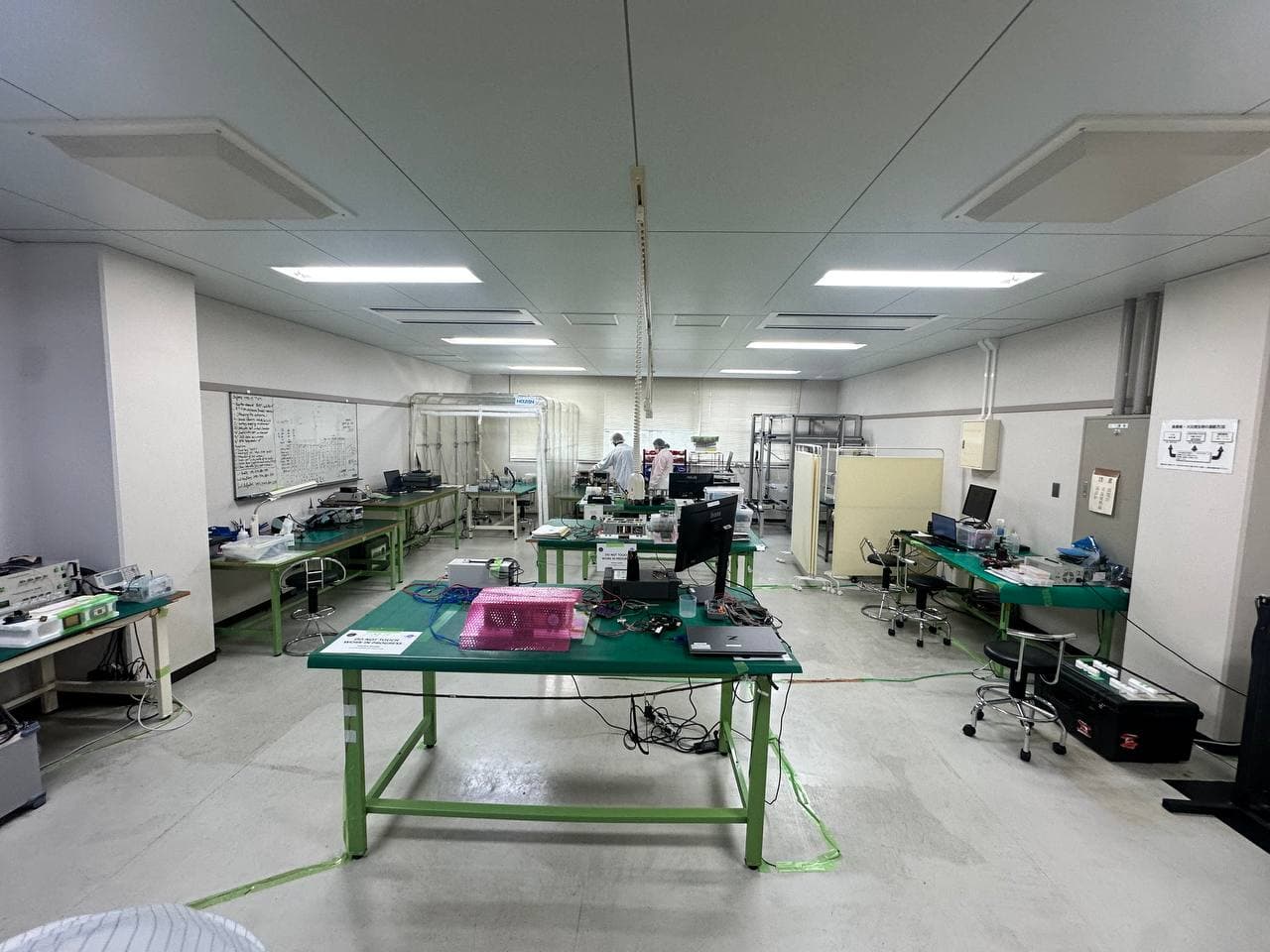
Within the framework of the project, young specialists from Uzbekistan are directly involved in the design, assembly, testing, and operation of the satellite. This is an even more important outcome than the final product itself, as it enables the formation of a national school for training space professionals. In other words, Uzbekistan is moving toward a model of long-term technological sovereignty, gradually forming its national space industry.
The main responsibilities of the seven space engineers from Uzbekistan are as follows:
Muhammadsolih Adxamjonov — Young Engineer
— Within this project, I am working on the satellite’s communication subsystem. Its main task is to ensure stable and efficient communication between the satellite and the ground station.
Abbosxo‘ja Akramov — Young Engineer
— In the scientific satellite project, I am working on developing software for controlling the satellite from the ground station. I am also involved in designing and integrating the onboard board that connects the satellite’s subsystems electrically and mechanically. My responsibilities include software development, coordination of subsystems, and ensuring their stable and integrated operation.
Habibulloh Azimjonov — Young Engineer
— In this project, I am working on designing the satellite’s structure and ensuring its thermal stability. This includes the design and analysis of space equipment, studying loads during launch, vibrations, shocks, and mechanical stresses in space. I also work on ensuring that satellite components operate within a safe temperature range under extreme hot and cold conditions in space.
Ahmadillo Sayfullayev — Young Engineer
— I am responsible for the On-Board Computer, which is the computer system inside the satellite. My main task is to control all satellite processes through the central computer. My responsibilities include developing and testing onboard software, processing data from internal systems, and ensuring stable communication with the ground station. I also monitor the system’s stable operation and ensure that any malfunctions are quickly detected and safely resolved.
Asilbek Shukurov — Young Engineer
— In this project, I am responsible for the Attitude Determination and Control System (ADCS). This system controls the satellite’s maneuvers, collects telemetry data, sends it to the main computer, and manages all motion-related components of the satellite. One of my key tasks is developing software and algorithms for the ADCS equipment.
Burhan Uvraimov — Young Engineer
— In this project, I am responsible for the satellite’s cameras and the system used to obtain space imagery. My main tasks include ensuring the stable operation of the cameras, capturing clear images of the Earth, and transmitting them. I also verify the compatibility of the cameras with the onboard computer and other satellite systems.
Shoxruxbek Yunusov — Young Engineer
— I am responsible for the Electrical Power System of the satellite. My primary task is to ensure that all modules of the satellite receive sufficient and stable energy. For this, it is necessary to select solar panels, calculate their power output, and determine the required battery capacity. In addition, my responsibilities include developing safe power distribution schemes, assembling and testing electronic boards, calculating energy stability, and ensuring proper operation of the system in all modes. After the CubeSat is launched into orbit, I will also monitor the power telemetry.
The scientific satellite is also expected to become an important platform for the country’s higher education system. Through this project, students and young scientists will have the opportunity to work with real space data. Practical research in engineering, applied physics, IT, and aerospace fields will develop, and opportunities to defend scientific developments at the international level will expand.
The beginning of the development of this scientific satellite is not only a technical process but also an important stage demonstrating the country’s scientific thinking and technological ambitions. Through this project, Uzbekistan is taking a step toward establishing itself as a nation that not only uses space technologies but also creates its own knowledge and innovations.
Press Service of the Uzbekcosmos Agency