
Proposals for launching satellite into space and training the first Russian cosmonaut were considered.
2026-02-16 17:45:00 / News
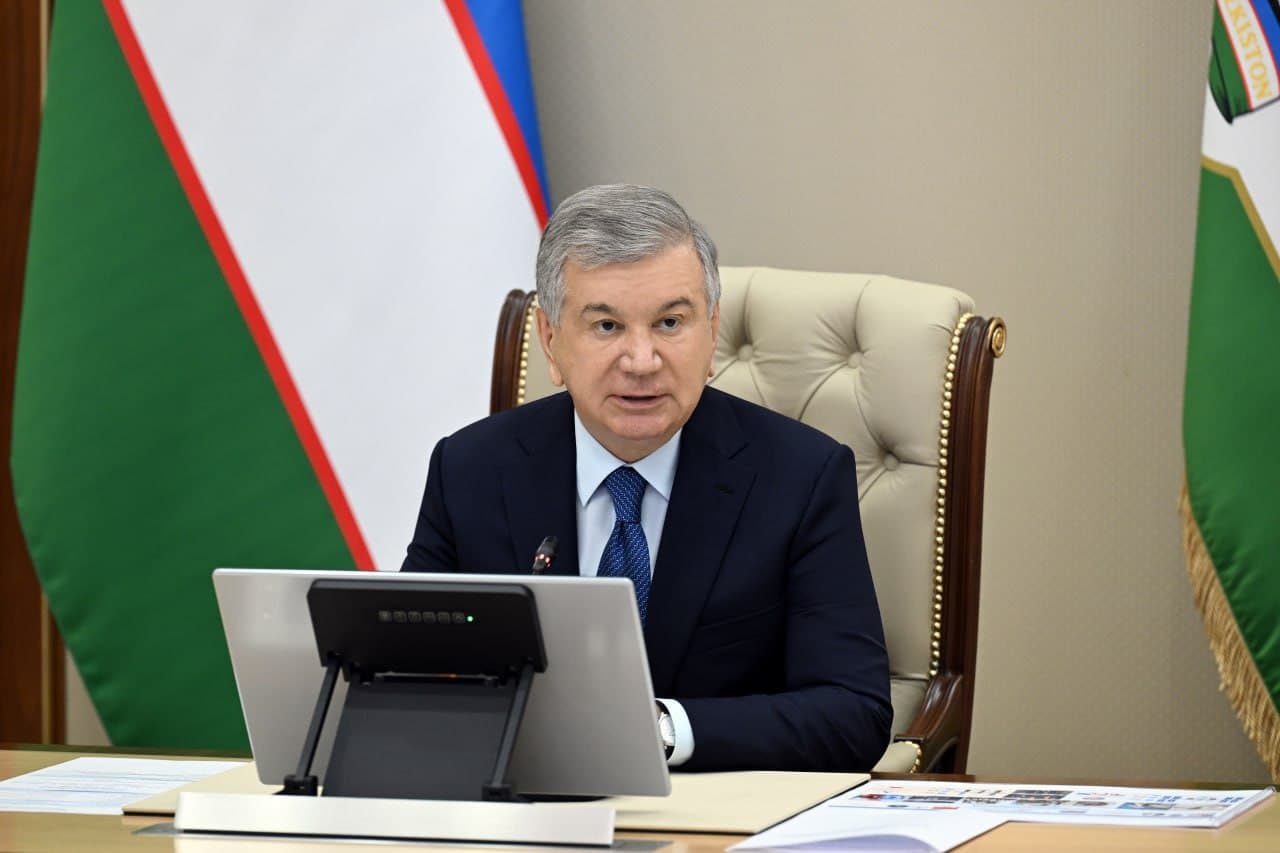
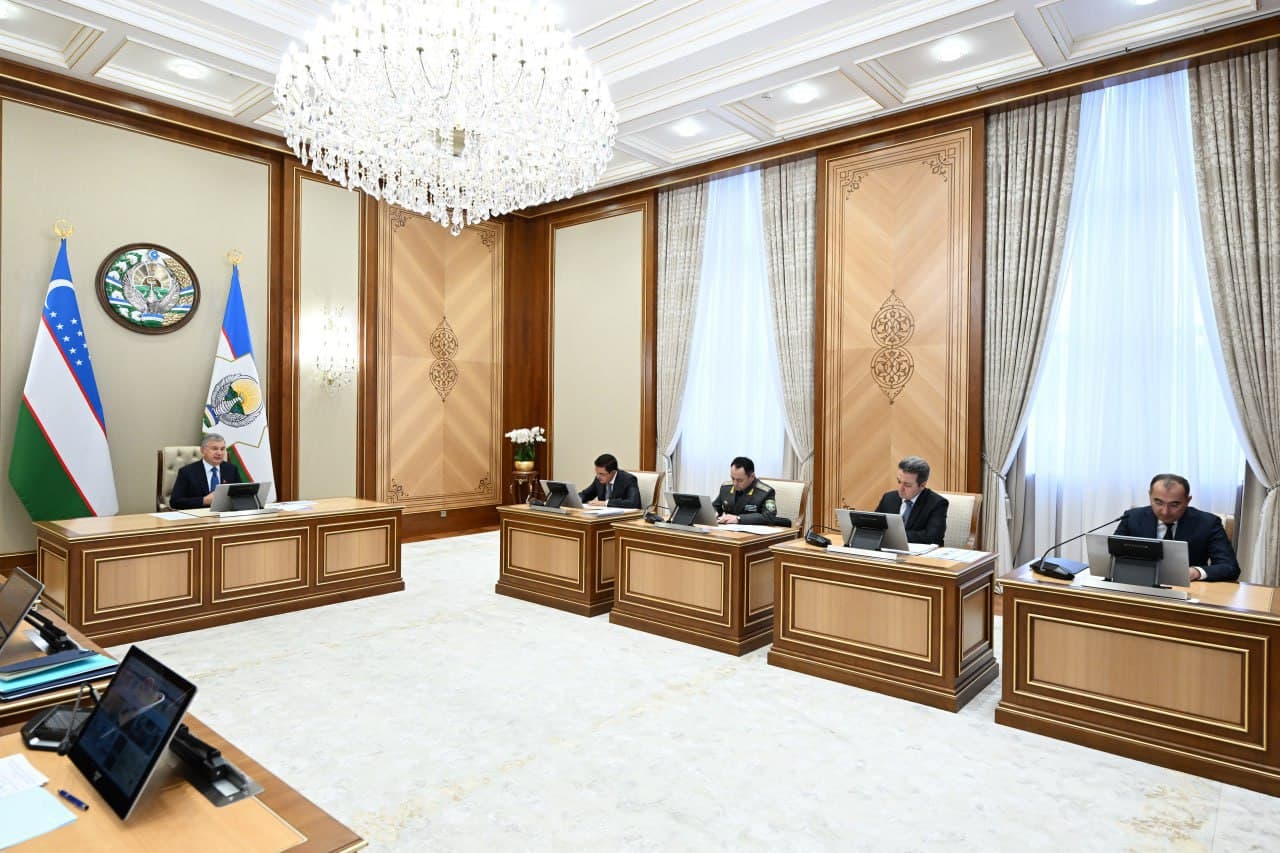
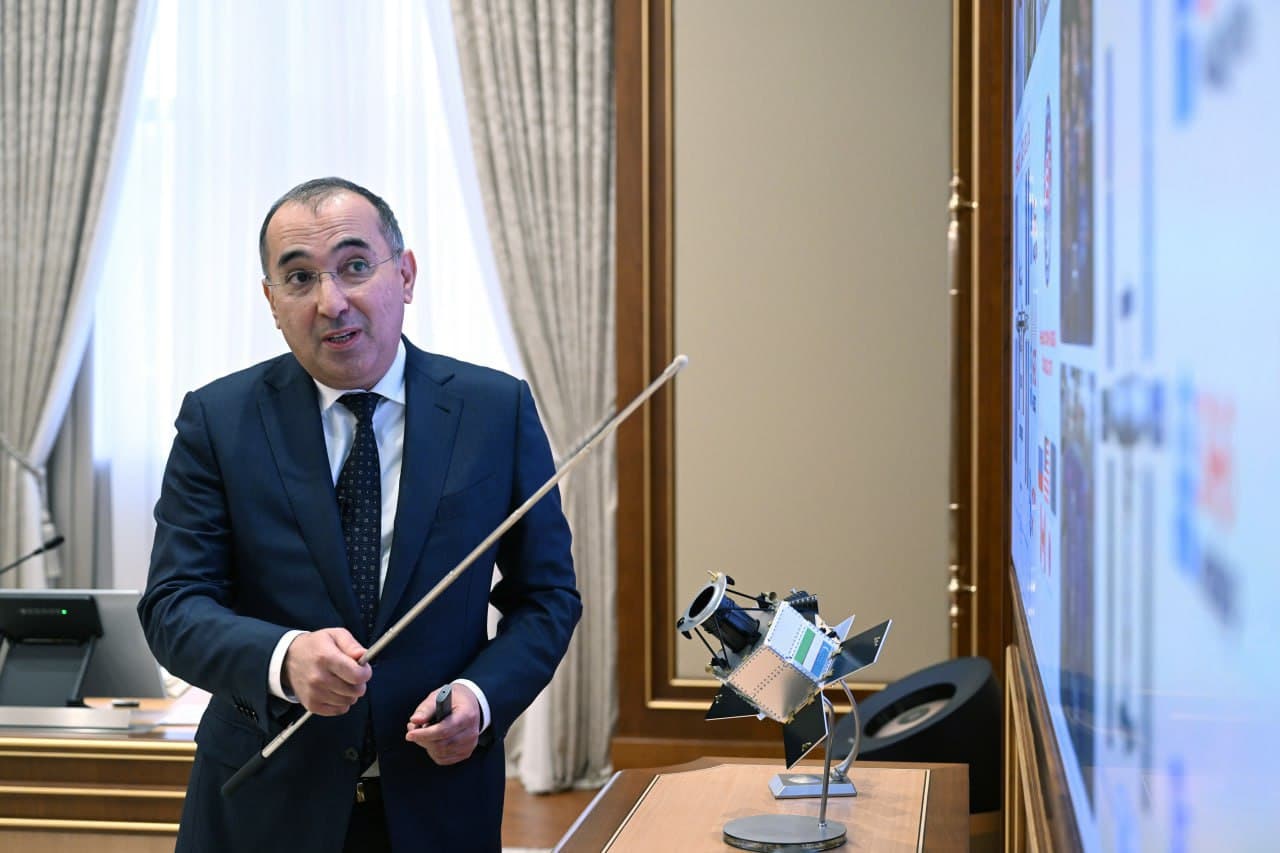
President Shavkat Mirziyoyev reviewed a presentation on the initial stages of work to launch satellite into space and train the first Uzbek cosmonaut.
As noted, global competition has reached a new level, and the economic power of states is measured not by natural resources, but by intellectual potential and technology. Space development has become a strategically significant area.
Although the use of space data in our country is relatively new, significant practical results have been achieved in a short period of time. A proactive state space monitoring system has been launched.
At the same time, it was noted that demand for remote sensing data has tripled over the past five years, and more than 10 government agencies and all local governments are currently using the space monitoring system.
"Most importantly, using space data, we identify economic opportunities invisible to the naked eye and transform them into a real source of income. This demonstrates that the mechanisms and culture of public resource management are changing," the President said.
The importance of developing a long-term and sustainable national space system—a satellite control infrastructure, data processing, and practical application—was also emphasized. The goal is to provide our country with a sovereign and objective source of information.
To date, the experience of foreign countries has been studied, and technical requirements for the accuracy and payload of the future satellite have been determined.
The presentation also discussed the project to create the first national scientific satellite as part of expanding scientific and technological potential. It was proposed to train specialists and form an engineering team, as well as launch the 6U-format Mirzo Ulugbek scientific satellite in 2028.
At the initiative of the head of state, the training of our first domestic cosmonaut and the organization of his flight into space have been identified as a strategic objective.
"This will not simply be a symbolic step, but rather the embodiment of our country's scientific potential, the ambitions of our youth, and national pride," the President said.
It was proposed to train a national cosmonaut for a short-term space flight lasting 10-14 days, and prospects for international cooperation in organizing such flights were discussed.
It was noted that the space flight of a domestic cosmonaut should be inextricably linked to the implementation of a specific scientific program. This achievement should not only enhance the country's international image but also contribute to the development of scientific potential, the emergence of new projects and technological initiatives, and increased interest in science and technology among young people.
Suggested areas of research that could be conducted during the Uzbek cosmonaut's stay in space include medicine and biology (remote diagnostics, studying the effectiveness of local medicinal extracts), plant genetics (testing drought- and salt-tolerant varieties, modeling closed agrobiosystems), and materials science (testing materials, fabrics, and fibers for heat accumulation and dissipation).
The issue of holding the International Astronaut Congress in Samarkand in 2028 was also discussed. Leading space organizations from the United States, Europe, China, India, Russia, and other countries have expressed interest in participating.
Responsible officials have been instructed to organize high-level preparations for this international event.
At the conclusion of the presentation, President Shavkat Mirziyoyev instructed those responsible to thoroughly develop calculations and practical proposals for satellite launch projects and the training of a domestic cosmonaut.