
Uzbekistan’s Accession to the WTO: A New Stage of Economic Reforms and Integration into the Global Market
2026-03-19 17:05:00 / News
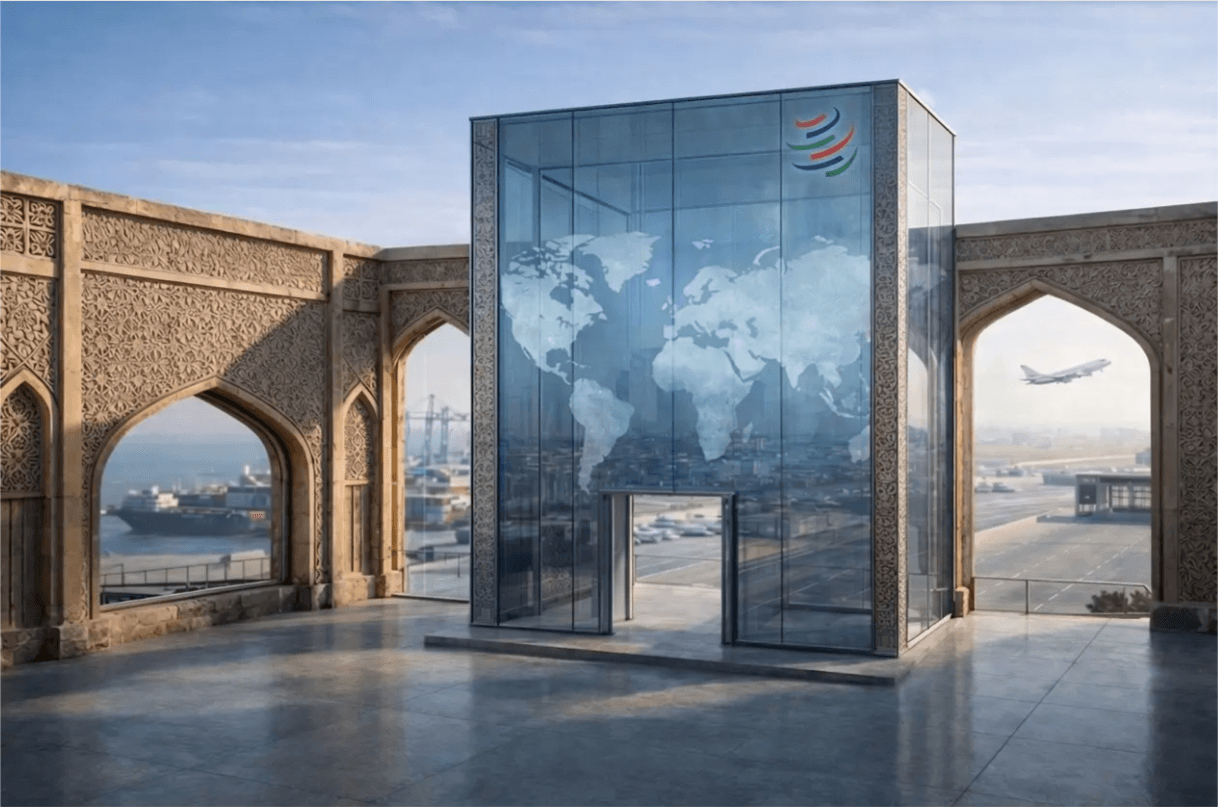
Uzbekistan’s Accession to the WTO: A New Stage of Economic Reforms and Integration into the Global Market
Today, Uzbekistan stands at an important historical stage of its development. The main goal of the large-scale reforms being implemented under the leadership of the President is to improve the well-being of the population and ensure the country’s достойное place in the global community. In this context, full accession to the World Trade Organization (WTO) is one of the key priorities of our economic strategy.
WTO membership is not merely an international status, but a strategic step that elevates the national economy to a new qualitative level and creates equal opportunities for domestic entrepreneurs in the global marketplace.
Within the framework of the State Program approved by Presidential Decree No. PF-21 dated February 16, 2026, specific tasks have been defined to accelerate this process.
The most complex and ответственная part of accession is aligning national legislation and law enforcement practices with the strict rules, norms, and agreements of the WTO. Our goal is not only to meet international requirements but also to establish a solid legal foundation that ensures openness and transparency in economic and trade relations.
According to Clause 407 of the Decree, it is planned to adopt 20 нормативно-правовых acts based on WTO requirements by the end of 2026. This process is being implemented systematically.
Since 2023, around 80 documents have been adopted, bringing the total number of national acts aligned with WTO agreements to over 180.
These include:
- 64 in economic policy,
- 32 in import-export regulation,
- 33 in sanitary and phytosanitary measures,
- 15 in technical regulation,
- 16 in intellectual property,
- 6 in trade in services,
- 3 in transparency.
In the current year, 5 important documents have already been adopted under the legislative action plan, and an additional 15 are planned by year-end.
This will further align national legislation with international trade standards, reduce unnecessary trade barriers, improve the business and investment climate, and enhance economic openness and competitiveness.
Uzbekistan’s WTO accession process is now approaching its final stage. This reflects not only domestic reforms but also complex bilateral and multilateral negotiations with member states.
In particular, the Ministry of Investments, Industry and Trade, together with other relevant agencies, is actively working on responses to member states’ inquiries, organizing Working Group meetings, and signing final protocols. The successful holding of the 12th WTO Working Group meeting on March 9 indicates accelerated progress.
According to Clause 408 of the State Program, negotiations on market access with two foreign countries are to be completed by the end of 2026. This year, negotiations with Chinese Taipei and Kazakhstan are expected to be finalized. Overall, out of 35 countries interested in negotiations with Uzbekistan, agreements with 33 have already been concluded, demonstrating steady progress.
The main objective of WTO accession is to create new market opportunities and ensure equal conditions for domestic entrepreneurs. Through effective implementation of international trade rules, we aim to achieve sustainable economic stability.
Adopting WTO standards will enhance the competitiveness of national products, provide exporters with non-discriminatory access to foreign markets, and increase inflows of high-tech investments. Principles of openness and transparency will ensure a predictable and secure business environment.
In conclusion, WTO accession represents Uzbekistan’s full integration into the global trading system. Timely and качественное implementation of set objectives will ensure sustainable development and further strengthen the country’s international standing.
Khurram Teshabayev
Deputy Minister of Investments, Industry and Trade of the Republic of Uzbekistan