
SATREPS-2020: Science and Innovation for the Aral Sea Region
2026-07-23 15:00:00 / News
Within the framework of the project, 12 scientific projects were financed in the first stage, and this year another 12 projects will be financed in the second stage. Comprehensive scientific research is being conducted in the Aral Sea region and remote areas of the Kashkadarya region. In particular, a modern climate change monitoring center has been established in the Aral Sea region, and meteorological monitoring has been established. At the same time, advanced Japanese technologies aimed at increasing agricultural efficiency in saline soils are being implemented.
In addition, within the framework of the project, more than 15 observation stations were installed to monitor soil salinity based on GIS data, as well as to determine the amount of salt in the water of irrigated areas, snow cover, dust storms and solar radiation.
Within the framework of the project, 2 basic doctoral (PhD) students were trained in Japan. Water quality sensor sets, a monitoring system for a plant cultivation experimental field, a river water level and salinity monitoring system, a monitoring system for moderately saline areas, a plant biomass composition analysis system (laboratory equipment), a meteorological monitoring system for snow measurement, and about 30 types of similar equipment have been delivered to Uzbekistan.
Within the framework of the project, 45 scientists and specialists from Uzbekistan were sent to Japan for advanced training.
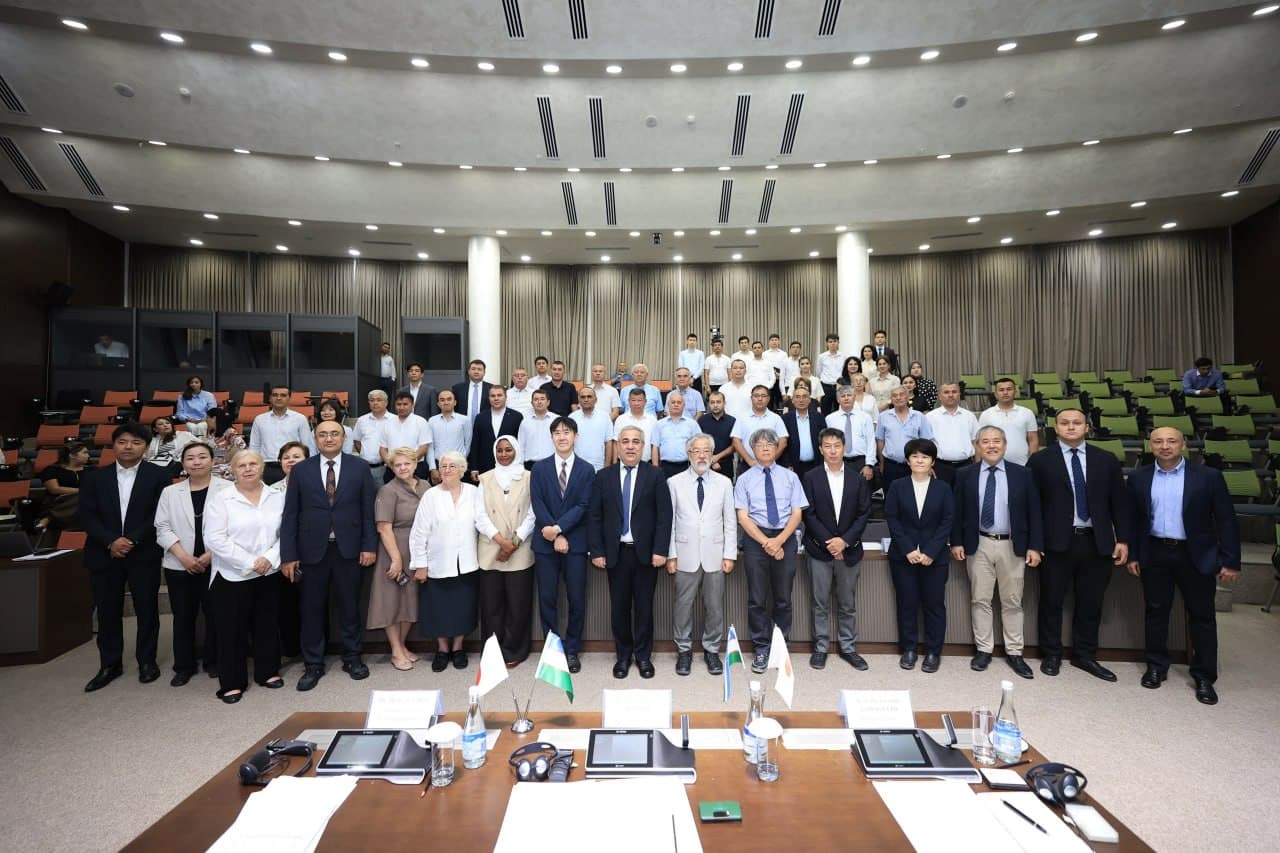
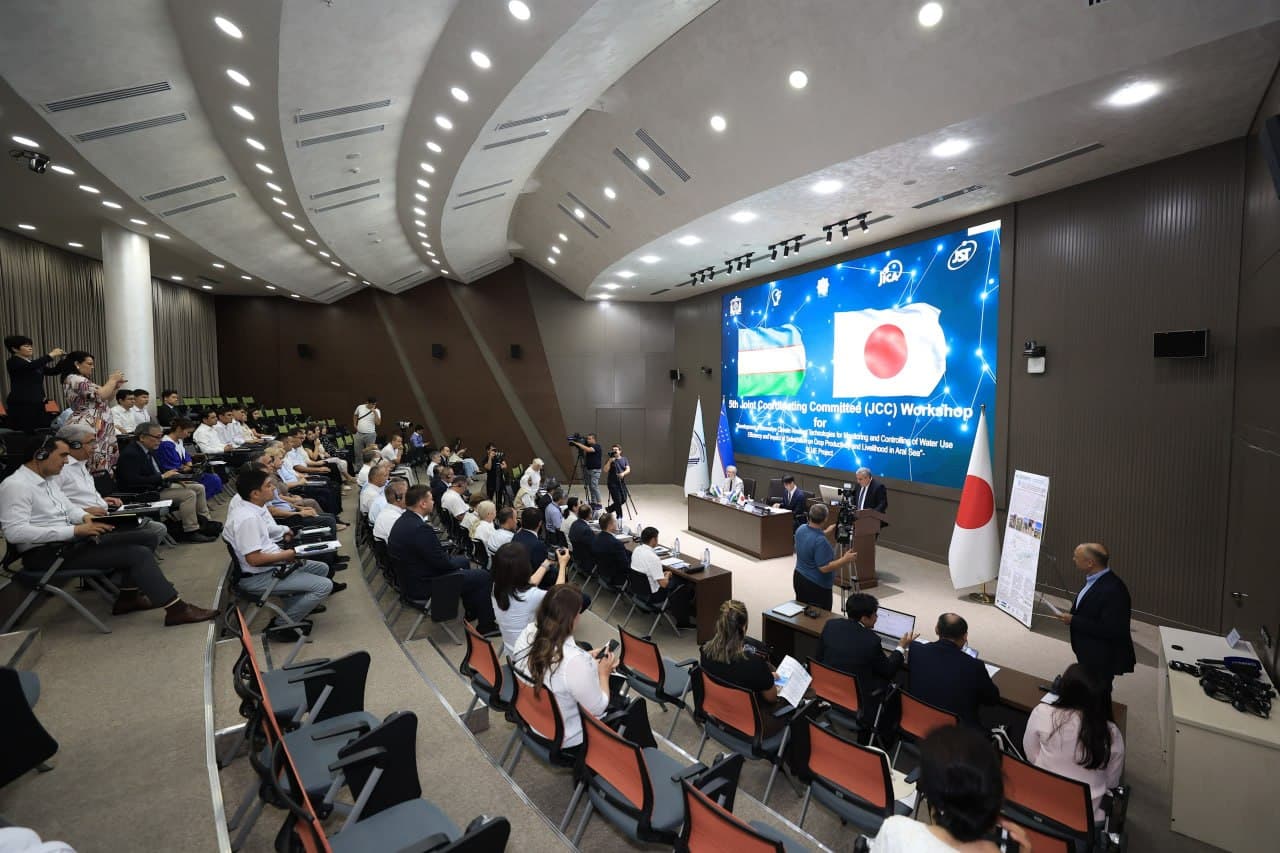
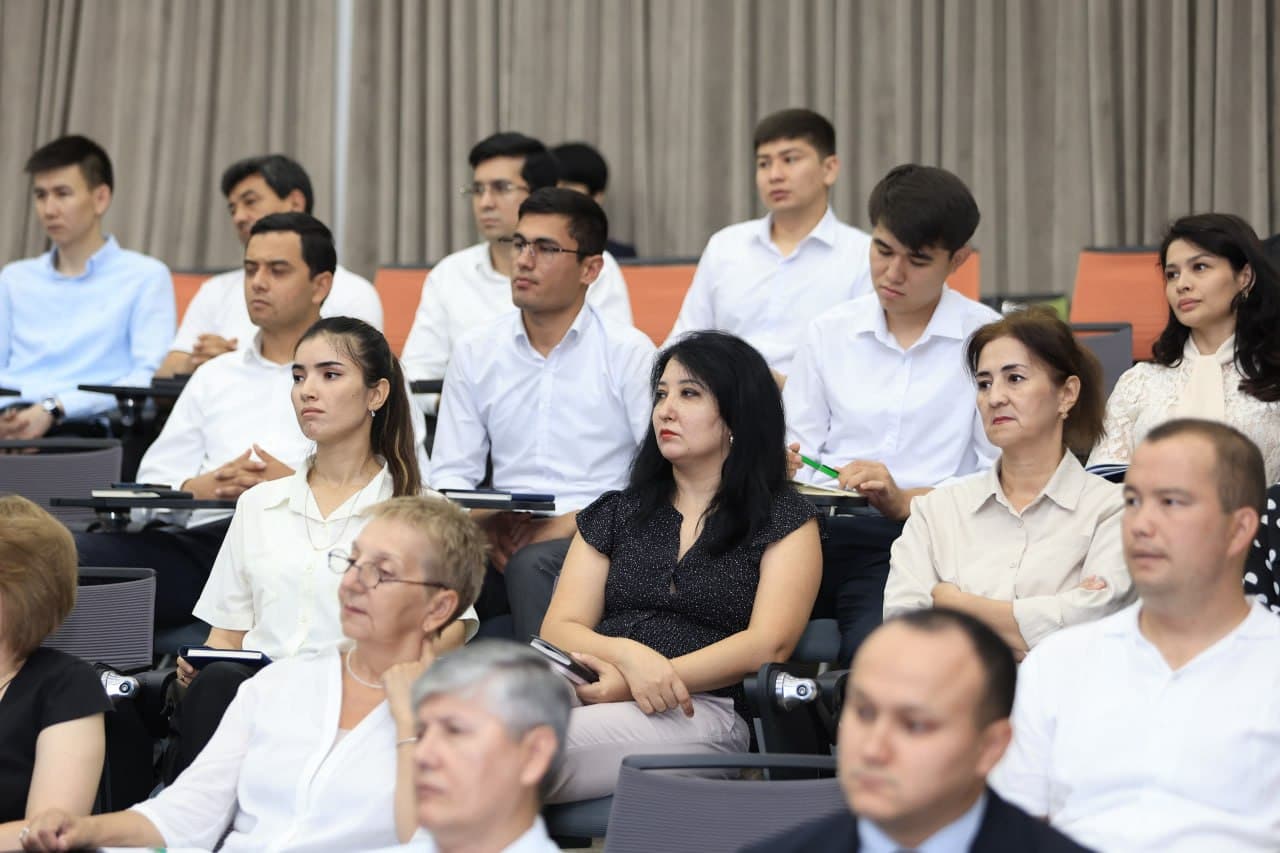
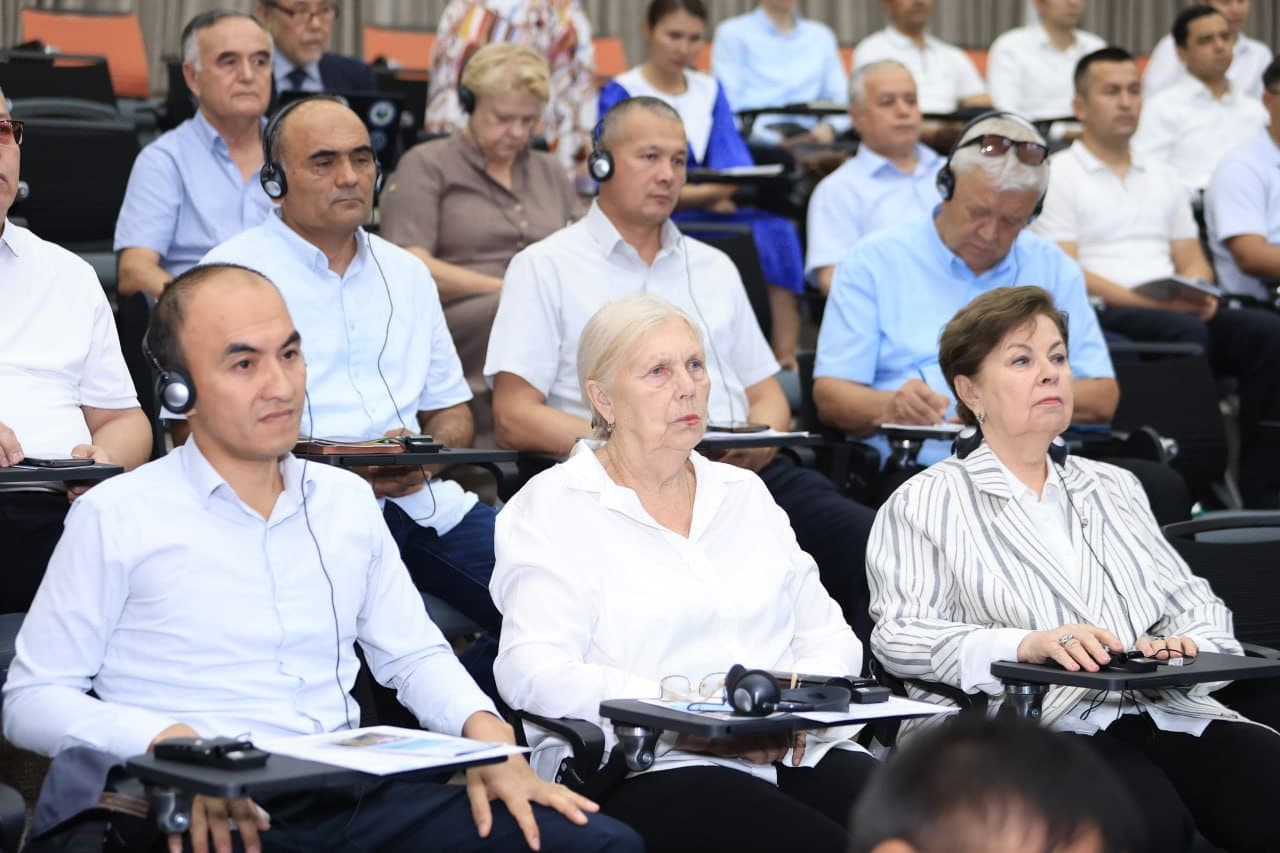
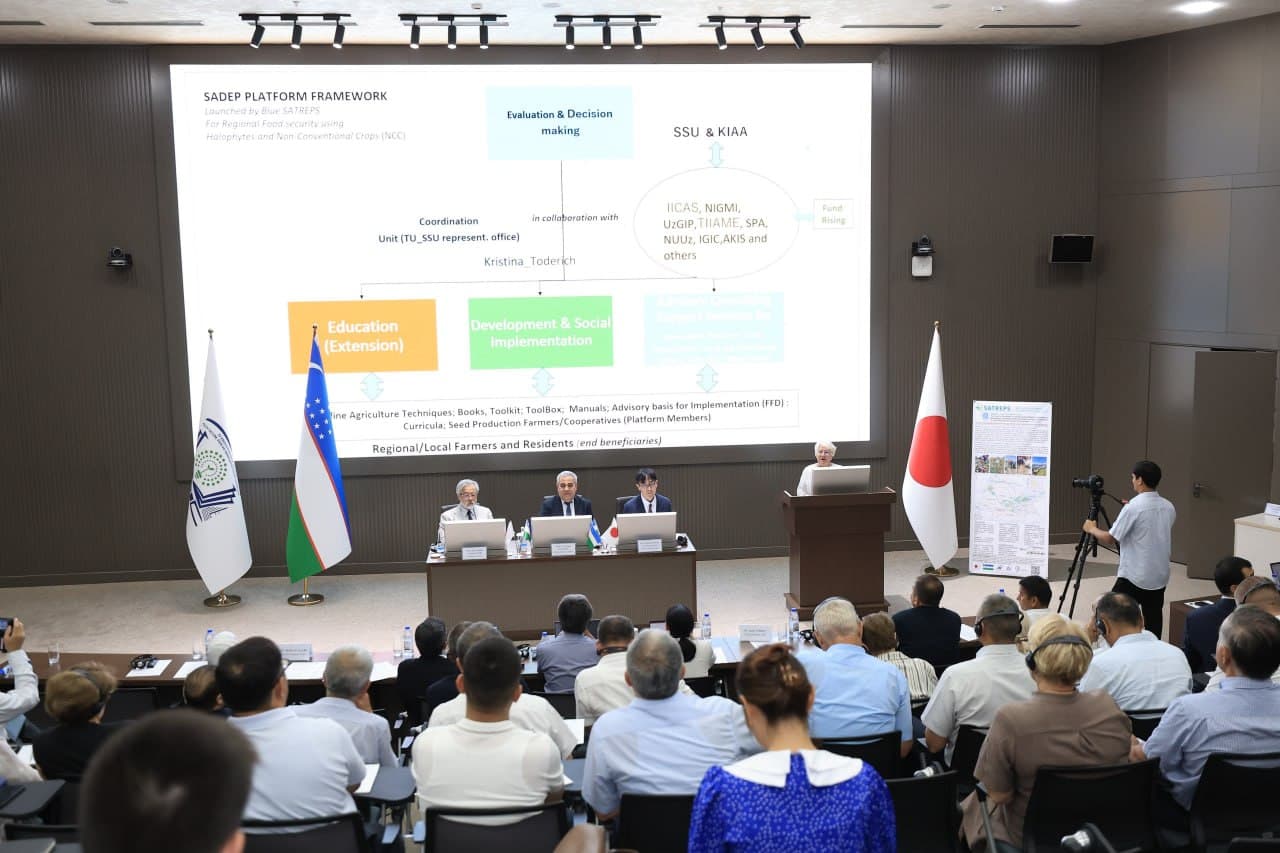
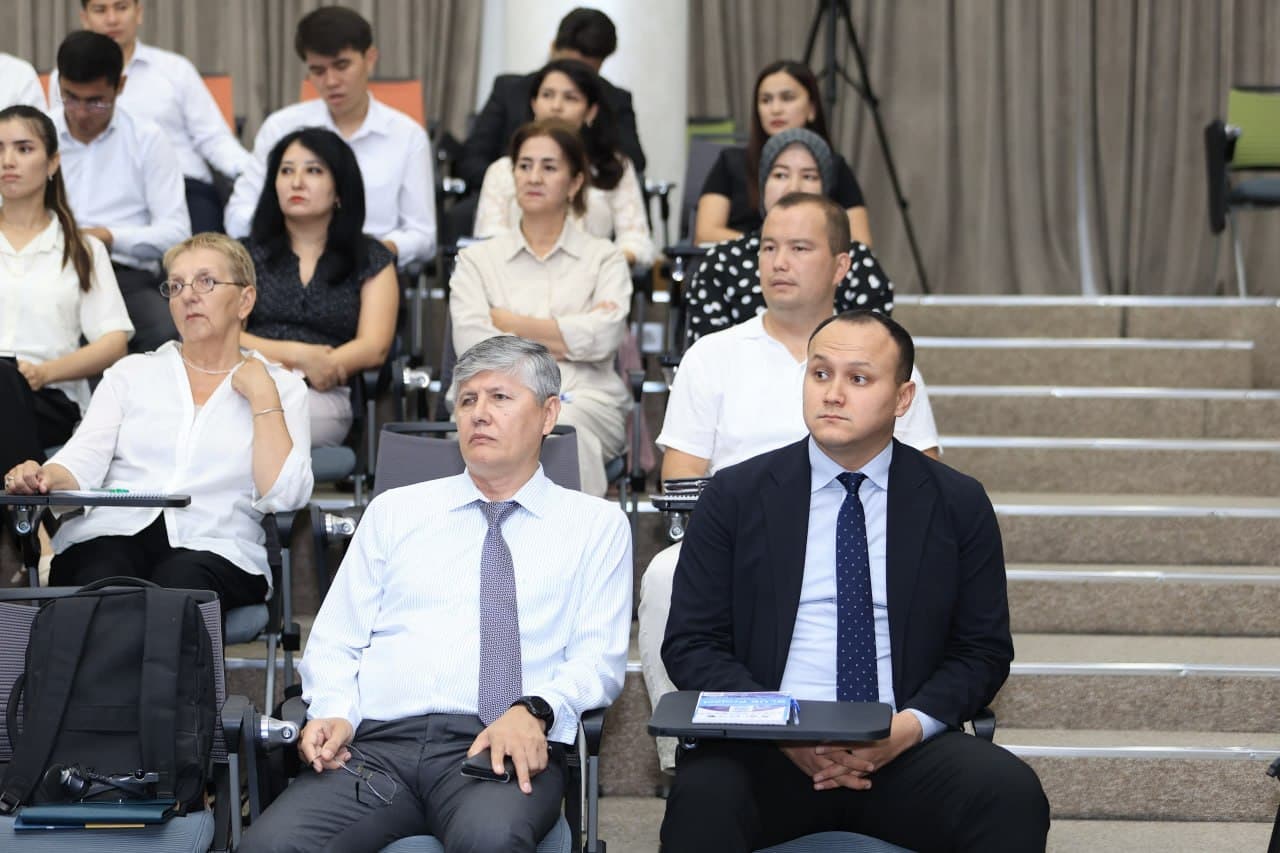
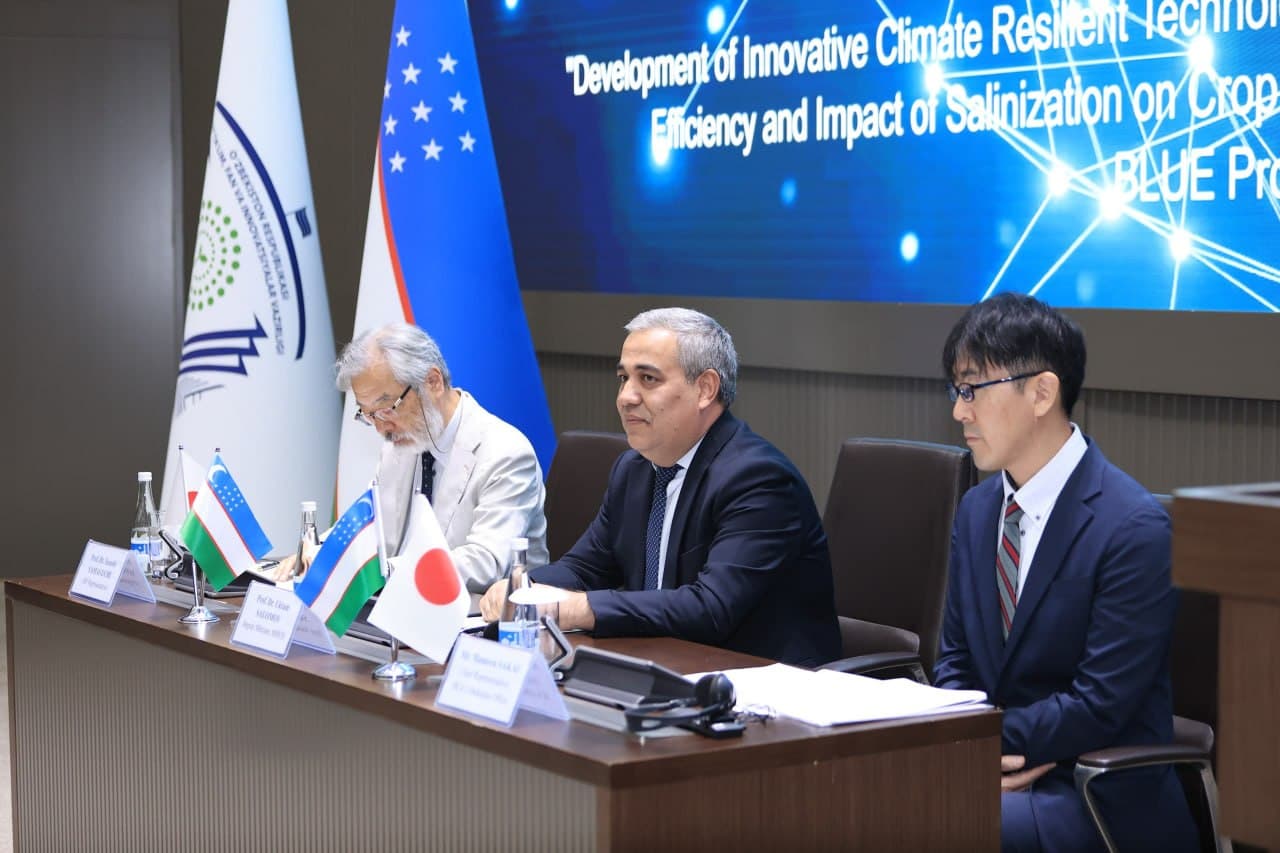
On July 23, 2026, the 5th meeting of the Joint Coordination Committee (JCC) within the framework of SATREPS-2020 was held at the Agency for Innovative Development. The event was organized within the framework of the project "Development of new technologies for monitoring and controlling the use of water resources to combat soil salinity, improve land fertility and food security in the Aral Sea region" (BLUE).
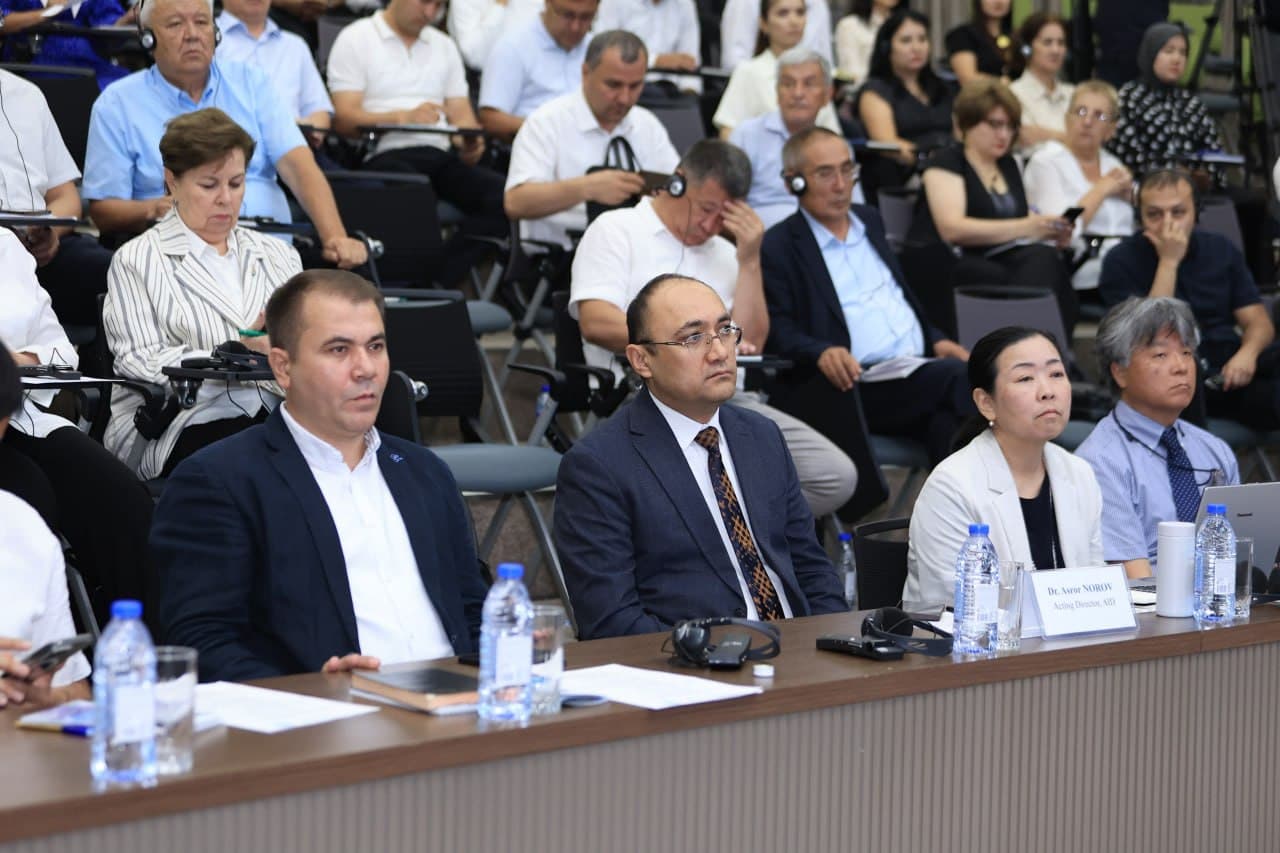
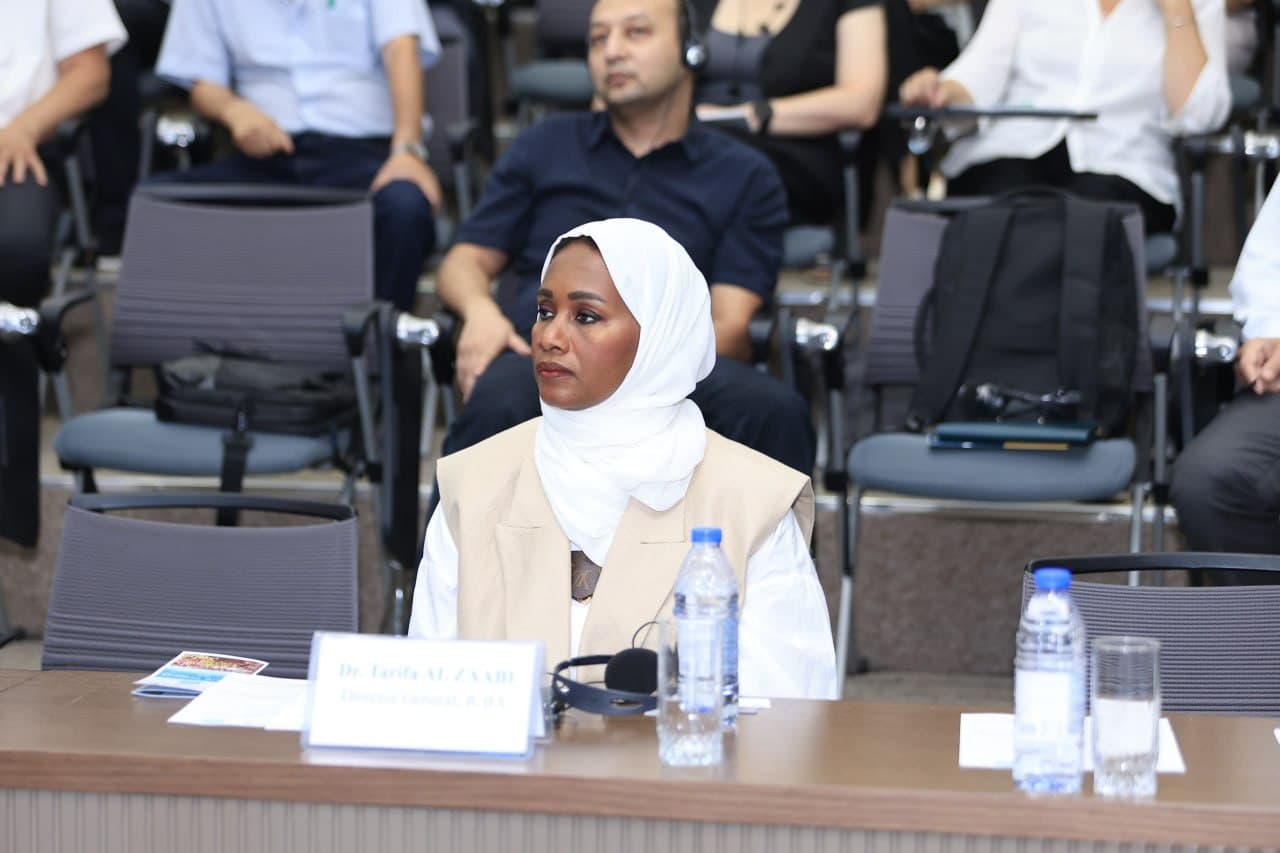
The meeting was attended by representatives of the Ministry of Agriculture, the Ministry of Water Resources, the National Committee for Ecology and Climate Change, leading research institutes and higher educational institutions of the republic, including TIIAME, UzGIP, the National University of Uzbekistan named after Mirzo Ulugbek, Samarkand State University and Karakalpak State University. The event was also attended by representatives of international organizations such as the International Institute for Central Asia and the International Center for Biological Agriculture in Salinity Conditions (ICBA). In general, at the seminar
Representatives of more than 20 ministries, departments, scientific and international organizations took part in it.
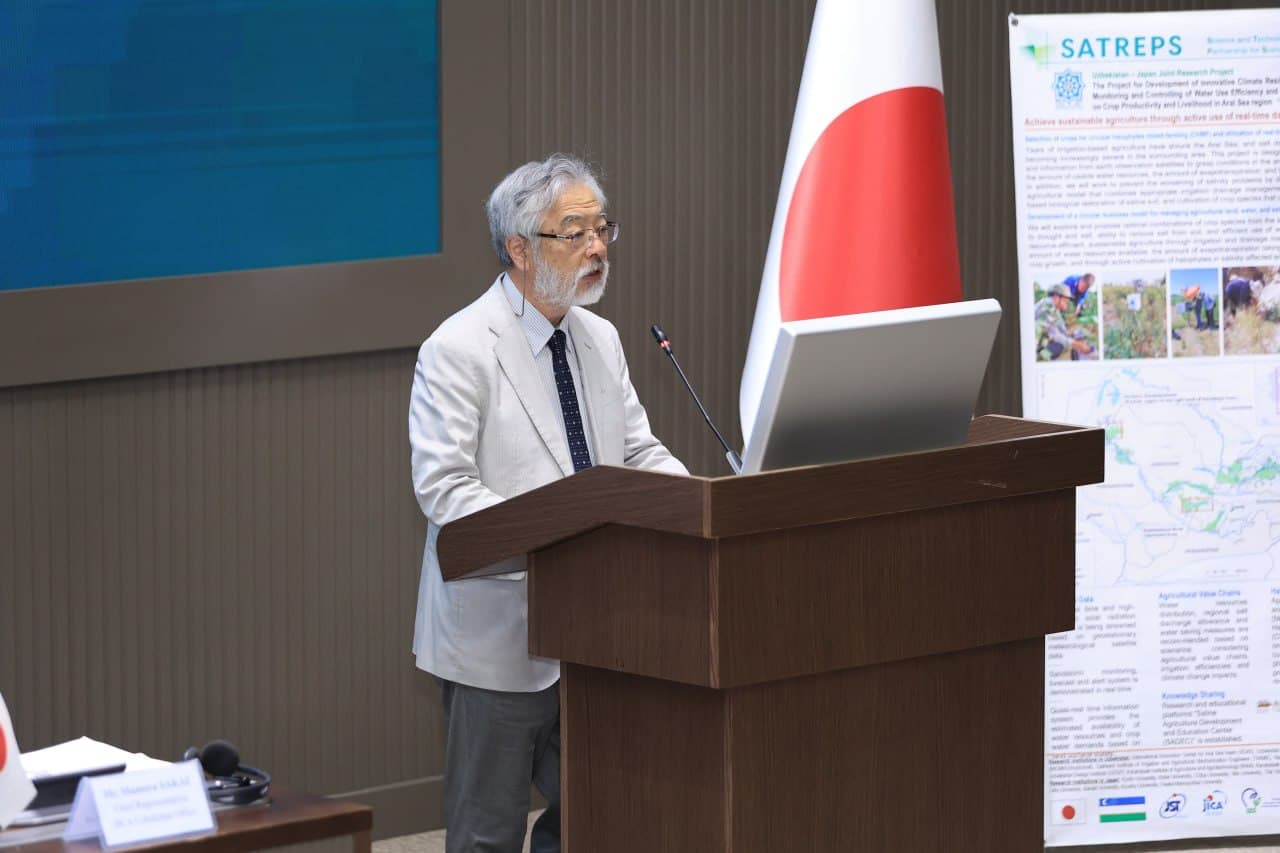
During the meeting, organized jointly with the Japan International Cooperation Agency (JICA) and the Japan Science and Technology Agency (JST), the results of scientific research conducted by scientists from Uzbekistan and Japan in the Aral Sea region in 2025 under the SATREPS-2020 program were presented. The results of the work carried out in 2026 were also summarized, and views were exchanged on the next stages of the project and tasks for the future.
The seminar also focused on digital monitoring of water resources, reducing soil salinity, introducing agrotechnologies adapted to climate change, and implementing scientific developments in practice. The participants put forward proposals and recommendations for further expanding international scientific cooperation and adapting advanced technologies to the conditions of Uzbekistan.
This project serves as an important international platform for developing scientific solutions aimed at ensuring the environmental sustainability of the Aral Sea region, effective water resource management, increasing agricultural productivity, and strengthening food security.