
Uzbekistan Develops Capability to Print Human Organs Using 3D Bioprinters
2026-02-10 16:20:00 / News
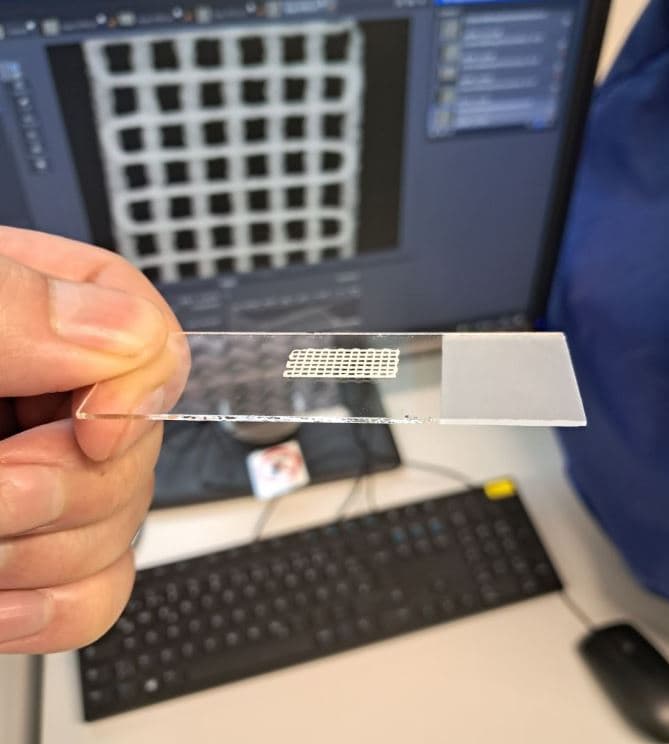
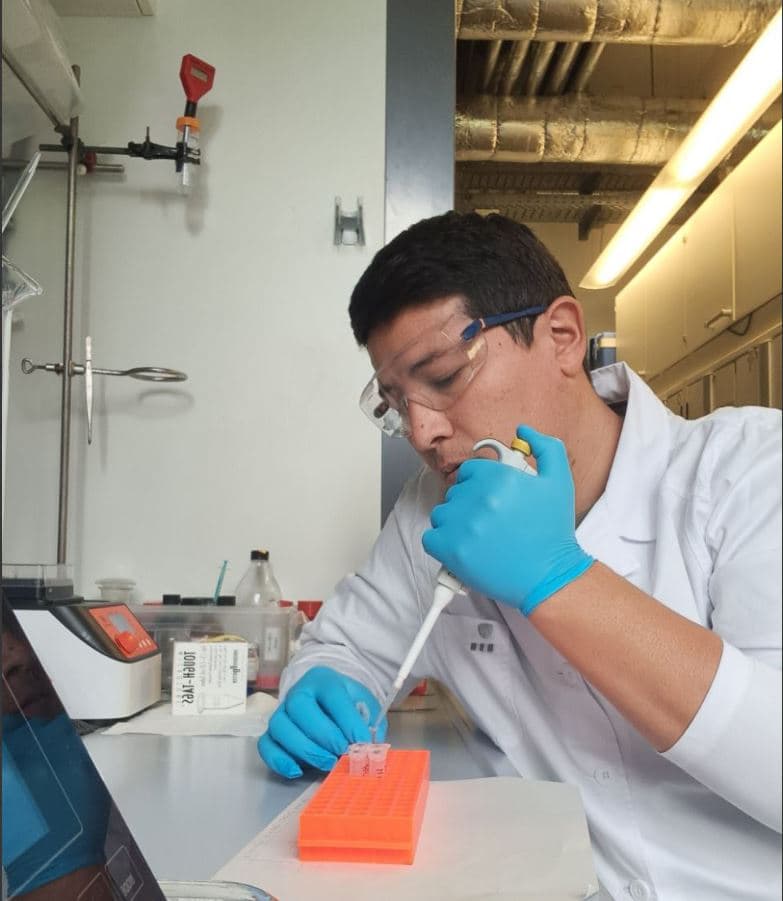
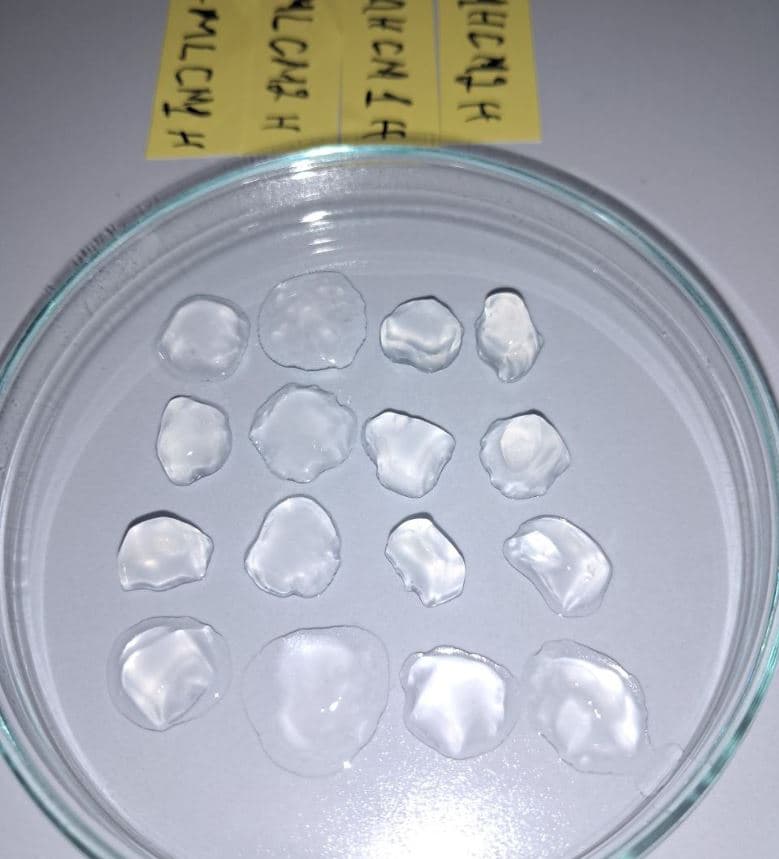
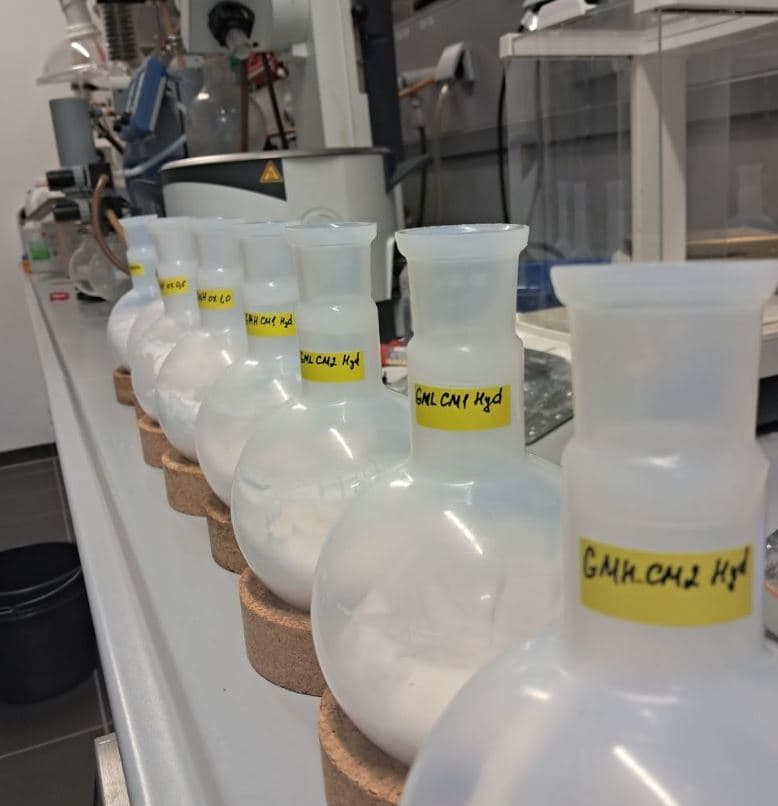
The discovery by young researcher Olimjon Boymatov from the Institute of Chemistry of Plant Substances at the Academy of Sciences of Uzbekistan marks a breakthrough in the field. The young scientist has developed a method to produce the bio-ink base required for 3D bioprinters from local plants.
The discovery, resulting from a scientific internship in Germany, received a positive conclusion from the Intellectual Property Agency and is currently undergoing the patenting process.
—For many years, our scientists have been researching ways to create bio-ink that is fully compatible with the human body, safe, and at the same time relatively inexpensive and producible locally. Previous results were not as effective as expected. In 2024, I participated in an internship competition announced by the Innovation Development Agency and learned modern bioprinting technologies and new methods for obtaining hydrogels at the prestigious Leibniz University in Germany. As a result, I obtained positive conclusions on bio-ink that allows printing human organs with a 3D bioprinter. The new hydrogel is composed of polysaccharides from local plants, in which human cells — iMSCs — can live and develop. This enables the printing of artificial organs and tissues that are biocompatible, quickly adaptable, and safe for the human body, — says Olimjon Boymatov.
Millions of people worldwide are on the waiting list for organ transplants, mainly because suitable donors are not always available. To address this issue, scientists around the world continuously research and develop 3D bioprinting technologies. To date, studies have confirmed the possibility of printing blood vessels, skin, bones, as well as the heart, liver, and kidneys. As a result, global demand for bio-ink is very high, and its price is substantial.
This discovery has the potential to meet future demand for donor organs and save countless lives. It is also regarded as an important milestone in the development of science and medicine in Uzbekistan.
For reference, in 2025, 147 young scientists will undergo internships abroad based on the results of competitions announced by the Innovation Development Agency. Fully funded by the state budget, these internships provide young scientists with wide opportunities to enhance their research and make new scientific discoveries.