
Finnish Educational Experience: A Student-Centered Approach to Personal Development
2026-02-05 17:20:00 / News
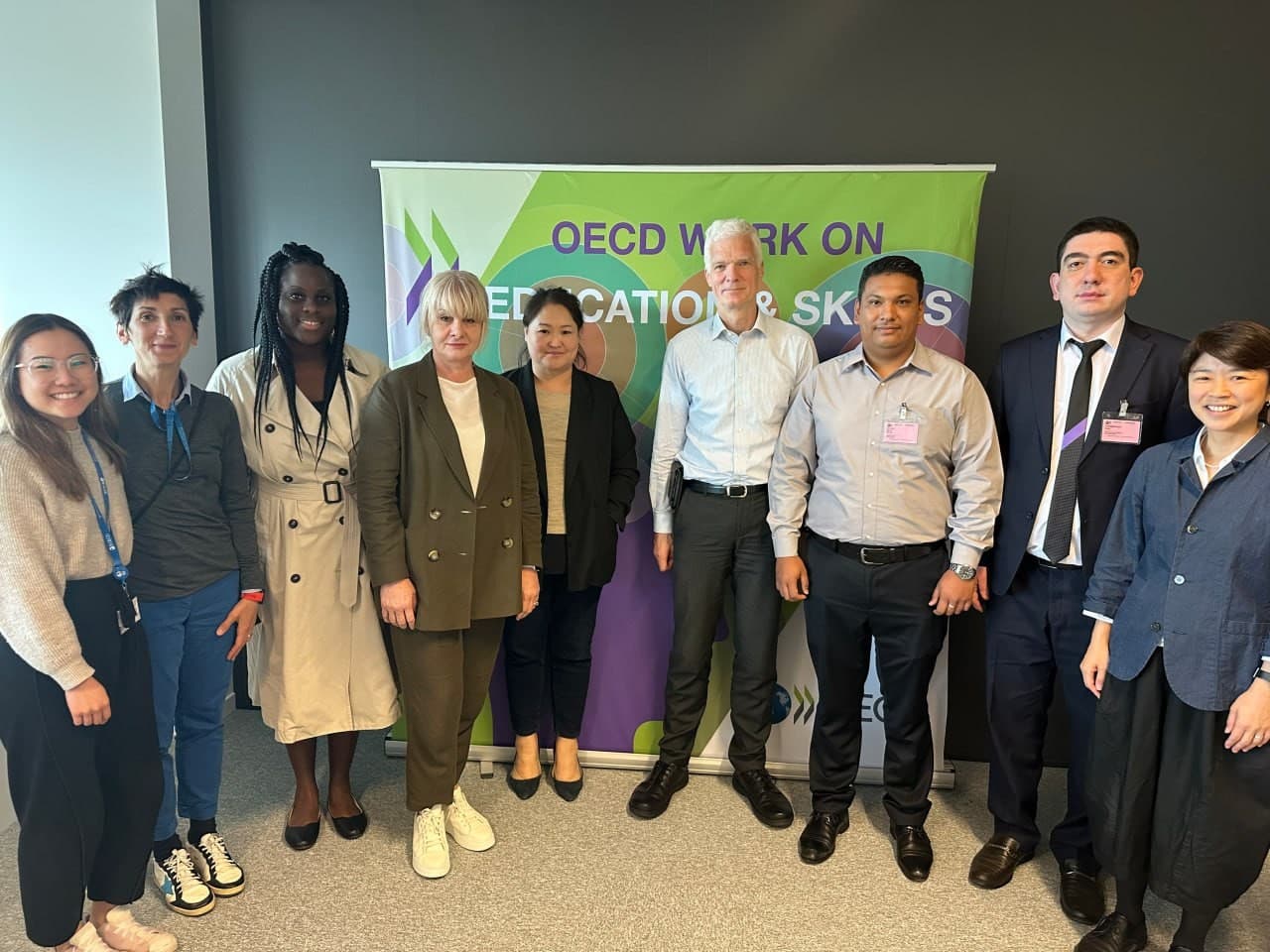
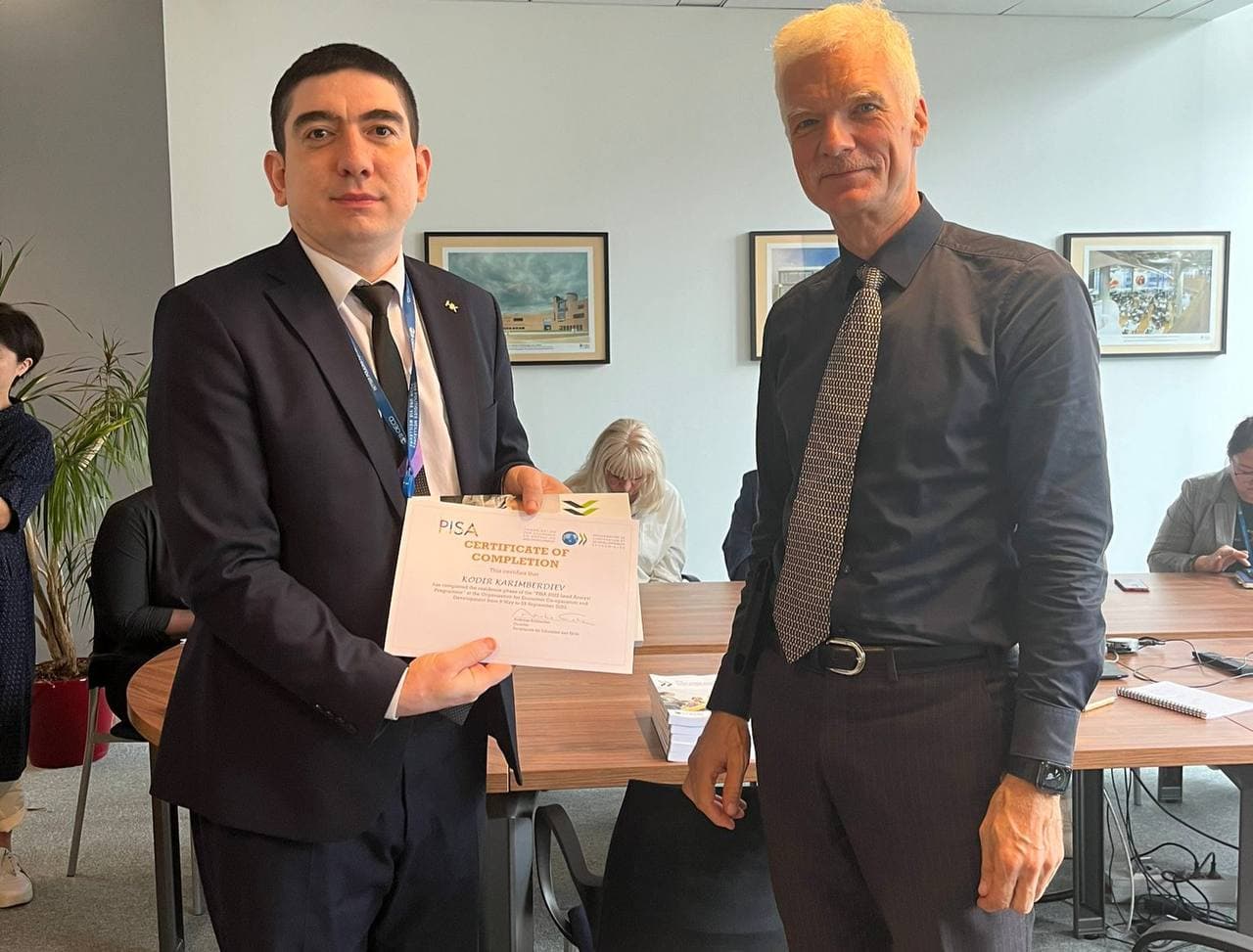
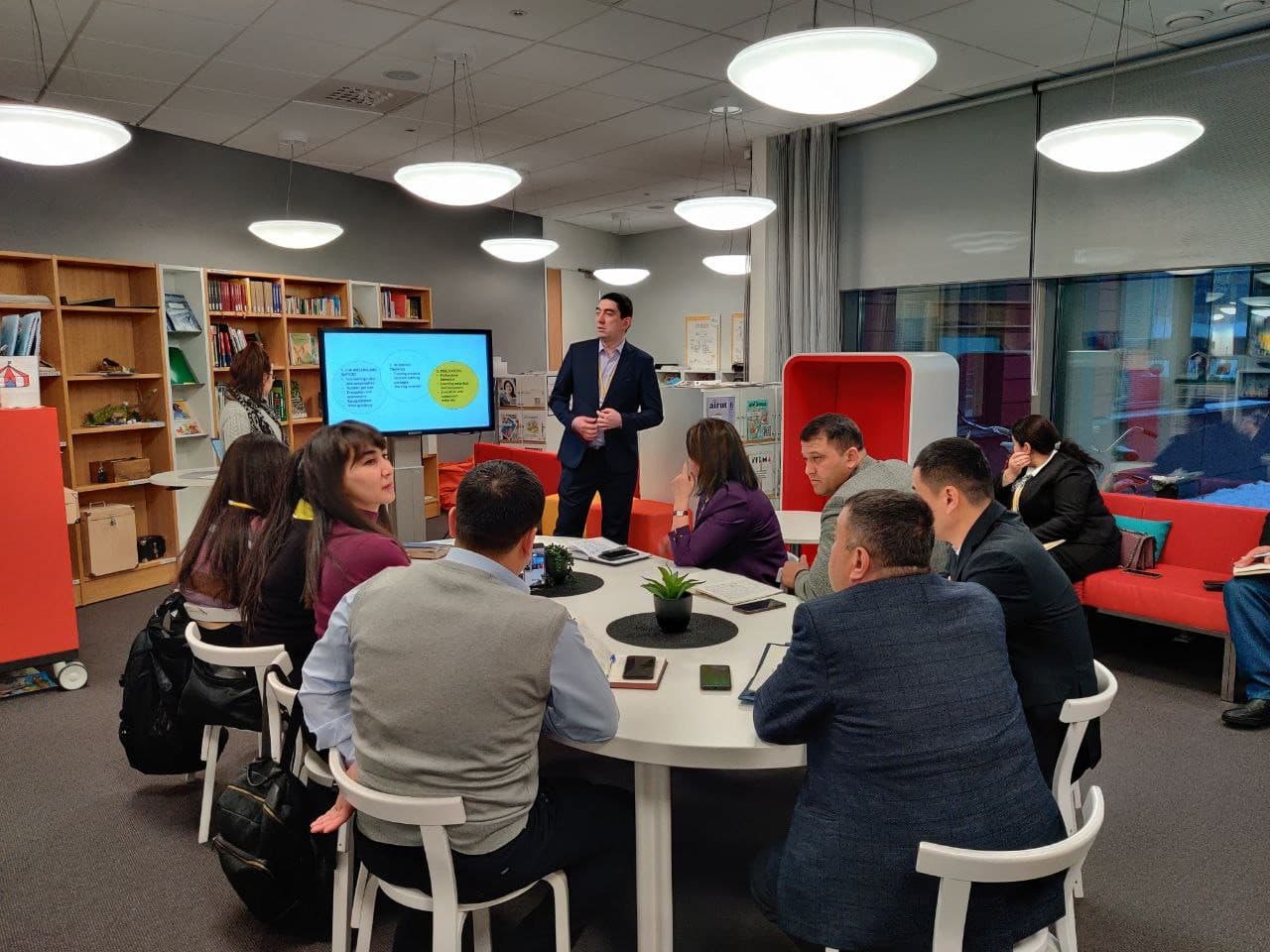
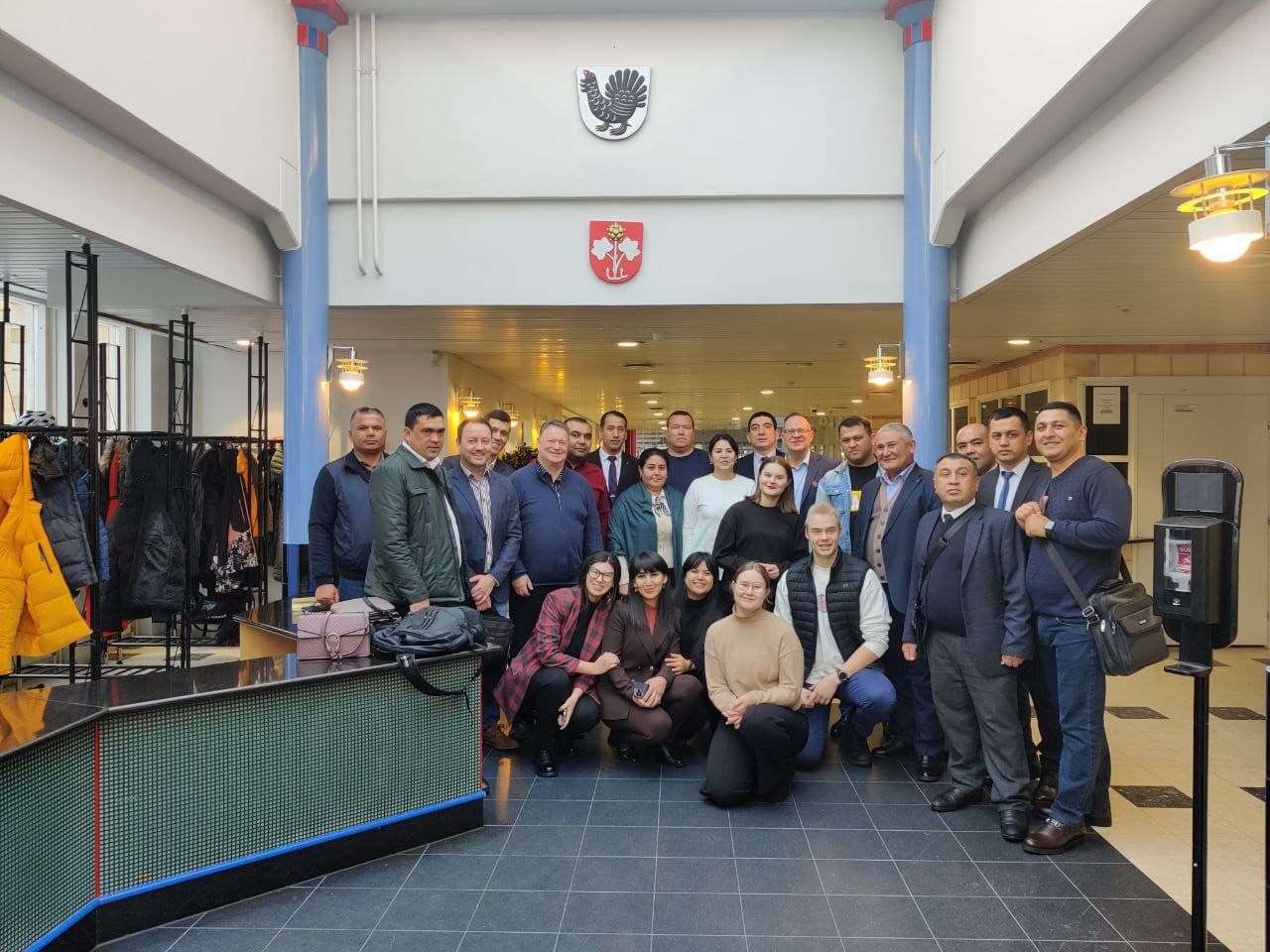
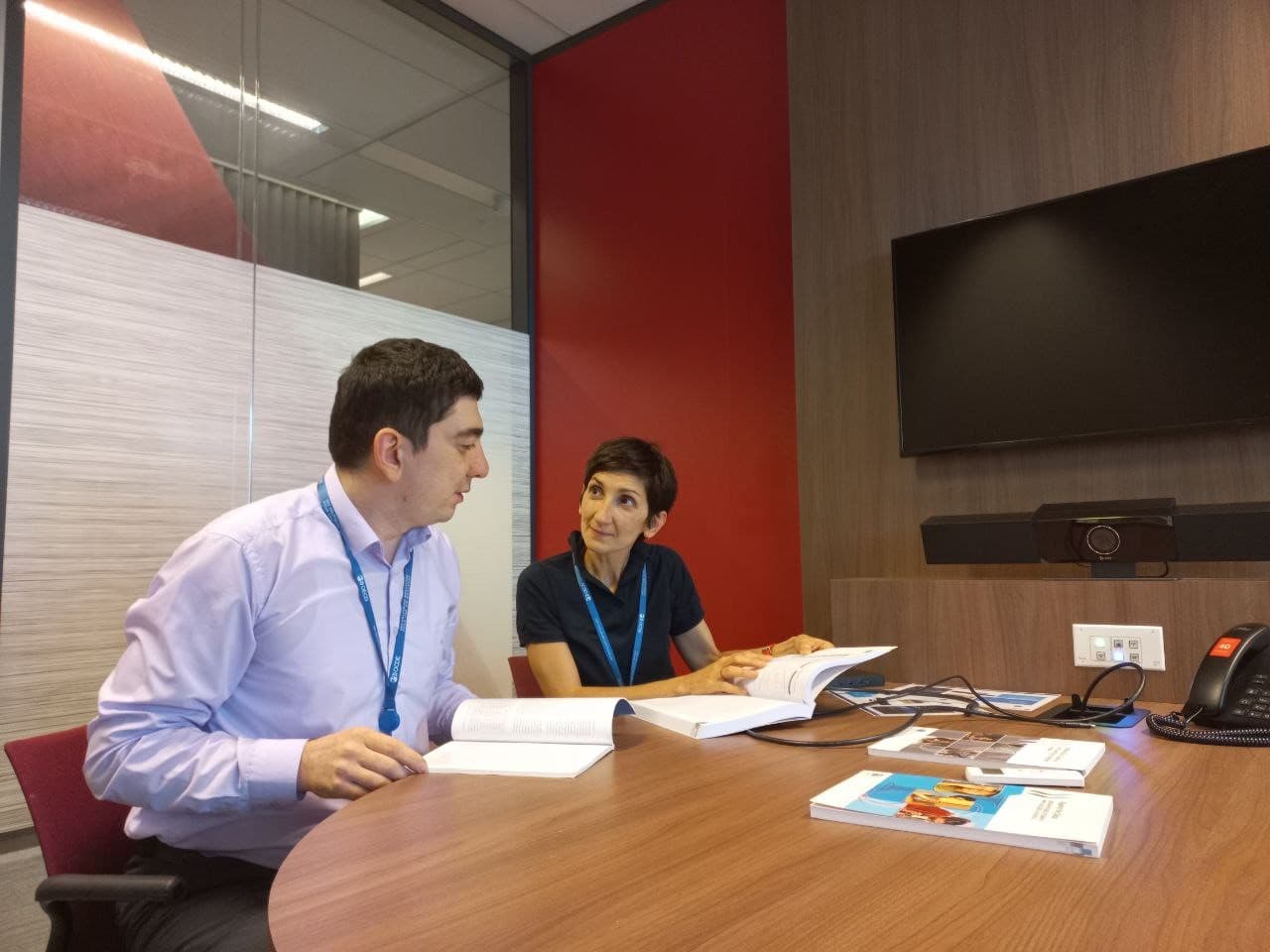
— It is known that since 2022 Uzbekistan has begun implementing initial measures to introduce Finnish educational practices into its national education system. Within this process, issues related to school governance, appointment and professional development of principals, the use of media in education, school marketing, the organization of STEM subjects, as well as assessment systems for teachers and students were studied. However, in some areas, a lack of practical experience left a number of questions unanswered. The internship played a crucial role in addressing these issues.
The Finnish education system is based on a competency-based approach, where priority is given not to rote memorization, but to the development of students’ critical thinking, problem-solving, communication, and collaboration skills. This approach has also been reflected in Uzbekistan’s general secondary education system. In the updated State Educational Standards, the formation of key and cross-curricular competencies has been identified as a primary objective, leading to a revision of curricula and an increase in the share of tasks aimed at developing functional literacy.
Another important feature of the Finnish model is the central role of the student in the learning process. Education is organized with careful consideration of students’ individual needs and interests. Based on this experience, a student-centered education model has been gradually introduced in Uzbek schools. Interactive teaching methods, project-based and research-oriented approaches are now widely applied, contributing to the development of independent thinking and increased student engagement.
During the internship, it was observed that the assessment system in Finnish schools is humane and developmental in nature. Assessment is mainly carried out during the learning process and serves to support students’ individual progress. This experience has been adapted in Uzbekistan, particularly at the primary education level, where formative assessment and descriptive feedback have been widely implemented. As a result, greater attention is now paid to assessing not only knowledge, but also skills and competencies.
The high social status and professional autonomy of teachers in Finland also deserve special attention. Drawing on this experience, Uzbekistan has implemented reforms aimed at enhancing the status of teachers and supporting their professional development. These reforms include improvements in remuneration systems, the introduction of attestation and certification mechanisms, and the reduction of excessive bureaucratic workload.
Finnish school curricula are characterized by simplicity, depth of content, and close relevance to real-life situations, which is a key factor in ensuring the quality of education. This approach has also been taken into account in Uzbekistan through the optimization of academic workload, reduction of repetitive topics, and an increased emphasis on practical, application-oriented tasks.
Furthermore, Finland’s success in international assessment programs such as PISA has served as an important benchmark for Uzbekistan. Participation in these studies has elevated the development of students’ reading literacy and functional competencies to one of the priority areas of national education policy.
In conclusion, the advanced educational practices studied during the internship in Finland have become an important methodological foundation for the modernization of Uzbekistan’s education system. Adapted to national conditions, these experiences have laid a solid groundwork for improving education quality, fostering students’ life skills, and ensuring sustainable development.
For reference, this internship was funded by the Fund for the Financing of Science and Support of Innovation.