
A Day Leading Toward Knowledge, Books, and Progress
2026-04-23 09:55:00 / News
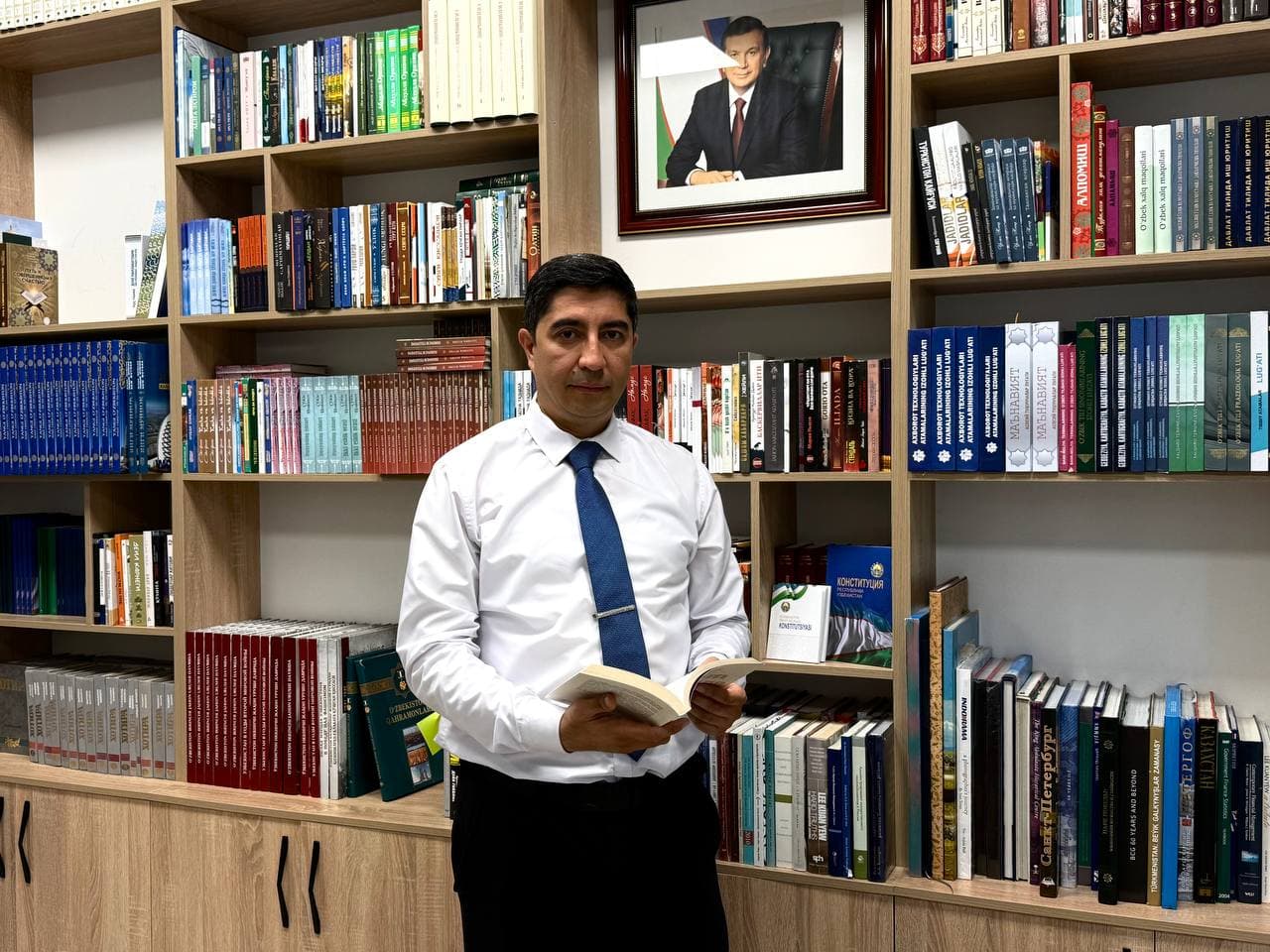

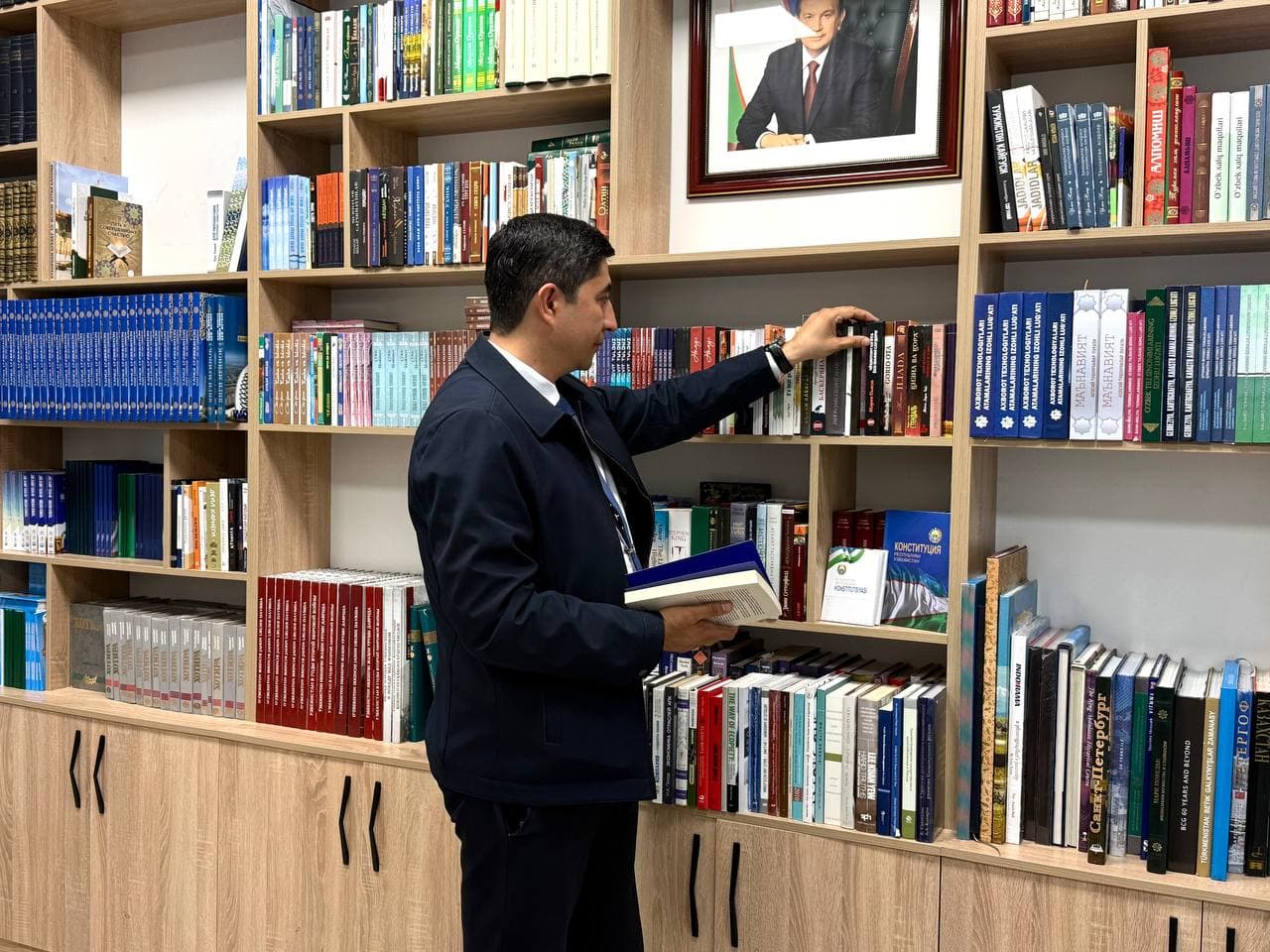
April 23 is widely celebrated around the world as World Book and Copyright Day.
This date serves to promote a culture of reading, recognize the work of authors, and increase society’s interest in knowledge. Today, knowledge is one of the most important resources, and the development of any country is closely linked to science and intellectual thinking. From this perspective, reading books is not only personal development for civil servants but also a professional responsibility.
Our great ancestor Abu Nasr al-Farabi emphasized: “Knowledge is the most reliable path to happiness.” Indeed, knowledge and books elevate a person and guide them in the right direction. A civil servant plays a crucial role in governing society, therefore they must be educated, broad-minded, and spiritually mature.
In the works of one of the prominent figures of Uzbek literature — O‘tkir Hoshimov — special attention is also given to books and spirituality. In his view, a person’s inner world and thinking are enriched through reading. The writer emphasizes that the role of books in shaping a person’s inner world is invaluable. His works often promote qualities such as honesty, conscience, and responsibility — qualities that are especially essential for civil servants.
“A reading civil servant is a reflection of the state.” This idea carries deep meaning. The worldview, speech, and decision-making culture of a civil servant affect the quality of the entire system. If a civil servant reads, they become open to innovation, learn to analyze, and can communicate effectively with the public. Conversely, a knowledge-deficient employee cannot meet modern demands.
For a civil servant, knowledge is not only theory but also a crucial practical tool.
Reading benefits not only civil servants but every individual by developing analytical thinking. Reading books on various subjects enables deeper understanding of economics, law, governance, and psychology. This allows for well-founded and effective decision-making in complex situations. Additionally, reading improves speech culture and teaches clear and precise expression — an essential competency for civil servants.
Books cultivate patience, attentiveness, and discipline — qualities that form the foundation of effective public service. A reading employee continuously works on self-improvement, develops themselves, and ultimately contributes more to society.
Today, special attention is also being given to developing a reading culture within the Treasury Committee under the Ministry of Economy and Finance of the Republic of Uzbekistan.
In order to implement the Resolution of the President of the Republic of Uzbekistan dated January 15, 2026, No. RP–9 “On measures to develop reading culture and increase public interest in books,” civil servants in the system not only read literature related to their professional fields but also explore books from various disciplines, continuously improve their reading culture, and actively participate in reading competitions.
As noted in the book Atomic Habits by James Clear, even reading just a few pages a day leads to significant results over time. Reading is a small habit that leads to big changes. To transform one’s life, not drastic actions but small, consistent “atomic” habits matter. The key is consistency and regularity.
Reading a little every day helps increase knowledge, broaden thinking, and support professional growth.
For a civil servant, reading is not only a way to gain knowledge but also a tool for continuous self-improvement.
“I recently read James Clear’s ‘Atomic Habits’ and realized that achieving big results requires small but consistent actions. The book helped me manage my time more effectively, strengthen discipline, and focus on continuous development. As a civil servant, these skills make me more efficient and responsible in my professional activities,” says Nodir Teshayev, a legal specialist working within the committee.
In conclusion, the culture of reading actively promoted among civil servants is not only a factor of personal development but also a key foundation of effective and responsible public administration.
A reading civil servant becomes a knowledgeable specialist capable of analysis and serving the interests of society. Therefore, making reading a daily habit should become a priority for each of us.