
Carbon Monoxide — An Invisible Danger: Protect Yourself and Your Loved Ones!
2026-10-29 16:45:00 / News
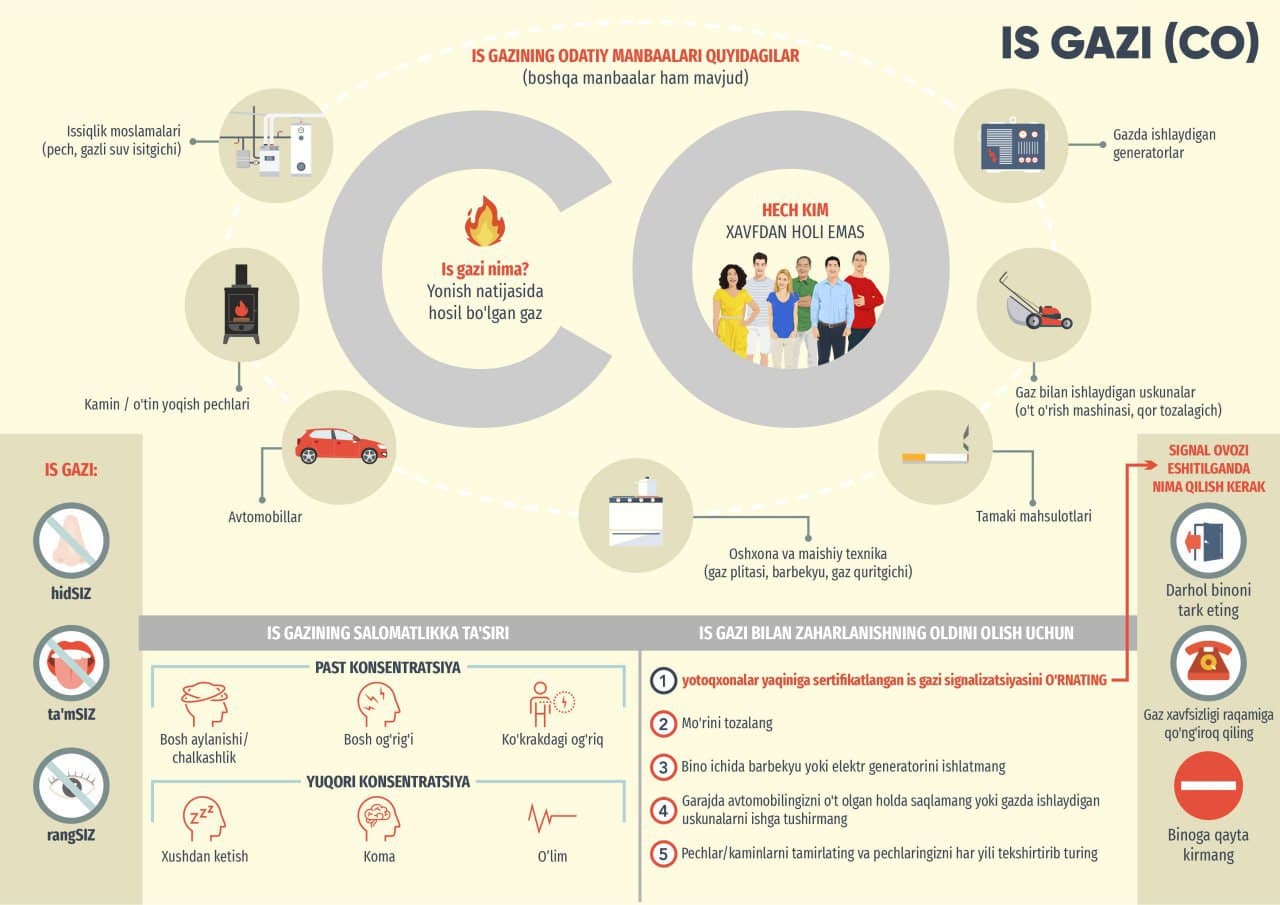
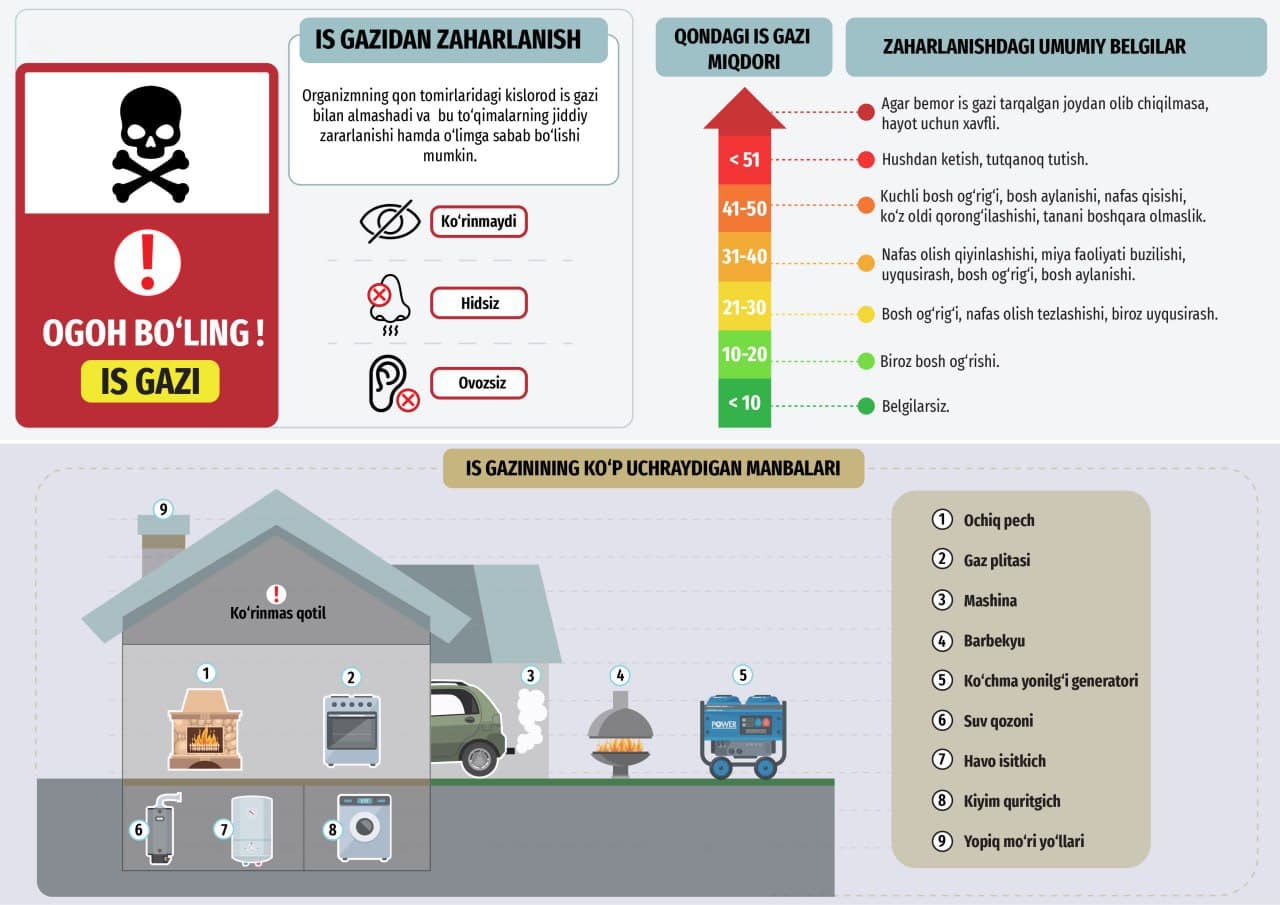
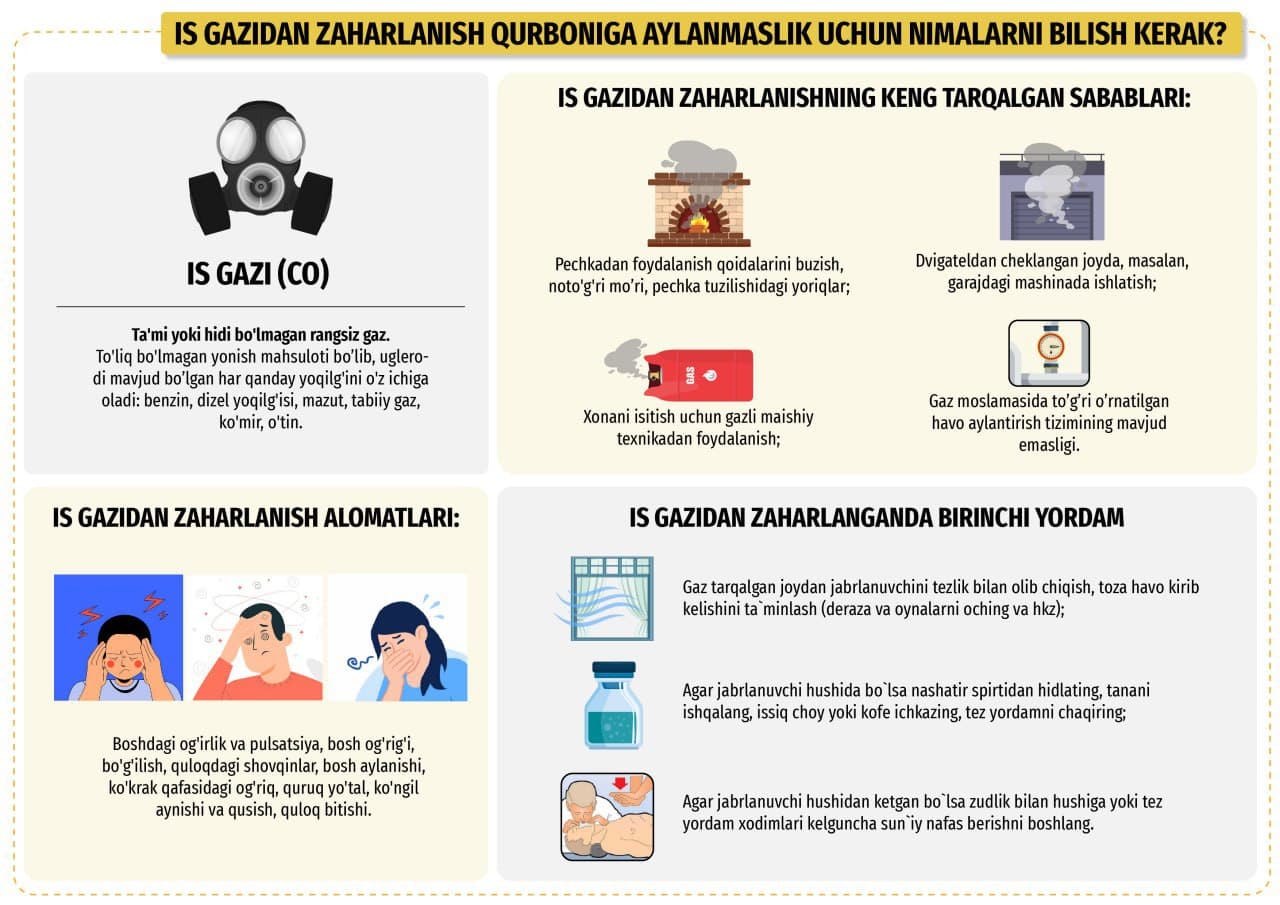
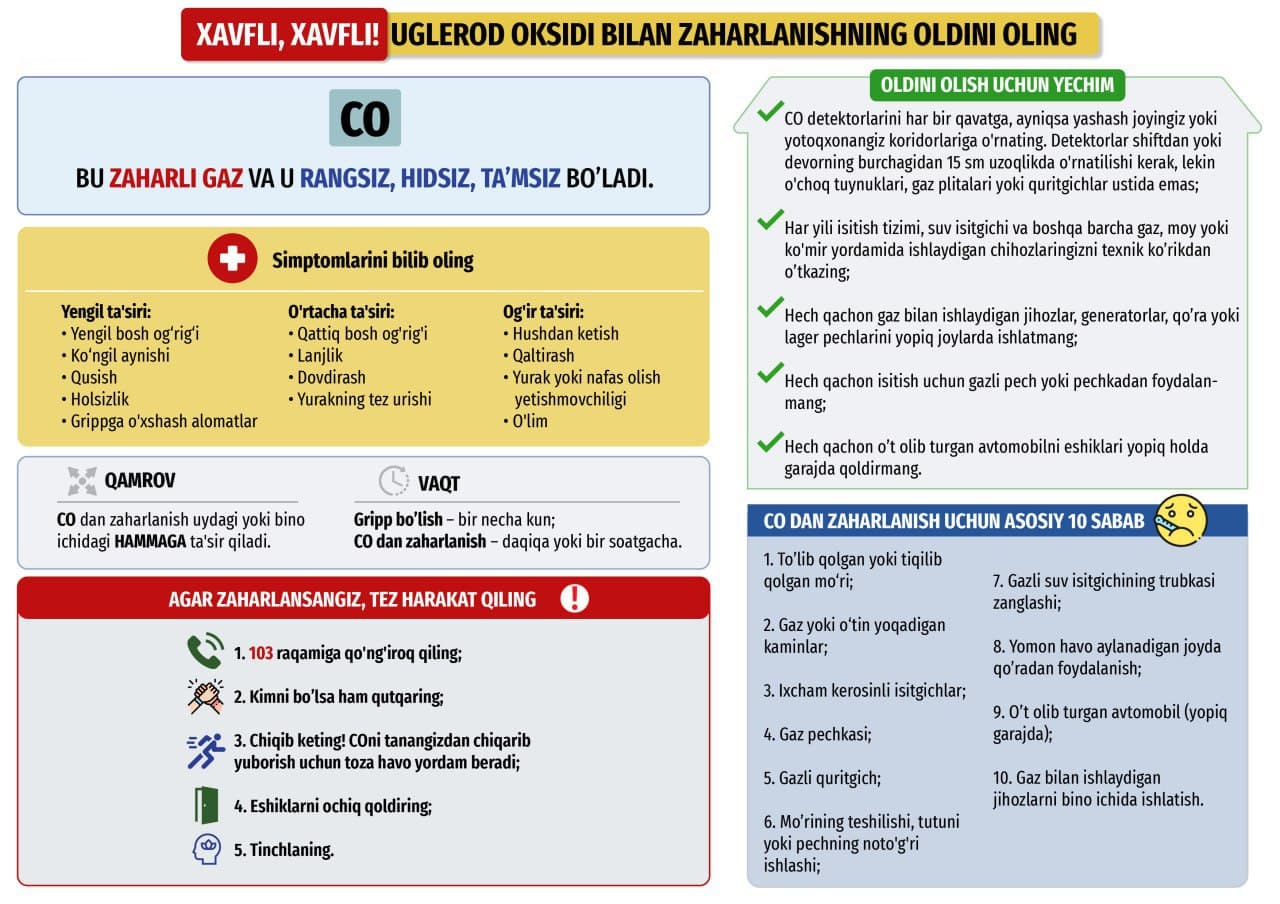
Carbon monoxide (CO) is a poisonous gas that is colourless, odourless and tasteless. It cannot be detected by human senses, which means the danger of carbon monoxide poisoning often goes unnoticed until it is too late.
Carbon monoxide is produced when fuel does not burn completely. Faulty gas appliances, heating stoves, improperly functioning chimneys and flues, as well as operating a vehicle engine or portable generator in an enclosed space, can cause carbon monoxide poisoning.
Do not ignore the early symptoms of poisoning!
Headache, dizziness, weakness, nausea, vomiting, shortness of breath and chest pain may indicate carbon monoxide poisoning. In severe cases, symptoms can include loss of consciousness, confusion and seizures.
Do not mistake these symptoms for ordinary tiredness or a common cold.
How can you prevent carbon monoxide poisoning?
🔷 Before the heating season begins, have qualified professionals inspect gas appliances, heating equipment, water heaters, chimneys and flues.
🔷 Ensure that indoor air circulation and ventilation systems are working properly. Never block chimneys or ventilation openings.
🔷 Never use portable generators, barbecues or charcoal-burning devices inside homes, garages or other enclosed spaces. Do not leave a vehicle engine running in a closed garage.
🔷 Never use a gas stove or oven to heat a room.
🔷 Where possible, install carbon monoxide detectors in your home, especially near bedrooms, and regularly check that they are functioning correctly.
What should you do if carbon monoxide poisoning is suspected?
❗ Immediately move everyone, including children and older adults, out of the danger zone and into fresh air.
❗ Call 103 or 112 immediately to request emergency medical assistance.
❗ Ensure that the affected person receives medical attention. Even if the symptoms improve, do not delay seeking medical care.
❗ Do not re-enter the building until qualified professionals have confirmed that it is safe.
Remember: carbon monoxide has no smell, but it can be deadly! Following safety precautions is essential to protecting your life and the lives of those you love.