
Effectiveness of Anti-Corruption Efforts to Be Further Strengthened
2026-10-21 08:40:00 / News
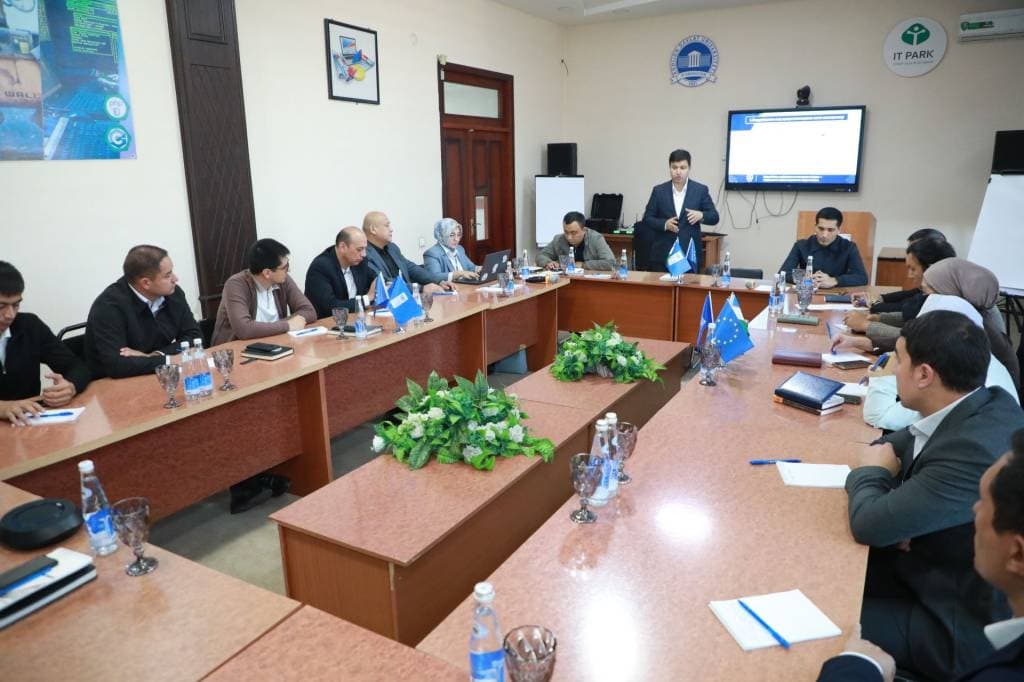
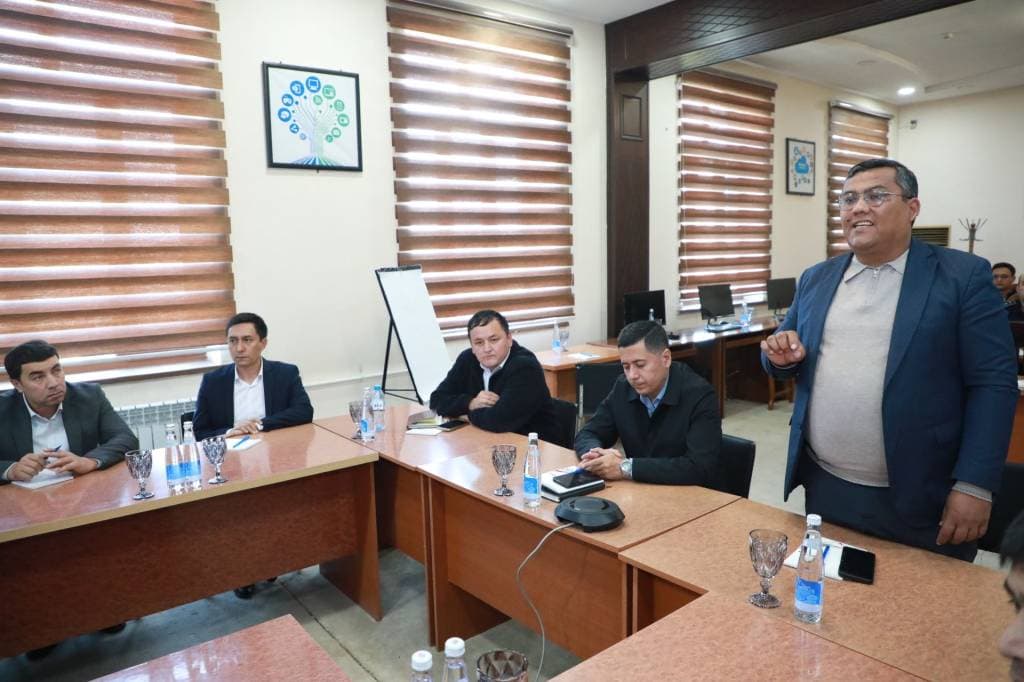
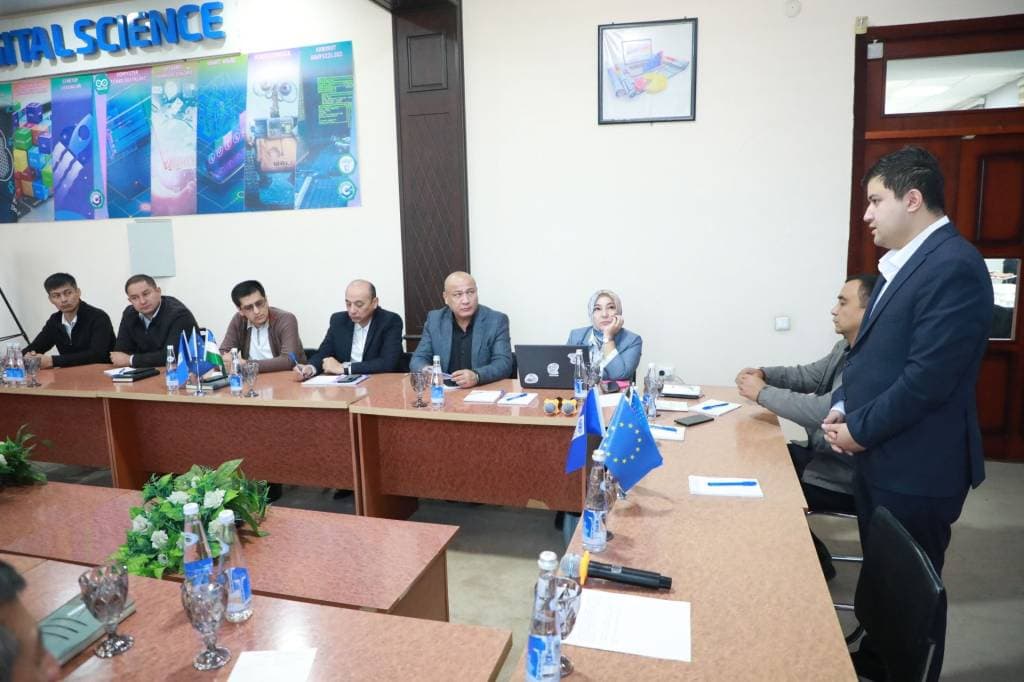
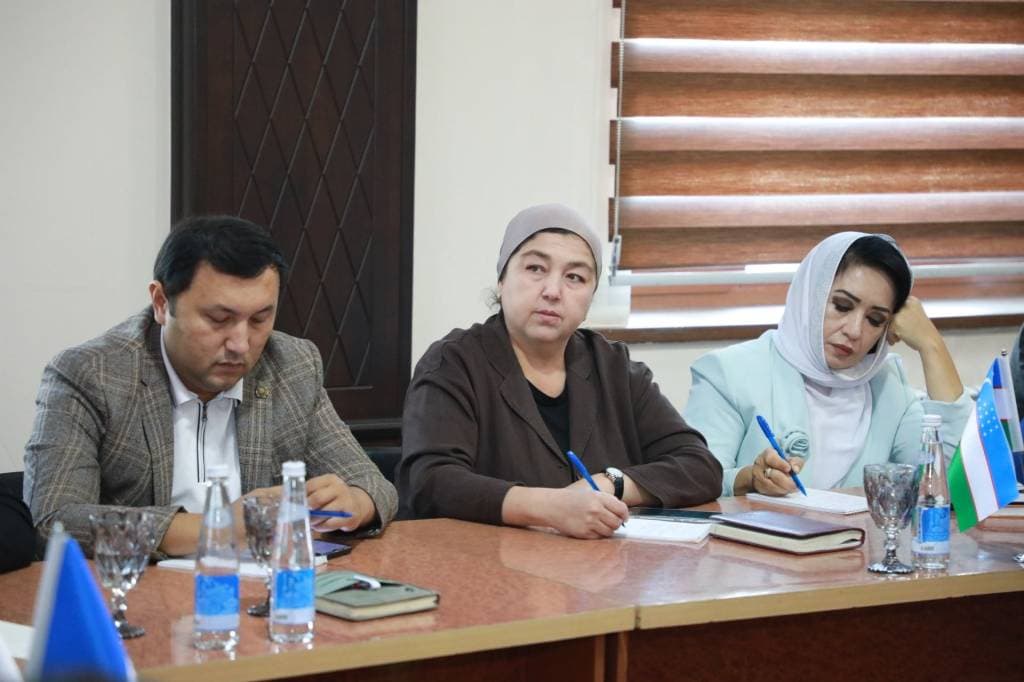
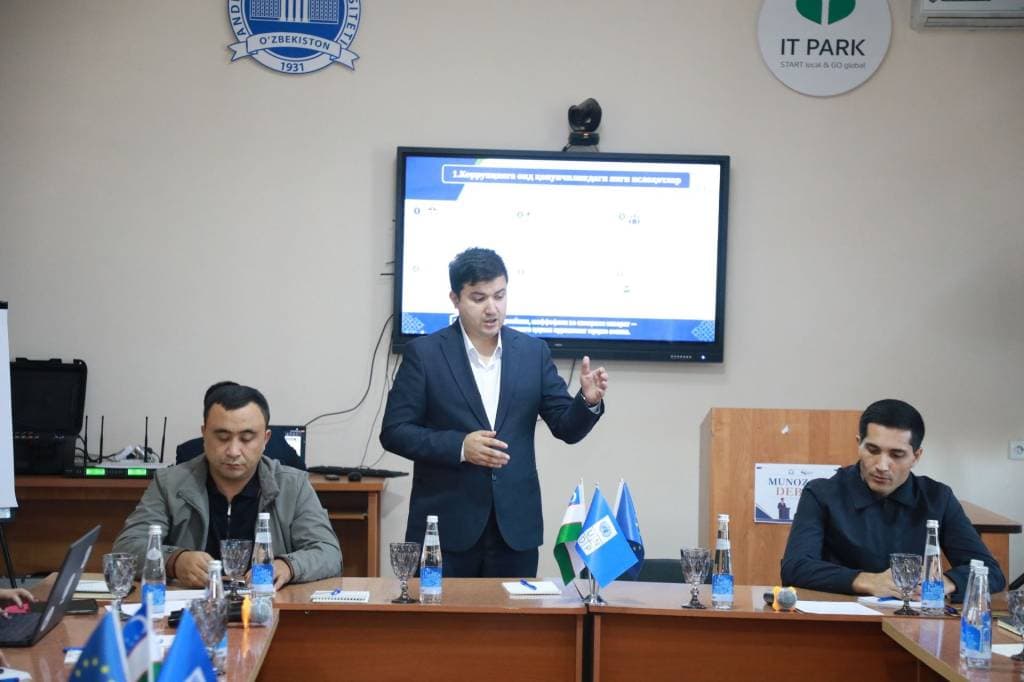
A training seminar is underway at Andijan State University, focusing on improving the effectiveness of the regional council for combating corruption, identifying and assessing local challenges and corruption risks, coordinating cooperation among responsible authorities, and developing targeted measures to prevent corruption.
The seminar is being held under the joint project “Strengthening the National Anti-Corruption Ecosystem in Uzbekistan,” implemented by the Anti-Corruption Agency and the United Nations Development Programme (UNDP), with financial support from the European Union and in cooperation with the Senate Committee of the Oliy Majlis on Judicial and Legal Issues and Anti-Corruption. Participants include members of the regional council for combating corruption and representatives of relevant government bodies and organizations.
Opening speakers emphasized that corruption poses a serious threat to societal development and remains a matter of significant public concern. They also highlighted the extensive efforts being undertaken in Uzbekistan to prevent corruption, eliminate the factors that contribute to it, and introduce systematic and effective anti-corruption mechanisms.
The first day’s sessions focused on anti-corruption legislation, its practical application, and ways to improve the organization and effectiveness of regional councils. Participants also analyzed the corruption-related situation in the region and discussed ways to improve information-sharing, allocate responsibilities, coordinate decisions, and address challenges at the regional level.
Presentations by relevant officials and experts were delivered during the seminar. Participants shared their views on the presentations and put forward proposals to improve the effectiveness of anti-corruption efforts.
The second day of the training seminar is scheduled to address public oversight, transparency, and cooperation with civil society institutions and the mass media.
Participants will explore methods for using citizens’ appeals, open data, statistical indicators, media reports, and findings from civil society organizations to identify corruption risks. Particular attention will be paid to distinguishing verified facts from allegations and unverified information, identifying the need for additional evidence, and responding to reports lawfully and with proper justification within the scope of the relevant authorities’ mandates.
Practical sessions will also focus on developing proposals for verifying available information, identifying responsible organizations, formulating appropriate measures, and monitoring their implementation.
The seminar is expected to contribute to improving the work of regional councils, strengthening inter-agency cooperation, and developing more effective mechanisms for preventing corruption.