
Andijan Regional State Museum of History and Culture — a custodian of the region’s rich historical and cultural heritage
2026-08-22 00:00:00 / News
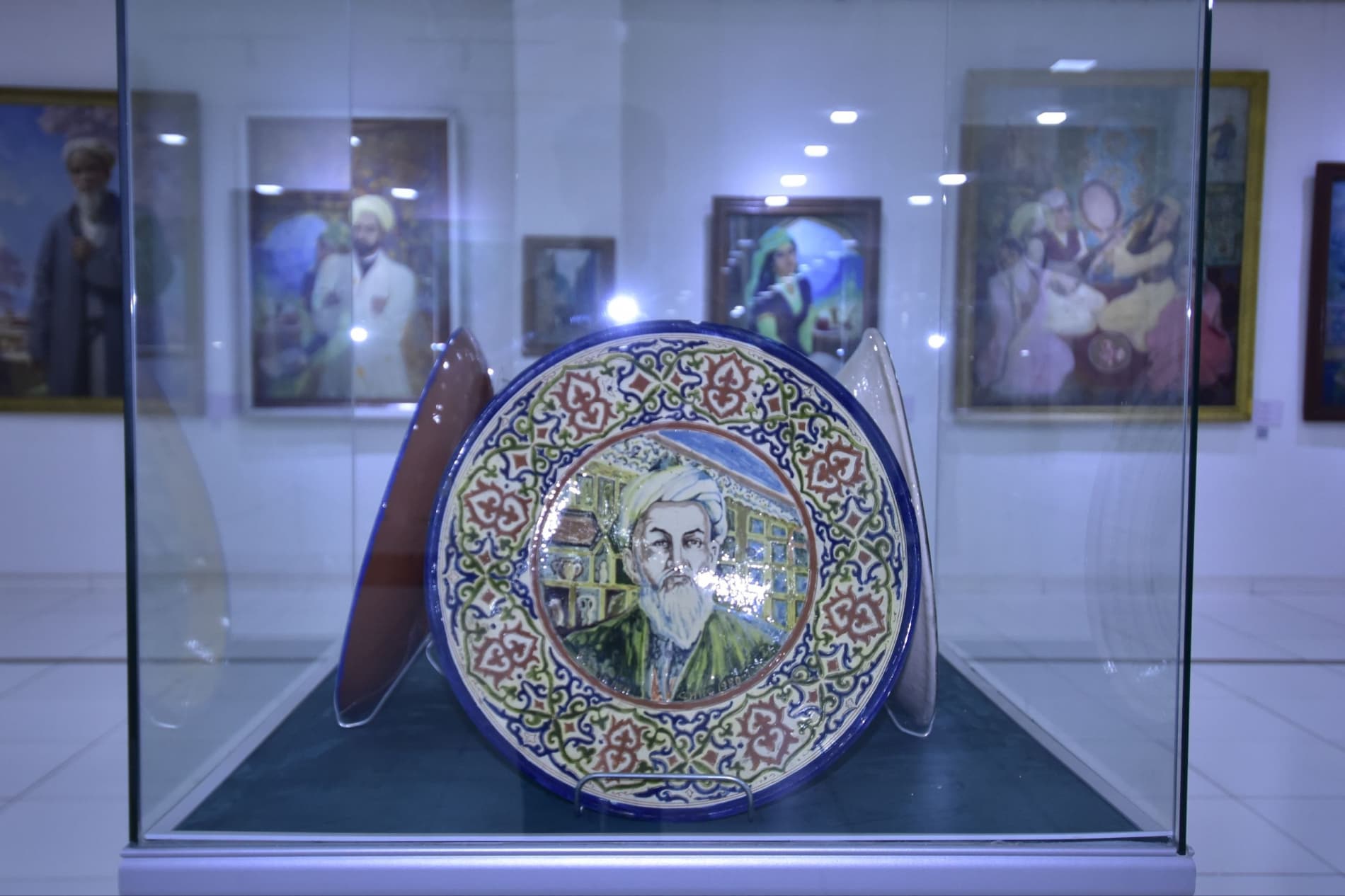
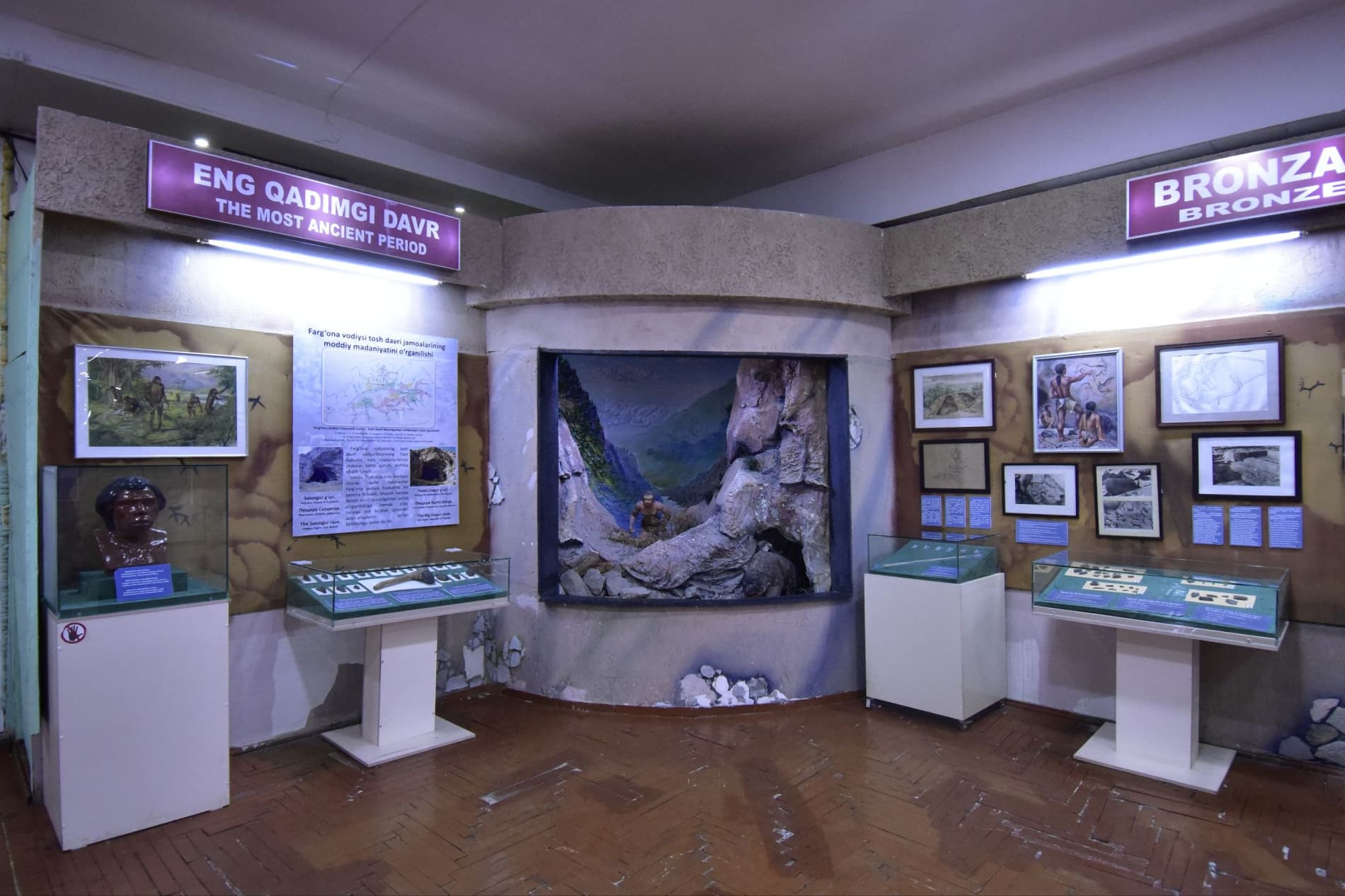
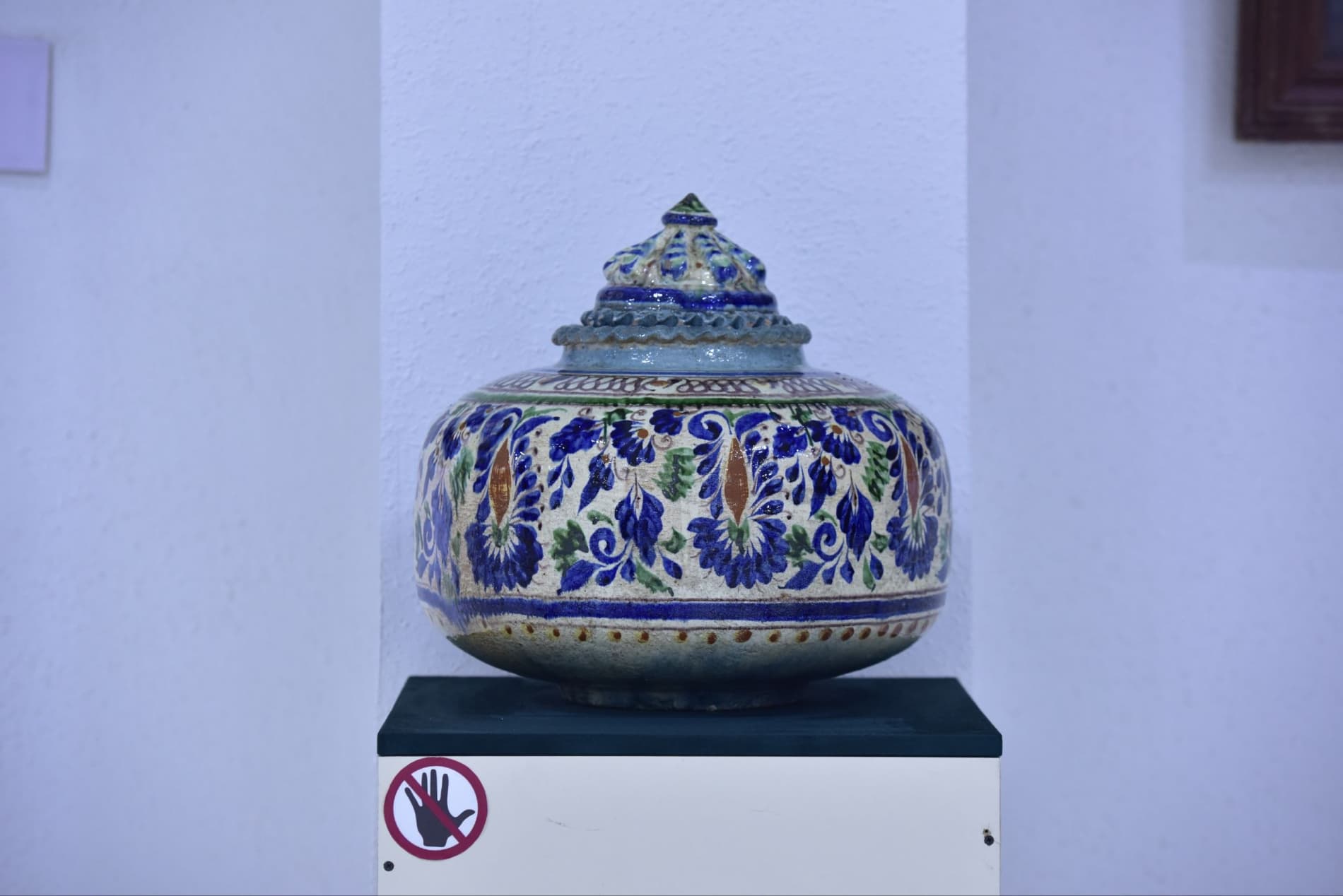
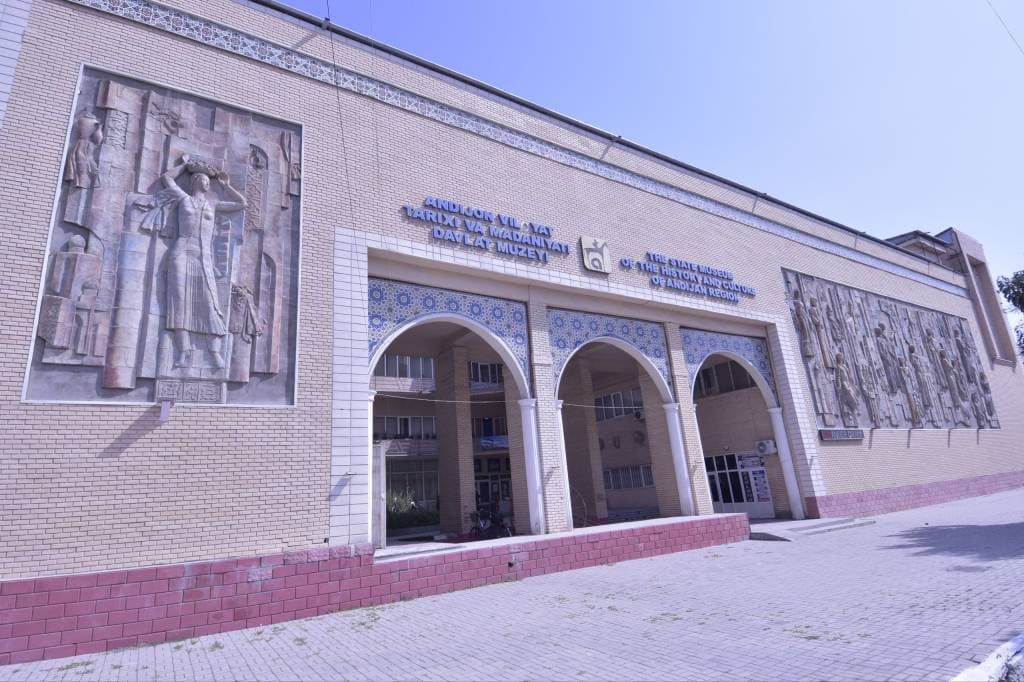
The museum was established in 1934 on the basis of an agricultural exhibition. In 1982, it moved into a new modern building designed to provide improved conditions for visitors. Today, the building itself is considered an architectural landmark. The monumental decorative relief on its main facade was created by a team of sculptors invited from the Saint Petersburg Art Combine and represents a distinctive example of late 20th-century monumental art. In accordance with a relevant resolution of the Cabinet of Ministers of the Republic of Uzbekistan dated December 11, 2017, the Andijan Regional Museum of Local History and the Andijan Regional Museum of Literature and Art were merged, forming the present institution. The museum currently includes one branch and four departments.
The museum’s collections contain more than 156,000 items of historical and cultural significance. These include archaeological artifacts, paintings and graphic works, numismatic materials, ethnographic exhibits, archival documents, manuscripts, photographs, and other sources reflecting important stages of the history of the Uzbek people. The archaeological collection, comprising more than 50,000 items, covers the period from the Early Paleolithic to the 15th century. More than 200 ancient settlements have been identified and studied in the Andijan region. Artifacts discovered during archaeological expeditions at sites including Dalvarzintepa, Eylatan, Mingtepa, G‘ayrattepa, Sultanabad, Qo‘rg‘ontepa, Chordona, Sho‘rtepa, Lo‘mbitepa, and Hillaariq form an important part of the collection.
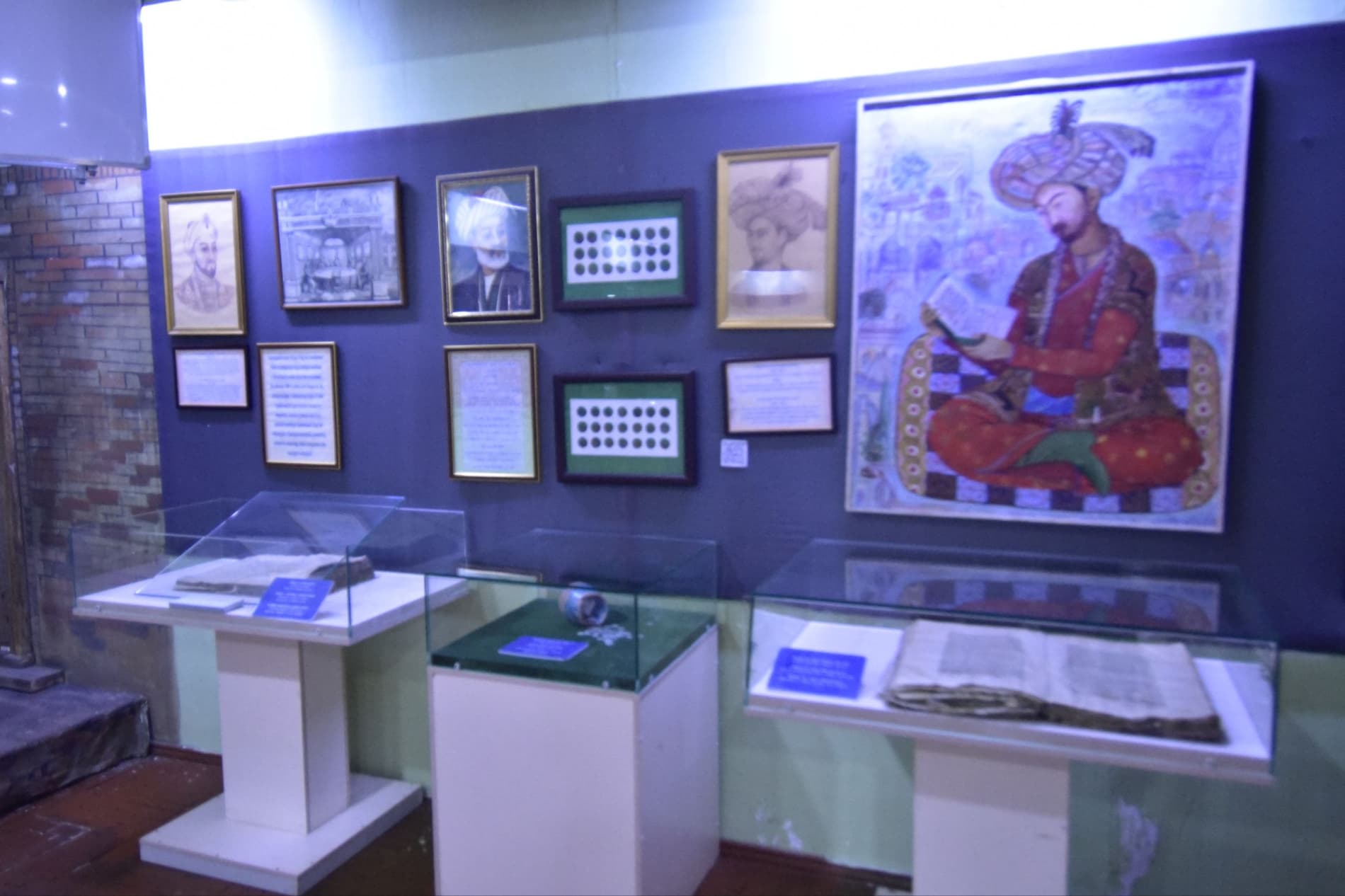
The museum’s manuscript collection contains around 1,500 rare sources. It includes documents related to Islamic judicial proceedings, as well as handwritten and lithographic books on history, Islamic jurisprudence, medicine, mathematics, and religious and secular subjects written in Arabic, Uzbek, Persian, and Turkic languages. A major contribution to the collection and preservation of these valuable sources was made by Abduvali Maqsudov (Vali Maqsudiy), a prominent scholar of Eastern history and literature and an expert in Arabic and Persian, who headed the library under the Andijan City Department of Public Education from 1917 to 1927.
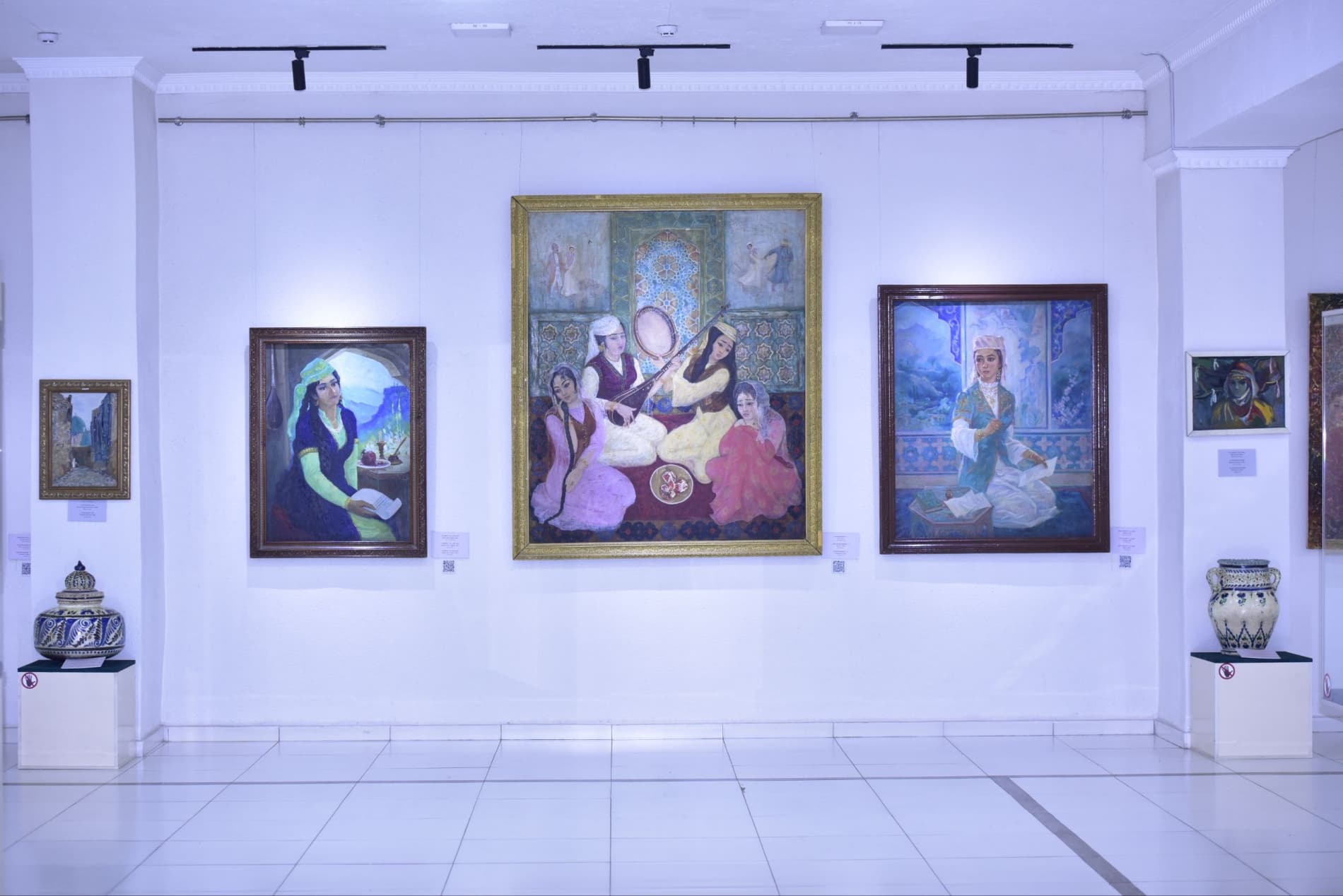
The museum’s treasury also contains more than 1,000 paintings and graphic works created from the mid-20th century to the present, as well as examples of sculpture. The development of the fine arts collection was greatly supported by Hamid Sulaymonov, a prominent scholar and Doctor of Philological Sciences. On the occasion of the 525th anniversary of Alisher Navoi’s birth, he proposed establishing a branch of the Tashkent Museum of Literature in Andijan. As a result, the branch was opened in 1974. Portraits of prominent poets, writers and scholars, along with works depicting the lives and creative legacy of Alisher Navoi and Zahiriddin Muhammad Babur, were transferred from the collections of the Tashkent Museum of Literature for the new exhibition.
Collections of traditional crafts, ethnography, and fine art constitute another important part of the museum’s heritage. The relevant department features numerous examples of traditional pottery, embroidery, jewelry, knife-making, carpet weaving, and wood carving. The museum also preserves documents and photographs related to the history of Andijan Region, as well as personal belongings and awards of prominent scholars, literary figures, cultural workers, and artists who lived and worked in the region.
In recent years, the museum building has undergone major reconstruction, the surrounding area has been landscaped, and its infrastructure has been comprehensively modernized. The institution has been equipped with modern information and communication technologies, while improved facilities have been created for visitors. Today, the Andijan Regional State Museum of History and Culture serves not only as a guardian of historical memory, but also as an important cultural and educational center that contributes to strengthening national identity, respect for ancestral heritage, and a sense of patriotism among the younger generation.