
About Yangihayot District
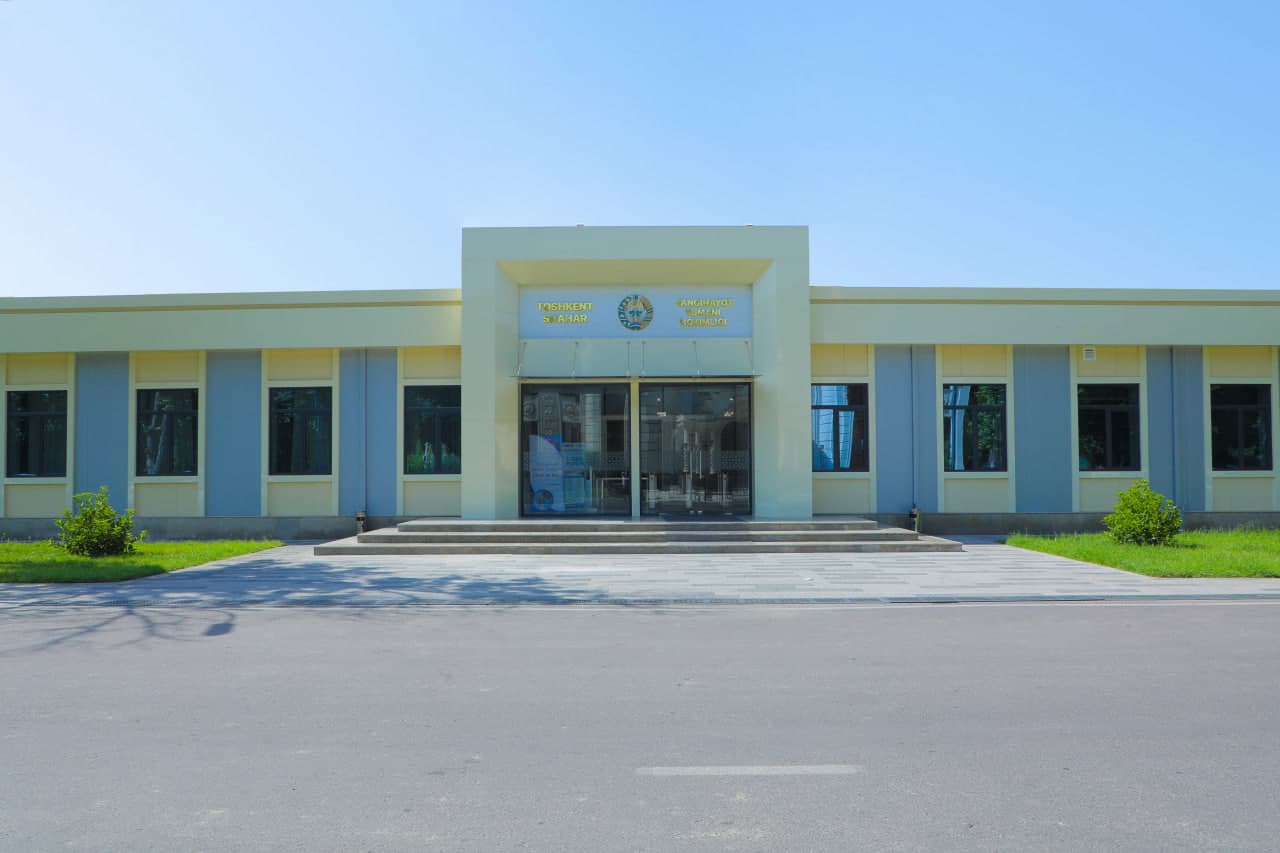
Yangihayot District is a dynamically developing urban area with a total territory of 44.2 km². The district has a population of 198.8 thousand people, with a balanced age structure, and its social infrastructure is aimed at meeting the needs of residents. There are 30 mahallas in total, most of which meet high service standards.
Economy and Investments
The district’s economy demonstrates stable growth. Industrial output for January–October 2025 reached 10,683.5 trillion UZS, with a growth rate of 102.0%. Small enterprises (818 units) and large enterprises (18 units) serve as the main drivers of economic development. The service sector is also expanding rapidly, reaching a volume of 5,018.6 trillion UZS (growth of 117.2%).
Investment activity remains high: investments in fixed capital amounted to 2,953.6 billion UZS, reflecting significant growth of 139.6%. Direct foreign investment reached USD 360.0 million. In 2025, the implementation of 75 investment projects is planned, which will create 2,862 new jobs.
Under the export program, the 2025 target is USD 300.9 million. Over 11 months, exports totaled USD 215.6 million, representing 71.7% of the annual plan.
Employment and Social Protection
The number of employed residents is 43.8 thousand. The unemployment rate remains relatively low at 4.3% (469 people officially registered as unemployed). The employment plan for the first 11 months of 2025 was fulfilled at 102%.
Special attention is given to supporting socially vulnerable groups:
-
403 families are included in the “Iron Notebook”;
-
5,724 women listed in the “Women’s Notebook” received assistance totaling more than 3.4 billion UZS;
-
245 young people from the “Youth Notebook” received assistance amounting to 83.6 million UZS.
Education and Healthcare
Educational infrastructure:
-
Preschool institutions: 63 (coverage rate 75.1%);
-
General education schools: 20 (27,590 students);
-
Higher education institutions: 2 (1,000 students).
The healthcare system has a staffing level of 94%. Medical services are provided by 3 primary healthcare institutions (central and family polyclinics), 2 inpatient hospitals, and 14 emergency medical teams.
Finance and Infrastructure
The local budget revenue plan was significantly exceeded: over 11 months, revenues amounted to 127.5 billion UZS compared to the planned 92.3 billion UZS (138.09%).
To improve infrastructure, 11.0 billion UZS was allocated to 9 mahallas. Access to drinking water covers 86% of the population.
These indicators demonstrate the dynamic development of Yangihayot District and the implementation of comprehensive measures aimed at improving the living standards of the population.