
What Is Reactive Power, Why Is Its Compensation Important, and What Benefits Does It Provide?
2026-06-11 12:10:00 / News
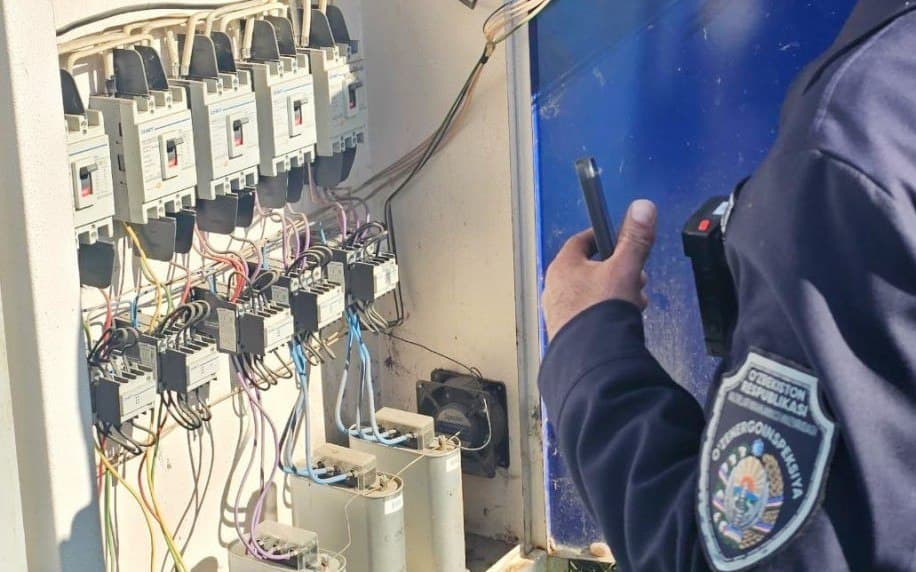
Many people are unaware that reactive power compensation is not only about electricity consumption but also about improving energy efficiency, enhancing the quality of power supply, and achieving economic benefits. Let us take a closer look at this issue.
Electric motors and transformers, which are widely used in everyday life and industry, require not only active power but also reactive power for their operation. Reactive power arises due to the phase shift between current and voltage and reduces the efficiency of electricity transmission.
Why Is Compensation Important?
Excessive reactive power can lead to several negative consequences:
Energy losses. Reactive power also flows through the network, increasing current levels, causing additional energy losses and resulting in voltage drops.
Reduction in power factor. The power factor (cos φ) indicates the share of active power in the total apparent power. A low power factor means inefficient use of electricity and unnecessary loading of the power system.
Additional costs. For many consumers, operating with a low power factor may result in extra charges and financial penalties.
Reactive power compensation helps prevent these issues and offers the following benefits:
Energy savings. Excessive circulation of reactive power is eliminated, reducing the amount of apparent power transmitted through the network.
Improved voltage quality. Local generation of reactive power helps prevent voltage drops.
Higher power system efficiency. Reduced loading of transformers and cable lines increases their capacity to transmit more active power without additional infrastructure investments.
Main Methods of Improving the Power Factor
Capacitor banks. The most common and effective method of reactive power compensation, specifically designed to offset reactive power demand.
Synchronous motors. When overexcited, they can supply reactive power to the grid, making them an efficient solution in certain applications.
Synchronous compensators. Although relatively expensive, they provide high performance and are commonly used in high-capacity power systems.
Proper design of compensation equipment, installation based on engineering calculations, and automatic control according to network conditions ensure the most cost-effective operation for consumers. In industrial facilities, fixed-capacity capacitor banks are often used for large electric motors operating under constant load conditions.
By complying with relevant regulations and implementing modern reactive power compensation technologies, consumers can reduce electricity consumption, lower operating costs, and contribute to the reliability and stability of power systems.